


Fleas, ticks and lice are more than just itching and discomfort for dogs. Parasites may spread diseases, cause skin irritation, and decrease your pet's quality of life. Fipronil has been a trusted active ingredient in topical parasite treatment for decades, and pet owners and veterinary suppliers are looking for reliable answers. Understanding how fipronil works at the cellular level helps explain why fipronil spot-on products continue to be a mainstay in the animal health supply chain for buyers, distributors and formulators.
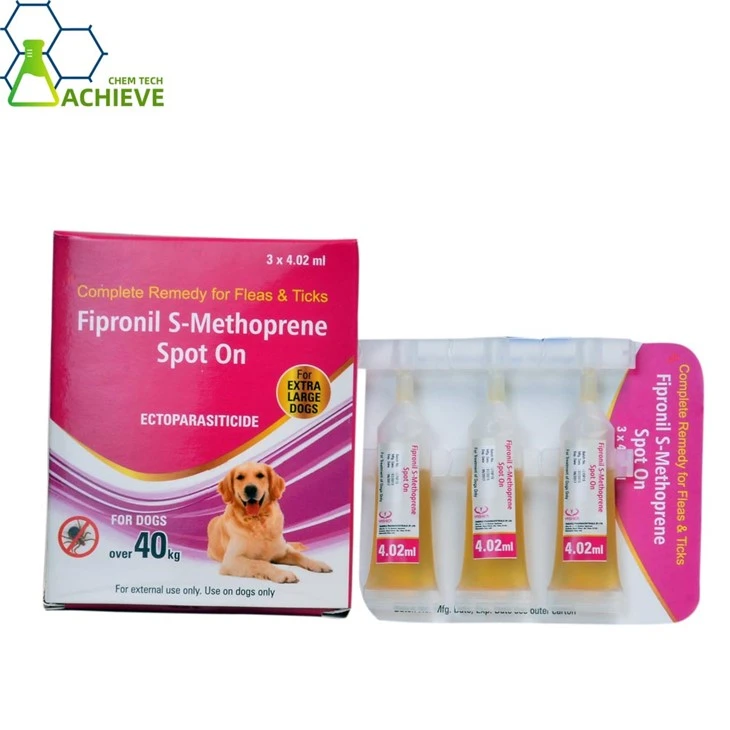
Fipronil Spot-On
1.General Specification(in stock)
(1)API(Pure powder)
PE/Al foil bag/ paper box for Pure powder
(2)Spot-On
cat:0.5ml
dog:0.67ml:2-10kg/1.34ml:10-20kg/2.68ml:20-40kg/4.02ml:40-60kg
(3)Solution
(4)Drops
2.Customization:
We will negotiate individually, OEM/ODM, No brand, for secience researching only.
Product Code:BM-9-018
Fipronil CAS 120068-37-3
This article reviews the scientific basis for fipronil, from its mechanism of action on nerve channels to its actual effectiveness against common external parasites. Bloomtechz, a company that is capable of manufacturing under GMP certification, lays down the process into simple terms so that sourcing teams and R&D departments may make educated purchase selections.
How Does Fipronil in Fipronil Spot-On Affect Parasite Nerve Channels?
The Role of the Nervous System in Parasite Survival
Insects and arachnids depend on a highly tuned neural system to coordinate locomotion, eating and reproduction. Nerve cells interact with each other via electrical impulses, which rely on the regulated passage of charged particles across cell membranes. Break that equilibrium and the parasite cannot operate correctly anymore. Fipronil attacks this same weakness and hence may be a powerful weapon to help combat pests on pets.
Parasites like fleas and ticks rely on inhibitory nerve impulses to avoid overstimulation of muscles.
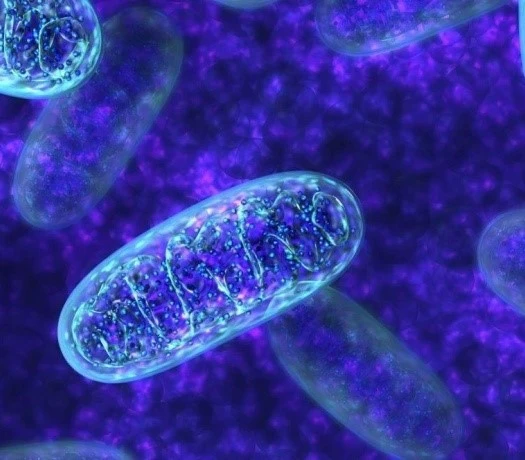
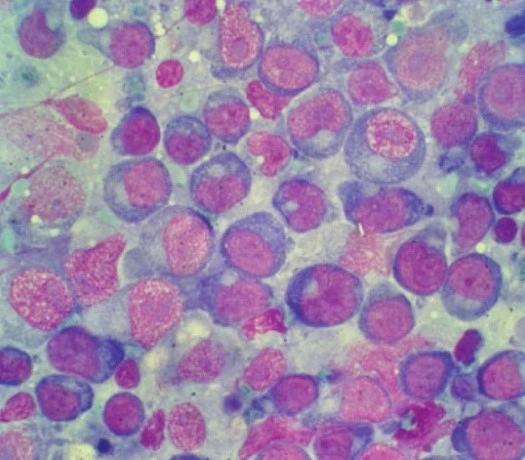
Nerve cells start firing out of control, without the correct regulation. This molecular feature explains why a drug that disrupts inhibitory signalling may be highly toxic to a parasite, yet relatively benign to mammalian hosts such as cats and dogs.
Fipronil's Entry Point into Nerve Cells
When administered in a fipronil spot-on formulation, the active ingredient is distributed across the skin surface and moves toward the parasite during contact or eating. Fipronil is very lipophilic, which means it quickly dissolves in the natural oils present in skin and hair. This characteristic enables it to effectively penetrate the exoskeleton of insects and ticks.
Fipronil penetrates the parasite and moves to the central nervous system where it attaches to certain receptor sites. This binding step initiates a cascade of actions that finally destroys the pest. This interaction with receptors has been well reported by researchers of phenylpyrazole compounds and has been shown to be selective for insect and arachnid nerve tissue .
Fipronil Spot-On and GABA-Gated Chloride Channel Inhibition
What Are GABA-Gated Chloride Channels?
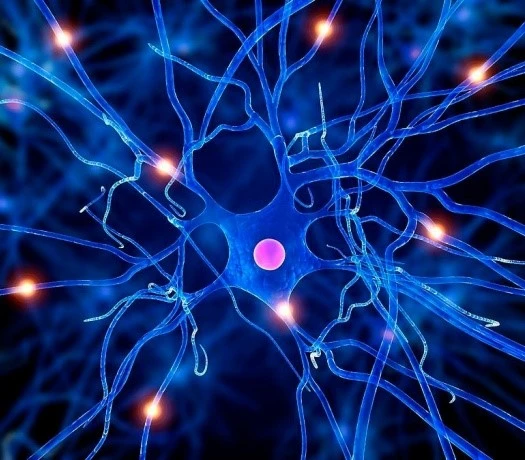
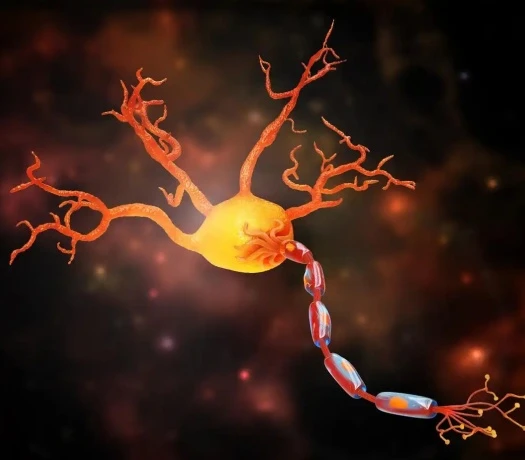
Gamma-aminobutyric acid or GABA is a neurotransmitter that relaxes numerous species. In parasites, GABA interacts to specific receptors that activate chloride channels in the nerve cell membranes. When open, chloride ions pour into the cell, reducing the excitability of the cell and keeping nerve signalling under check.
This regulating mechanism is like a brake pedal for the neurological system. Without it the neurones would fire constantly, and the muscular system would get exhausted and malfunction . This braking mechanism is vital for healthy parasites to be able to move, eat and reproduce healthily.
How Fipronil Blocks Chloride Flow
Fipronil binds directly to the GABA-gated chloride channel and physically blocks the flow of chloride ions. This barrier stops the calming signal from reaching the inside of the nerve cell. In the scientific literature, fipronil is described as a noncompetitive antagonist at this receptor site, implying that it does not need to compete with GABA for the same binding position so that it can exert its action .
The outcome is a neurological system that is not able to decelerate." The chloride channels stay closed, excitatory impulses build up, and the parasite's neurones go amok.
This single mechanism underpins the insecticidal and acaricidal performance of fipronil and is the reason why fipronil spot-on products remain dependable against resistant populations of pests compared with certain earlier chemical classes.
The question of receptor selectivity is routinely asked by formulators looking for fipronil raw material for spot-on manufacture. Fipronil has far lower affinity for human GABA receptors than for insect and arachnid receptors, and this explains the comfortable safety margin that is shown in the authorised veterinary medications.
How Does Fipronil Cause Parasite Hyperexcitation and Paralysis?
If chloride channels are blocked, the nerve cell membrane can not repolarise. But the electrical impulses continue to fire away , uninterrupted . This results in a situation called hyper-excitement . Muscles regulated by these overstimulated neurones start to jitter erratically, and the parasite loses coordinated movement within hours after exposure.
The parasite's energy supplies are quickly depleted as the excitatory messages continue. Tremors of the muscles; convulsions all over the body; paralysis. The bug or tick can't eat, move or flee and dies from a combination of nervous system failure and physical depletion. In the laboratory, fleas that have been treated to fipronil are often shown to go through this excitation-to-paralysis process within a few time after contact, which is consistent with the ingredient's reputation for fast knockdown action.
This mechanism also accounts for the efficacy of fipronil against intermittently feeding parasites. Fipronil may pierce the exoskeleton and damage nerve channels with only surface contact, thus a tick does not have to bite continually to get a deadly dosage.
Fipronil Spot-On Activity Against Fleas, Ticks, and Lice
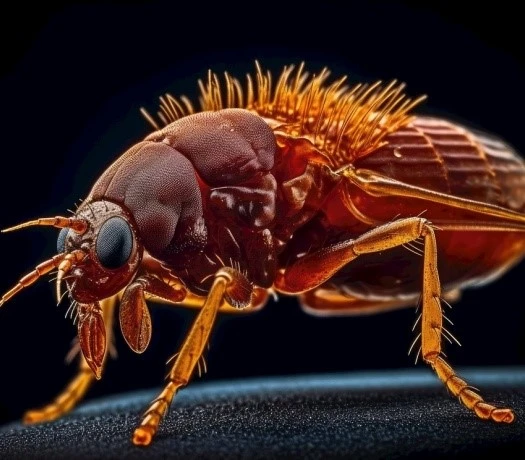
Fleas, ticks and lice all interact with a host differently, but fipronil displays consistent action against all three. The active ingredient kills the flea, but the flea does not have to bite the pet to be killed. When the flea walks over the treated fur, the flea absorbs the compound via its legs and exoskeleton. This feature decreases the likelihood of flea bites reaching the skin before the parasite is killed.
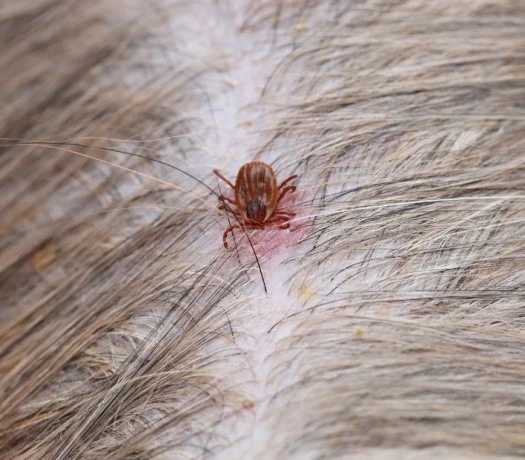
Ticks cling to the skin for lengthy periods of time to feed, providing fipronil with adequate opportunity to enter the tick's body. Various veterinary parasitology publications state that fipronil spot-on therapies inhibit tick attachment and feeding behaviour during the first day of exposure, therefore decreasing the chance of disease transmission.
Because lice spend their entire life cycle on the host, they are constantly exposed to the active ingredient after it has diffused throughout the skin and coat.
This ongoing exposure is in keeping with the nature of fipronil as a treatment for infestations with overlapping generations of parasites including eggs and larvae hatched after the first injection.
Flea biology adds another level of intricacy since the adult fleas are just a tiny fraction of an actual infestation. Eggs, larvae and pupae frequently represent the largest part of the population in the habitat of a pet. The residual action of fipronil on treated hair and skin controls newly emerging fleas that come into contact with the pet after treatment allowing for longer intervals between treatments.
Why Is Fipronil Used in Topical Parasite Control for Pets?
Fipronil is still the go-to compound in veterinary and pet care, since it works well against parasites yet is tolerated by mammals. The specific effect on insect and arachnid nerve receptors, as noted above, enables formulators to develop treatments that are mild on a pet's skin and provide excellent parasite control.
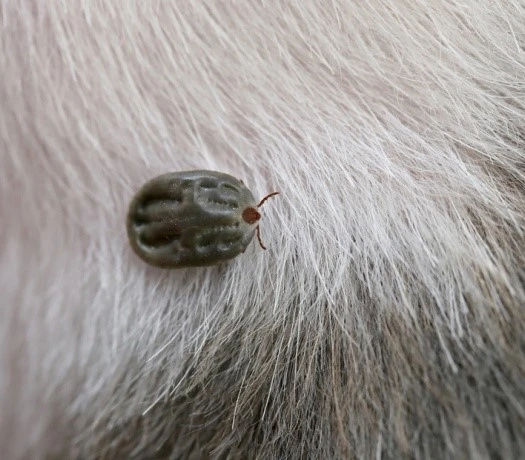
Topical therapy is also easier to put on than oral medicines. A fipronil spot-on mixture spreads over skin via natural oil channels. This allows it to access regions that oral treatments cannot directly reach, such as the surface of the coat where fleas and ticks initially land. This dispersion pattern promotes a barrier protection effect that may continue for many weeks, depending on the formulation and the properties of the skin of the pet.
The demand for fipronil raw material and completed spot-on formulations continues to be driven by consistent production standards and well-documented safety data from supply chains servicing the pharmaceutical, animal health, and speciality chemical industries.
Bloomtechz caters this need with pure fipronil API and final fipronil spot-on products supported by HPLC, LC-MS and ¹H NMR analysis, operating from a GMP certified facility audited by regulatory bodies like US-FDA, PMDA, BGV-Hamburg. Buyers who want to know how fipronil works typically go on to sourcing enquiries, as knowing the mechanism helps to have trust in the product's stability for long-term contracts.
Conclusion
In the neurological systems of fleas, ticks and lice, fipronil operates by blocking GABA-gated chloride channels. This leads to uncontrolled nerve firing, hyperexcitation and paralysis. It is this mechanism that has earned fipronil its reputation for fast-acting, consistent parasite control, and its lipophilic nature allows for sustained dispersion throughout a pet's skin and coat. Buyers of fipronil raw material or completed fipronil spot-on goods will benefit from knowing this science as it directly relates to formulation quality, dosage accuracy and shelf-life performance.
FAQ
1.Is fipronil safe for use on both cats and dogs?
+
-
Fipronil has been developed into species-specific spot-on preparations for cats and dogs, with dose according to body weight and skin features. Manufacturers usually verify safety of skin irritation before releasing items to the market.
2.How long does a single application of fipronil spot-on remain effective?
+
-
The length of time that the treatment works varies on the formulation, the amount of oil produced by the skin and environmental exposure, but many spot-on fipronil preparations will have demonstrable action against fleas and ticks for four to eight weeks after one application.
3.Does fipronil lose effectiveness against parasites over time?
+
-
Resistance patterns are different from location to region and from parasite population to parasite population. Quality vendors will track effectiveness data and have third-party labs do quality control to ensure that potency is constant from batch to batch of the product.
Partner with Bloomtechz for Reliable Fipronil Spot-On Supply
Bloomtechz has been a reputable organic synthesising producer since 2008. We sell GMP-certified fipronil API and completed fipronil spot-on formulations to pharmaceutical firms, R&D agencies and wholesale distributors worldwide. Our triple-layer quality analysis, clear pricing approach and ERP recorded lead-times provide sourcing teams with confidence across the supply chain. Our staff provides precise and thoroughly documented help whether you require bulk fipronil raw material, OEM spot-on formulations or technical paperwork for customs clearance. Contact us as a fipronil spot-on supply partner and drop your query at Sales@bloomtechz.com to start a discussion on your unique needs.
References
1. Tingle, C.C.D., Rother, J.A., Dewhurst, C.F., Lauer, S., & King, W.J. (2003). Fipronil: Environmental Fate, Ecotoxicology, and Human Health Concerns. Reviews of Environmental Contamination and Toxicology.
2. Cole, L.M., Nicholson, R.A., & Casida, J.E. (1993). Action of Phenylpyrazole Insecticides at the GABA-Gated Chloride Channel. Pesticide Biochemistry and Physiology.
3. Zhao, X., Yeh, J.Z., Salgado, V.L., & Narahashi, T. (2004). Fipronil Is a Potent Open Channel Blocker of Glutamate-Activated Chloride Channels in Cockroach Neurons. Journal of Pharmacology and Experimental Therapeutics.
4. Gupta, R.C., & Crissman, J.W. (2018). Agricultural Chemicals and Veterinary Antiparasitic Drugs. In Veterinary Toxicology: Basic and Clinical Principles.
5. Rust, M.K. (2005). Advances in the Control of Ctenocephalides felis (Cat Flea) on Cats and Dogs. Trends in Parasitology.
6. Dryden, M.W., & Payne, P.A. (2004). Biology and Control of Ticks Infesting Dogs and Cats in North America. Veterinary Therapeutics.