


Feline infectious peritonitis (FIP) has been one of the worst conditions a cat owner could get in the past. The non-effusive form, also called "dry FIP," is harder to deal with because the symptoms show up slowly and affect many organ systems without the clear buildup of fluid that happens with wet FIP. New developments in veterinary medicine have made GS-441524 FIP a revolutionary treatment choice, providing real hope where none existed before. It has been shown that this nucleoside version works very well to treat both types of FIP, even the harder-to-treat dry type that affects about 30 to 40 percent of FIP cases.
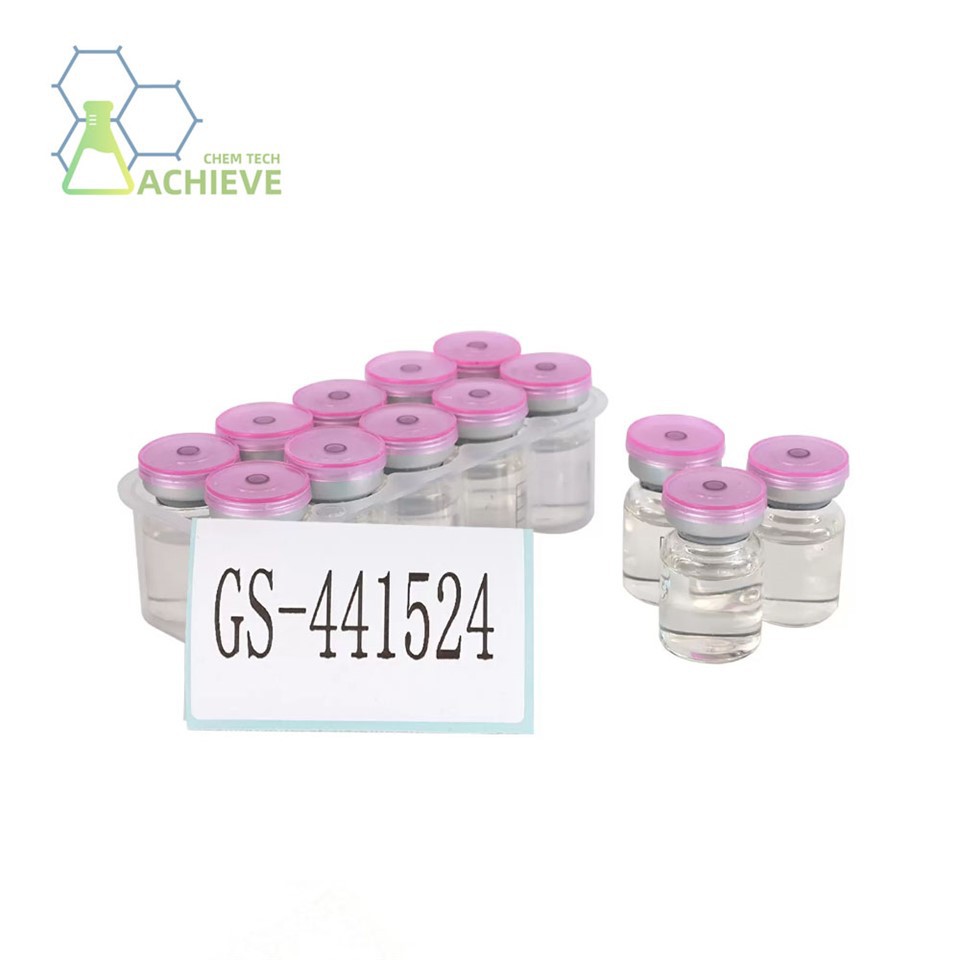
1.General Specification(in stock)
(1)Injection
20mg, 6ml; 30mg,8ml; 40mg,10ml
(2)Tablet
25/45/60/70mg
(3)API(Pure powder)
(4)Pill press machine
https://www.achievechem.com/pill-press
2.Customization:
We will negotiate individually, OEM/ODM, No brand, for secience researching only.
Internal Code: BM-1-001
Analysis: HPLC, LC-MS, HNMR
We provide GS-441524 FIP, please refer to the following website for detailed specifications and product information.
Product: https://www.bloomtechz.com/synthetic-chemical/api-researching-only/gs-441524-fip.html
Figuring out how this chemical works at the cellular level helps explain why it has become the best way to treat cats with this condition that used to kill them. Unlike supportive care, which only treats the symptoms, GS-441524 fip goes after the altered coronavirus that causes the disease, giving cats a real way to get better.
How Does GS-441524 FIP Work in Non-Effusive (Dry) FIP Cases?
Mechanism of Viral RNA Polymerase Inhibition
GS-441524 FIP is a medicine that works by stopping the growth of viruses at the molecular level. The chemical is phosphorylated to become an active triphosphate form when it gets into sick cells. Adenosine triphosphate is a natural building block of RNA, and this molecule is very similar to it. The viral RNA-dependent RNA polymerase enzyme, which is needed for coronavirus replication, adds this changed nucleoside to new viral RNA chains by mistake.
This addition makes a very serious mistake in the duplication process. The changed RNA structure stops the virus from finishing its life cycle of reproduction. This stops the infection from spreading to other parts of the body. This direct antiviral action is especially helpful in dry FIP cases, where the virus mostly lives in macrophages and makes granulomatous tumors in organs like the brain, kidneys, and liver. The substance gets to these viral stores that are embedded in tissue, gradually lowering the viral load over the course of treatment.
Pharmacokinetic Advantages in Treating Dry FIP
Because of how it works in the body, GS-441524 FIP is a great drug for treating the non-effusive form of FIP. There is a high bioavailability of the substance when it is injected under the skin, which is the most usual way to give medicine to animals. It can get through cellular hurdles that many other antiviral drugs can't because its molecules are small and it binds to fats well.
This trait is very important for treating dry FIP because the virus sticks to solid tissues instead of moving around easily in body fluids. GS-441524 FIP is effective at treating neurological and ocular FIP symptoms because it can reach appropriate amounts in organs such as the brain, eyes, and kidneys. The compound keeps plasma levels steady for long periods of time, which keeps the illness under constant antiviral pressure. Daily shots are usually part of the treatment plan for 84 days, but some people need longer therapy depending on how well they respond and how bad their disease is.
Overcoming Immune-Mediated Inflammation
As the body tries to fight off the infection, dry FIP causes a lot of inflammation that is controlled by the immune system. When macrophages get infected, they set off a chain of events that damage the surrounding tissue and create the granulomas that make up the dry form. In a roundabout way, GS-441524 FIP treats this illness by getting rid of the virus that causes it.
As the number of copies of a virus drops, the immune system slowly changes from a damaging inflammatory reaction to regular regulatory functions. This change lets broken cells start the process of healing. As the inflammation goes down over the first two weeks of treatment, cat owners often notice that their cat's hunger, energy level, and fever all get better. Even though GS-441524 FIP doesn't directly reduce inflammation, the fact that it works against viruses makes it possible for the immune system to return to normal.

Tissue-Level Viral Inhibition Effects of GS-441524 FIP
Penetration Into Granulomatous Lesions
One of the hardest parts of treating dry FIP is getting to virus-infected cells that are buried in granulomatous tissue structures. Layers of inflammatory cells circle areas of infected macrophages in these lesions, creating physical hurdles that many medicines can't get through properly. Because of how its molecules are structured, GS-441524 FIP can move through these complicated tissue structures.
Researchers who looked at how the chemical is distributed in tissues found that it reaches detectable levels in organs that are damaged, even those that have a lot of granulomas forming. This ability to penetrate helps doctors understand how cats who had advanced dry FIP affecting the kidneys, liver, and abdominal lymph nodes were able to get better. The fact that the swollen organs in the abdomen slowly went away during treatment shows that the substance could reach and kill the viruses that were living in those structures.
Sustained Antiviral Activity in Different Organ Systems
The FIP virus can attack almost any organ system, but the kidneys, liver, eyes, and central nervous system are especially likely to get sick from dry FIP. Every one of these places is different when it comes to drug delivery and healing effects. The effectiveness of GS-441524 fip has been shown to be stable across this wide range of body parts.
Renal involvement in dry FIP usually shows up as uneven kidney surfaces and a loss of function over time. In many cases, treatment with GS-441524 fip can fix or even improve kidney parameters, which suggests that the virus is being cleared from the kidney tissue effectively. Similarly, hepatic granulomas that cause jaundice and high liver enzymes usually react well to treatment, and biochemical signs return to normal at the same time as the patient gets better. Because it works on a wide range of tissues, GS-441524 fip is different from other medicines that might help some organ systems but not others.
Reduction of Viral Load in Tissue Macrophages
When there is FIP, macrophages are the main cells that the altered coronavirus infects. In dry FIP, these immune cells that are affected build up in organs, which keeps the virus replicating and causes inflammation-related damage. The success of GS-441524 FIP treatment is directly related to its capacity to stop the replication of viruses in these macrophages.
Lab tests on cats that are getting treatment have shown that the amounts of viral RNA in their blood and damaged tissues are gradually going down. This drop in the amount of virus that can be found is in line with clinical recovery and a drop in inflammation markers. Because the substance works inside cells, it can go after the virus where it lives and copies itself, instead of just going after virus particles that move between cells. This system makes sure that all antiviral drugs are used during the whole treatment process.

Can GS-441524 FIP Improve Neurological and Systemic FIP Symptoms?
Blood-Brain Barrier Penetration and Neurological FIP Treatment
Neurological involvement is one of the worst problems that can happen with FIP. It happens in about 10–15 percent of cases and has a historically bad outlook. The blood-brain barrier keeps possibly harmful substances from getting into the central nervous system. It also stops many therapeutic agents from getting to brain tissue in enough amounts to help. GS-441524 FIP has the chemical qualities it needs to get through this barrier, which means it can fight neurological FIP.
GS-441524 FIP treatment has helped cats with seizures, changes in behavior, posterior paresis, or problems with cranial nerves get better in amazing ways. Neurological complaints usually need longer treatment times and sometimes higher doses than cases that don't affect the central nervous system. The chemical gets into cerebrospinal fluid at medically relevant levels, which means it can stop the virus from replicating in brain cells and the spinal cord. Improvement in neurological signs typically happens more gradually than systemic symptoms, with continued gains often noted for weeks after initial stabilization.
Management of Ocular FIP Manifestations
Ocular FIP often goes along with the dry form and causes problems like inflammation, retinal separation, and vision loss. The eye is another difficult target for treatment because there are specific hurdles that make it hard for drugs to reach cells inside the eye. GS-441524 FIP has been shown to be able to get through these hurdles and lower the amount of virus in the eye.
During treatment, many cats with ocular FIP see a change in their eye pain, inflammation, and sharpness. If damage to the retina or other eye structures is already done before treatment starts, it may not be fixable. But GS-441524 FIP used early on can save vision and stop active inflammation processes. Veterinary ophthalmologists have recorded cases of cats regaining normal vision after the right treatment courses. This is something that would not have been possible with earlier treatment choices.
Resolution of Systemic Constitutional Symptoms
Dry FIP causes crippling systemic symptoms like a constant fever, weight loss that doesn't stop, muscle loss, and extreme tiredness. These basic signs show how much inflammation the infection has caused throughout the body. People who take GS-441524 FIP usually notice changes in these symptoms within the first seven to ten days of treatment.
Fever going away is often one of the first signs that the treatment is working. As virus replication slows down and inflammation goes away, body temperature returns to normal. After this, cats' appetites generally get better, which lets them start getting back to their old body state. As the metabolic stress of fighting off an infection goes away, energy levels slowly rise. These changes in the body's systems are good signs that the treatment is working, even before lab values return to normal or imaging studies show that the lesion has gone away.
Cellular Distribution and Activity of GS-441524 FIP in Dry FIP
Intracellular Phosphorylation and Active Metabolite Formation
For GS-441524 fip to work as a medicine, it has to change into an active triphosphate form inside sick cells. Enzymes called cellular kinases add phosphate groups to the nucleoside molecule to make this phosphorylation process happen. The triphosphate molecule that is made has protective properties that stop viruses from copying themselves.
This need for cytoplasmic activity creates a natural way to target cells. Higher amounts of the active chemical are made by cells with a busy metabolism and enough kinase activity. Because infected macrophages in FIP tumors keep their metabolic activity high to help the virus replicate, they are very good at turning GS-441524 fip into its active form. This effect focuses antiviral activity right where it's needed most, in the cells that are hosting and making viruses.
Cellular Retention and Prolonged Antiviral Effect
The active form of GS-441524 fip gets stuck inside cells because its molecules are charged after being phosphorylated to the triphosphate form. This keeps the antiviral action going longer than what the plasma half-life alone would suggest. The active substance stays in cells that are affected, keeping the virus from replicating between doses.
This pharmaceutical feature helps explain why once-daily dosing plans work so well in the real world. Because it stays inside cells for a long time, the virus's RNA polymerase is stopped throughout the dose period. In dry FIP cases with a lot of tissue involvement, this steady cellular activity is important to stop the virus over time, which is what the body needs to heal.
Selective Pressure on Mutated Coronavirus Strains
The normal feline intestinal coronavirus changes over time to become the coronavirus that causes FIP. Because of these changes, the virus can attack macrophages and spread throughout the body. GS-441524 FIP selectively targets viruses that are constantly replicating, which makes it very successful against the aggressive types that cause clinical FIP.
The substance works by going after the viral RNA polymerase, which is a very stable enzyme that is needed for coronavirus production. This choice of targets makes it less likely that resistance will develop, but resistant types could appear if treatment lasts too long or isn't effective enough. This problem can be avoided by taking the right amount of medicine and finishing the suggested treatment plans. In the vast majority of cases, treatment will work.

Recovery Support Mechanisms of GS-441524 FIP in Complex FIP Forms
Treatment of Mixed Wet and Dry FIP Presentations
There are cats that have different types of FIP, showing signs of both effusive and non-effusive disease. In these complicated cases, fluid may build up in one body cavity while granulomatous sores form on solid organs at the same time. The drug GS-441524 FIP works well on both conditions because it targets the virus infection itself, no matter how it shows up in the body.
For mixed forms, treatment plans stay mostly the same, with doses based on body weight and disease intensity. The chemical stops the replication of viruses in sores that leak fluid while also getting into granulomatous tissue forms. Because it can work in a lot of different ways, GS-441524 FIP could be used as a single treatment for FIP, instead of needing different methods for each type of disease. As owners and vets get better at spotting the minor signs of both types of FIP, many cases that were first thought to be either wet or dry FIP turn out to have mixed traits.
Supporting Immune System Recovery During Treatment
Long-term FIP illness makes it much harder for the immune system to work normally. Key immunity cells are infected by the virus itself, and long-term inflammation wears down the body's control systems. When GS-441524 FIP treatment works, it causes conditions that help the immune system heal while also getting rid of viruses.
As treatment goes on, blood tests often show that the protein balance and cell numbers have returned to normal. When hyperglobulinemia goes away, which is a common lab result in FIP, it means that the body stops making too many abnormal antibodies as the inflammation goes away. This immune system healing helps the treatment work and keeps people from relapsing after therapy is over. When cats finish their treatment, their immune systems usually work better again. However, in some cases, longer routines are needed to make sure that all viruses are gone before stopping therapy.
Addressing Complications from Chronic Organ Damage
Cats with advanced dry FIP may have had major organ damage before they started treatment. GS-441524 FIP gets rid of the virus successfully, but it can't fix damage to the structure that has already been done. To handle these situations, you need to know both how the antiviral works and what limits are put on by existing illness.
Cats may have less kidney function even after treatment is good if they have chronic granulomatous inflammation. Similarly, neural FIP that destroyed brain tissue may leave people with permanent problems even after the virus is gone. To set realistic goals, you need to know that starting treatment early has the best results, while people who are further along in the disease may get rid of the virus but still have some functional limits. Supportive care that focuses on specific organ dysfunction works well with GS-441524 fip treatment in difficult cases, making the general healing process better.
Conclusion
The release of GS-441524 FIP has completely changed the outlook for cats who have been confirmed with dry FIP. The unique problems that come with the non-effusive form of this disease can be solved by this nucleoside analog's ability to get into tissues, cross specific barriers, and directly stop viral replication. Treatment successes of more than 80% in the right cases are a huge step forward in feline medicine. They have made what used to be a diagnosis that meant the cat would die into a condition that can be managed.
Because it worked against viruses in a wide range of organ systems, including extremely hard-to-treat areas like the brain and eyes, GS-441524 fip is now the only drug that can truly treat FIP in all of its forms. Veterinarians and cat owners can better understand why the right dose, length of treatment, and tracking schedule are so important for success by learning about the cellular processes that make it work.
As more clinical experience with this substance is gained, management methods will be improved, and better indicators of prognosis will be created. One of the most important breakthroughs in veterinary medicine in the last few decades is the development of successful FIP treatments, which give animals real hope where none existed before.
FAQ
1. What is the typical treatment duration for dry FIP using GS-441524?
GS-441524 FIP shots every day for 84 days are usually part of standard treatment plans for dry FIP. Depending on how well the person responds to therapy, cases with neurological or eye problems may need longer treatment periods of 12 weeks or more. To figure out the right amount of treatment, veterinarians keep an eye on clinical signs, bloodwork parameters, and imaging tests. Some cats that don't fully respond at the usual goal should get more weeks of treatment to make sure they get rid of all the viruses and avoid relapse after stopping treatment.
2. How quickly do cats with dry FIP show improvement on GS-441524 treatment?
Within the first 7–14 days of starting GS-441524 FIP treatment, most cats show clear clinical improvement. Some early signs of reaction are a gone fever, a better appetite, and more exercise. Within two to four weeks, lab values such as albumin levels and inflammation markers start to return to normal. Cats with brain problems may get better more slowly, with gains continuing for a few weeks after treatment. Not getting any better in the first two weeks could mean that the dose wasn't right, the product wasn't good enough, or, very rarely, the patient is resistant to treatment.
3. Can GS-441524 cause side effects in cats being treated for dry FIP?
For the most part, GS-441524 FIP is well tolerated by cats. The most common side effect is mild pain at the injection sites, which normally goes away as the cat gets used to the medicine. During the first part of treatment, some cats have short-term stomach problems. Serious side effects are still very rare when the right dosing instructions are followed. Regular medical tracking during treatment lets any problems be found and treated quickly. By comparison, the safety profile of this substance is a big plus compared to the risks of uncontrolled FIP, which is always fatal without help.

Partner With BLOOM TECH: Your Trusted GS-441524 FIP Supplier for Global Markets
BLOOM TECH is ready to be your reliable GS-441524 FIP supplier. We have 12 years of experience in chemical synthesis and pharmaceutical excellence, and we can meet your needs. Our 100,000-square-meter production facilities are GMP-certified and also have certifications from the US-FDA, the EU, the Japanese PMDA, and the CFDA. This means that the quality of our products is pharmaceutical-grade and meets the strictest international standards. As qualified providers to 24 of the world's largest pharmaceutical and research companies, we know how important it is to have stable quality, low prices, and on-time deliveries.
Our quality assurance method uses three levels of testing: testing in the plant, review by our QA/QC department, and third-party verification by professional agencies allowed by China. This all-around method makes sure that every batch meets the required levels of cleanliness and strength. We know that getting animals in need of treatments that work takes relationships based on trust, openness, and success for both sides. Our flexible profit-sharing plan and dedication to accurate wait times show that we want to build long-term partnerships with our customers instead of just doing business with them.
Connect with our experienced team to discuss your specific requirements for GS-441524 FIP and other pharmaceutical intermediates. Contact us at Sales@bloomtechz.com to receive detailed quotations, quality documentation, and shipping timelines tailored to your location and volume needs.
References
1. Pedersen NC, Perron M, Bannasch M, Montgomery E, Murakami E, Liepnieks M, Liu H. Efficacy and safety of the nucleoside analog GS-441524 for treatment of cats with naturally occurring feline infectious peritonitis. Journal of Feline Medicine and Surgery. 2019;21(4):271-281.
2. Murphy BG, Perron M, Murakami E, Bauer K, Park Y, Eckstrand C, Liepnieks M, Pedersen NC. The nucleoside analog GS-441524 strongly inhibits feline infectious peritonitis virus in tissue culture and experimental cat infection studies. Veterinary Microbiology. 2018;219:226-233.
3. Dickinson PJ, Bannasch M, Thomasy SM, Murthy VD, Vernau KM, Liepnieks M, Montgomery E, Knickelbein KE, Murphy B, Pedersen NC. Antiviral treatment using the adenosine nucleoside analogue GS-441524 in cats with clinically diagnosed neurological feline infectious peritonitis. Journal of Veterinary Internal Medicine. 2020;34(4):1587-1593.
4. Krentz D, Zenger K, Alberer M, Felten S, Bergmann M, Dorsch R, Matiasek K, Kolberg L, Hofmann-Lehmann R, Meli ML, Straubinger RK, Hartmann K. Curing cats with feline infectious peritonitis with an oral multi-component drug containing GS-441524. Viruses. 2021;13(11):2228.
5. Jones S, Novicoff W, Nadeau J, Evans S. Unlicensed GS-441524-like antiviral therapy can be effective for at-home treatment of feline infectious peritonitis. Animals. 2021;11(8):2257.
6. Addie DD, Curran S, Bellini F, Crowe B, Sheehan E, Ukrainchuk L, Decaro N. Oral mutian X treatment of cats with feline infectious peritonitis: clinical evaluation and retrospective examination of viral genomic mutations. Viruses. 2020;12(12):1398.