


Feline Infectious Peritonitis (FIP) has been thought of as a terrible condition for cat owners around the world for a long time. This deadly disease, which is caused by a change in the feline coronavirus, has been hard to treat in animals until new advances in antiviral treatment came along. The GS-441524 injection is one of the most exciting new discoveries. It is a new kind of drug molecule that hits the virus at its molecular core. Figuring out how this nucleoside analog stops the replication of viruses is important for current veterinary antiviral strategies and gives hope to many cats who are dealing with this difficult situation.
1.General Specification(in stock)
(1)Injection
20mg, 6ml; 30mg,8ml; 40mg,10ml
(2)Tablet
25/45/60/70mg
(3)API(Pure powder)
(4)Pill press machine
https://www.achievechem.com/pill-press
2.Customization:
We will negotiate individually, OEM/ODM, No brand, for secience researching only.
GS-441524 CAS 1191237-69-0
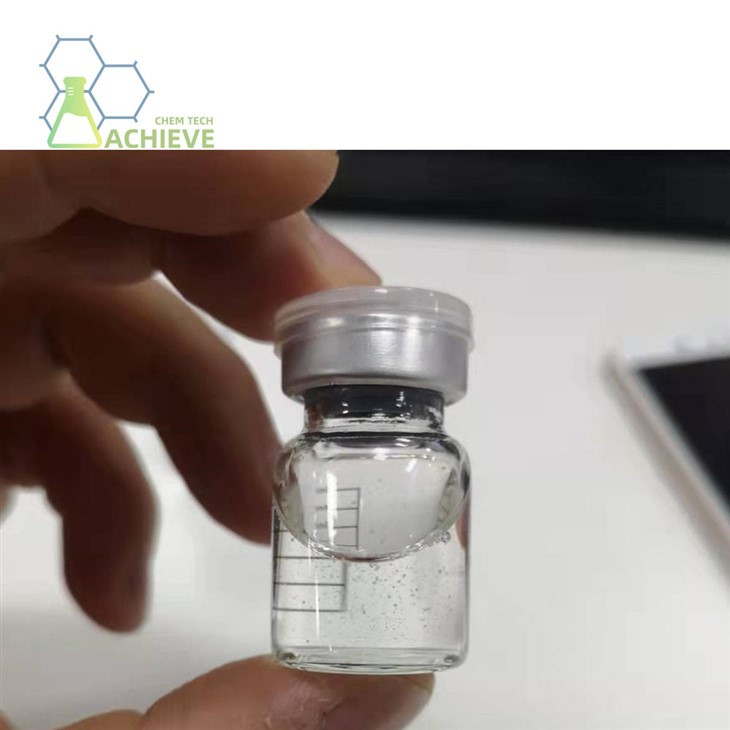
We provide GS-441524, please refer to the following website for detailed specifications and product information.
Product: https://www.bloomtechz.com/oem-odm/injection/gs-441524-injection.html
This method of treatment works by using complex biochemical relationships to stop the virus from growing inside cells that are affected. Scientists have found specific ways that this substance stops the production of viral RNA, which stops the sickness from spreading. This piece looks at the science ideas behind this treatment method and how molecular intervention can change the results for cats who have been diagnosed with FIP.
How GS-441524 Injection Inhibits Viral RNA Polymerase Activity

The Role of RNA-Dependent RNA Polymerase in Coronavirus Replication
Feline coronavirus needs an important enzyme called RNA-dependent RNA polymerase (RdRp) to copy its DNA inside host cells. This enzyme reads viral RNA templates and makes new RNA strands. This lets the virus make thousands of copies inside a single cell that is affected. The virus can't finish its replication cycle without working RdRp, which makes this enzyme a great target for treatment. The enzyme's structure and purpose make it different from machinery in the host cell. This lets it selectively interfere without messing up regular cellular processes.
Natural nucleosides, which are the building blocks of RNA, are used to make the GS-441524 injection work. When given to infected cats, the chemical moves through their system and into affected cells. When it gets inside the cell, enzymes change it into its active triphosphate form, which is then added to the growing virus RNA chain during reproduction. This addition messes up the usual lengthening process, making viral RNA that can't make healthy viral particles.


Molecular Mechanisms of Chain Termination
The active part of this nucleoside mimic is very good at choosing viral polymerase over enzymes from mammals. Scientists have found that when it gets into the viral RNA strand, it ends the chain too soon. The virus polymerase can't keep adding nucleotides after the analog has been added, which stops RNA creation in its tracks. This method works especially well because it targets an important step that the virus can't easily get around by changing.
Studies that look at how enzymes work show that the substance binds very strongly to the virus RdRp active site. It is wrongly seen as a normal substrate by the enzyme, which adds it to the new RNA chain. In contrast to normal nucleotides, the copy doesn't have the chemical groups needed to keep the chain going, which leads to a molecular dead end. This molecular specialization explains why GS-441524 injection treatment is so effective against viruses while still being safe for animals that have been treated.


GS-441524 Injection and the Science of RNA Virus Replication Suppression

Understanding the Viral Replication Cycle
RNA viruses have a set way of replicating that starts when viral particles connect to receptors on target cells. Once the virus gets into a cell, it releases its genetic material into the cytoplasm. There, it uses the cell's machinery to make viral proteins and copies of its genome. The feline coronavirus genome codes for many proteins, such as the RdRp complex, which copies and transcribes the genome. After a full multiplication cycle, many new viruses are made that attack other cells and spread the disease throughout the body.
The GS-441524 injection goes after this cycle at the moment where it is most sensitive, which is when RNA is being made. The treatment stops the virus spread at its source by stopping accurate genome copying. When infected cells can't make viable viral RNA, they can't make infectious particles, which breaks the line of transfer inside the host. This way of intervening works better than methods that focus on virus entry or assembly because it targets the basic process of genetic replication.


Selective Targeting of Viral Versus Host Polymerases
Mammalian cells have their own RNA polymerases that make sure genes are expressed correctly, and cells work properly. Selectivity, or stopping virus enzymes without messing up important host cell processes, is a very important part of making antiviral drugs. The nucleoside analog is better at being incorporated by virus RdRp than by host polymerases, which makes it a good treatment window.
Studies of structures show important changes between the active sites of viral and mammalian polymerases that explain this preference. Because it has changed over time, the virus enzyme can copy RNA quickly but not very accurately. This makes it easier for nucleoside analogs to attach to it. On the other hand, host cell RNA polymerases have built-in checkers and special structure traits that can tell the difference between natural and artificial nucleotides. This biological difference makes it possible for effective antiviral action while limiting damage to cells.

Can GS-441524 Injection Reduce Viral Load in Cats With FIP?

Quantitative Viral Load Measurements in Clinical Studies
Veterinary experts have made tests that can accurately measure the amount of feline coronavirus RNA in biological samples from cats that have the virus. These quantitative reverse transcription polymerase chain reaction (RT-qPCR) tests find viral genetic material in fluids, tissues, and blood. They give accurate numbers on how many people have the disease. Cats that were given treatment regularly showed significant drops in their viral loads in clinical studies that tested how well the treatment worked.
Studies that kept track of virus RNA levels over the course of treatment show that they drop quickly after GS-441524 injection methods are started. In the first few weeks, many cats show two to three log decreases in measured viral RNA, which means that the virus isn't able to replicate as much. This virological reaction is linked to clinical change, since lower viral loads lead to fever going away, better appetite, and less effusion formation. The size and speed of the drop in virus load are important signs of how well the medicine will work.


Clinical Correlates of Viral Suppression
Measuring viral load gives us useful objective information through GS-441524 injection, but the real goal is to improve patients' health and make them live longer. Veterinary doctors have noticed that cats whose viral RNA levels are undetectable or very low usually have the best results. Some of the symptoms of FIP, like fever, tiredness, weight loss, and fluid buildup, often go away when the virus stops replicating.
The connection between virological suppression and clinical response shows that the way the medicine works is causing real health effects. Cats with the best quality of life and mortality rates are those that keep their viral counts low during long treatment sessions. These findings show how important it is to get and keep antiviral activity that works by using the right doses and treatments for the right amount of time.


How GS-441524 Injection Interrupts Coronavirus RNA Synthesis in Infected Cells
Cellular Entry and Metabolic Activation
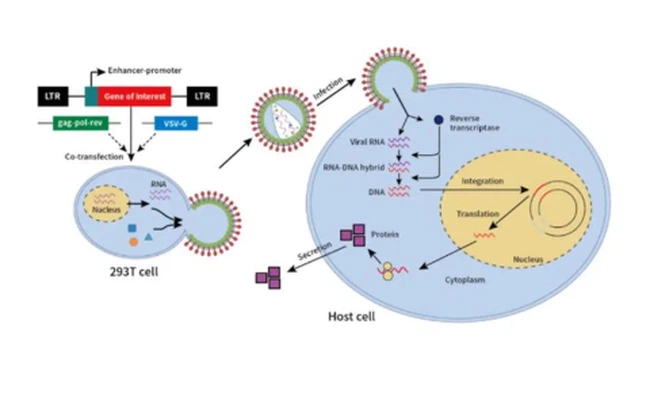
After being injected under the skin, the substance enters the systemic circulation and is sent to all of the body's cells. Because it is permeability-enhancing, the parent nucleoside can easily pass through cell walls and enter sick cells. Once inside, cellular kinases add phosphate groups to the molecule one at a time, which is called metabolic phosphorylation. During this activation process, the nucleoside changes into its active triphosphate form, which is what the virus polymerase recognizes.
How well this metabolic activity works affects how well the antiviral works. Cells with enough kinase activity change enough of the nucleoside into an active chemical to stop the virus from replicating. Scientists have studied the specific enzymes that do phosphorylation and found that the substance can be used by many different types of cellular kinases. This metabolic route makes sure that a lot of different types of cells are activated, which helps the virus attack a lot of infected organs.


Integration Into Nascent Viral RNA Strands
The active triphosphate form fights with natural nucleotide substrates to be a part of RNA chains that are growing. The RdRp enzyme chooses nucleotides based on base-pairing rules and shape matching when the virus RNA is being made. Nucleoside analog triphosphate is very similar to natural nucleotides, so it can be used, but it doesn't have the right molecular traits to keep stretching. This chemical trick cuts virus RNA molecules so short that they can't work right.
Biochemical tests have shown that the added analog forms a strong link with the nucleotide that comes before it, but the 3' end is changed in a way that the polymerase can't stretch. In this case, a permanent termination event happens, and the enzyme stays attached to the broken RNA strand but can't add any more nucleotides. As more of these broken RNA molecules build up, the number of viable viral genomes decreases, GS-441524 injection which makes it harder for viruses to copy themselves.

GS-441524 Injection Mechanisms Behind Advanced Feline Antiviral Therapy
Pharmacokinetic Properties Supporting Clinical Efficacy
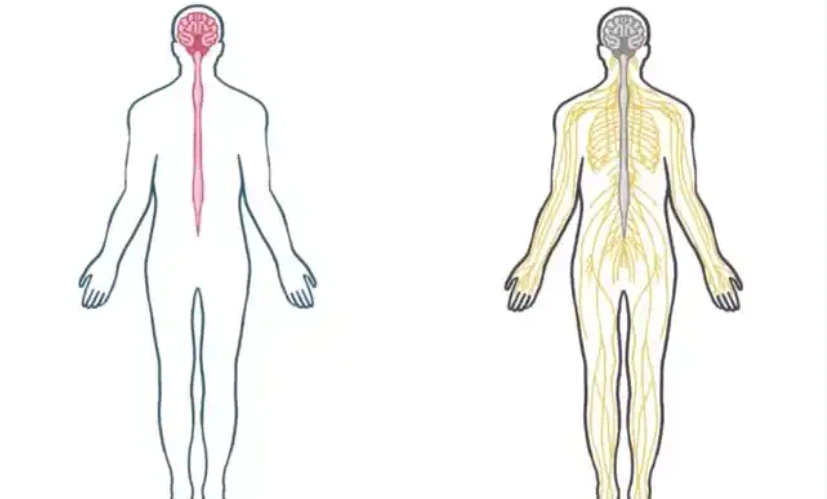
For antiviral treatment to work, the right amount of drug must be kept at places where viruses replicate for long periods of time. Because of how it works in the body, this nucleoside version can be dosed once a day or less often in some cases. After being injected under the skin, the chemical is absorbed reliably, and high plasma concentrations are reached within hours. The plasma half-life and tissue distribution properties make sure that the virus stays in the body for a long time, which keeps the antiviral pressure high.
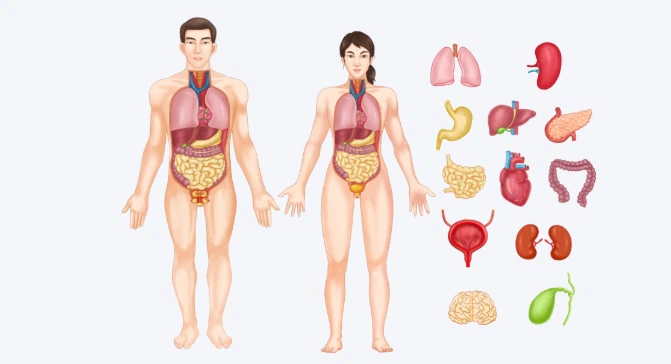
Studies that look at how drugs get into the body show that the substance easily gets into FIP-affected tissues, such as the central nervous system, with the right dose and the organs in the abdomen. This widespread makes sure that places in the body where viruses replicate get enough drug contact. The compound's physicochemical qualities, such as its ability to bind to fat and its molecular size, make this diffusion pattern possible.
Safety Profile and Tolerability Considerations
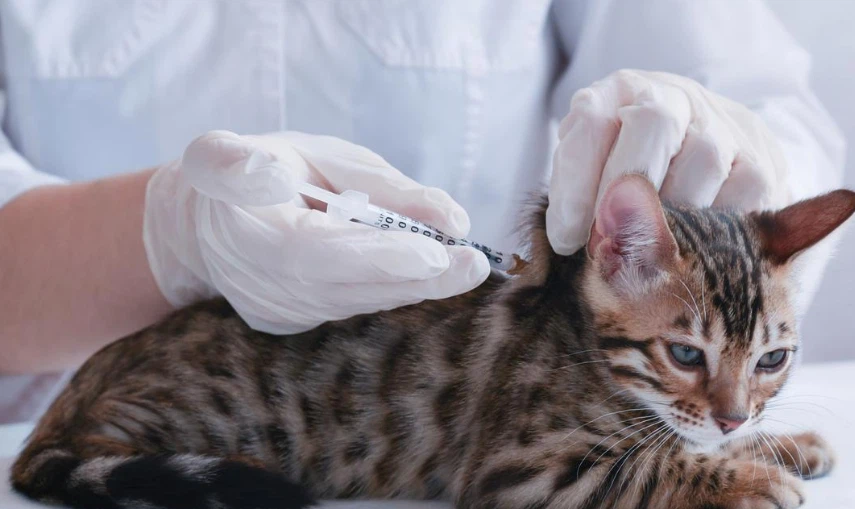
Any drug solution has to weigh how well it works against any possible side effects. Clinical experience with GS-441524 injection methods has shown that cats treated with it usually tolerate it well. Mild responses at the injection site are the most common side effects, and they usually go away on their own. When goods meet the right quality standards and dosing instructions are followed, systematic safety tracking in clinical tests has not shown any major organ toxicity.
The compound's good safety rating comes from the fact that it targets virus polymerase instead of host enzymes. Biochemical and toxicological studies show that at reasonable amounts, there isn't much disruption of normal biological processes. Veterinarians keep an eye on cats that are being treated by doing regular clinical exams and, if needed, lab tests to make sure the cats stay safe during treatment classes that can last for weeks or months.
Conclusion
The creation of nucleoside analog antiviral treatment has changed the way veterinary medicine treats FIP in a big way. GS-441524 injection is a mechanism-based medicine that targets the main cause of illness. It does this by stopping coronavirus replication at the molecular level and targeting viral RNA polymerase. Veterinarians can now offer hope where there was none before because of the compound's ability to lower viral loads, along with its good pharmacokinetic qualities and acceptable safety ratings.
Veterinarians and cat owners who know about the scientific principles behind this treatment can make choices about FIP care that are based on facts. Polymerase inhibition, chain termination, and targeted antiviral action are all examples of how complex drug design can be used in real life. As more experience with these methods is gained, dosing, length, and choosing the right patients will be tweaked to achieve even better results.
The process of taking a study from the lab to the clinic shows how powerful translational medicine can be. We will be better able to fight this difficult disease if we keep looking into trends of resistance, combination tactics, and long-term effects. The success of this treatment method also gives us information that can be used to treat other viral diseases. This information could help guide future efforts to build antivirals for both human and animal medicine.
FAQ
1. What makes GS-441524 effective against feline coronavirus compared to other antiviral approaches?
The chemical works as a nucleoside mimic that targets viral RNA polymerase, which is an enzyme needed for coronavirus production. Unlike treatments that deal with symptoms or change the immune system, this GS-441524 injection stops the virus genome from being made at the molecular level. The active molecule joins viral RNA chains and stops the process before it's finished, which stops the production of live viral particles. This method is based on mechanisms and shows a strong preference for viral enzymes over host cell polymerases. This leads to strong antiviral activity with manageable safety profiles. Clinical data show that when cats are treated, their virus loads drop significantly and their diseases go away.
2. How long does treatment typically continue before viral replication is fully suppressed?
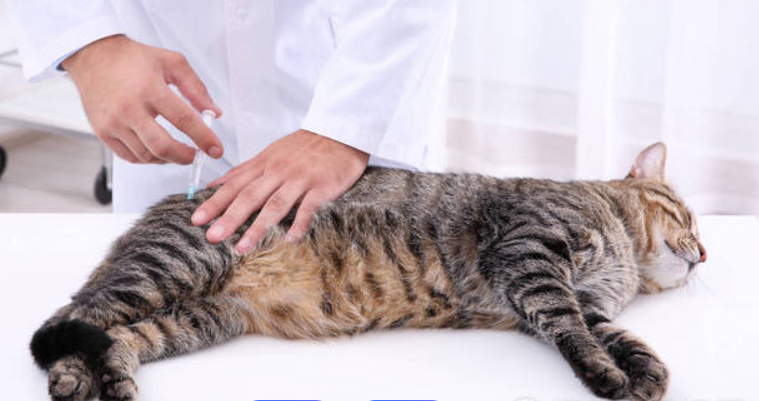
How long a treatment lasts depends on how bad the disease is, what parts are damaged, and how each person responds. Most guidelines call for daily injection for at least 12 weeks. In some cases, therapy needs to last for several months. RT-qPCR tests that measure viral load help doctors decide how long to treat patients. When cats have problems with their eyes or nerves, the drugs often need to be given over longer periods of time to get to the right places. To figure out the right treatment goals, veterinarians keep an eye on clinical signs, lab data, and, when available, viral RNA levels. Early stopping raises the risk of relapse, so following the suggested periods is very important for the best results.
3. What factors should research organizations consider when sourcing pharmaceutical-grade compounds for antiviral studies?
Quality control is the most important thing to think about. Materials must meet certain purity standards and come with full analysis paperwork that includes HPLC, mass spectrometry, and NMR characterization. Manufacturing standards can be trusted when suppliers get certifications that show they follow GMPs, have a history of government inspections, and have quality control systems in place. The project can move forward with the help of technical support choices like custom synthesis and the ability to scale up from study quantities to production quantities. Stability in the supply chain makes sure that materials for current studies are always available. Clear discussion about requirements, wait times, and regulatory paperwork helps with planning the study and meeting compliance standards. Suppliers that have been around for a while and have experience in the pharmaceutical business know what kinds of paperwork and quality standards study applications need.
Partner With BLOOM TECH: Your Trusted GS-441524 Injection Supplier for Research and Development
BLOOM TECH is an approved GS-441524 injection source that can make a wide range of pharmaceutical intermediates and custom compounds. Our 100,000-square-meter GMP-certified facilities meet US, EU, JP, and CFDA standards, so you can be sure that the quality is pharmaceutical-grade for study uses. We have more than 12 years of experience in organic synthesis and pharmaceutical intermediates. For study groups and pharmaceutical producers, we offer analytical data, batch consistency, and expert support. Our three-step quality assurance method makes sure that materials meet strict requirements, and our clear pricing model and long-standing supply chain make sure that important research projects can rely on us.
Our team can help you with everything from lab-scale production to bulk manufacturing, whether you're looking into how antivirals work, making products for animals, or need research-grade nucleoside analogs. Get in touch with our knowledgeable staff at Sales@bloomtechz.com to talk about your project needs and find out how our technical skills can help you reach your study goals.

References
1. Murphy BG, Perron M, Murakami E, Bauer K, Park Y, Eckstrand C, Liepnieks M, Pedersen NC. The nucleoside analog GS-441524 strongly inhibits feline infectious peritonitis (FIP) virus in tissue culture and experimental cat infection studies. Veterinary Microbiology. 2018;219:226-233.
2. Pedersen NC, Perron M, Bannasch M, Montgomery E, Murakami E, Liepnieks M, Liu H. Efficacy and safety of the nucleoside analog GS-441524 for treatment of cats with naturally occurring feline infectious peritonitis. Journal of Feline Medicine and Surgery. 2019;21(4):271-281.
3. Dickinson PJ, Bannasch M, Thomasy SM, Murthy VD, Vernau KM, Liepnieks M, Montgomery E, Knickelbein KE, Murphy B, Pedersen NC. Antiviral treatment using the adenosine nucleoside analogue GS-441524 in cats with clinically diagnosed neurological feline infectious peritonitis. Journal of Veterinary Internal Medicine. 2020;34(4):1587-1593.
4. Krentz D, Zenger K, Alberer M, Felten S, Bergmann M, Dorsch R, Matiasek K, Kolberg L, Hofmann-Lehmann R, Meli ML, Hartmann K. Curing cats with feline infectious peritonitis with an oral multi-component drug containing GS-441524. Viruses. 2021;13(11):2228.
5. Jones S, Novicoff W, Nadeau J, Evans S. Unlicensed GS-441524-like antiviral therapy can be effective for at-home treatment of feline infectious peritonitis. Animals. 2021;11(8):2257.
6. Yan X, Zhai X, Zhao Y, Li M, Wang Z, Li X. Pharmacokinetics and oral bioavailability of GS-441524 in cats. Frontiers in Veterinary Science. 2022;9:959175.