


Antiviral research has sped up in recent years as scientists look for effective ways to fight new viruses. The pharmaceutical and biotechnology industries are very interested in GS-441524 powder, which is one of the potential chemicals being studied. This nucleoside analogue is very effective against several RNA viruses, which is useful information for scientists and engineers working on antiviral drugs.
Research groups, drug companies, and contract development and manufacturing organizations (CDMOs) can make better choices about their development processes when they understand how this compound's antiviral properties work. The scientific community is still looking into how this molecule stops virus replication processes, which could lead to new medicinal uses.
This artical looks at the chemical basis of GS-441524's ability to fight viruses. It looks at how it interacts with viruses and how well it might work against different types of coronavirus. This in-depth look will help anyone-a research scientist, a procurement worker at a drug company, or a technical head at a CDMO-understand why this compound has become so important in antiviral research.

GS-441524 Fip
1.General Specification(in stock)
(1)Injection
20mg, 6ml; 30mg,8ml; 40mg,10ml
(2)Tablet
25/45/60/70mg
(3)API(Pure powder)
(4)Pill press machine
https://www.achievechem.com/pill-press
2.Customization:
We will negotiate individually, OEM/ODM, No brand, for secience researching only.
Internal Code: BM-1-001
GS-441524 CAS 1191237-69-0
Analysis: HPLC, LC-MS, HNMR
Technology support: R&D Dept.-4
We provide GS-441524 powder, please refer to the following website for detailed specifications and product information.
Product:https://www.bloomtechz.com/synthetic-chemical/api-researching-only/gs-441524-fip.html

How GS-441524 Powder Acts as a Nucleoside Analogue Against RNA Viruses
Nucleoside mimics are one of the most important strategies used to make antiviral drugs. These man-made molecules look like natural nucleosides, which are the building blocks of DNA. This lets them stop viruses from copying themselves. The GS-441524 powder works as an adenosine equivalent, which means that it has the same structure as adenosine, which is one of the four nucleosides found in RNA.
The Molecular Mimicry Strategy
The fact that this chemical can trick virus enzymes makes it very useful. When viruses get into cells, they use the machinery inside the cells to make viral proteins and copy their genetic material. RNA-dependent RNA polymerases (RdRp) are needed to copy the genes of RNA viruses like coronaviruses and other major diseases. During replication, these polymerase enzymes add nucleosides to the growing RNA chains.


Molecular mirroring is how GS-441524 powder takes advantage of this process. Because its structure is similar to that of adenosine, virus polymerases can spot it and break it down. The molecule goes through cytoplasmic phosphorylation, which changes it into its active triphosphate form. For it to work against viruses, this metabolic activity is necessary because the triphosphate form can join with viral RNA chains by the RdRp enzyme.
Selective Targeting of Viral Machinery
Nucleoside mimics are very useful because they are selective. The chemical works better against virus polymerases than against human cellular polymerases. This selection lowers the risk of harming host cells while keeping the antiviral effect. According to research, the changes made to the structure of GS-441524 FIP powder make it easier for the virus RdRp to recognize it while making it harder for human DNA and RNA polymerases to incorporate it.


The uniqueness comes from small changes between polymerases found in viruses and cells. It is common for viral enzymes to have more open active sites that can accept changed nucleosides, while human polymerases are more selective about the substrates they can bind. This biological difference makes a therapeutic window, which lets researchers come up with ways to fight viral diseases without hurting cells too much.

GS-441524 Powder for Interrupting Viral RNA Synthesis in Infected Cells
One of the main ways that this nucleoside variant kills viruses is by stopping the production of viral RNA. The chain termination process starts when viral polymerase adds the active triphosphate form to an RNA strand that is growing. This stops the viral genome from copying itself any further.
Chain Termination Mechanism
Natural nucleosides have the chemical structure needed for chains to keep getting longer, but GS-441524 powder does not. When virus RdRp adds this changed nucleoside to the RNA chain that is growing, it can't connect the next nucleoside in line. This makes a barrier that the polymerase can't get past, stopping virus genome production.The chain termination effect is very strong because it happens when the virus is actively replicating. Each ended RNA chain is a failed replication attempt that lowers the amount of virus in cells that are affected.


This constant stopping of RNA synthesis lowers the number of functional virus particles made over time, which stops the infection from spreading to nearby cells.
Researchers have found that the chemical can be added to virus RNA sequences in more than one place. This pattern of non-specific incorporation means that the antiviral action doesn't depend on hitting a single spot. This makes it less likely that tolerance will develop through single-point mutations in the viral genome.
Delayed Chain Termination Dynamics
Studies are interesting because they show that GS-441524 powder may work as a delayed chain breaker. The polymerase can add more nucleosides before replication stops, so it doesn't stop RNA production right away when they are added. This delayed end method is different from instant chain terminators, and it may help the compound work better.


The delayed result lets the changed nucleoside get deeper into viral RNA strands, which makes it harder for the virus's defense systems to find and get rid of. Some RNA viruses have exonuclease activity, which can remove nucleosides that were added wrongly from the ends of RNA chains. The delayed end approach helps GS-441524 FIP powder get around these viral proofreading systems, which makes it more effective against viruses for longer.

Can GS-441524 Powder Help Suppress Multiple Coronavirus Strains?
Antiviral chemicals' ability to work on a wide range of viruses is a big plus when it comes to dealing with new viral threats. Coronaviruses have shown they can spread quickly and easily, so finding chemicals that can fight more than one type is very important.
Conservation of Viral RdRp Across Coronavirus Strains
Coronaviruses have a lot of genetic similarities, especially in the way they copy themselves. The RNA-dependent RNA polymerase (RdRp) enzyme is very similar in many species and types of coronavirus. This shows that chemicals that target the function of RdRp may continue to work against different types of coronavirus.
In research studies looking at the compound's effectiveness, it has been tested against different types of coronaviruses, such as FIPV and other similar viruses.

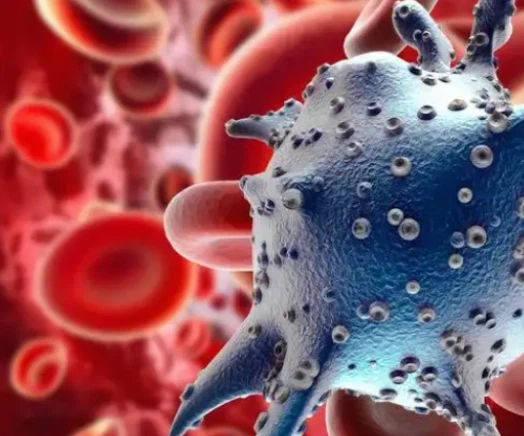
The results show that these different viruses are all neutralized by the same antiviral agents, which supports the idea that RdRp-targeted nucleoside analogues like GS-441524 powder can effectively fight a wide range of coronaviruses.
The mechanism-based method is better than treatments that target viral surface proteins, which change more quickly. The polymerase active site keeps the same structure across versions because changes in this important area often make it harder for viruses to replicate. Because of this genetic constraint, the virus can't change itself to get around nucleoside analogue suppression.
Variant Resistance Considerations
Broad-spectrum activity looks good, but experts are still keeping an eye out for any signs of resistance. RNA viruses change a lot, which makes it possible for tolerance to develop. However, the high level of accuracy needed for RdRp to work makes it hard to build resistance against nucleoside variants.

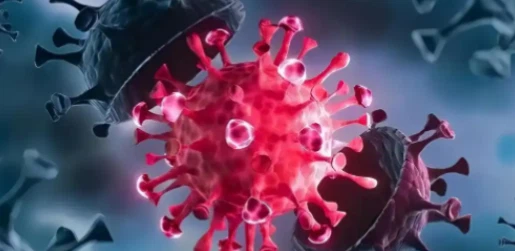
Changes that make compounds less sensitive may also make polymerase less effective, which costs the virus its fitness. This trade-off helps keep the usefulness of compounds high even as virus populations change. Combination techniques that use more than one antiviral mechanism lower the chance of resistance even more. This is a popular method used in drug research.
How GS-441524 Powder Interferes With Viral Polymerase Function
Understanding the complex chemical interactions between nucleoside analogues and virus polymerases sheds light on how antiviral drugs work and helps guide attempts to make new medicines better.
Polymerase Active Site Interactions
The RdRp enzyme has a very well-defined active site where nucleoside triphosphates can bind and join with growing RNA chains. This active site can recognize certain chemical traits of natural nucleosides and speed up the formation of the phosphodiester bond that makes the RNA strand longer.
The triphosphate form of GS-441524 powder binds to the same recognition residues as natural adenosine triphosphate when it gets to this active site.Studies of structures have shown how the amino acids in the polymerase are arranged in space to organize the placement of nucleosides.


The compound's adenosine-like structure lets it meet these binding needs, which secures its place for catalysis.
In order for polymerase to work, metal ions, usually magnesium ions, coordinate and make the chemical process that connects nucleosides easier. The molecule works with this coordination chemistry in the same way that natural substrates do, which lets the enzyme add it to the RNA chain before realizing that regular chain extension can't happen.
Conformational Changes Upon Incorporation
Proteins called polymerase enzymes change shape during the catalytic cycle. They move along the RNA template and add nucleosides, changing from an open to a closed state. Adding changed nucleosides can change these structural dynamics, which can stop the enzyme from continuing to make proteins.According to research, the polymerase may change into non-productive shapes after adding the chemical that stops it from continuing to catalyze.


These changes to the structure add to the chain termination effect, which basically locks the enzyme in a state where it can't release the finished RNA product or start making a new strand.
The effects on conformation go beyond the spot of instant absorption. The changed structure may set off polymerase integrity checkpoints that usually check for correct nucleoside pairing, which can stop replication. These many-layered effects make an inhibitory system that is strong and doesn't depend on a single weak point.

GS-441524 Powder and the Scientific Basis of Broad Antiviral Performance
The compound's ability to fight viruses goes beyond coronaviruses because of the way it works and the fact that it's effective against all RNA virus families.
RNA Virus Polymerase Conservation
A lot of RNA viruses use RdRp enzymes that have similar molecular and functional properties to copy themselves. This conservation is due to the natural limits on polymerase function-the enzyme has to keep faithfulness high while working quickly enough to support viral replication.The adenosine binding spot in RdRp is very stable, which makes sense since adenosine is one of the four building blocks of RNA.


Any virus that uses RNA as its genetic material needs to be able to use adenosine well when it copies itself. As a result of this condition, adenosine analogues like GS-441524 powder can use a shared weakness to attack different types of viruses.
In study settings, the chemical has been shown to work against RNA viruses other than coronaviruses. These findings support the idea that nucleoside analogue methods can be very effective against a wide range of viruses, GS-441524 powder possibly being able to fight more than one virus with a single treatment scaffold.
Metabolic Stability and Cellular Distribution
The antiviral activity of the substance is helped by its pharmaceutical qualities. How long the active triphosphate form stays in cells is determined by metabolic stability. This affects how long the antiviral effect lasts after it is given. Compounds with good stability qualities can keep effective amounts for a long time, which means that they don't need to be dosed as often.The patterns of cellular distribution determine which kinds of cells build up enough of a compound to stop the growth of a virus.


The chemical makeup of the molecule determines how well it can pass through cell walls and get to the right parts of tissue. The best spread makes sure that affected cells get enough of an antiviral action.
Scientists who studied the compound's pharmacokinetic qualities found things that support its ability to fight viruses. It is possible for cells to take up the parent nucleoside, and it is easy for cells to change it into the triphosphate form using their own kinase pathways. When these things come together, they make exposure patterns that work well in testing systems.
Resistance Barrier and Genetic Stability
One of the best things about antiviral substances is that they are hard to become resistant to. As we've already said, changes in RdRp that make compounds less sensitive often come with fitness costs that stop them from forming and spreading. This genetic stability helps antivirals work for longer during treatment rounds.

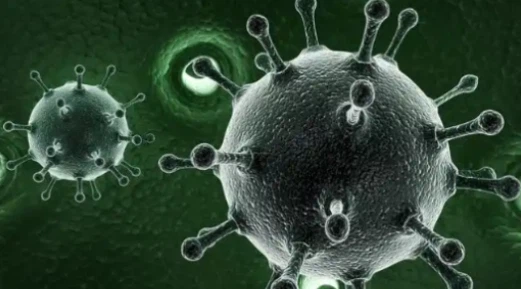
Combination treatment methods raise the bar for resistance even higher by needing mutations to happen at the same time in multiple viral targets. Pharmaceutical companies often put together treatment plans that include drugs that work in ways that support each other. This creates synergistic effects while lowering the risk of resistance. The way the compound works makes it a good option for use with other antiviral drugs that target different viral activities.

Conclusion
The GS-441524 powder is very good at killing viruses because it works like adenosine and stops viruses from making RNA. It works by metabolically activating to a triphosphate form, being added to viral RNA chains by RdRp, and then terminating the chain, which stops the replication of the viral DNA. Because the structure of viral polymerase stays the same across types, the chemical shows promise against a number of coronavirus strains.
Its broad antiviral activity is based on basic traits that all RNA viruses share, especially the fact that RdRp active sites are always the same. More research is being done to learn more about resistance hurdles, metabolic stability, and the best ways to use this class of compounds.
Pharmaceutical companies, study groups, contract development and manufacturing organizations (CDMOs), and others involved in the development of antivirals need to be able to access high-quality materials that are backed up by detailed scientific documentation. The compound's part in research and development shows how important it is to have supply chain partners who know about quality standards and government rules.
Antiviral research is moving forward, and substances like GS-441524 powder are useful for learning how viruses replicate and making new medicines. As we continue to study nucleoside compounds, we hope to learn new things that will help us be better prepared for new viral risks.
FAQ
1. What makes GS-441524 effective against RNA viruses?
+
-
Adenosine nucleoside analogue GS-441524 is phosphorylated within cells into its active triphosphate form. This molecule is added to the genome by viral RNA-dependent RNA polymerase during genome replication. Once it joins the expanding RNA chain, it stops producing, stopping viral replication. The chemical works with viral polymerase because its structure resembles natural adenosine. Its alterations prevent chain extension, making it effective against viruses.
2. Why does GS-441524 show activity against multiple coronavirus strains?
+
-
Many coronavirus species share the RNA-dependent RNA polymerase enzyme, which the chemical targets. Polymerase active site structural features must be maintained to perform effectively, limiting genetic change. Because it targets polymerase rather than viral surface proteins, the compound's action is consistent among coronavirus types. This mechanism-based technique establishes antiviral activity against several viruses.
3. What quality specifications should researchers look for when sourcing this compound?
+
-
Material for study must be evaluated and verified pure, often ≥98%, as determined by HPLC analysis. Mass spectrometry should verify residual solvents, moisture content, and stability on full certificates of analysis. Providers should supply GMP supplies and regulatory application documents for drug development. Consistency across batches, documented storage conditions, and supply chain tracking are further quality criteria that assist trial findings be reliable and advance research.

Need a Reliable GS-441524 Powder Supplier for Your Research or Development Projects?
BLOOM TECH is an expert at offering research-grade and pharmaceutical-grade GS-441524 powder that comes with full analytical paperwork and meets all legal requirements. Our production sites are GMP-certified and meet standards set by the US-FDA, the EU, and the CFDA. This guarantees the quality and stability your projects need.
As qualified providers to pharmaceutical businesses, research institutions, and CDMOs around the world, we know how important it is to meet purity standards, make sure that batches are consistent, and make sure that the supply chain works. To help you with your research and development, our technical team gives you thorough certificates of analysis, stability data, and regulatory support documents.
BLOOM TECH gives you the quality guarantee and professional service you need, whether you're researching antivirals, finding new medicines, or making production processes bigger. Our all-in-one platform gives you clear prices, accurate wait times, and quick expert help at all stages of your project.
Contact our team today to talk about your unique needs and find out how our knowledge of chemical synthesis and pharmaceutical intermediates can help you reach your antiviral research goals. You can email us at Sales@bloomtechz.com to get quotes, detailed details, or samples of materials to look over. Partner with a GS-441524 powder provider that is dedicated to improving antiviral science through dependability and quality.
References
1. Warren TK, Jordan R, Lo MK, et al. Therapeutic efficacy of the small molecule GS-5734 against Ebola virus in rhesus monkeys. Nature. 2016;531(7594):381-385.
2. Pedersen NC, Perron M, Bannasch M, et al. Efficacy and safety of the nucleoside analog GS-441524 for treatment of cats with naturally occurring feline infectious peritonitis. Journal of Feline Medicine and Surgery. 2019;21(4):271-281.
3. Murphy BG, Perron M, Murakami E, et al. The nucleoside analog GS-441524 strongly inhibits feline infectious peritonitis (FIP) virus in tissue culture and experimental cat infection studies. Veterinary Microbiology. 2018;219:226-233.
4. Siegel D, Hui HC, Doerffler E, et al. Discovery and synthesis of a phosphoramidate prodrug of a pyrrolo[2,1-f][triazin-4-amino] adenine C-nucleoside (GS-5734) for the treatment of Ebola and emerging viruses. Journal of Medicinal Chemistry. 2017;60(5):1648-1661.
5. Agostini ML, Andres EL, Sims AC, et al. Coronavirus susceptibility to the antiviral remdesivir (GS-5734) is mediated by the viral polymerase and the proofreading exoribonuclease. mBio. 2018;9(2):e00221-18.
6. Gordon CJ, Tchesnokov EP, Woolner E, et al. Remdesivir is a direct-acting antiviral that inhibits RNA-dependent RNA polymerase from severe acute respiratory syndrome coronavirus 2 with high potency. Journal of Biological Chemistry. 2020;295(20):6785-6797.