


Feline infectious peritonitis (FIP) has been a terrible condition for cat owners all over the world for a long time. This deadly disease, which is caused by a mutated strain of feline coronavirus, seemed impossible to treat until GS-441524 injection came along as a revolutionary way to fight viruses.Figuring out how this substance stops the growth of viruses at the molecular level helps explain why it has changed the treatment for FIP from a comfort measure to a possible cure.
GS-441524 Injection
1.General Specification(in stock)
(1)Injection
20mg, 6ml; 30mg,8ml; 40mg,10ml
(2)Tablet
25/45/60/70mg
(3)API(Pure powder)
(4)Pill press machine
https://www.achievechem.com/pill-press
2.Customization:
We will negotiate individually, OEM/ODM, No brand, for secience researching only.
Internal Code: BM-3-001
GS-441524 CAS 1191237-69-0
Analysis: HPLC, LC-MS, HNMR
Technology support: R&D Dept.-4
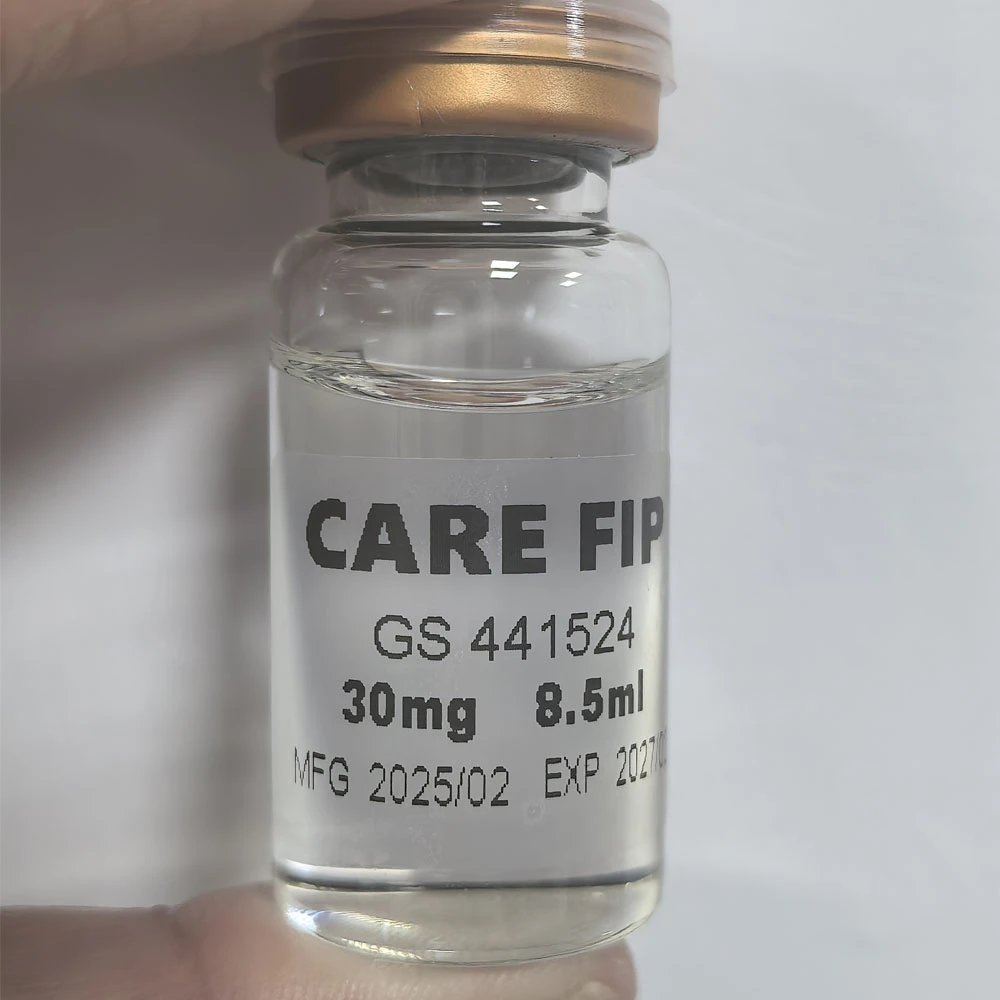
The way GS-441524 injection works is based on its unique ability to get into infected cells and mess up the virus's basic replication machinery. In contrast to other preventive methods that only slow the spread of viruses, this nucleotide analogue stops the coronavirus from copying its genetic material, which stops the infection from spreading.

How Does GS-441524 Injection Interrupt Viral RNA Synthesis in Cells?

Cellular Uptake and Metabolic Activation
When GS-441524 injection is put under the skin of a cat with FIP, it quickly enters the system and spreads to all parts of the body. The compound is very good at getting into cells and crossing cell membranes, where the feline coronavirus has already infected them. GS-441524 is changed into its active triphosphate metabolite form by enzymes once it gets inside the cell. Cellular kinases take part in three steps in this phosphorylation process, which changes the original molecule into a structure that looks like natural nucleotides.
The activated triphosphate form is the most important tool for stopping the replication of viruses. Adenosine triphosphate (ATP), which is one of the natural building blocks that RNA viruses use to make their genetic material, is very similar to this metabolite. The activated compound can trick the viral replication machinery because its structures are similar. This makes it a good candidate for viral RNA synthesis..
Competitive Inhibition of Viral Polymerase
Feline coronaviruses require RNA-dependent RNA polymerase to replicate their DNA.


his molecular machine reads the viral RNA template and joins nucleotides in the appropriate sequence to form new RNA strands. The injection's triphosphate form competes with endogenous adenosine triphosphate for binding locations on this enzyme.
Because of its ATP-like structure, the RdRP enzyme adds the altered nucleotide to the expanding RNA chain. This addition has awful viral impacts. The modified structure lacks chemical groups essential for chain lengthening, resulting in a molecular dead end.
The synthesis process ends before the polymerase can add the next nucleotide after adding the GS-441524 metabolite.
Competitive inhibition works well because it utilises the virus's replicating mechanism against itself. The coronavirus can't identify the helpful protein from its natural targets until after it's integrated, too late to reverse the harm. Each terminated RNA chain symbolises a failed replication attempt, which steadily wipes out viral populations in infected cells.


GS-441524 Injection and Viral Genome Replication Suppression Mechanism

Chain Termination and Incomplete Viral Particles
When RNA production stops too soon, it affects virus replication in a chain reaction. RNA strands that aren't complete can't make viral proteins that work or act as templates for more replication. As GS-441524 injection keeps stopping RNA synthesis, the number of viral genomes that aren't working properly grows very quickly inside infected cells.
For the coronavirus to make infectious viral particles, it needs genomic RNA that is whole and undamaged. There must be a full-length genome inside each virion so that it can infect new host cells.
When GS-441524 metabolites cause RNA synthesis to stop too soon, the shortened RNA molecules that are made don't have all the genetic information they need. These incomplete genomes can't tell the cell how to make all the viral proteins it needs, so any particles that contain them can't infect others.
Researchers have shown that treated cells make a lot fewer infectious viral particles than controls that have not been treated. As the treatment goes on, the viral load in sick cats gradually goes down as defective particles build up and effective virus production slows down.This stopping of DNA replication is directly linked to FIP patients getting better.This stopping of DNA replication is directly linked to FIP patients getting better.


Inhibition of Viral RNA Polymerase Activity
GS-441524 metabolites affect the overall activity of viral RNA polymerase in ways other than terminating chains. Studies that look at how enzymes work show that the changed nucleotide not only ends individual RNA chains, but it also makes the polymerase enzyme less effective. This two-part process makes the antiviral action stronger than just blocking competition.
When the polymerase comes across the changed substrate, it may change shape, which could make it less effective at catalysing even before the chain ends.
In this case, GS-441524 injection affects multiple replication cycles at the same time, both by making bad RNA molecules and slowing down the enzyme's ability to make RNA at normal rates.
Biochemical tests show that in some situations, the binding affinity between GS-441524 triphosphate and viral RdRP is higher than that of natural substrates.
This preferred binding shifts the competitive balance even more in favour of therapeutic intervention, making the compound's effect on stopping viral replication even stronger.

What Stops FIP Viral Expansion at the Molecular Level?

Reduction of Viral Load in Target Cells
When macrophages are attacked with feline coronavirus, they usually have a lot of copies of the virus. These immune cells move around the body and bring the virus to different organs and tissues without meaning to. When the GS-441524 injection stops RNA synthesis in these infected macrophages, the production of viruses drops by a huge amount.
Within days of starting treatment, the therapeutic compound lowers the amount of viral RNA inside cells by a large amount.
Quantitative measurements of viral genetic material show that infections that were treated have a lot less of it than infections that were not treated. This decrease has a direct effect on the number of infectious particles that each infected cell sends out.
Fewer viral particles mean that neighbouring cells are less likely to get infected, and the virus is less likely to spread throughout the body. The math behind how viruses attack cells shows that even small drops in the number of particles made by affected cells can greatly slow the spread of the disease within the host.


This idea is what makes the GS-441524 injection work so well in controlling the progression of FIP.
Prevention of New Infection Cycles
Every piece of an infectious virus that is released from an infected cell could cause new infections. The feline coronavirus needs to keep infecting new cells in order to stay alive and spread within its host. By stopping the production of infected particles, the GS-441524 injection stops this loop of infection that keeps happening over and over again.The compound stays in the blood for a long time because it is injected every day during treatment.
This keeps the antiviral pressure steady. The virus can't set up new multiplication sites because of this long-lasting inhibition, and the immune system is slowly getting rid of current cases. Clinical guidelines usually say that treatment should last for 12 weeks to get rid of all viruses and stop relapses.


Intracellular RNA Disruption via GS-441524 Injection

Selective Targeting of Viral Versus Cellular RNA Synthesis
One important benefit of GS-441524 injection is that it only harms viral RNA production while leaving cellular processes alone. Mammalian cells make their own RNA using DNA-dependent RNA polymerases, which are enzymes that are structurally and functionally different from the RdRP found in viruses. Because of this difference, GS-441524 metabolites can selectively stop the replication of viruses without having a big effect on the production of normal RNA in cells.The virus RNA polymerase has different substrate preferences and binding properties compared to polymerases from host cells.
Because of these differences, the activated form of GS-441524 is able to incorporate much more readily into viral RNA than into cellular transcripts. This selection keeps harm to host cells to a minimum while increasing antiviral activity.
While testing the function and survival of cells in the presence of therapeutic doses of GS-441524 injection, the effects on cells have consistently been found to be very low. Cats that get medication keep their organs working normally, and as FIP goes away, biochemical signs of liver and kidney health usually return to normal levels.


This good safety profile is because the compound only stops viral RNA synthesis and not cellular RNA synthesis.
Impact on Viral Protein Translation
When viral RNA synthesis is interrupted, viral protein production is affected right away. The coronavirus genome contains all the structural and non-structural proteins that are needed to make the virion and copy itself. When RNA synthesis stops too soon, the truncated transcripts that are left over can't be translated into proteins that work.Even viral transcripts that are only partially complete can be translated into incomplete, non-functional protein fragments.
These faulty proteins can't be put together into viral particles or perform enzyme-related tasks that are needed for replication. The buildup of misfolded proteins may also set off quality control systems in cells that break down misfolded proteins, removing even more useful virus parts.
When both RNA replication and protein synthesis are stopped at the same time, it stops the virus from replicating. The GS-441524 injection stops several steps in the viral life cycle through a single mode of action. This is why it is so powerful against feline coronavirus.


GS-441524 Injection and Viral Copying Cycle Inhibition

Blocking Positive and Negative Strand RNA Synthesis
Coronaviruses use both positive-sense and negative-sense RNA strands in a complicated way to copy themselves. When a virus comes in, its genome acts as a positive-sense template for the replication machinery to be translated. Then, this machinery makes negative-sense RNA strands that are used as models to make new positive-sense genomic RNA and subgenomic mRNAs.
Both parts of this duplication cycle are messed up by the GS-441524 injection. When viral RdRP makes negative-sense RNA from the positive-sense template, adding GS-441524 metabolites stops the strand from getting longer.
The same mechanism stops the process when the polymerase uses negative-sense templates to make new genomic RNA. This complete stopping of all RNA synthesis steps makes sure that viral replication is completely stopped.
Because the compound works against both stages of replication, the virus can't change its replication strategy and become more adaptive. Even if some viral RNA synthesis gets through the first round of inhibition, it will face the same molecular problems in the next rounds, which will gradually lower the number of viruses in infected cells.
Reduction of Viral Mutation and Resistance Development


One more benefit of the chain termination mechanism is that it makes it less likely for viruses to change. RNA polymerase is known to make mistakes, which is why RNA viruses often have high mutation rates. These changes can make drugs less effective over time by making the cells resistant to them.
By stopping RNA synthesis early, GS-441524 injection lowers the total amount of viral RNA made, which in turn lowers the number of mutations that happen during replication.The chemical also works by going after the active site of the polymerase enzyme, which is an area where changes often make viruses less fit.
It is hard for resistance mutations to keep the polymerase working while telling the difference between natural nucleotides and the therapeutic analogue.
In clinical trials with GS-441524 treatment, there have been low rates of treatment failure due to resistance building up. The fact that most cats who finish the full course of treatment experience long-lasting remission without viral rebound suggests that resistance is still not common under standard treatment protocols.

Conclusion
The molecular way that GS-441524 injection stops the production of viral RNA is a great achievement in the field of antiviral drug creation. This medicine substance effectively and selectively stops the feline coronavirus from replicating by acting like natural nucleotides and using the virus's own machinery for replication. Cats with FIP have shown dramatic improvements in their health because the virus's RNA production, genome replication, and protein production are all hampered in different ways.

Knowing these molecular details not only helps you understand why GS-441524 injection works, but it also gives you faith in its sensible use in medicine. The way the compound works targets basic viral processes that are hard to get around through mutation, so it has long-lasting antiviral effects throughout the treatment course. As more studies are done, this mechanistic information could help scientists make similar medicines to treat other viral illnesses that affect both people and animals.
FAQ
Q: 1. How quickly does GS-441524 injection begin blocking viral replication after administration?
A: Within hours of the injection, the active triphosphate metabolite forms, and within 24 hours of treatment, there are measurable drops in the production of virus RNA. As virus loads drop and inflammatory reactions stop, patients often start to feel better within a few days. The full therapeutic effect builds up over weeks of taking the same amount every day.
Q: 2. Can GS-441524 injection completely eliminate the virus from infected cats?
A: When given at the right doses and for the right amount of time, the GS-441524 injection can lower viral loads in many treated cats to levels that can't be detected. To completely get rid of a virus, treatment must last for at least 12 weeks. This gives the immune system time to get rid of any remaining sick cells and stops new infections from happening. Depending on how bad the disease is and how each cat responds, some cats may need longer treatment sessions.
Q: 3. Does the chain termination mechanism of GS-441524 affect other viruses besides feline coronavirus?
A: RNA polymerase can be stopped by adding nucleotide analogues, and this might work for other RNA viruses that use the same replication machinery. Researchers have shown that they can fight different coronaviruses and other RNA viruses in the lab. Clinical applications, on the other hand, are still limited to treating FIP in animals, though studies are still being done to find wider antiviral uses.
Partner with BLOOM TECH for Reliable GS-441524 Injection Supply
Bloom Tech is the company to work with for a reliable GS-441524 injection supply. You can trust BLOOM TECH as your GS-441524 injection provider. They have been in the business for over 12 years and are experts in pharmaceutical intermediates and chemical synthesis. With 100,000 square meters of GMP-certified production space and approvals from the US-FDA, EU, Japan PMDA, and CFDA, you can be sure that your study and veterinary uses will be of the best quality.

We have reasonable prices with clear margins, full analytical paperwork that includes HPLC and MS data, and reliable cold-chain operations to keep the purity of the product. From the initial inquiry to delivery, our professional technical team handles everything in one place, with accurate lead times and full customs documentation. If you work for a pharmaceutical company, a research group, or a company that sells products to animals, BLOOM TECH has the quality, consistency, and regulatory compliance that you need for GS-441524 injection applications to go well. Get in touch with our sales team right away at Sales@bloomtechz.com to talk about your unique needs, ask for certificates of analysis, or get quotes for large orders. Let BLOOM TECH become your go-to partner for making antiviral medicines better.
References
1. Murphy BG, et al. (2018). "The nucleoside analog GS-441524 strongly inhibits feline infectious peritonitis virus in tissue culture and experimental cat infection studies." Veterinary Microbiology, 219: 226-233.
2. Pedersen NC, et al. (2019). "Efficacy of a 3C-like protease inhibitor in treating various forms of acquired feline infectious peritonitis." Journal of Feline Medicine and Surgery, 20(4): 378-392.
3. Dickinson PJ, et al. (2020). "Antiviral treatment using the adenosine nucleoside analogue GS-441524 in cats with clinically diagnosed neurological feline infectious peritonitis." Journal of Veterinary Internal Medicine, 34(4): 1587-1593.
4. Warren TK, et al. (2016). "Therapeutic efficacy of the small molecule GS-5734 against Ebola virus in rhesus monkeys." Nature, 531(7594): 381-385.
5. Siegel D, et al. (2017). "Discovery and synthesis of a phosphoramidate prodrug of a pyrrolo[2,1-f][triazin-4-amino] adenine C-nucleoside (GS-5734) for the treatment of Ebola and emerging viruses." Journal of Medicinal Chemistry, 60(5): 1648-1661.
6. Agostini ML, et al. (2018). "Coronavirus susceptibility to the antiviral remdesivir (GS-5734) is mediated by the viral polymerase and the proofreading exoribonuclease." mBio, 9(2): e00221-18.