


FIP, or feline infectious peritonitis, is still one of the hardest diseases for vets to treat in cats. The outlook is especially bad when the virus gets into the central nervous system. Cats with neural FIP may have seizures, weakness, changes in behaviour, and eventually become paralysed. Traditional methods of care didn't offer much hope, which saddened many cat owners. But the introduction of the GS-441524 injection has changed the way FIP is treated, giving real hope even to cats with serious neurological damage. This piece talks about how this antiviral drug helps cats with the brain form of FIP. It looks at how it works, how well it works in clinical settings, and what real-life veterinarians have noticed.
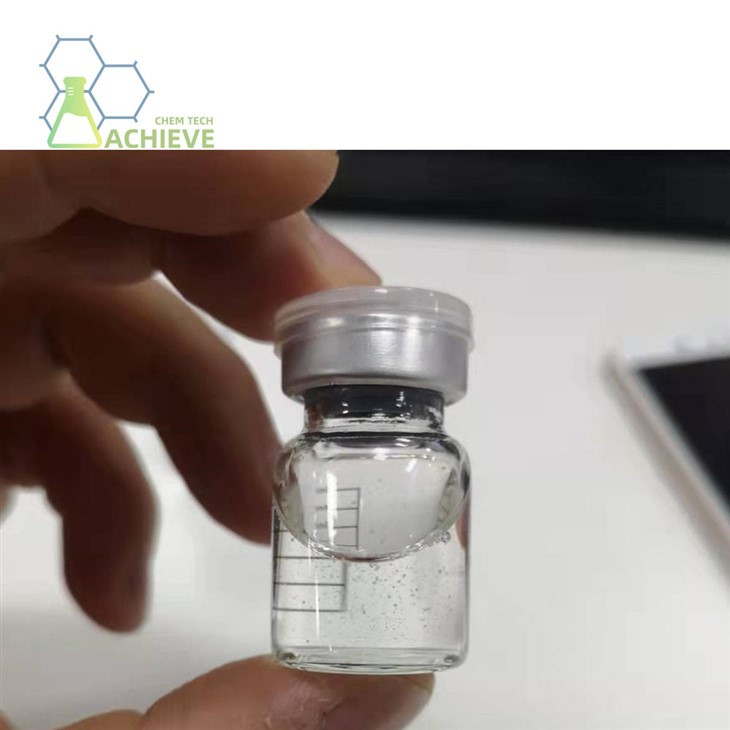
GS-441524 Injection
1.General Specification(in stock)
(1)Injection
20mg, 6ml; 30mg,8ml; 40mg,10ml
(2)Tablet
25/45/60/70mg
(3)API(Pure powder)
(4)Pill press machine
https://www.achievechem.com/pill-press
2.Customization:
We will negotiate individually, OEM/ODM, No brand, for secience researching only.
Internal Code: BM-3-001
GS-441524 CAS 1191237-69-0
Analysis: HPLC, LC-MS, HNMR
Technology support: R&D Dept.-4
We provide GS-441524 Injection, please refer to the following website for detailed specifications and product information.
Product:https://www.bloomtechz.com/oem-odm/injection/gs-441524-injection.html

How Does GS-441524 Injection Reach the Central Nervous System in FIP?
Blood-Brain Barrier Penetration Properties
The blood-brain barrier prevents many drugs from reaching the brain and spinal cord. While preventing bloodborne toxins from entering the brain, this selective barrier makes neurological disorders tougher to treat. Structured molecules help GS-441524 pass this barrier better than many other antivirals. GS-441524 injection, a lipophilic nucleoside analogue, may pass through brain tissue and cerebrospinal fluid, where the feline coronavirus multiplies in neurological FIP patients.
Researchers researching this compound's pharmacokinetics identified effective quantities in cerebrospinal fluid following skin injection. The drug enters all tissues, including the brain and spinal cord, and sick cells convert it to triphosphate.
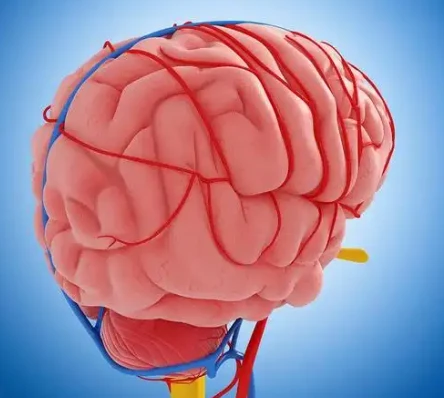

This activation process is necessary for the compound to fight the coronavirus particles that are targeting brain cells.
Dosing Considerations for Neurological Cases
Most of the time, veterinarians suggest larger amounts of GS-441524 injection for cats with neurological signs than for cats with other types of FIP. Standard protocols prescribe 6–8 milligrams per kilogram of body weight daily for neurological conditions. The suggested dosage for wet or dry FIP without central nervous system involvement is 4 to 5 milligrams per kilogram. Because it's challenging to deliver enough medication into brain tissue and cerebrospinal fluid, this greater dosage compensates.
Neurological FIP therapy lasts more than 12 weeks. Many veterinarians recommend 16–24 weeks of treatment. This extra time gives the virus enough time to be killed in the safe environment of the central nervous system, which lowers the chance of a return after treatment is over. Neurological FIP may progress more slowly than other varieties of FIP, so cat owners should be patient.
Subcutaneous Administration and Systemic Distribution
Subcutaneous GS-441524 injections absorb and sustain plasma levels. After injection, the drug enters the circulation and distributes to the brain and spinal cord.


The diffusion pattern ensures that effective medication doses reach viral replication sites throughout the neurological system.
Patient comfort is more crucial than neurological efficacy when choosing an injection location. However, moving sites between the scapula and mid-back may prevent injection site reactions. Because the drug is systemically distributed, appropriate amounts reach the central nervous system through blood flow, no matter where the subcutaneous injection happens. Cat owners should cooperate with vets to deliver daily shots accurately and regularly. Maintaining medication levels is crucial for treating neurological FIP.

Neurological Symptom Improvement Mechanisms of GS-441524 Injection
Inhibition of Viral RNA Replication
The main way that GS-441524 injection works as a medicine is by stopping the production of viral RNA in cells that are affected. Once the molecule gets into cells, it is changed by enzymes into GS-441524 triphosphate, which stops viruses from copying themselves. This triphosphate form looks like the natural nucleotides that virus RNA-dependent RNA polymerase usually adds when the RNA chain grows. When the viral polymerase adds GS-441524 triphosphate instead of a natural nucleotide, the growing RNA chain stops too soon, stopping the full replication of the viral genome.In neurological FIP, the feline coronavirus targets neurones, glial cells, and ventricle cells in the brain and spinal cord.

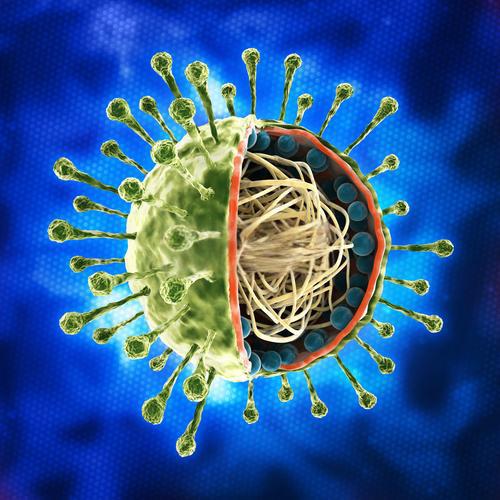
GS-441524 reduces brain tissue viral levels by inhibiting virus development in these cells. This reduces active viral replication, helping the immune system eliminate sick cells faster and prevent new infections from spreading to healthy tissue.
GS-441524 is safe since it solely targets viral polymerases, not mammalian ones. The chemical greatly inhibits coronavirus RNA synthesis but doesn't alter host cell DNA or RNA; thus, normal cell functions may continue during therapy. Maintaining nerve tissue is crucial in neurological situations, making this decision crucial.
Reduction of Inflammatory Responses
FIP produces neurological symptoms from the virus's damage to brain cells and severe inflammatory responses.
The feline coronavirus significantly stimulates the immune system, producing inflammatory cytokines, immune complexes, and brain and spinal cord blood vessel inflammation. Symptoms of neurological FIP in cats include seizures, behavioural abnormalities, and muscular issues due to inflammatory processes.
The GS-441524 injection indirectly reduces nerve-damaging inflammation by preventing viral development. As virus numbers decrease, so does antigen stimulation that produces inflammation. Inflammation fades slowly. When inflammatory indicators drop, veterinarians typically see neurological improvements. This shows that halting the virus's proliferation may improve FIP's direct and indirect nerve damage.


Some cats' brain function improves quickly in the first few weeks of therapy, while others need months. How long the illness has been going on before therapy, how much brain damage has been done, and how each person's immune system responds to treatment may affect response times. GS-441524 injection lowers inflammation by halting viral spread, making it the best treatment for cerebral FIP regardless of time.
Restoration of Neural Function
Neurones that survive GS-441524 injections in cats may recover when the viral and inflammatory assaults end. The brain and spinal cord are flexible.People steadily restore motor skills, behaviour, and cognitive capacities by replacing damaged neurones with healthy ones. Cat owners claim their pets' mental health improves with therapy and virus loads fall.After therapy, cats may experience fewer or less severe seizures. Ataxia patients may improve their coordination and balance by walking more normally.
 z
z
As brain function restores and inflammation subsides, rage, hiding, and loudness typically return to normal. These results suggest that the chemical may slow disease progression and promote brain repair.
How much function is recovered depends on how much damage can't be addressed before therapy. Dead neurones can't grow again, and scarring or gliosis may prevent complete healing. Starting therapy immediately with GS-441524 injections maximises neurological recovery. When neurological FIP is suspected, diagnosis and therapy must be started immediately.

Can GS-441524 Injection Support Brain-Related FIP Cases Effectively?
Clinical Success Rates in Neurological FIP
There are good results in treating cerebral FIP with GS-441524 injections in veterinary research and clinical case reports, but results depend on how bad the disease is and when the treatment is given. Studies that looked at cats with proven neurological FIP that were given the right amounts of GS-441524 found that 60% to 85% of them survived. This is a huge improvement over the past, when neurological FIP was always fatal.


Many cats had positive outcomes since they had the condition for a short period before therapy, imaging tests showed little structural brain damage, and they always followed the treatment regimen.Cats with slight ataxia or minor behavioural alterations perform better than those with seizures, paralysis, or major neurological problems.Many cats fail treatment because they have a lot of persistent nerve damage before therapy, can't manage the higher dosages required for neurological conditions, or can't afford the extended treatment course. Even in difficult settings, GS-441524 injections reduce pain and enhance quality of life. However, as the condition worsens, recovery becomes less probable.
Factors Influencing Treatment Outcomes
The effectiveness of GS-441524 injection in cats with brain-related FIP relies on many parameters. Duration of the sickness is crucial. Cats treated within weeks of brain symptoms perform better than long-term patients. Also essential is where and how much the CNS is impacted. Focal lesions respond better than brain or neuraxis-wide illness.
Supportive care during therapy treats secondary problems and maintains health over protracted treatment. Nutritional assistance helps undernourished cats receive adequate calories, and epilepsy medications halt convulsions.

Tracking biochemical data helps identify and control treatment-related side effects and illness issues early.How well cat owners follow the treatment strategy affects outcomes. Taking daily injections for months requires dedication, money, and mental power. Regular, appropriately dosed medicine helps cats stop the infection better than non-timely treatment. The medical staff educates, encourages, and advises owners on how to follow through with this tough process.
Long-Term Prognosis for Treated Cats
GS-441524 injections help cerebral FIP animals live longer and better. After therapy, most cats remained in remission, and their brain function improved, according to studies.
Some cats recover nearly entirely, returning to their healthy habits and hobbies.Cats that return during or after treatment require further treatment. Neurological FIP relapses more than non-neurological variants. This is likely because brain and spinal cord infections are tougher to eradicate. Retreatment helps return cats, but they may require longer or more treatment to remain in remission.
Veterinarian monitoring after therapy helps detect relapses early, when they are easiest to treat. Regular blood, brain, and physical checks detect minor changes that may indicate a disease return. If they see any troubling neurological symptoms returning, cat owners should take their animals to the clinic immediately. Once cured, many cats with cerebral FIP survive for years if properly cared for.


CNS Viral Suppression Through GS-441524 Injection Explained

Mechanism of Action in Neural Tissues
GS-441524 injection works the same way to kill viruses in brain tissues as it does in other parts of the body. It targets the viral RNA-dependent RNA polymerase that is needed for coronavirus replication. The medicine goes through intracellular phosphorylation to make the active triphosphate molecule in neurons and glial cells that are sick. This active form competes with natural adenosine triphosphate to join virus RNA chains as they are being copied.
The chain breaks when the viral polymerase adds GS-441524 triphosphate instead of ATP because the nucleotide doesn't have the proper chemical structure to develop.
This early termination prevents functional viral genomes from completing and producing active viral particles.The virus cannot infect new central nervous system cells without self-replication. Stops illness from worsening.
This process requires adequate parental chemical and cellular kinase activity to generate triphosphate in brain tissues. Despite their differences, neurones and glial cells may react to therapy because they contain the enzymes that activate GS-441524. This continual action across cell types explains why GS-441524 injection works so effectively against FIP in all organs and tissues.
Monitoring Viral Load During Treatment
Drug efficacy in neurological FIP is tougher to assess than in other kinds.


Weeping fluid viral RNA levels may be checked in effusive FIP cats, and non-neurological dry FIP animals can show inflammatory marker alterations. However, central nervous system virus loads cannot be directly measured. Regular inspections and tracking changes in behaviour, locomotion, facial nerve function, and seizures help veterinarians monitor brain health.
GS-441524 injections modify brain tumours, according to magnetic resonance imaging. Neurological FIP commonly has contrast-enhancing tumours, meningeal growth, or ventricular enlargement on first examinations. Follow-up imaging a few weeks to a few months following therapy generally indicates that these issues have disappeared or been reduced, indicating that the illness has responded.
Because not all treatment centres have current imaging, clinical screening is frequently the only approach to diagnose.
Because it necessitates invasive collection, cerebrospinal fluid research is seldom done to diagnose central nervous system diseases. Neurological FIP cats' initial CSF samples contain elevated protein levels, mononuclear cells, and viral RNA. Taking samples again during treatment may indicate that these levels are reverting to normal, indicating clinical improvement and supporting therapy. When choosing a CSF test, advantages are balanced against risks and discomfort.


Comparing CNS Penetration to Other Antivirals
Many antiviral medications cannot pass the blood-brain barrier and reach central nervous system levels like GS-441524 injection. Most traditional antivirals can't penetrate the CNS due to their chemical nature. GS-441524's nucleoside analogue structure, small molecular size, and fat-soluble nature allow it to enter brain tissue.
Based on their chemical makeup, other nucleoside analogues used to treat viruses in humans, such as acyclovir for herpesvirus, have varied CNS entrance thresholds.
The parent medication, remdesivir, penetrates the blood-brain barrier more than GS-441524. This is why GS-441524 is preferred over remdesivir for neurological FIP.Because GS-441524 can enter brain cells more readily than other medications, it is the best FIP neurological treatment. The GS-441524 animal injection has more clinical experience and success rates than other experimental medicines. As research continues, understanding the molecular features that enable viruses to reach the CNS may help scientists develop better pet neurological viral infection treatments.


Veterinary Observations in Neurological FIP Treatment Using GS-441524 Injection

Timeline of Clinical Improvement
Veterinarians who treat cerebral FIP with GS-441524 injections notice that clinical changes usually happen at the same time every time, but this can vary from person to person. During the first week of treatment, most cats' neurological symptoms stop getting worse and stay the same. This means that they are no longer getting worse. This stability is a very good early sign that the medicine is successfully stopping the virus from replicating.
By weeks two and four, many cats' neurological function changes significantly. As seizures decrease, weakness improves, and behavioural issues improve.
Cats tend to eat healthier and bond with their carers at this period. Blood tests usually reveal that inflammatory indicators normalise and anaemia or thrombocytopenia disappear.Things become better during the following three months of therapy, with the highest gains in the first 8-12 weeks. Treatment may not solve all issues, particularly in cats with a lot of sickness before therapy. Veterinarians advise owners to be patient since brain healing takes time. Stopping therapy too soon might cause a recurrence, so never do it, even if much has changed.


Common Challenges in Treatment Management
Cats with cerebral FIP receiving GS-441524 injections generally present the same challenges to veterinarians.Some cats suffer needle site reactions that include discomfort, swelling, or skin ulcers. Switch injection sites, warm the drug, and use the proper injection procedure to prevent these issues. If strong local responses occur at the injection site, the vet may recommend changing formulae.
Even the most determined cat owners struggle to stick with neurological therapy for the long term.
Daily injections and the financial and emotional burden of caring for a critically ill pet are a lot. Veterinary personnel respond to issues, provide assistance, and remain in contact amid sluggish development.
Professional expertise and occasionally additional diagnostic procedures are needed to distinguish disease progression, medication side effects, and unrelated illnesses. FIP and medication side effects are not the only causes of treatment symptoms; cats might have several diseases that need different treatments. Alternative diagnosis veterinarians investigate new or worsening symptoms while continuing FIP therapy unless there are strong reasons not to.

Case Examples and Success Stories
Clinical findings demonstrate that cats with severe neurological FIP who received GS-441524 recovered greatly. Imaging and CSF fluid analysis revealed neurological FIP in a young cat with seizures, posterior paresis, and stupor.
GS-441524 at 8 milligrams per kilogram per day eliminated seizures in three weeks and improved motor abilities over many months. After 20 weeks of medication, the cat's brain state was unchanged.
In another example, a vet witnessed a cat with paralysis and behavioural problems worsening over many weeks. Advanced imaging revealed huge FIP-like brain tumours.
The symptoms were severe, but GS-441524 at the optimum neurological dosage resulted in progressive improvement. Treatment restored the cat's behaviour and balance, and follow-up scans indicated that the brain lesions had virtually healed after 16 weeks. This cat was healthy for two years following therapy.
These success stories illustrate that veterinary clinics worldwide can cure neurological FIP, which was formerly fatal. The GS-441524 injection has become the standard of therapy for this condition that was formerly considered ineffective due to its high success rate. Veterinarians who have experienced these alterations emphasise the need of early diagnosis and treatment for optimum outcomes.

Conclusion
The GS-441524 injection has changed the way cerebral FIP is treated, giving people real hope where there was none before. This antiviral drug works by getting through the blood-brain barrier, stopping the growth of viruses in neural tissues, and lowering inflammation all over the central nervous system. It does all of these things to treat the underlying diseases that cause neurological symptoms. The clinical experience of thousands of cats that have been treated shows that healing is possible, even in cases that were very bad at the start.
Neurological FIP can be successfully treated if it is found early, given at the right dose, and continued for a longer time, along with receiving full supporting care. Cat owners and vets need to work together to make sure that the cat stays committed to the strict treatment plan while also keeping an eye on progress and dealing with any problems that come up. The work and resources needed are justified by the good mortality rates and quality of life results seen in cats that were treated.
As veterinary medicine keeps getting better, the GS-441524 injection shows how powerful focused antiviral treatment can be. How to treat other viral illnesses that affect the central nervous system in pets may be influenced by what we've learned from treating neurological FIP. Cat owners who have been told their cat has neurological FIP should talk to experienced veterinarians about treatment choices. They should keep their hopes realistic and know that with the right care, success rates are rising.
FAQ
1. How long does it take to see improvement in neurological symptoms after starting GS-441524 injection?
+
-
Most cats' nerve complaints get better within the first week of treatment. Between weeks two and four, you can usually tell that the treatment is working better. The time frame depends on how bad the sickness is and how long it has been since treatment started. Cats with brain problems that are still in their early stages often recover faster than cats with more advanced disease. Most people keep getting better throughout the treatment process, which for neurological cases lasts 16 to 24 weeks. It is still important to be patient because brain healing happens slowly, even when the virus is effectively stopped.
2. What is the recommended dose of GS-441524 injection for cats with neurological FIP?
+
-
For cats with cerebral FIP, veterinarians usually suggest giving them a subcutaneous shot of 6 to 8 milligrams per kilogram of body weight every day. This is a bigger dose than the 4-5 milligrams per kilogram used for non-neurological types of FIP. This is why it's hard to get the right amount of drug in the brain and spinal cord. At least 16 weeks of treatment should be given, and many vets say 20 to 24 weeks is best for cerebral cases. Dosing should always be done according to what the vet says, which is based on evaluating each patient and keeping an eye on their reaction.
3. Can cats relapse after completing GS-441524 injection treatment for neurological FIP?
+
-
Some cats with neurological FIP return after treatment is over, with neurological cases having a slightly higher relapse rate than non-neurological cases. Relapses usually happen in the first few months after stopping medicine, but they can also happen later. Cats that return usually get better with retreatment, but they may need longer treatment sessions. Follow-up visits to the doctor on a regular basis help find relapses early, when they are easiest to handle. Cat owners should keep an eye out for any signs of brain symptoms coming back and get their cat checked out right away if they see any that are worrying.

Partner With BLOOM TECH for Reliable GS-441524 Injection Supplier Solutions
For the best results when treating cerebral FIP, it is essential to get high-quality GS-441524 injection from a reputable source. BLOOM TECH is a good partner for animal clinics, study centres, and drug dealers that need consistent antiviral compounds that are safe for humans. BLOOM TECH has foreign certifications from the US-FDA, EU, and PMDA, as well as GMP-certified production sites that cover 100,000 square meters. This gives important applications the quality guarantee they need. We have been experts in organic synthesis for 12 years and have built relationships with 24 big foreign companies. This shows that we are dedicated to making the best chemicals possible.
As a GS-441524 injection supplier, BLOOM TECH offers competitive prices with clear profit structures, short lead times backed by complete ERP systems, and strict triple-level quality control that makes sure every batch meets the strictest requirements. Our technical team offers all the paperwork needed to clear customs and follow rules, which makes foreign purchasing easier. BLOOM TECH can adjust production to meet your needs while keeping quality standards high, whether you need small amounts for study or large amounts for mass production.
You can talk to our team atSales@bloomtechz.com about your GS-441524 injection needs, ask for reports of analysis, or look into long-term supply deals. We know that treating cerebral FIP requires the highest level of quality, and BLOOM TECH gives your patients the dependability they deserve.
References
1. Pedersen NC, Perron M, Bannasch M, Montgomery E, Murakami E, Liepnieks M, Liu H. Efficacy and safety of the nucleoside analogue GS-441524 for treatment of cats with naturally occurring feline infectious peritonitis. Journal of Feline Medicine and Surgery. 2019;21(4):271-281.
2. Dickinson PJ, Bannasch M, Thomasy SM, Murthy VD, Vernau KM, Liepnieks M, Montgomery E, Knickelbein KE, Murphy B, Pedersen NC. Antiviral treatment using the adenosine nucleoside analogue GS-441524 in cats with clinically diagnosed neurological feline infectious peritonitis. Journal of Veterinary Internal Medicine. 2020;34(4):1587-1593.
3. Murphy BG, Perron M, Murakami E, Bauer K, Park Y, Eckstrand C, Liepnieks M, Pedersen NC. The nucleoside analog GS-441524 strongly inhibits feline infectious peritonitis virus in tissue culture and experimental cat infection studies. Veterinary Microbiology. 2018;219:226-233.
4. Jones S, Novicoff W, Nadeau J, Evans S. Unlicensed GS-441524-like antiviral therapy can be effective for at-home treatment of feline infectious peritonitis. Animals. 2021;11(8):2257.
5. Addie D, Belák S, Boucraut-Baralon C, Egberink H, Frymus T, Gruffydd-Jones T, Hartmann K, Hosie MJ, Lloret A, Lutz H, Marsilio F, Pennisi MG, Radford AD, Thiry E, Truyen U, Horzinek MC. Feline infectious peritonitis: ABCD guidelines on prevention and management. Journal of Feline Medicine and Surgery. 2009;11(7):594-604.
6. Krentz D, Zenger K, Alberer M, Felten S, Bergmann M, Dorsch R, Matiasek K, Kolberg L, Hofmann-Lehmann R, Meli ML, Spiri AM, Rieger A, Leutenegger CM, Hartmann K. Curing cats with feline infectious peritonitis with an oral multi-component drug containing GS-441524. Viruses. 2021;13(11):2228.