


Feline bacterial peritonitis is one of the most challenging viral infections for cats worldwide. Veterinarians and pet owners are continually seeking for methods to halt infections and treat cats. Understanding how GS-441524 powder works at the molecular level is crucial to understanding how it may cure FIPV, a common RNA virus that infects cats.
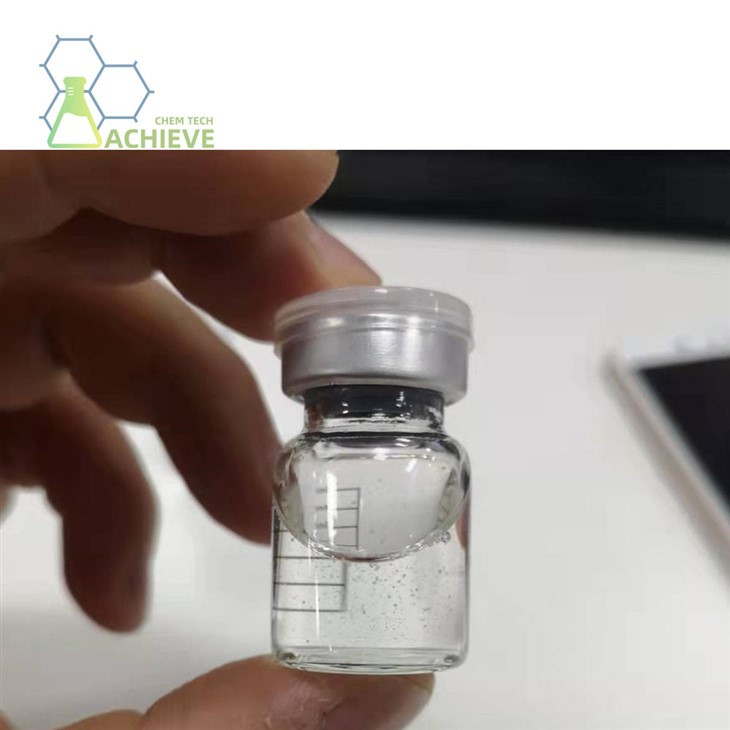
GS-441524 powder
1.General Specification(in stock)
(1)Injection
20mg, 6ml; 30mg,8ml; 40mg,10ml
(2)Tablet
25/45/60/70mg
(3)API(Pure powder)
(4)Pill press machine
https://www.achievechem.com/pill-press
2.Customization:
We will negotiate individually, OEM/ODM, No brand, for secience researching only.
Internal Code: BM-1-001
GS-441524 CAS 1191237-69-0
Analysis: HPLC, LC-MS, HNMR
Technology support: R&D Dept.-4
We provide GS-441524 powder, please refer to the following website for detailed specifications and product information.
Product:https://www.bloomtechz.com/synthetic-chemical/api-researching-only/gs-441524-fip.html
Researchers and veterinarians want to know how this nucleoside analogue prevents viral multiplication. Because it targets particular FIPV lifecycle processes, this drug stops the virus without harming host cells. Since particular antiviral agents were developed, feline infectious peritonitis treatment has evolved. These medications now target the cause, not simply symptoms.
New antiviral research illuminates virus infections' complex tango with cellular machinery. FIPV, like other coronaviruses, spreads by stealing host cell resources. This chemical may disrupt this mechanism, making it a viral disease prevention tool. Veterinary medicine has undergone a paradigm change as we learn more about molecules, enabling more sophisticated treatment techniques.

How GS-441524 Powder Interferes With FIPV RNA Replication Mechanisms
The Nucleoside Analogue Structure and Its Biomimicry
The GS-441524 powder molecular structure mimics natural adenosine nucleotides. Here are RNA's building blocks. The chemical may mislead viral RNA-dependent RNA polymerase, which replicates viral genetic material, due to its structural resemblance. When FIPV replicates its genome in infected cells, the viral polymerase adds this nucleoside analogue instead of adenosine.
The molecule fights viruses thanks to molecular trickery. The chemical structural changes prohibit the chain from growing properly on the budding RNA strand. This prevents polymerization, unlike natural nucleotides that enable base addition. Its little but important chemical changes stop viral multiplication.


Biochemical investigations show that the substance is near enough to the virus to pass viral polymerase's first identification checks, but its structure prevents reproduction. Mocking and disrupting RNA viruses like FIPV works.
Competitive Inhibition of Viral Polymerase Activity
The competitive inhibitor inhibition of viral RNA-dependent RNA polymerase by GS-441524 powder is classic. FIPV reproduction needs the polymerase enzyme to choose cell nucleotides for viral RNA strands. Native nucleotides and the changed molecule fight for inclusion with this nucleoside analogue.
Researchers say viral polymerase favors this chemical over natural adenosine in medical settings. After joining the polymerase's active site, the copy joins the new RNA chain. This integration event starts a chain of events that stops viral genome production.
What makes this medicine work? Because it remains high enough to assault contaminated cell natural nucleotides. Pharmacokinetics assure intracellular accumulation, providing it a long-term advantage over cellular nucleotide reserves. This competitive environment worsens viral proliferation until it ceases.


Chain Termination and Incomplete Viral Genome Formation
When mixed with viral RNA, GS-441524 powder chemically stops the virus. The changed nucleoside lacks chemical groups for phosphodiester bonding with new nucleotides. While viral polymerase adds the next base to the chain, structural difficulties impede bonding.
Early termination leaves unfinished viral genome pieces that cannot be used to make proteins or infectious particles. Shortened RNA strands lack genetic information for viral protein production. Thus, infected cells create non-functional viral pieces that cannot reproduce.
As these failed replication products amass, infected cells stop responding. More defective RNA fragments compete with viral genomes for proteins and cellular resources. Competition lowers viable replication cycles, raising the compound's antiviral impact beyond chain-halting.


GS-441524 Powder and the Disruption of Viral Genome Copying Cycles

Impact on Positive-Sense RNA Template Utilization
A coronavirus with a positive-sense single-stranded RNA genome, FIPV may act as messenger RNA and a replication template. The lifecycle of a virus relies on copying genomic RNA to form full-length genomes for packaging and subgenomic RNA species for protein translation. This complex replication process is disrupted by GS-441524 powder, reducing template reading accuracy.
To make complete copies, viral polymerase must read frames precisely and processively throughout the genetic template. Multiple nucleoside swaps during template-directed synthesis diminish polymerase efficiency. These difficulties cause more mistakes, premature events, and incomplete transcripts.
Beyond chain breakage, the chemical has further impacts. Additionally, minor replication modifications are made. Even levels below the inhibitory limit may impair viral RNA synthesis efficiency by repeatedly restarting polymerase. These kinetic effects accrue across several replication cycles, making the virus less effective in infected cells.
Interference With Subgenomic RNA Production
Intermittent transcription produces stacked subgenomic RNAs that code for structural and auxiliary proteins in coronaviruses like FIP The viral polymerase must exchange templates at key genome transcription-regulating sites to finish this process. GS-441524 powder reduces template-switching in new RNA.


Subgenomic RNA mistakes dramatically impact viral protein expression. Limited subgenomic RNA synthesis limits structural proteins needed to build virions. When the medication stops aberrant transcription, viral protein ratios are wrong, blocking particle formation.
Affected cells' viral RNA patterns alter significantly with this nucleoside analogue, according to the research. Quantitative research shows structural protein-related subgenomic RNA types are infrequent. The targeted interruption of many virus replication cycle phases boosts antiviral potency.
Reduction in Viral Replication Kinetics
Combining interference approaches may reduce virus reproduction.
Time-course measurements show that GS-441524 powder greatly prolong cell viral replication cycles.Infections spread slower throughout tissue populations owing to kinetic slowness. The host's immune system has more time to produce antiviral defenses.The medicine significantly lowers viral production compared to untreated controls, according to quantitative virology studies. Since the chemical impacts several replication processes, it substantially suppresses replication. It targets the whole lifetime, not just one susceptible spot.
Slower replication rates aid viral evolution and tolerance. Low viral production inhibits population change. Due to the genetic bottleneck effect, immune virus types may not arise, enabling extended medication therapy.


Why GS-441524 Powder Focuses on Intracellular Viral Replication Pathways

Cellular Uptake and Intracellular Phosphorylation Cascade
GS-441524 powder must cross cell membranes and start metabolism in the cytoplasm to work as a medication. Once provided, nucleoside transport systems enable natural nucleosides to enter cells for nucleic acid synthesis. To produce active triphosphate, cellular kinases increase phosphorylation.
This metabolism is key to the compound's selectivity. Triphosphate builds accumulated in infected cells, concentrating an active antiviral drug where the virus multiplies. Due to the intracellular concentration differential, the active chemical stays in cells longer and is more effective against viruses between doses.
The molecule's structure was quickly altered by cellular kinases from monophosphate to diphosphate to triphosphate. This active metabolite satisfied viral polymerase's chemical needs. Also, it keeps structural changes that stop RNA synthesis. The phosphorylation cascade turns the molecule into a virus-copying villain.
Selective Concentration at Sites of Active Viral Replication
Cell areas generated by viral replication optimize DNA synthesis and virion assembly. These membrane-enclosed reproductive organelles contain viral proteins, genetic templates, and cell resources. By diffusion and active transport, viral reproduction compartments acquire GS-441524 powder and its induced metabolites.


These antiviral chemicals are best associated with fast-replicating virus genomes. High levels of triphosphate metabolites stimulate integration of new RNA strands by viral polymerase in replication structures. This spatial co-localization places the complex where viral generation is highest, enhancing performance.
Infected cell microscopy shows that viral replication structures get distinct cellular ingredients. Similar strategies concentrate the chemical in cells that need antiviral action. Targeted accuracy decreases cell process disturbances and improves antiviral action.
Minimal Interference With Host Cell RNA Synthesis
GS-441524 powder recognizes viral polymerase better than cellular RNA polymerase, which replicates genes. Human and animal cells use distinct RNA polymerase enzymes to convert genomic DNA to messenger RNA. Viral RNA-dependent RNA polymerases copy RNA templates, although these enzymes are physically and functionally different.
The molecule has a far lower affinity for viral enzymes than cellular polymerases, biochemical selection tests show.


Small structural variations in active sites and substrate recognition differentiate viral and cellular polymerases. Chemical changes in the substance impede viral replication while normal cellular transcription continues.This selectivity profile demonstrates practical safety features' value. Therapy stops the virus from replicating, but cats' cells operate normally. Unlike RNA stoppage, the chemical kills viruses without harming many cells.

Molecular Targeting Behaviour of GS-441524 Powder in FIPV Research
Binding Affinity Characterisation Through Structural Studies
New structural biology approaches have shown the molecular interactions between GS-441524 powder triphosphate and FIPV RNA-dependent RNA polymerase. X-ray diffraction and cryo-electron imaging reveal the polymerase active site's shape and how the chemical fits into this binding pocket. Atomic structural insights explain the molecule's powerful inhibitory effect.The nucleoside variant forms hydrogen bonding and hydrophobic interactions with polymerase active site amino acid residues.


These chemical interactions stabilize the molecule in the catalytic center, making it simpler to connect the RNA chain. The viral enzyme recognizes compounds robustly and precisely due to nanomolar and micromolar binding affinity values.
The inclusion process changes relationships, and computational modeling has helped us understand them. Molecular dynamics simulations explain how the polymerase binds, places, and seeks to lengthen the chain after integrating the molecule. These models demonstrate the chemical steps that conclude the cycle, explaining why the drug stops viral replication so well.
Comparative Analysis Against Other Nucleoside Analogues
Numerous studies have compared GS-441524 powder to different antiviral nucleoside analogues. These investigations explain the chemical's unique role in antiviral medication production. Oral absorption is easier, safer, and more effective against coronaviruses than previous generations.Its structure distinguishes it from related substances. Its pharmacological profile depends on functional group locations, stereochemistry at critical carbon centers, and chemical modifications.


Medicinal chemistry has examined hundreds of structural variants to discover the optimum drug-like characteristics, strength, and specificity.
This chemical inhibits viral growth at lower levels than several nucleoside analogues, according to research. Reduced dosage, adverse effects, and therapeutic outcomes result from this improved potency. The molecule is the culmination of years of study into structure-activity relationships to improve antiviral efficacy.
Resistance Profiling and Genetic Barrier Analysis
Any antiviral medicine must consider the possibility of genetic resistance. Many organizations have studied FIPV polymerase escape modifications that might render it less vulnerable to GS-441524 powder. These tests reveal that the chemical is still effective against most naturally existing viruses, suggesting a strong genetic barrier to resistance.The target site's fundamental structure causes molecular resistance. Polymerase active site amino acid residues are comparable and necessary for enzyme function.


Enzymes have a tougher time adding natural nucleotides when chemicals combine harder. This limits viral replication due to fitness costs. This genetic constraint keeps the chemical active after long-term therapy.
Serial passage tests have indicated that certain FIPV strains are less vulnerable to higher levels of particular chemicals. The sequences of these resistant variants show that some alterations are clustered around the polymerase active region. Low resistance levels imply that therapeutic medication dosages should be adequate to inhibit even partially resistant variations, extending the compound's clinical lifespan.

How GS-441524 Powder Blocks Key Steps in Viral Proliferation Processes
Inhibition of Early Replication Complex Assembly
Newly infected cells produce replication complexes with viral polymerase, support proteins, and genomic RNA templates. Many substances make viral genome synthesis functional. GS-441524 powder inhibits early RNA synthesis needed for replication even during assembly.The virus copies new viral genomes to make numerous RNA intermediates in the initial attack. The compound's presence during early, essential replication steps causes mistakes and termination products that impair replication complex building.
Pre- and post-infection cells exposed to the chemical inhibit viral replication.
An early intervention helps heal.


The medicine prevents disease development best when administered early, when virus loads are low. Unlike untreated cases, inhibiting viral replication prevents exponential growth. Clinical symptoms and tissue damage decrease.
Prevention of Viral Protein Translation Efficiency
GS-441524 powder indirectly impacts viral protein synthesis by changing RNA volume and quality. Chain termination and integration defects often cause premature stop codons, frameshift mutations, and structural abnormalities in virus RNA, slowing translation. Trying to interpret abnormal RNAs reduces ribosome protein production.
Fewer functioning viral proteins reduce virus lifetime. Child virions are hard to create because capsid-assembling proteins are structural proteins. Also lost are replication complex-supporting nonstructural proteins. Feedback loops further restrict virus replication. This multilayer breakdown enhances the compound's antiviral properties.
After medication addition, proteomic investigations show infected cells express unique viral proteins. Similar to upstream RNA template synthesis breakdown, quantitative studies show that many viral proteins are severely decreased. Protein translation changes reduce viral penetration and damage.


Disruption of Virion Assembly and Egress Pathways
The FIPV lifecycle ends with genomic RNA packed onto protein capsids, membrane coverings added, and finished virions leaving cells. GS-441524 powder loses important particle manufacturing parts during late replication, producing problems. Poorly packed genetic RNAs reduce virion production.Viruses need structural proteins and genetic RNA. Rare building blocks from compound imbalances in these places are safe.
Electron microscopy showed treated cells had incomplete or inaccurate viral structures. Such structures waste viral resources and don't spread it.
Interrupting several virus lifecycle stages enhances its defenses against viral replication. Multiple viral populations must overcome overlapping chemical obstacles to replicate. This comprehensive reduction method enhances antivirals and reduces virus resistance.


Conclusion
The molecular processes by which GS-441524 powder attacks FIPV replication pathways are very specific and have a wide range of antiviral effects. This nucleoside analogue is a clever way to stop cats from getting infectious peritonitis because it uses basic aspects of virus RNA synthesis while still being selective against host cell processes. The molecule can stop multiple steps of viral replication, from the first synthesis of RNA to the building of the virion. This gives it strong antiviral action, which has changed the ways that cats who are infected can be treated.
Knowing these intricate workings gives you faith in the reasoning behind their healing use. A lot of study has been done on the chemical to find out how it interacts with viral polymerase, how it changes the speed of replication, and how selective it is. This research supports the idea that it could be useful for fighting FIPV infections. This mechanistic understanding helps both veterinarians and pet owners because it helps them plan treatments and explain what they see in the office.
Researching viral replication pathways and antiviral mechanisms will likely lead to more discoveries that could help make medicinal methods even better. It is likely that as study goes on, molecularly-based changes to treatment plans will lead to better results and make nucleoside analogue medicines more useful for other viruses that hurt animal health.
FAQ
1. What makes GS-441524 powder specifically effective against FIPV compared to other viruses?
+
-
The chemical works especially well against FIPV because it fits structurally with coronavirus RNA-dependent RNA polymerase active sites. The binding pocket of FIPV polymerase is designed in a way that makes this nucleoside variant more likely to be included than natural nucleotides. The coronavirus's approach for replication includes constant RNA synthesis for both genomic and subgenomic RNA generation. This gives the compound many chances to stop viral replication. Coronaviruses also don't have as good of proofreading systems as some other RNA viruses, which makes it harder for them to find and get rid of inserted copies from new RNA chains.
2. How does GS-441524 powder maintain selectivity for viral processes without harming host cells?
+
-
The choice comes from the fact that virus RNA-dependent RNA polymerases and cellular DNA-dependent RNA polymerases work in very different ways. The active sites and substrate recognition regions of viral enzymes that copy RNA templates are structurally different from those of cellular polymerases that transcribe DNA. The chemical changes made to the substance take advantage of these structural differences, making it easier for viral polymerases to join and incorporate. Even less of a preference for the chemical is shown by cellular DNA polymerases that help copy the genome. This multi-level selectivity creates a therapeutic window where virus reproduction is stopped at levels that don't get in the way of regular cell metabolism.
3. Can prolonged treatment with GS-441524 powder lead to resistant FIPV variants?
+
-
There is a possible risk of resistance developing with any antiviral compound, but the study shows that this nucleoside analogue has a pretty high genetic barrier to resistance. The molecule targets the polymerase active site, which has highly conserved amino acids that are needed for the catalytic activity. Mutations that make it much harder for compounds to connect usually make it harder for enzymes to absorb natural nucleotides efficiently. This creates fitness costs that limit the ability of viruses to copy themselves. Observations in the clinic during long treatment courses have not shown the general appearance of resistant variants, but close tracking is still necessary. Keeping therapeutic amounts at the right level during the treatment time helps stop the selective pressure that encourages resistance development.

Partner With BLOOM TECH as Your Trusted GS-441524 Powder Supplier
It is very important to find a dependable GS-441524 powder provider when you need to get pharmaceutical-grade antiviral compounds for study or therapeutic uses. BLOOM TECH has been specialising in organic synthesis and pharmaceutical intermediates for more than 12 years and runs GMP-certified factories that meet standards in the US, EU, Japan, and China. Our complete quality assurance system uses three levels of checks to make sure that every batch meets international pharmaceutical standards.
These levels are testing in the plant, research by our own QA/QC department, and certification by a third-party authority. We have clear price structures with set profit margins, accurate lead time promises that are recorded in our ERP platform, and all the paperwork needed to clear customs. 24 big pharmaceutical businesses from around the world are among our clients because they trust our quality and skilled service.
Whether you need small amounts for study or large amounts for mass production, BLOOM TECH has the dependability, knowledge, and legal compliance that are needed for important pharmaceutical projects. Email our sales team at Sales@bloomtechz.com to talk about your unique needs and find out how our technology skills can help you succeed.
References
1. Murphy BG, Perron M, Murakami E, Bauer K, Park Y, Eckstrand C, Liepnieks M, Pedersen NC. The nucleoside analog GS-441524 strongly inhibits feline infectious peritonitis (FIP) virus in tissue culture and experimental cat infection studies. Veterinary Microbiology, 2018; 219: 226-233.
2. Pedersen NC, Perron M, Bannasch M, Montgomery E, Murakami E, Liepnieks M, Liu H. Efficacy and safety of the nucleoside analog GS-441524 for treatment of cats with naturally occurring feline infectious peritonitis. Journal of Feline Medicine and Surgery, 2019; 21(4): 271-281.
3. Dickinson PJ, Bannasch M, Thomasy SM, Murthy VD, Vernau KM, Liepnieks M, Montgomery E, Knickelbein KE, Murphy B, Pedersen NC. Antiviral treatment using the adenosine nucleoside analogue GS-441524 in cats with clinically diagnosed neurological feline infectious peritonitis. Journal of Veterinary Internal Medicine, 2020; 34(4): 1587-1593.
4. Kaptein SJF, Jacobs S, Langendries L, Seldeslachts L, Ter Horst S, Liesenborghs L, Hernandez-Alvarado N, Delang L, Leyssen P, Jochmans D, Neyts J. Favipiravir at high doses has potent antiviral activity in SARS-CoV-2-infected hamsters, whereas hydroxychloroquine lacks activity. Proceedings of the National Academy of Sciences, 2020; 117(43): 26955-26965.
5. Siegel D, Hui HC, Doerffler E, Clarke MO, Chun K, Zhang L, Neville S, Carra E, Lew W, Ross B, Wang Q, Wolfe L, Jordan R, Soloveva V, Knox J, Perry J, Perron M, Stray KM, Barauskas O, Feng JY, Xu Y, Lee G, Rheingold AL, Ray AS, Bannister R, Strickley R, Swaminathan S, 2017; 60(5): 1648-1661.
6. Warren TK, Jordan R, Lo MK, Ray AS, Mackman RL, Soloveva V, Siegel D, Perron M, Bannister R, Hui HC, Larson N, Strickley R, Wells J, StuthmanKS, Van Tongeren SA, Garza NL, Donnelly G, Shurtleff AC, Retterer CJ, Gharaibeh D, Zamani R. Nature, 2016; 531(7594): 381-385.