


Cortisol is a major regulator of metabolism, immunological response and stress adaption. Too much of it from the adrenal glands may upset the body's hormonal balance in ways that lead to major health implications. The trilostane pill is one of the most investigated pharmacological substances in controlling this imbalance, addressing specifically the enzymatic pathways that control steroid hormone synthesis with trilostane tablets. Knowledge of this process helps the veterinarian and researcher understand why trilostane has become a mainstay of endocrine therapy.
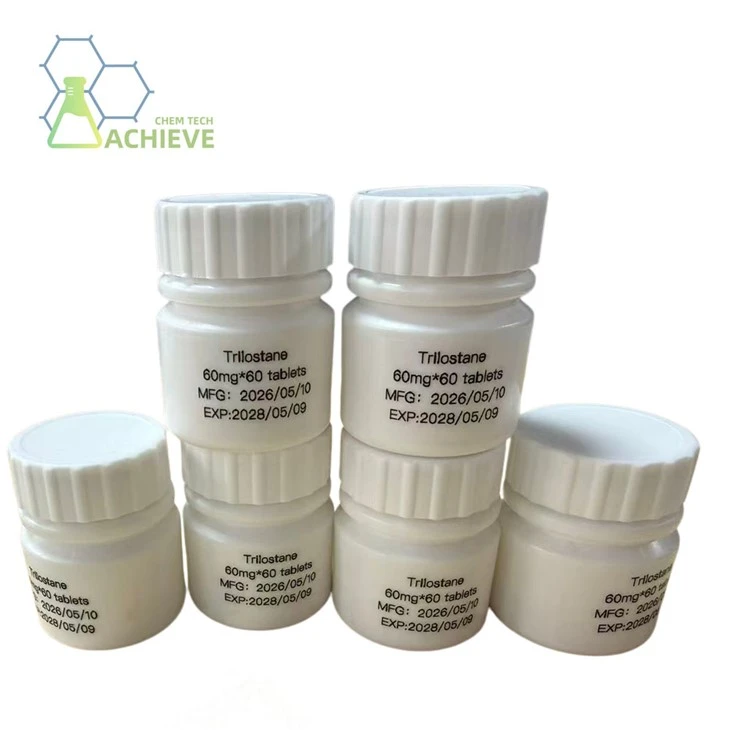
Trilostane Tablets
1.General Specification(in stock)
(1)Injection
Customizable
(2)Tablet
Customizable
(3)API(Pure powder)
PE/Al foil bag/ paper box for Pure powder
HPLC≥99.0%
(4)Pill press machine
https://www.achievechem.com/pill-press
2.Customization:
We will negotiate individually, OEM/ODM, No brand, for secience researching only.
Internal Code: BM-2-016
Trilostane CAS 13647-35-3
Analysis: HPLC, LC-MS, HNMR
Technology support: R&D Dept.-4
How Do Trilostane Tablets Work on Cortisol Synthesis Enzymes in the Adrenal Cortex?
The Enzyme at the Center of the Pathway
The adrenal cortex produces cortisol in a multi-step metabolic cascade. The enzyme 3β-hydroxysteroid dehydrogenase (3β-HSD) is a key enzyme at the crossroads of this route, converting pregnenolone to progesterone, an important precursor in the synthesis of cortisol. Trilostane tablets are a competitive, reversible inhibitor of this enzyme. Trilostane fits into the active site of 3β-HSD and blocks cortisol production in a controllable and reversible way, without permanently inactivating the enzyme.
This reversibility is of clinical significance. When compared to irreversible adrenolytic drugs, trilostane enables the clinician to titrate the dose to the patient's cortisol levels over time. That is why it is favoured in treating diseases caused by overproduction of glucocorticoids, since it acts in a targeted way.


Downstream Effects on Mineralocorticoid Synthesis
Trilostane also inhibits the formation of aldosterone. 3β-HSD is involved in the synthesis of glucocorticoids and mineralocorticoids . Aldosterone regulates sodium and potassium balance and so its manipulation has downstream effects on blood pressure and fluid equilibrium. Trilostane tablets are flexible in adrenal endocrine control due to their dual inhibition of both the cortisol and aldosterone pathways, as shown in research reported in clinical pharmacology literature.
Clinicians caring for these patients must take this dual suppression into consideration, especially for monitoring of electrolytes and cortisol. The compound's unique binding profile at the Δ5,4-isomerase step further supports its targeted pharmacological nature.
Trilostane Tablets and Hormone Regulation: Exploring the Pathway Behind Cortisol Control
The Hypothalamic-Pituitary-Adrenal Axis Connection
Cortisol production does not occur in isolation. It acts on the hypothalamic-pituitary-adrenal (HPA) axis, a feedback loop in which the brain monitors circulating cortisol and instructs the adrenal glands. Trilostane pills block adrenal enzymes, reducing cortisol levels . The pituitary gland may compensate for this by boosting production of adrenocorticotropic hormone ( ACTH ), which stimulates the adrenal cortex . This compensatory nature of the impact of trilostane implies that it is better characterised as modifying than completely shutting down the route.
This subtle interaction speaks in favour of close and continued monitoring during trilostane treatment. Doctors typically utilise ACTH stimulation tests to assess adrenal reserve and to confirm that cortisol suppression is therapeutic, not dangerously low.
Comparing Cortisol Regulation Strategies
A variety of pharmacological treatments are available to reduce cortisol production include adrenolytic agents and inhibitors of adrenal enzymes. The unique feature of trilostane tablets is reversibility and selective action at one step in the steroidogenic cascade. While some drugs may block more than one enzymatic step, or entail a higher risk of persistent adrenal suppression, trilostane's competitive inhibition profile means that the adrenal tissue may regain function when the chemical is eliminated from the body.
This pharmacological property has made trilostane a topic of continuing therapeutic attention, notably in veterinary medicine, where the adaptability of doses for different body weights is a practical need.
The Molecular Mechanism of Trilostane Tablets in Modulating Steroid Hormone Production
Structural Basis of Enzyme Inhibition
The molecular structure of it (4α,5α-epoxy-2-cyano-androst-2-ene-3,17β-diol) is sufficiently similar to the natural substrate of 3β-HSD to fit in the active site of the enzyme. The chemical formula of the substance is C20H27NO3 and its molecular weight is 329.43. The steroid backbone is compact and may attach to the enzyme binding pocket with great affinity. This steric mimicry provides the molecular basis for the therapeutic activity of trilostane.
Upon binding , trilostane inhibits the dehydrogenation process that converts Δ5-3β-hydroxysteroids to their Δ4-3-ketosteroid counterparts , which is essential for the subsequent synthesis of cortisol and aldosterone . The inhibition is dose-dependent, i.e. the greater the plasma trilostane tablet level, the more complete the suppression of this conversion phase.
Reversibility and Therapeutic Precision
Trilostane inhibits 3β-HSD via non-covalent binding, an action that is lost when plasma concentrations are low. This pharmacodynamic property provides the doctor with considerable control over cortisol suppression. In reality, this means a therapy procedure where dosage modifications may significantly change hormonal output within days rather than weeks.
Data from veterinary clinical trials show that monitoring of adrenal function, especially the ACTH stimulation test, is a useful technique to monitor this dose-response relationship. Monitoring the cortisol level at 1 and 4 hours after ACTH stimulation has become a routine assessment point for patients taking trilostane pills.
How Trilostane Tablets Support Personalized Treatment Strategies for Dogs With Hormonal Disorders
Tailoring Dosage to Canine Patients
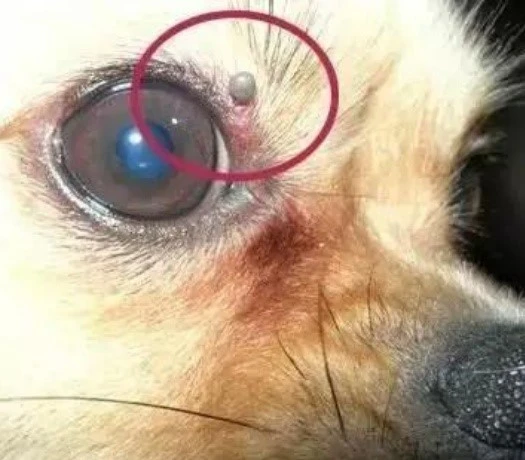
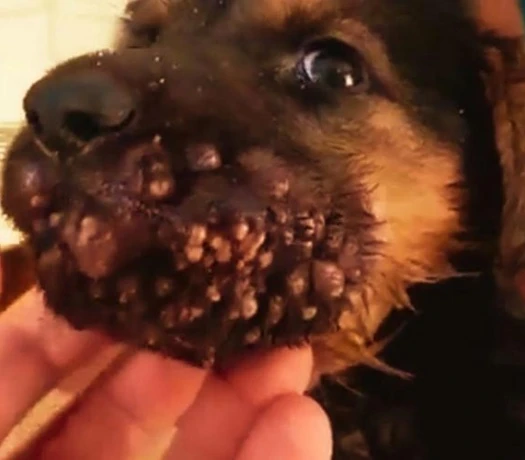
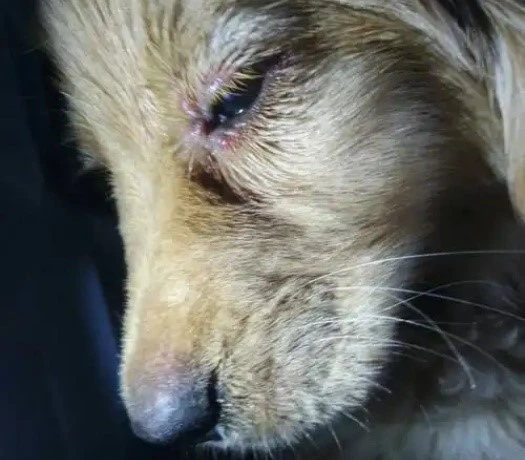
Hyperadrenocorticism or Cushing's syndrome is one of the most common disorders in middle-aged and older dogs It is due to hypersecretion of cortisol. It results in increased thirst, increased urine, changes in appetite and skin abnormalities. Trilostane tablets are legally licensed by veterinary regulatory authorities for the care of this sickness and clinical data demonstrates that more than 90% of dogs with this problem alleviate their measurable symptoms with suitable dosage.
Suggested initial dosage is 0.8 to 1 mg/kg PO q12h with food. Individual response varies with body weight, severity of illness and hepatic metabolism and hence individualised dosage titration is critical for best results. Follow-up evaluations are often undertaken 10 to 14 days after starting treatment or changing a dosage.
Monitoring Protocols and Safety Considerations
Long-term safety monitoring is an essential component of trilostane treatment in dogs. Liver and renal panels, CBCs, and cortisol response testing give a composite picture of how well the animal tolerates prolonged therapy. May need dosage adjustment or temporary discontinuation due to adverse effects (eg, fatigue, anorexia, electrolyte disturbance).
That "reversibility" of trilostane action on enzymes has practical use here. In case of evidence of adrenal insufficiency, the substance may be stopped, allowing for adrenal recovery, unlike permanent adrenolytic therapy. This safety characteristic emphasises the constant consideration of trilostane tablets as a first-line choice in the treatment of canine hyperadrenocorticism by veterinary endocrinologists.
Trilostane Tablets Applications in Veterinary Endocrine Management and Cortisol Monitoring
Integration Into Veterinary Clinical Practice
The veterinary endocrine management has become more complex, and cortisol monitoring is now accepted as a quantitative measure of medication response. The ACTH stimulation test is the gold standard for the assessment of adrenal output in dogs on trilostane medication. The target cortisol levels after stimulation are often between 40-150 nmol/L, indicating good disease management without inappropriate suppression of the adrenals.
The measures are then included into regular monitoring regimens by the practitioner, usually every 10 days, one month, three months and then every six months. This kind of treatment allows for continued hormone balance without the development of iatrogenic adrenal insufficiency.
Supply Chain and Compound Quality in Veterinary Use
The purity and stability of trilostane as an active medicinal ingredient are crucial for therapeutic results. Compounds made under strict GMP conditions and validated by multi-stage quality control procedures limit variability in biological reaction. For veterinary clinics and research institutes looking for trilostane in API or finished tablet form, the reliability of the supplier and the quality of the analytical documentation, including HPLC purity certification ≥99.0% and LC-MS characterisation are key factors in their purchase decision.
Conclusion
The cortisol-controlling actions of trilostane tablets are caused by a specific and reversible suppression of 3β-hydroxysteroid dehydrogenase in the adrenal steroidogenic pathway. Trilostane differs from general adrenal suppressors in the specific molecular mechanism it acts on and offers a therapy strategy based on continual monitoring and personalised dosing adjustments. Validated uses in veterinary endocrine therapy, especially for dogs with hyperadrenocorticism, show its clinical efficacy and pharmacological stability. When acquiring high-purity trilostane for research or pharmaceutical usage, experts depend on compound quality and supplier trustworthiness to ensure consistent therapeutic effects.
Frequently Asked Questions
1.What makes trilostane tablets different from other adrenal enzyme inhibitors?
+
-
Trilostane competitively and reversibly inhibits 3β-HSD at a single, specific point in the steroidogenic pathway. This targeted action allows clinicians to titrate cortisol suppression accurately and allows adrenal recovery if the compound is stopped, a feature not shared by all enzyme inhibitors in this class.
2.How are trilostane tablet dosages adjusted during treatment in dogs?
+
-
Dose modifications are based on ACTH stimulation testing, clinical assessment of symptoms and safety labs. Most veterinarians check back in 10 to 14 days after starting treatment. If cortisol is still over the desired range of 40-150 nmol/L after stimulation, the dosage may be raised gradually, usually by 10-50% of the present dose.
3.What purity standards should pharmaceutical-grade trilostane tablets meet?
+
-
Trilostane of pharmaceutical grade should have an HPLC purity of at least 99.0% with LC-MS and 1H NMR characterisation data. These analytical standards establish the authenticity of the molecule, its structural integrity and the absence of contaminants associated with production that might influence biological activity or patient safety.
Partner With Bloomtechz for Reliable Trilostane Tablets Supply
When hormonal management depends on compound quality, you need a trilostane tablets supplier you can rely on with confidence. Bloomtechz has delivered verified pharmaceutical-grade chemical compounds since 2008, serving 24 qualified international partners across pharmaceutical, research, and specialty chemical sectors. Our trilostane tablets and API are produced at a 100,000 m² GMP-certified facility holding US-FDA, EU, JP, and CFDA certifications, with triple-layer quality validation at every production stage. We offer customizable tablet dosages - 5 mg, 10 mg, 20 mg, 30 mg, and 60 mg - alongside pure powder API with HPLC purity ≥99.0%. Whether you need bulk supply or OEM formulation support, Bloomtechz provides accurate pricing, transparent lead times, and end-to-end documentation for seamless customs clearance. Reach out today at Sales@bloomtechz.com and let us help you meet your R&D or commercial goals.
References
1. Braddock J A, Church D B, Robertson I D, et al. Trilostane treatment in dogs with pituitary-dependent hyperadrenocorticism. Australian Veterinary Journal, 2003, 81(10): 600–607.
2. Neiger R, Ramsey I, O'Connor J, et al. Trilostane treatment of 78 dogs with pituitary-dependent hyperadrenocorticism. Veterinary Record, 2002, 150(26): 799–804.
3. Fracassi F, Corradini S, Floriano D, et al. Prognostic factors for survival in dogs with pituitary-dependent hypercortisolism treated with trilostane. Veterinary Record, 2015, 176(2): 49.
4. Helm J R, McLauchlan G, Boden L A, et al. A comparison of factors that influence survival in dogs with adrenal-dependent hyperadrenocorticism treated with mitotane or trilostane. Journal of Veterinary Internal Medicine, 2011, 25(2): 251–260.
5. Ramsey I K. Trilostane in dogs. Veterinary Clinics of North America: Small Animal Practice, 2010, 40(2): 269–283.
6. Wenger M, Sieber-Ruckstuhl N S, Muller C, et al. Effect of trilostane on serum concentrations of aldosterone, cortisol, and potassium in dogs with adrenal-dependent hyperadrenocorticism. American Journal of Veterinary Research, 2004, 65(9): 1245–1250.