


It may be heartbreaking for any pet owner to see their beloved dog suffer from excessive thirst, pot-bellied look and losing hair. These are classic indicators of Cushing's disease, a hormonal imbalance that may have serious consequences for your dog's quality of life. For the last 20 years, trilostane tablets have been one of the most reliable medicinal options veterinarians choose to for treating this illness with trilostane tablets. Learning how this chemical works-and why it matters-can help dog owners make better choices with their veterinarian team.
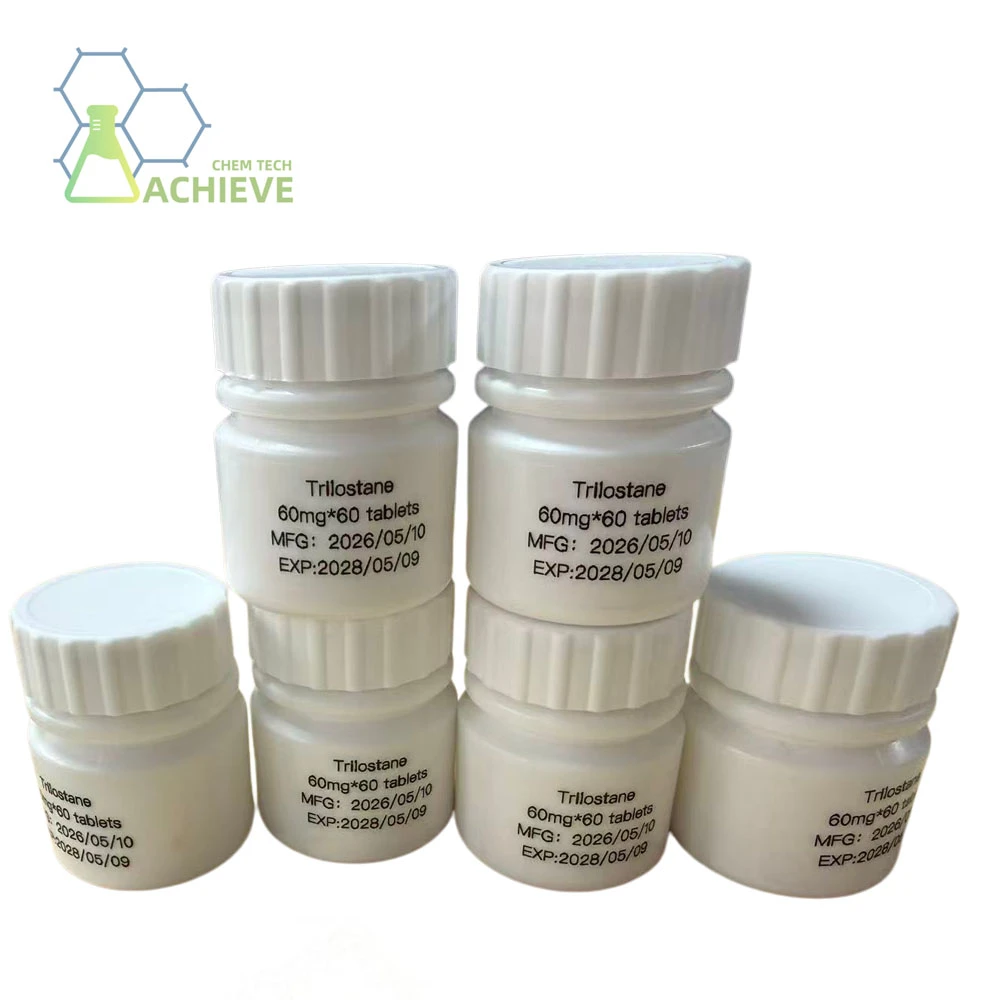
Trilostane Tablets
1.General Specification(in stock)
(1)Injection
Customizable
(2)Tablet
Customizable
(3)API(Pure powder)
PE/Al foil bag/ paper box for Pure powder
HPLC≥99.0%
(4)Pill press machine
https://www.achievechem.com/pill-press
2.Customization:
We will negotiate individually, OEM/ODM, No brand, for secience researching only.
Internal Code: BM-2-016
Trilostane CAS 13647-35-3
Analysis: HPLC, LC-MS, HNMR
Technology support: R&D Dept.-4
How Do Trilostane Tablets Reduce Excess Cortisol Production in Dogs With Cushing's Disease?
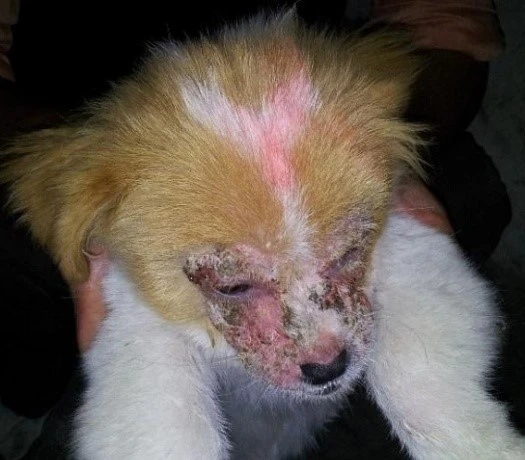
Clinically, Cushing's disease is called hyperadrenocorticism and is a condition that occurs when a dog's adrenal glands produce cortisol much in excess of normal physiological requirements. Cortisol is necessary to respond to stress and for metabolism but too much is bad. Dogs with the illness frequently have increased hunger, muscular atrophy, persistent skin infections and aberrant redistribution of fat.
Trilostane tablets attack the issue at the metabolic root. They do not fully suppress the adrenal glands but rather specifically inhibit the individual enzyme pathways involved in the regulation of cortisol synthesis. In this way, the body still has some ability to regulate hormones but excess production of cortisol is greatly reduced.
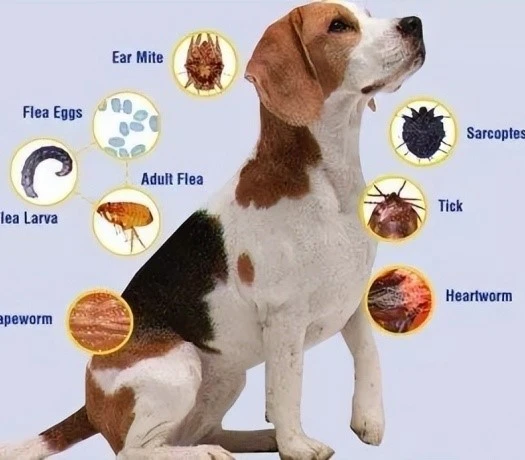

This mechanism is supported by clinical data. Reduction of urine cortisol to creatinine ratios in dogs treated with trilostane has been reported in dogs with clinical response rates of > 90%. Dog owners often see improved activity levels, coat quality and water consumption in the first few weeks of therapy – visible signs of restored hormonal balance.
The Role of the Adrenal Cortex in Cortisol Overproduction
The adrenal cortex includes specialised cells that create steroid hormones in a multistep metabolic cascade. Hyperadrenocorticism is the most common in dogs and is caused by excessive stimulation of the adrenal glands by adrenocorticotropic hormone (ACTH) secreted by the pituitary gland.
This constant stimulation causes the adrenal cortex to create an excess of cortisol all the time.Trilostane acts at a crucial moment in this cascade to reduce production, without lasting damage to the adrenal tissue. This reversibility is a significant safety benefit over prior therapy techniques.
Why Early Intervention Matters for Affected Dogs
Visible symptoms aren't the only side effect of high cortisol – it slowly destroys organ systems over time. If it lasts a long time it may cause hypertension, increased susceptibility to infection, muscular atrophy and liver abnormalities. Trilostane tablets treatment slows this systemic degeneration early in the illness course, maintaining the dog's general health and prolonging a pleasant, active life.
Trilostane Tablets Mechanism of Action: Blocking Key Enzymes in Adrenal Hormone Synthesis
Key Enzymes in the Production of Adrenal Hormones
The specificity of the drug trilostane tablets is related to the reversible inhibition of two key enzymes, 3β-hydroxysteroid dehydrogenase (3β-HSD) and Δ5,4-isomerase. These enzymes are gatekeepers in the biosynthetic route that turns cholesterol-derived precursors into active steroid hormones such as cortisol and aldosterone.
Trilostane attaches to and blocks these enzymes . In effect , it narrows the biochemical corridor through which cortisol precursors must transit . This leads to a measurable drop in circulating cortisol, but not to a full adrenal shutdown. The molecular makeup of the substance is that of a synthetic steroid with a chemical formula of C20H27NO3 and molecular weight of 329.43,
and is capable of binding to these enzyme sites in a very selective manner.
Reversible Inhibition: A Built-In Safety Feature
One of the most therapeutically relevant features of this pathway is its reversibility. Trilostane is not cytotoxic and does not permanently ablate the adrenal tissue, the inhibition may be regulated by adjusting the dose. If the dog's cortisol level is too low, a condition known as iatrogenic hypoadrenocorticism, the veterinarian may lower or temporarily stop the dosage to enable the enzyme activity to recover.
This adaptability is a great advantage in clinical practice. The veterinarian may titrate the dosage with frequent ACTH stimulation tests to keep the cortisol level within a safe therapeutic range, rather than bouncing between extremes.
Selectivity Across Steroid Pathways
Trilostane's suppression of enzymes also has a minor effect on aldosterone production which might disrupt electrolyte balance. During therapy, monitoring sodium and potassium levels helps doctors predict and control any alterations in mineralocorticoid activity. This multi-pathway effect implies trilostane needs careful monitoring – but further emphasises the pharmacological depth of trilostane as a molecule capable of influencing the larger adrenocortical environment.
How Trilostane Tablets Influence Cortisol Pathways to Improve Clinical Management of Cushing's Disease
Improved Clinical Management of Cushing's Disease
Simply reducing hormone levels is not enough to successfully manage cortisol pathways. You need a knowledge of the HPA axis and how it reacts to pharmacological intervention. Trilostane tablets act on this axis and enable dynamic, continuing correction.
Monitoring Protocols That Guide Treatment Decisions
The veterinary recommendations propose a re-evaluation 10 to 14 days following first treatment. ACTH stimulation tests at this stage will offer a picture of adrenal reserve and responsiveness to trilostane. If cortisol remains high, the dosage may be increased by 10-50%. If the dog exhibits lethargy,
poor appetite or weakness – symptoms of over-suppression – the first step is to lessen the dosage.This recurrent monitoring loop keeps the cortisol pathways controlled in a favourable range.
Dosing Strategies That Optimize Outcomes
Research and clinical experience show that twice-daily dosage at 0.8–1 mg/kg per dose may provide more sustained cortisol suppression than once-daily dosing when given with meals. Dividing the dosage minimises the peak-to-trough variation in drug levels leading to more constant enzyme inhibition over the day. This pragmatic modification to dosage approach is becoming favoured by veterinary internists as a means to improve patient responses.
Trilostane Tablets for Dogs: Understanding Their Role in Long-Term Hormone Balance Management
About Long-Term Hormone Balance Management
Long term therapy of Cushing's disease is not a static procedure - it changes with the changing physiology of the dog. Adrenal reactivity may vary with age of the dog or with progression of the underlying pituitary pathology. The dose of trilostane should be adjusted appropriately.
Maintaining Therapeutic Consistency Over Months and Years
Most dogs on trilostane therapy will need life long medication since the underlying cause of cortisol excess seldom cures spontaneously. Owners have an important role to play in this process, including following medication regimens, detecting behavioural changes and making regular veterinarian appointments.
Dosing must be consistent and with meals to ensure good absorption so that the enzymatic inhibition is maintained for continuous symptom relief with trilostane tablets.
Recognizing When Adjustments Become Necessary
Long-term treatment with trilostane may result in alterations in the adrenal gland that affect how the dog responds to trilostane in certain dogs. Reassessment is indicated if there is an abrupt clinical worsening, recurrence of manifestations of cortisol excess, or evidence of adrenal insufficiency. Regular monitoring of electrolytes, liver enzymes and cortisol levels gives the information to make these adjustments safely and ethically.
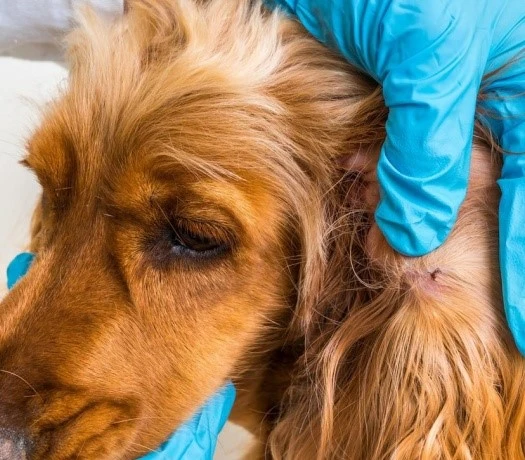
Why Veterinarians Use Trilostane Tablets as a Targeted Approach for Canine Cushing's Disease Care
Trilostane tablets have been attractive to veterinary specialists since they provide a titratable mechanism-specific therapy to a complicated endocrine condition. The drug is the standard of therapy in many countries due to its selectivity, reversibility and well described clinical profile and has FDA approved status for canine hyperadrenocorticism in the United States.
A Preferred Choice Supported by Regulatory Approval
Regulatory approval is a major driver of clinical decision making. ... The FDA's approval of trilostane for use in dogs with pituitary-dependent hyperadrenocorticism supports its safety and efficacy profile when used as directed. This foundation is employed when veterinarians working in evidence-based frameworks discuss treatment options with pet owners.
Building Owner Confidence Through Transparent Communication
Owners who understand the reason for the Trilostane therapy and the signs to watch for throughout the therapy tend to perform better with the monitoring schedules and dose instructions. Veterinarians develop a collaborative relationship that directly improves patient results when they explain the method, estimated timeframes for treatment, and probable adverse effects. Education, transparency and trust are the basis for good long-term sickness treatment.
Conclusion
Trilostane tablets are a scientifically proven, clinically confirmed treatment for Cushing's disease in dogs. They reversibly block important adrenal enzymes to minimise excess cortisol synthesis without permanently impairing adrenal function. Their dosage flexibility, sophisticated monitoring system and regulatory backing make them a fundamental component of contemporary veterinary endocrinology. If your dog has been diagnosed with Cushing's, it's important to understand how trilostane may help, and to work closely with a savvy veterinary team to make a real impact in your dog's long term wellness with trilostane tablets.
Frequently Asked Questions
1.What is the standard starting dose of trilostane tablets for dogs with Cushing's disease?
+
-
Current veterinary guidance recommends an initial dose within the range of 2.2–6.7 mg/kg administered every 24 hours, though many clinicians prefer a twice-daily approach at 0.8–1 mg/kg per dose given with food to support more consistent cortisol control.
2.How long does it take to see improvement after starting trilostane tablets?
+
-
Many dog owners observe early signs of improvement - such as reduced water consumption, improved energy, and better coat condition - within the first two to four weeks of treatment. However, full clinical stabilization typically requires several months of monitored therapy and periodic dose adjustments.
3.What monitoring is required during trilostane tablet therapy?
+
-
Veterinarians typically recommend ACTH stimulation testing at 10–14 days after starting or adjusting the dose, followed by evaluations at approximately 30 days, 90 days, and every three to six months thereafter. Electrolyte panels and liver enzyme assessments complement cortisol monitoring to ensure comprehensive safety oversight.
Partner With Bloomtechz for Reliable Trilostane Tablets Supply
If you are a veterinary pharmaceutical professional, researcher, or procurement specialist seeking a dependable trilostane tablets supplier, Bloomtechz delivers the precision and quality your operations demand. With over 12 years of experience in organic synthesis and a GMP-certified production facility spanning 100,000 square meters - holding US FDA, EU, JP, and CFDA certifications - Bloomtechz combines rigorous quality standards with competitive, transparent pricing. Our triple-link quality analysis process ensures every batch meets HPLC ≥ 99.0% purity specifications. Whether you need research-grade API, customized tablet formulations, or bulk supply solutions, our dedicated team supports your goals from inquiry through delivery. Reach out to our team at Sales@bloomtechz.com to discuss your requirements today.
References
1. Ramsey, I. K. (2010). Trilostane in dogs: A review of its pharmacological properties and therapeutic use in hyperadrenocorticism. Journal of Small Animal Practice, 51(8), 427–434.
2. Feldman, E. C., Kass, P. H., & Nelson, R. W. (2012). Efficacy and safety of trilostane administered every 24 or 48 hours for treatment of naturally occurring hyperadrenocorticism in dogs. Journal of the American Veterinary Medical Association, 241(3), 337–345.
3. Neiger, R., Ramsey, I., O'Connor, J., Hurley, K. J., & Mooney, C. T. (2002). Trilostane treatment of 78 dogs with pituitary-dependent hyperadrenocorticism. Veterinary Record, 150(26), 799–804.
4. Braddock, J. A., Church, D. B., Robertson, I. D., & Watson, A. D. J. (2003). Trilostane treatment in dogs with pituitary-dependent hyperadrenocorticism. Australian Veterinary Journal, 81(10), 600–607.
5. Helm, J. R., McLauchlan, G., Boden, L. A., Frowde, P. E., Collings, A. J., & Ramsey, I. K. (2011). A comparison of factors that influence long-term outcome in dogs with pituitary-dependent hyperadrenocorticism treated with either trilostane or mitotane. Journal of Veterinary Internal Medicine, 25(2), 251–260.
6. U.S. Food and Drug Administration. (2008). NADA 141-291: Trilostane Capsules - Freedom of Information Summary. Center for Veterinary Medicine, U.S. Department of Health and Human Services.