


Feline Infectious Peritonitis (FIP) has been known for a long time to be a very bad diagnosis for both cat owners and vets. The discovery of GS-441524 fip medicine has changed how we treat this disease, which used to be deadly. Still, an important question remains: does this chemical really fix FIP, or does it just keep the condition under control? It is very important to understand this difference when choosing a solution and having reasonable goals. This thorough study looks at all the available data, treatment methods, and ongoing studies on GS-441524 and how it affects cats who have been identified with FIP. As more clinical experience builds, the talk about GS-441524 FIP treatment has changed a lot. Cat owners all over the world report amazing cures, with cats that were dying getting back to normal levels of activity. But scientists are still trying to figure out if these changes are real fixes or just long-term viral suppression that needs to be monitored even after treatment is over. This difference changes how veterinarians advise pet owners and how experts plan to do more study in the future.

GS-441524 Fip
1.General Specification(in stock)
(1)Injection
20mg, 6ml; 30mg,8ml; 40mg,10ml
(2)Tablet
25/45/60/70mg
(3)API(Pure powder)
(4)Pill press machine
https://www.achievechem.com/pill-press
2.Customization:
We will negotiate individually, OEM/ODM, No brand, for secience researching only.
Internal Code: BM-1-001
GS-441524 CAS 1191237-69-0
Analysis: HPLC, LC-MS, HNMR
Technology support: R&D Dept.-4
We provide GS-441524 fip, please refer to the following website for detailed specifications and product information.
Product:https://www.bloomtechz.com/synthetic-chemical/api-researching-only/gs-441524-fip.html

What Is the Current Understanding of GS-441524 FIP Treatment Outcomes
More and more scientific papers are showing that GS-441524 FIP treatment methods have good effects. Studies in the field and clinical observations show that mortality rates are higher than 80% when treatment starts right away and is given according to the right schedule. Cats that are given this nucleoside analog often start to feel better within a few days. Earlier in the treatment process, they may notice a drop in fever, an increase in appetite, and more energy. Based on what we know now, GS-441524 FIP most likely works as an antiviral that targets the feline coronavirus that causes FIP.


The chemical stops viral RNA synthesis, which means the virus can't make more copies inside affected cells. According to clinical data, the best results happen when the medicine is given regularly for at least 84 days. Many cats who are treated achieve full clinical recovery.
Response Patterns in Treated Cats
When GS-441524 FIP is given to animals, veterinarians see different reaction patterns. Cats that have the effusive (wet) form of FIP usually react faster than cats that have the non-effusive (dry) form.
Within the first week, there is a noticeable drop in the amount of fluid that builds up, but neurological and ocular problems take longer to fully clear.Treatment response varies depending on many things, such as the state of the disease at detection, the amount of virus in the body, the person's immune system function, and how well they follow their treatment plan. Cats that are discovered early, before a lot of damage to their organs happens, have better results than cats that have the disease far along. This fact makes it even more important to get a quick diagnosis and start treatment right away.
Measuring Treatment Success
To define success in GS-441524 FIP medication, more than just GS-441524 FIP life must be taken into account. Complete normalization of blood counts, relief of clinical signs, negative PCR tests, and continued health after treatment ends are all things that can be used to judge how well the treatment worked. A lot of cats reach all of these marks, which gives people hope that the disease will really go away and not just be temporarily slowed down.
During treatment, veterinarians keep an eye on certain biomarkers, such as albumin-to-globulin ratios, which usually return to normal as treatment goes on. Inflammatory markers go down, tumors get better on imaging tests, and viral RNA that was found before is often no longer found. These objective measurements go along with visible clinical changes to give a full picture of the exam.

How GS-441524 FIP Supports Long-Term Viral Control in Cats

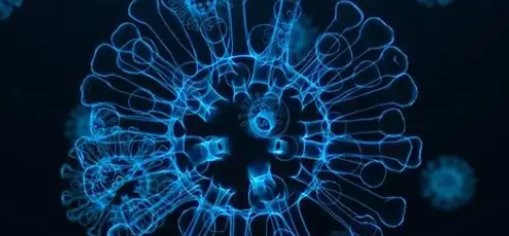
Within cells, GS-441524 FIP changes into an active nucleoside triphosphate, which is how it stops viruses from spreading. This active molecule competes with natural nucleotides during the synthesis of viral RNA, stopping the chain and stopping the production of a functional viral genome. The compound's good safety profile is helped by the fact that it only targets virus polymerases and not host cell polymerases. Long-term viral control should be possible if the treatment lasts long enough to get rid of all tissue stores where the virus is reproducing. Concerns about the virus staying in safe areas like the eyes and central nervous system led to the recommendation of a minimum treatment length of 84 days.
When compared to shorter courses, extended methods that last 12 weeks or more have lower return rates.
Pharmacokinetics and Sustained Efficacy
Understanding the pharmacokinetics of GS-441524 FIP can help you understand why it works so well over time. It's easy for the body to absorb the chemical, and it can reach therapeutic levels in plasma and organs after being given orally or subcutaneously. Because of its half-life, it only needs to be given once a day, which makes treatment stickability possible for most pet owners, even though the process lasts a long time.


Because it can penetrate tissue, GS-441524 FIP medicine can get to hard-to-reach parts of the body where the coronavirus still lives. For cerebral FIP cases, having the right amount of concentrations in cerebrospinal fluid is very important. For cats with cataracts or other eye problems, ocular penetration is helpful. This widespread distribution of tissues helps to completely stop the virus in all organ systems that are affected.
Immune System Recovery During Treatment
In addition to its direct antiviral benefits, GS-441524 FIP medicine helps the immune system get better over time.
As the amount of virus in the body decreases, the abnormal immune reactions that are typical of FIP start to return to normal. Less viral antigen expression lowers the production of inflammatory cytokines, which helps the vasculitides and pyogranulomatous inflammation that mark FIP pathology go away. The repair of immune function is a key part of getting good results. Cats get back to having normal numbers of lymphocytes and macrophages, and the harmful antibody reactions go down. This process of rebuilding the immune system may explain why many cats that have been treated stay healthy over time. Their stronger immune systems may be able to fight off any viruses that are still present.


GS-441524 FIP and Its Role in Disease Remission Research
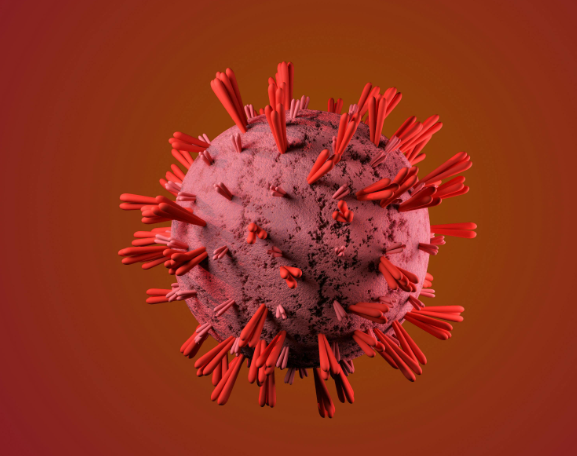
A new study is looking into whether GS-441524 FIP causes true recovery or functional cure states. Remission means that the disease symptoms don't come back, even if the virus is still present at low amounts. Studies that keep track of cats years after they finish treatment successfully give us important information about long-term results and trends of relapse. Longer follow-up times, lasting 12 to 24 months after treatment, are now part of research methods. As part of these studies, the patient's health is checked, blood tests are done regularly, and sometimes PCR tests are used to find viral RNA. Early research shows that cats that have been properly treated stay remitted even when they don't get therapy regularly. However, relapses do happen sometimes, especially GS-441524 FIP when treatment wasn't given for long enough.
Defining Remission Parameters
Setting clear standards for recovery helps make sure that all studies report results in the same way. In order to be in complete remission, there must be no clinical signs, regular lab results, and no virus RNA for at least six months after treatment stops. When there is a partial remission, there is a lot of change, but some small problems still exist that don't affect the quality of life. The difference between recovery and cure isn't very clear when cats are healthy for years after treatment. From a realistic point of view, cat owners care more about their pets' health and life than about technical terms. Still, knowing these ideas helps set realistic goals and directs methods for keeping an eye on things.

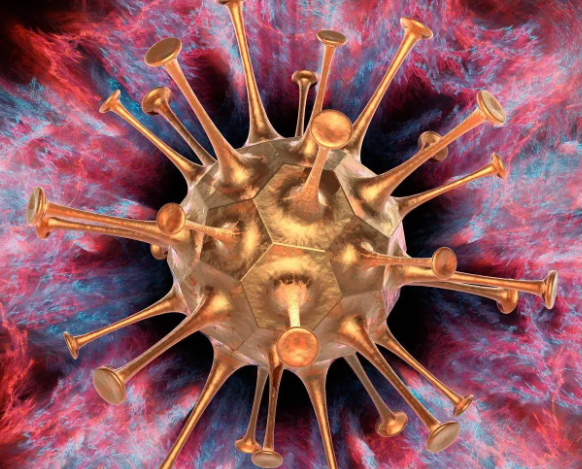
Longitudinal Outcome Studies
New continuous data shows how cats treated with GS-441524 FIP change over longer periods of time. These studies show that most cats that are properly treated stay healthy for years afterward without needing any more antiviral treatment. It looks like only about 5–15% of people who go through treatment will relapse. This is usually because the first treatment course was cut short or the dose wasn't right. When people relapse, they usually react to retreatment with slightly higher amounts or longer periods of time. This response to new therapy shows that the virus is still susceptible and not becoming resistant, which is different from some antiviral treatments used on humans, where resistance develops in a bad way.

Why GS-441524 FIP Is Considered a Functional Treatment Approach
It is called a "functional treatment" because GS-441524 FIP may not get rid of every virus particle, but it does restore health and a normal lifespan, which is what is clinically important. This practical view puts more weight on actual results than ideal eradication of viruses, since many good medical treatments only control diseases rather than completely curing them. Functional treatment methods are used in veterinary medicine when they lead to long-term health without needing ongoing care. The GS-441524 FIP medicine fits this model perfectly because most cats don't need any more treatment after the first run, and they stay healthy forever. This result is better than what is usually achieved with standard disease treatment.
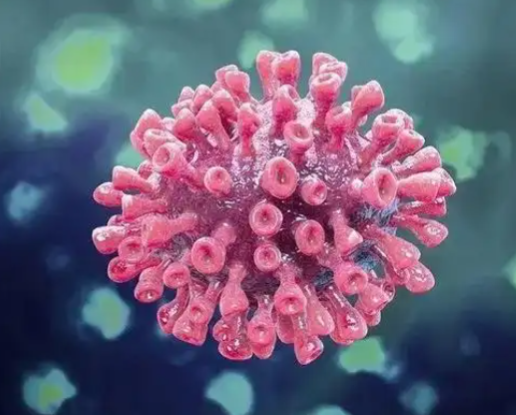

Comparing Treatment Philosophies
Traditional disease management means ongoing treatment to keep long-term conditions under control, like how people with diabetes or high blood pressure are treated. On the other hand, remedial treatments get rid of the sickness completely and don't need any further action. GS-441524 FIP is in an interesting middle ground, where intensive treatment at the start leads to long-lasting effects without the need for ongoing medicine. This type of treatment is like antibiotic therapy for bacterial illnesses; when used for the right amount of time, it fully cures acute conditions.
The comparison helps cat owners understand how important it is to finish the whole treatment plan, even if their cats seem to be fully healed. Stopping too soon increases the chance of return and could make future treatment harder.
Quality of Life Considerations
In the end, medical worth shows up as a better quality of life. When cats are treated with GS-441524 for FIP and do well, they usually go back to their old behaviors and levels of energy.
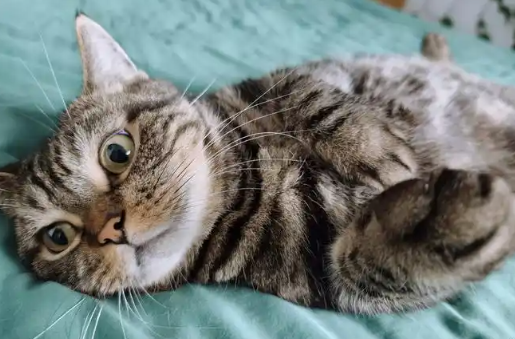
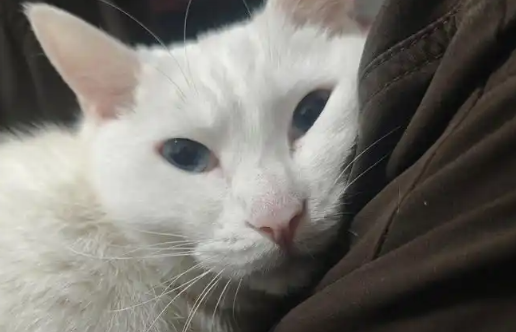
They play, eat regularly, keep their bodies in good shape, and hang out with friends like they did before they got sick. Families care more about these real changes than about technical arguments about whether to treat or manage the illness. Pet owners are always happy with how treatment works and say that their cats are "cured" because they are healthy again. Scientists may argue about the presence of leftover viruses, but the fact that a healthy, happy cat has been living normally for years after treatment is a sign of success, GS-441524 FIP by any fair measure.
Ongoing Research Into GS-441524 FIP and Long-Term Stability
Researchers are still looking into the best methods, the possibility of resistance, and the long-term effects. Researchers from private labs, academic schools, and animal pharmaceutical companies work together to learn more about GS-441524 FIP applications. The goal of these attempts is to improve treatment standards and maybe come up with new drugs or combinations of drugs. Currently, researchers are looking into ways to improve doses by comparing different mg/kg treatments for different types of FIP.
In order to make treatment more effective for each person, studies look at whether some symptoms need higher amounts or longer treatment times. Biomarkers that might be able to identify treatment reaction or relapse risk are also being looked into by experts. This could lead to more focused interventions.
Stability and Formulation Advances
Pharmaceutical stability is an important area of study because GS-441524 FIP needs to be stored in a certain way to keep its effectiveness.
Researchers are looking into better formulations to make them more stable, bioavailable, and easy to administer.Researchers are especially interested in oral versions because they would get rid of the need for daily injections and make medicine easier to get. Formulations that are accepted by veterinarians are made through different regulatory routes in different countries. These attempts need a lot of safety studies, tests to see how well they work, and checks on the quality of the making. Legitimate pharmaceutical research makes sure that the quality of the products stays the same and gives veterinarians the confidence to prescribe these treatments.


Combination Therapy Investigations
Some researchers are looking into whether mixing GS-441524 FIP with immunomodulatory drugs could improve results, especially in cases that are hard to treat. Theoretically, the benefits include faster reduction of viruses and less damage from inflammation. But these kinds of methods need to be carefully looked at to make sure they are safe and really help more than solo. It's also important to know about possible drug combinations, since cats with FIP often take medicines to help them feel better. Studies that look at how well GS-441524 FIP works with corticosteroids, antibiotics, and other popular drugs used in animals help doctors make safe treatment plans that cover everything.

Conclusion
Whether GS-441524 FIP treatment is a fix or a way to control the disease may not matter as much in the end as the amazing fact that cases that were once fatal are now living and doing well. Even though it's not possible for all treated cats to no longer have the virus, the fact that they are healthy again and living a normal life is a useful measure of success. More and more evidence shows that giving cats the right amount of medicine for the right amount of time and for the right amount of time results in long-lasting recovery, with many cats never having a repeat. In real life, this result is very close to being cured, even though formal standards say that the virus must be gone from all tissues. One of the most important recent improvements in veterinary medicine is the change from always deadly to highly treatable. As more study is done to figure out long-term effects and make processes work better, the difference between a cure and highly effective care becomes less important. People whose cats have been diagnosed with FIP can go into treatment with realistic hope, knowing that GS-441524 FIP gives their cats real chances to get better and live longer, healthier lives.
FAQ
1. How long do cats need to take GS-441524 for FIP treatment?
+
-
Standard treatment plans call for at least 84 days of therapy, but some cases need longer sessions that last 12 weeks or more. Longer treatment courses are especially helpful for neurological and eye types of FIP. Veterinarians keep an eye on the cats' clinical reaction and test values to figure out the best length of treatment for each one. If the problem takes longer than usual to resolve, the treatment may be extended.
2. Can FIP return after successful GS-441524 treatment?
+
-
About 5–15% of cats that have been treated relapse. This usually happens when the first treatment didn't last long enough, or the dose wasn't right. Cats that have returned usually do well with retreatment with a few small changes to the rules. Most cats that are properly treated stay in remission for a long time and don't get it again. They live normal lives and have the same quality of life as cats that were never diagnosed with FIP.
3. What factors influence GS-441524 treatment success rates?
+
-
Early identification, the right dose, consistent administration, and the right length of treatment are all highly linked to treatment success. The form of the disease is also important; wet FIP usually responds faster than dry FIP. The results are better for cats that don't have major neurological involvement or significant organ damage. Results are greatly affected by how committed the owner is to finishing the full treatment course, even though it costs a lot and needs to be administered every day.

Partner with BLOOM TECH for Premium GS-441524 FIP Supplier Solutions
Working with experienced makers to get high-quality active pharmaceutical ingredients like GS-441524 FIP supplier materials protects the purity of the product and makes sure it meets all regulatory requirements. BLOOM TECH has been working with organic synthesis for 12 years and has GMP-certified production sites that meet standards in the US, EU, and Japan. Triple-tier analysis methods are part of our thorough quality assurance. They make sure that every batch meets the pharmaceutical-grade standards needed for veterinary uses. When making or selling FIP treatments, we know how important it is to have uniform quality, low prices, and trusted supply lines. Our clear pricing plan, scalable manufacturing, and full documentation help you meet legal standards and grow your business. As qualified providers to 24 foreign drug companies, we can be counted on to be reliable in every relationship. Get in touch with our expert team to talk about your needs for a GS-441524 FIP provider. We offer thorough analytical data, the ability to synthesize on demand, and a range of order sizes, from small amounts for study to large amounts for business production. Email us at Sales@bloomtechz.com right now to find out how BLOOM TECH can help your pet pharmaceutical projects by providing you with high-quality materials and excellent service.
References
1. Pedersen NC, Perron M, Bannasch M, Montgomery E, Murakami E, et al. (2019). Efficacy and safety of the nucleoside analog GS-441524 for treatment of cats with naturally occurring feline infectious peritonitis. Journal of Feline Medicine and Surgery, 21(4), 271-281.
2. Murphy BG, Perron M, Murakami E, Bauer K, Park Y, et al. (2018). The nucleoside analog GS-441524 strongly inhibits feline infectious peritonitis (FIP) virus in tissue culture and experimental cat infection studies. Veterinary Microbiology, 219, 226-233.
3. Dickinson PJ, Bannasch M, Thomasy SM, Murthy VD, Vernau KM, et al. (2020). Antiviral treatment using the adenosine nucleoside analogue GS-441524 in cats with clinically diagnosed neurological feline infectious peritonitis. Journal of Veterinary Internal Medicine, 34(4), 1587-1593.
4. Jones S, Novicoff W, Nadeau J, Evans S. (2021). Unlicensed GS-441524-Like Antiviral Therapy Can Be Effective for at-Home Treatment of Feline Infectious Peritonitis. Animals, 11(8), 2257.
5. Krentz D, Zenger K, Alberer M, Felten S, Bergmann M, et al. (2021). Curing Cats with Feline Infectious Peritonitis with an Oral Multi-Component Drug Containing GS-441524. Viruses, 13(11), 2228.
6. Heimann M, Müller E, Müller-Fiebing H, Kipar A, Nagler M. (2022). GS-441524 for treatment of cats with feline infectious peritonitis: A retrospective evaluation of treatment outcomes in naturally infected cats in Germany. Tierarztliche Praxis Ausgabe K Kleintiere Heimtiere, 50(6), 431-441.