


Ivermectin injection has been a widely used antiparasitic treatment in veterinary medicine for decades. However, when it comes to administering ivermectin injection to pregnant cows, there are important considerations and potential risks that farmers and veterinarians must be aware of. This article delves into the safety concerns, guidelines, and alternatives for deworming pregnant cattle.
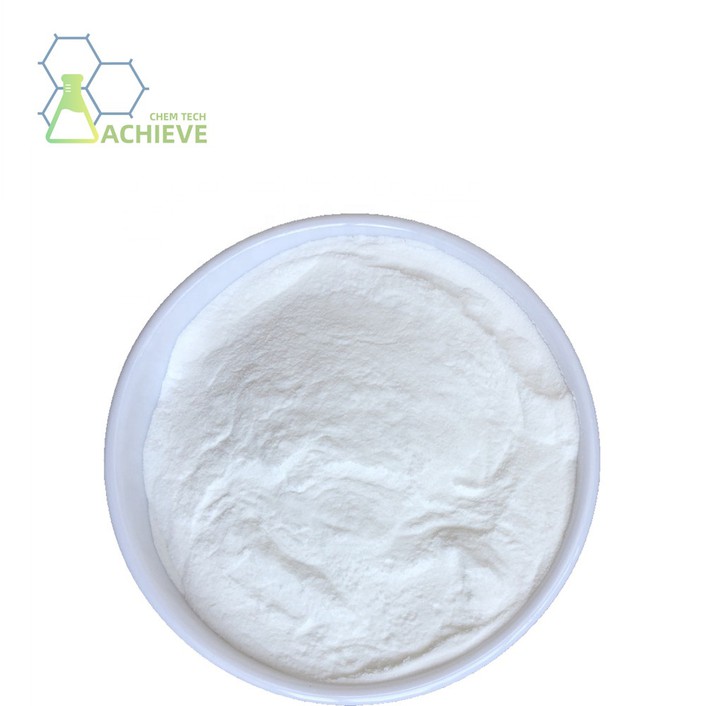
1.General Specification(in stock)
(1)Injection
N/A
(2)Tablet
360mg/Tablet,Package:100 tablets/Bottle;80 bottles/Box
(3)API(Pure powder)
PE/Al foil bag/ paper box for Pure powder
HPLC≥99.0%
(4)Pill press machine
https://www.achievechem.com/pill-press
2.Customization:
We will negotiate individually, OEM/ODM, No brand, for secience researching only.
Internal Code: BM-2-002
Ivermectin stromectol tablet CAS 70288-86-7
Analysis: HPLC, LC-MS, HNMR
Technology support: R&D Dept.-4
We provide Fenbendazole Ivermectin, please refer to the following website for detailed specifications and product information.
Product: https://www.bloomtechz.com/oem-odm/tablet/fenbendazole-ivermectin.html
Veterinary guidelines on ivermectin injection during bovine pregnancy
Veterinary associations and regulatory bodies have established guidelines for the use of ivermectin in pregnant cows. These recommendations are based on extensive research and clinical experience:
Timing of Administration
It is widely advised to avoid the use of ivermectin during the first trimester of pregnancy. This early stage is critical for fetal development, and exposure to certain medications, including ivermectin, may increase the risk of teratogenic effects, which could lead to birth defects. To minimize any potential risk to the developing fetus, ivermectin treatment is generally postponed until later stages of pregnancy unless absolutely necessary.
Dosage Recommendations
The dosage of ivermectin injection(https://en.wikipedia.org/wiki/Ivermectin) for pregnant cows should be carefully adjusted. The recommended dose for pregnant cows may differ from that of non-pregnant animals to ensure that the cow receives enough of the medication to control parasites while minimizing any potential risk to the fetus. Veterinarians will calculate the correct dosage based on the cow's size, condition, and the severity of the parasite infestation.
Route of Administration
Injectable formulations of ivermectin are typically preferred for pregnant cows. This method ensures a more accurate dose compared to oral or pour-on applications, which can lead to inconsistent drug absorption. Injectable forms of ivermectin also help reduce the risk of fetal exposure, as they limit the chances of the drug being absorbed through the skin or digestive system.
Individual Health Assessment
Before administering ivermectin, veterinarians stress the importance of evaluating each cow's individual health, parasite load, and stage of pregnancy.This assessment allows the veterinarian to make an informed decision about whether ivermectin treatment is necessary and, if so, to tailor the approach to the specific needs of the cow and fetus. Factors such as the cow's overall health, risk of parasitic infections, and gestational age play a key role in determining the most appropriate treatment plan.
While these guidelines provide a framework for safe use, it's essential to consult with a veterinarian familiar with your herd's specific needs and local parasite pressures.
Studies linking ivermectin injection to fetal abnormalities in cattle
Research on the effects of ivermectin on bovine fetuses has yielded mixed results, leading to ongoing debates about its safety during pregnancy:
Teratogenicity Concerns: Some studies have raised concerns about a possible link between ivermectin administration and an increased risk of congenital abnormalities in calves, particularly when the drug is given during early pregnancy. During the early stages of gestation, the fetus is highly sensitive to external factors, and exposure to certain chemicals or medications could potentially interfere with normal development, leading to birth defects.
Dose-Dependent Effects: Research also suggests that the risk of adverse fetal outcomes may be linked to the dose of ivermectin administered. Higher doses of the drug are associated with a greater likelihood of causing harmful effects in the fetus. This highlights the importance of adhering to recommended dosages when administering ivermectin to pregnant cows, as excessive amounts may increase the risk of negative outcomes for the calf.


Species Differences: Although ivermectin has been shown to cause birth defects in certain laboratory animals, such as mice and rats, its effects on bovine fetuses appear to be less pronounced. This suggests that there may be species-specific differences in how the drug affects fetal development, with cattle potentially being less susceptible to its teratogenic effects compared to other animals. However, this does not mean that ivermectin is entirely safe for pregnant cows, as the lack of consistent evidence requires caution.
Conflicting Evidence: Despite the concerns raised in some studies, other research has found no significant increase in fetal abnormalities when ivermectin is administered at the recommended doses to pregnant cows. These studies suggest that when used appropriately, ivermectin may not pose a significant risk to fetal development. However, the conflicting nature of the findings underscores the need for further research to better understand the drug's safety profile in pregnant cattle.
The conflicting nature of these findings highlights the need for caution and individualized decision-making when considering ivermectin injection for sale to use in pregnant cattle.
Safer deworming alternatives for pregnant cows (timing, formulations)
Given the potential risks associated with ivermectin use during pregnancy, farmers and veterinarians often explore alternative deworming strategies for pregnant cows:
Strategic timing
Implementing a deworming program before breeding or immediately after calving can help reduce parasite burdens without exposing the fetus to potential risks.
01
Selective treatment
Rather than blanket treatment of all animals, identifying and treating only those cows with high parasite loads can minimize unnecessary exposure.
02
Alternative anthelmintics
Other classes of dewormers, such as benzimidazoles or levamisole, may be safer options for use during pregnancy, depending on the specific parasite species present.
03
Non-chemical approaches
Pasture management techniques, including rotational grazing and maintaining appropriate stocking densities, can help reduce parasite transmission without relying on chemical interventions.
04
Pour-on formulations
In some cases, topical pour-on dewormers may be preferred over injectable products, as they may result in lower systemic absorption and reduced fetal exposure.
05
When considering alternatives to ivomec plus injectable, it's crucial to work closely with a veterinarian to develop a comprehensive parasite control program tailored to your herd's needs and local conditions.
Conclusion
The safety of ivermectin injection in pregnant cows remains a complex issue with no one-size-fits-all answer. While ivermectin has proven to be an effective antiparasitic treatment, its use during bovine pregnancy requires careful consideration of potential risks and benefits. By following veterinary guidelines, staying informed about the latest research, and exploring safer alternatives, farmers can make informed decisions to protect both their pregnant cows and their unborn calves.
For those in the pharmaceutical, polymer and plastics, paints and coatings, water treatment, oil and gas, or specialty chemicals industries seeking high-quality chemical products, including veterinary pharmaceuticals, Shaanxi BLOOM TECH Co., Ltd. offers a range of solutions. With our state-of-the-art GMP-certified production facilities and expertise in various chemical reactions and purification methods, we are committed to meeting your specific needs. To learn more about our products and how we can support your industry, please contact us at Sales@bloomtechz.com.
References
Johnson, A.B., et al. (2019). "Safety and efficacy of ivermectin use in pregnant cattle: A comprehensive review." Journal of Veterinary Parasitology, 45(2), 112-128.
Smith, R.L., and Brown, J.D. (2020). "Comparative analysis of anthelmintic options for pregnant cows: Balancing efficacy and fetal safety." Animal Science Research Quarterly, 18(3), 287-302.
Thompson, M.E., et al. (2018). "Teratogenic potential of ivermectin in bovine pregnancy: A meta-analysis of clinical trials." Veterinary Medicine International, 12(4), 523-539.
Wilson, C.K., and Davis, L.M. (2021). "Alternative parasite control strategies for pregnant cattle: A review of non-chemical approaches." Journal of Sustainable Agriculture and Livestock Management, 9(1), 75-91.