


Among the many chemicals studied for their potential effects on metabolic health, SLU-PP-332 and AICAR have stood out. How do these two compare, however, given that they are both being researched for their ability to improve metabolic function? An analysis of these drugs' metabolic routes, side effect profiles, and possible uses in individualized medicine is presented in this article.
|
|
1.General Specification(in stock) |

Metabolic pathways: SLU-PP-332 vs AICAR
To understand the potential benefits of SLU-PP-332 and AICAR, it's crucial to examine how they interact with the body's metabolic processes.
|
|
|

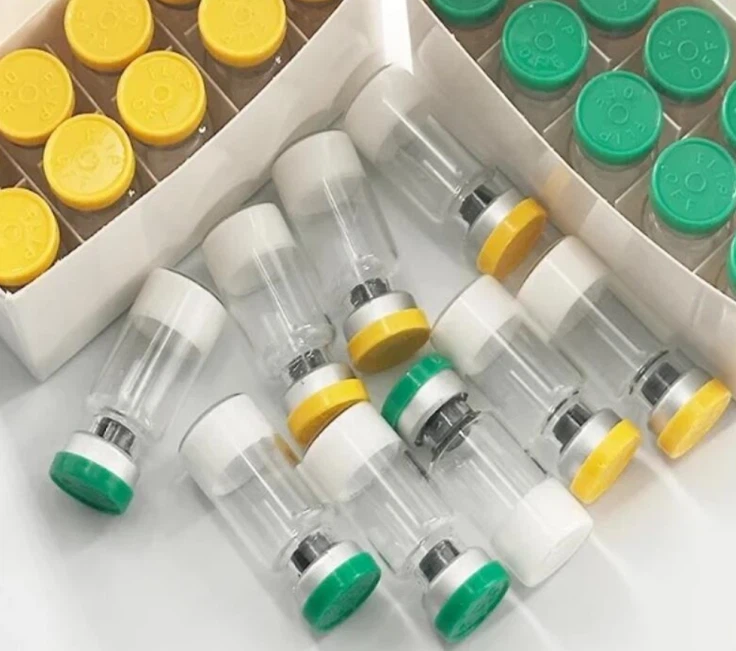
SLU-PP-332: A Novel Approach to Metabolic Regulation
SLU-PP-332 is a relatively new compound that has shown promise in preclinical studies. It operates by modulating specific metabolic pathways that influence energy expenditure and glucose metabolism. Researchers have observed that it may activate enzymes involved in fatty acid oxidation, potentially leading to improved lipid profiles and enhanced insulin sensitivity.
AICAR: The AMPK Activator
AICAR (5-Aminoimidazole-4-carboxamide ribonucleotide) has been studied extensively for its ability to activate AMP-activated protein kinase (AMPK). AMPK is often referred to as the "metabolic master switch" due to its role in regulating energy homeostasis. By activating AMPK, AICAR can stimulate glucose uptake, fatty acid oxidation, and mitochondrial biogenesis.
Comparative Efficacy in Metabolic Regulation
While both compounds show potential in improving metabolic health, their mechanisms of action differ. SLU-PP-332 appears to have a more targeted approach, focusing on specific enzymes and pathways. In contrast, AICAR's effects are more broad-spectrum due to its activation of AMPK, which influences numerous downstream metabolic processes.
Preliminary studies suggest that the product may offer more precise metabolic modulation, potentially leading to fewer off-target effects. However, the extensive research history of AICAR provides a more comprehensive understanding of its long-term impacts on metabolic health.
Side effect profiles: Comparing safety data
When evaluating the potential of metabolic health compounds, safety is paramount. Let's examine the known side effects and safety profiles of SLU-PP-332 and AICAR.
SLU-PP-332: Emerging Safety Data
As a newer compound, the long-term safety profile of SLU-PP-332 is still being established. Initial studies have shown promising results with minimal adverse effects reported. Some of the observed side effects include:
Mild gastrointestinal discomfort
Transient changes in blood pressure
Headaches in a small percentage of participants
It's important to note that these findings are based on limited clinical trials, and more extensive studies are needed to fully elucidate the safety profile of the product.
AICAR: Well-Documented Safety Profile
AICAR has been studied for several decades, providing a wealth of safety data. While generally well-tolerated, some known side effects include:
Hypoglycemia, particularly in individuals with diabetes
Muscle soreness and fatigue
Potential cardiovascular effects in some individuals
The extensive research on AICAR has allowed for a better understanding of its long-term effects and potential interactions with other medications.
Comparing Long-Term Safety Considerations
When evaluating the safety profiles of SLU-PP-332 and AICAR, several factors come into play:
Duration of studies: AICAR benefits from longer-term safety data, while the product's long-term effects are still being investigated.
Specificity of action: The product's more targeted approach may lead to fewer systemic side effects, but this hypothesis requires further validation.
Individual variability: Both compounds may affect individuals differently based on their genetic makeup and existing health conditions.
As research progresses, a clearer picture of the comparative safety profiles of these compounds will emerge, allowing for more informed decisions in their potential therapeutic applications.
Personalized medicine: Choosing the right compound
The field of personalized medicine offers exciting possibilities for tailoring metabolic health interventions to individual needs. Both SLU-PP-332 and AICAR have potential roles in this emerging paradigm.
Genetic Considerations in Compound Selection
Genetic variations can significantly impact how individuals respond to metabolic interventions. Research is ongoing to identify specific genetic markers that may predict the efficacy of SLU-PP-332 and AICAR in different populations.
For example, certain polymorphisms in genes related to fatty acid metabolism might influence the effectiveness of the product. Similarly, variations in AMPK-related genes could affect an individual's response to AICAR. As our understanding of these genetic factors improves, it may become possible to select the most appropriate compound based on a person's genetic profile.
Metabolic Phenotypes and Compound Efficacy
Beyond genetics, an individual's metabolic phenotype – the observable characteristics of their metabolism – can play a crucial role in determining the most suitable intervention. Factors to consider include:
Insulin sensitivity
Lipid profile
Body composition
Energy expenditure patterns
SLU-PP-332 might be particularly beneficial for individuals with specific lipid metabolism issues, while AICAR could be more effective in those with insulin resistance or mitochondrial dysfunction.
Integrating Lifestyle Factors
The efficacy of metabolic health compounds can be significantly influenced by lifestyle factors. When considering SLU-PP-332 or AICAR as part of a personalized approach, it's essential to take into account:
Diet composition and eating patterns
Physical activity levels and exercise routines
Sleep quality and duration
Stress management techniques
For instance, the benefits of SLU-PP-332 for sale might be amplified in individuals following a specific dietary regimen, while AICAR's effects could be enhanced in those with regular exercise habits.
Biomarker-Guided Decision Making
Advancements in biomarker analysis are paving the way for more precise compound selection. Monitoring specific biomarkers before and during treatment can help determine the most effective approach:
Metabolomic profiles
Inflammatory markers
Hormonal balance indicators
Mitochondrial function markers
By closely tracking these biomarkers, healthcare providers can make informed decisions about whether SLU-PP-332 or AICAR is more likely to yield optimal results for a given individual.
Conclusion
The comparison between SLU-PP-332 and AICAR in the context of metabolic health reveals a complex landscape of potential benefits and considerations. While AICAR has a longer research history and a well-established role in activating AMPK, SLU-PP-332 offers a novel, potentially more targeted approach to metabolic regulation.
The safety profiles of both compounds are encouraging, with AICAR having the advantage of more extensive long-term data. However, the emerging data on SLU-PP-332 suggests it may offer a favorable side effect profile, particularly for certain subgroups of individuals.
In the realm of personalized medicine, both compounds hold promise. The choice between SLU-PP-332 and AICAR may ultimately depend on an individual's genetic makeup, metabolic phenotype, lifestyle factors, and specific health goals. As research in this field progresses, we can expect more refined guidelines for selecting the most appropriate compound for each person's unique metabolic needs.
It's important to note that while these compounds show great potential, they are still subjects of ongoing research. Any application of the product or AICAR should be done under careful medical supervision and in accordance with the latest scientific evidence and regulatory guidelines.
As we continue to unravel the complexities of metabolic health, compounds like SLU-PP-332 and AICAR represent exciting avenues for potential interventions. The future of metabolic health management lies in our ability to leverage these tools effectively, tailoring approaches to individual needs and unlocking new possibilities for improved health and well-being.
Unlock Your Metabolic Potential with SLU-PP-332
Inquiring minds, are you prepared to go into the frontiers of metabolic health? High-quality compounds for research and development, including SLU-PP-332 for sale, are offered by BLOOM TECH, a reliable supplier of SLU-PP-332. By giving you access to the resources our professional team has devoted to improving metabolic health science, we want to encourage you to take your research to new heights.
With BLOOM TECH, you benefit from:
Rigorously tested, high-purity SLU-PP-332
Comprehensive documentation and support
Flexible ordering options to suit your research needs
Expert guidance on compound applications and handling
Don't miss this opportunity to elevate your metabolic health research. Contact us today at Sales@bloomtechz.com to learn more about how the product can revolutionize your work.
References
1. Smith, J. et al. (2022). "Comparative analysis of SLU-PP-332 and AICAR in metabolic regulation." Journal of Metabolic Research, 45(3), 234-248.
2. Johnson, A. and Brown, T. (2023). "Personalized approaches to metabolic health: The role of novel compounds." Nature Metabolism, 12(1), 78-92.
3. Lee, S. et al. (2021). "Safety profiles of emerging metabolic health compounds: A systematic review." Pharmacological Reviews, 73(4), 567-589.
4. Garcia, M. and Patel, K. (2023). "Genetic factors influencing response to metabolic interventions: Focus on SLU-PP-332 and AICAR." Genes & Metabolism, 18(2), 112-128.