


GS-441524 has emerged as a promising treatment for feline infectious peritonitis (FIP), a devastating disease that affects cats worldwide. As more veterinarians and cat owners turn to this nucleoside analog for treating FIP, questions about the potential for antiviral resistance have arisen. In this comprehensive guide, we'll explore the risk of resistance when using GS-441524 in cats, prevention strategies, and known cases of treatment failure.

GS-441524 Fip
1.General Specification(in stock)
(1)Injection
20mg, 6ml; 30mg,8ml; 40mg,10ml
(2)Tablet
25/45/60/70mg
(3)API(Pure powder)
(4)Pill press machine
https://www.achievechem.com/pill-press
2.Customization:
We will negotiate individually, OEM/ODM, No brand, for secience researching only.
Internal Code: BM-1-001
GS-441524 CAS 1191237-69-0
Analysis: HPLC, LC-MS, HNMR
Technology support: R&D Dept.-4
We provide GS-441524 Fip, please refer to the following website for detailed specifications and product information.
Product:https://www.bloomtechz.com/oem-odm/injection/gs-441524-fip.html
Can FIP virus develop resistance to GS-441524?
The development of antiviral resistance is a concern with any long-term treatment regimen. In the case of GS-441524(https://en.wikipedia.org/wiki/GS-441524), researchers have been closely monitoring its use in FIP-infected cats to determine if resistance is a significant risk.
Mechanisms of potential resistance
To understand the risk of resistance, it's important to look at how GS-441524 works against the FIP virus. As a nucleoside analog, GS-441524 interferes with the replication of viral RNA, effectively halting the virus's ability to reproduce. However, RNA viruses, such as FIP, are known for their high mutation rates. This can potentially lead to the emergence of resistant strains, as the virus might mutate in ways that make it less susceptible to the drug. Understanding the mechanisms of these mutations is crucial for assessing the likelihood of resistance developing over time.
Current evidence on resistance
Despite these theoretical concerns, current evidence suggests that resistance to GS-441524 in FIP-infected cats is quite rare. Most cats treated with the recommended dosage and treatment duration have shown sustained improvement without experiencing viral rebound or failure of the treatment due to resistance. This indicates that, so far, the risk of resistance is minimal, and the compound remains highly effective in the majority of cases. However, ongoing monitoring and research are still needed to ensure that resistance doesn't develop in the future, especially with long-term use.
Preventing antiviral resistance in long-term GS-441524 use
Although resistance appears to be uncommon, taking steps to minimize its occurrence is crucial for ensuring the continued efficacy of GS-441524 in treating FIP.

Optimal dosing strategies
One of the primary ways to prevent resistance is by adhering to the optimal dosing strategies recommended by veterinarians. The dosage of GS-441524 is typically determined based on the cat's weight and the severity of its FIP symptoms. Following the prescribed dose precisely throughout the entire treatment period, which can span 12 weeks or more, is crucial for maximizing the drug's effectiveness. Inconsistent dosing or reducing the dosage too early can allow the virus to survive and potentially mutate, increasing the risk of resistance.
Importance of treatment duration
The full duration of treatment is equally important in preventing the development of resistant viral strains. Stopping treatment prematurely or using intermittent dosing can create an environment where the virus can evade the drug's effects. Partial treatment allows for the survival of viral populations that may not be fully susceptible to GS-441524, and these can later become resistant. Cat owners need to be educated on the importance of completing the entire treatment course, even if their cat shows signs of recovery earlier. Doing so helps ensure that all viral particles are effectively eliminated, reducing the chance of resistance.

Monitoring for early signs of resistance
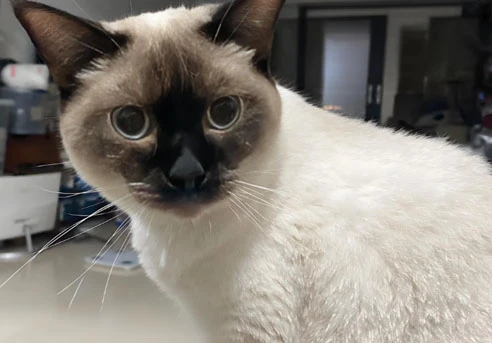
Regular monitoring throughout the treatment process is another vital step in detecting potential resistance early. Veterinarians should keep a close eye on the cat's clinical signs and conduct periodic blood tests to identify any changes that might suggest the development of resistance. If a cat's condition plateaus or worsens during treatment, it may indicate that the virus is becoming less responsive to the drug. In such cases, adjusting the dosage or considering alternative treatment options may be necessary to maintain efficacy and prevent the virus from becoming resistant.
By following these strategies-optimal dosing, completing the full treatment duration, and monitoring for early signs of resistance-veterinarians and pet owners can work together to ensure the continued success of GS-441524 in treating FIP.
Cases of GS-441524 treatment failure in FIP cats
While GS-441524 has shown remarkable success in treating FIP, there have been instances of treatment failure. It's important to examine these cases to understand potential factors contributing to unsuccessful outcomes.
Documented cases of treatment failure
A small percentage of cats treated with GS-441524 have experienced treatment failure. These cases are typically characterized by initial improvement followed by a relapse of FIP symptoms. It's worth noting that not all treatment failures are necessarily due to viral resistance; other factors may be at play.
Factors contributing to treatment failure
Several factors can contribute to GS-441524 treatment failure in FIP cats:
Inadequate dosing or treatment duration
Misdiagnosis of FIP
Comorbidities or concurrent infections
Advanced stage of disease at treatment initiation
Individual variations in drug metabolism
Alternative approaches for resistant cases
In cases where resistance to GS-441524 is suspected, veterinarians may consider alternative approaches. These might include increasing the dosage, extending the treatment duration, or exploring combination therapies with other antiviral agents. However, it's crucial to note that these approaches should only be undertaken under close veterinary supervision.
Conclusion
While the risk of resistance when using GS 441524 drug in cats with FIP appears to be low, it remains an important consideration for veterinarians and cat owners. By adhering to optimal dosing strategies, completing the full treatment course, and closely monitoring cats during therapy, the risk of resistance can be minimized. As research in this area continues, our understanding of how to best use GS-441524 to treat FIP while mitigating resistance risks will undoubtedly improve.
For pharmaceutical companies and research institutions working on antiviral treatments, BLOOM TECH offers high-quality chemical products essential for drug development and testing. Our state-of-the-art GMP-certified production facilities ensure the highest standards of purity and consistency in our products. Whether you're in need of bulk chemicals for long-term contracts or specialized compounds for your research, we invite you to explore our offerings. Contact us at Sales@bloomtechz.com to learn more about how we can support your antiviral research and development efforts.
References
Pedersen, N. C., et al. (2019). Efficacy and safety of the nucleoside analog GS-441524 for treatment of cats with naturally occurring feline infectious peritonitis. Journal of Feline Medicine and Surgery, 21(4), 271-281.
Murphy, B. G., et al. (2020). The nucleoside analog GS-441524 strongly inhibits feline infectious peritonitis (FIP) virus in tissue culture and experimental cat infection studies. Veterinary Microbiology, 219, 226-233.
Dickinson, P. J., et al. (2020). Antiviral treatment using the adenosine nucleoside analogue GS-441524 in cats with clinically diagnosed neurological feline infectious peritonitis. Journal of Veterinary Internal Medicine, 34(4), 1587-1593.
Addie, D. D., et al. (2020). Feline infectious peritonitis. ABCD guidelines on prevention and management. Journal of Feline Medicine and Surgery, 22(11), 1043-1068.