


In the past few years, metabolic science has made huge strides in figuring out how nuclear sensors control the balance of energy in cells. SLU PP 332 Capsules have become an important research tool for studying estrogen-related receptor (ERR) signaling pathways because of these changes. Because of the unique way it interacts with ERR proteins, this compound has caught the attention of study groups, science companies, and pharmaceutical companies all over the world. Figuring out what this research chemical is made of and how it works helps scientists look into new options in studying metabolic control. Pharmaceutical and research labs are always looking for reliable sources of high-purity chemicals that meet strict quality standards. As researchers try to learn more about nuclear receptor biology, the need for specific study chemicals like SLU PP 332 Capsules has grown a lot.
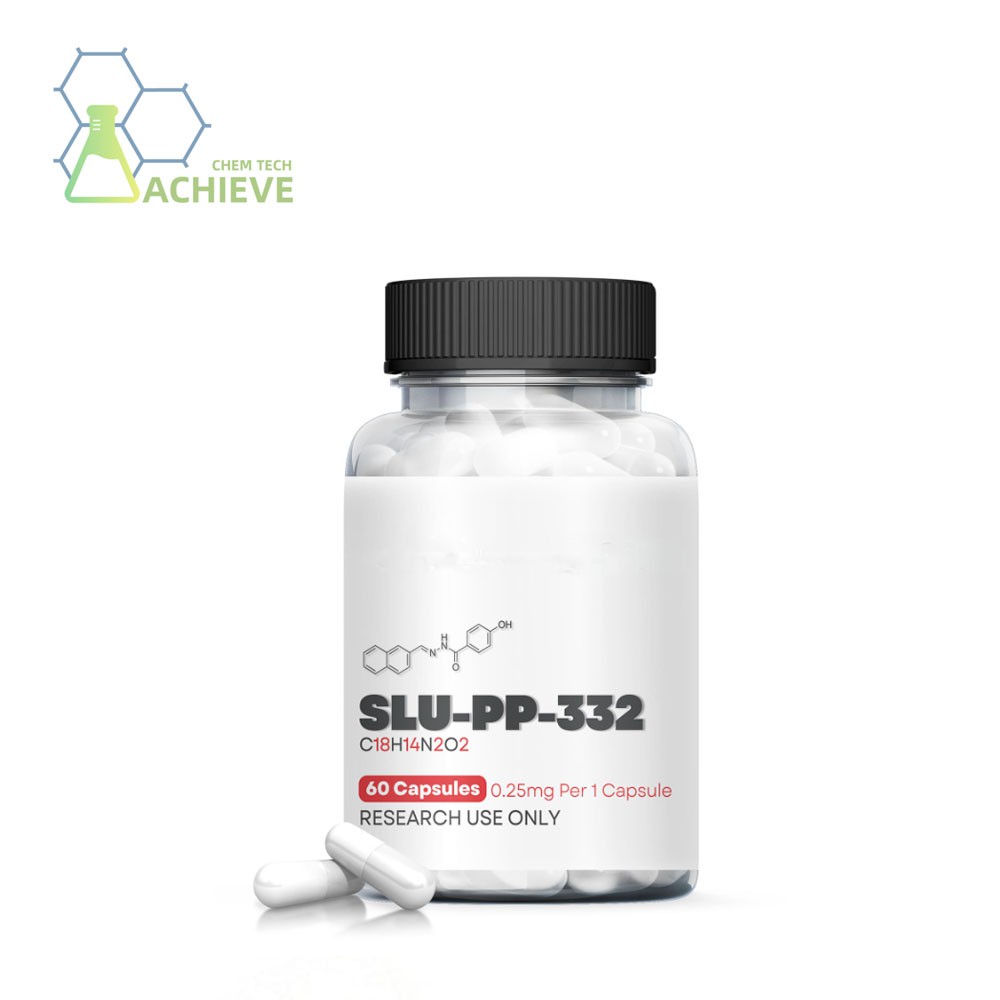
1.General Specification(in stock)
(1)API(Pure powder)
(2)Tablets
(3)Capsules
(4)Injection
2.Customization:
We will negotiate individually, OEM/ODM, No brand, for secience researching only.
Internal Code: BM-6-012
4-hydroxy-N'-(2-naphthylmethylene)benzohydrazide CAS 303760-60-3
Main market: USA, Australia, Brazil, Japan, Germany, Indonesia, UK, New Zealand , Canada etc.
Manufacturer: BLOOM TECH Xi'an Factory
Analysis: HPLC, LC-MS, HNMR
Technology support: R&D Dept.-4
We provide SLU-PP-332 capsules, please refer to the following website for detailed specifications and product information.
Product:https://www.bloomtechz.com/oem-odm/capsule-softgel/slu-pp-332-capsules.html

What Is the Composition of SLU PP 332 Capsules?
Chemical Structure and Molecular Characteristics
In order to connect with estrogen-related receptor proteins, SLU PP 332 Capsules contain a manufactured small molecule. The active pharmaceutical ingredient has a complicated chemical structure with many aromatic rings and functional groups placed in a way that allows them to connect specifically to ERR receptor sites. The chemical formula is the result of careful design work that tried to get the best receptor affinity while keeping good pharmacokinetic qualities.


The structure of the compound includes certain stereochemical arrangements that are necessary for cellular action. These parts of the structure decide how the molecule fits into the binding pocket of the receptor and affect how it changes shape later on. The purity requirements usually call for amounts higher than 98% to make sure that the results of experiments are consistent and that impurities don't mess up the data analysis.
Quality Specifications for Research Applications
Each batch of SLU PP 332 Capsules must come with a lot of paperwork from research groups. Certificates of analysis give a lot of information about the chemicals that are in something, how pure it is, how much solvent is still present, and the results of microbial tests. This paperwork helps with following the rules and lets researchers check to see if the material meets the needs of their experiments.


Most storage instructions call for controlled temperatures to keep chemicals stable over long periods of time. The right way to handle a chemical keeps it from being exposed to wetness and oxidative degradation, such as SLU PP 332 Capsules, which could damage its structure. These quality concerns make sure that the things investigators use meet the highest standards for study.

ERR Agonist Activity of SLU PP 332 Capsules Explained
Mechanism of ERR Receptor Activation
The main thing that SLU PP 332 Capsules can do biologically is act as specific agonists for estrogen-related receptors. These nuclear receptors control how genes are expressed in ways that affect mitochondrial production, respiratory metabolism, and energy use.
The chemical changes the shape of ERR proteins when it binds to them, which helps coactivator proteins join in and boosts transcriptional activity. There are different types of estrogen-related receptors, called isoforms, such as ERRα, ERRβ, and ERRγ.
Each one is found in different tissues and has a different physiological function. Researchers can use the selection ratings of SLU PP 332 Capsules to figure out how different ERR subtypes contribute on their own.
Because of this sensitivity, the molecule is very useful for studying how receptors work and how certain chemicals work.
Comparison with Alternative ERR Modulators
In the world of study chemicals, there are many different ERR modulators with different levels of action. Because it is an agonist and a selective compound, SLU PP 332 Capsules are in a unique situation.
Researchers can learn more about how structures affect functions and make better molecules by comparing this substance to inverse agonists or specific ERR modulators.
Different substances might have different pharmacokinetic qualities, receptor subtype selectivities, or levels of effectiveness.
Researchers choose which tools to use based on the biology questions they want to answer and the goals of their experiments.
There are many ERR modulators available, which let us fully explore these receptor systems from different angles.
How Do SLU PP 332 Capsules Activate ERR Pathways?
Ligand-Receptor Binding Dynamics
When SLU PP 332 Capsules molecules move through cell membranes and into the nucleus, SLU PP 332 Capsules, where ERR receptors are located, the activation process starts. The compound finds certain structural traits in the receptor's ligand-binding region and sets off a chain of molecular events. Several non-covalent interactions, such as hydrogen bonds, hydrophobic contacts, and van der Waals forces, work together to keep the ligand-receptor complex stable.


Kinetic studies show the rates of binding, dissociation, and association, which affect how long a receptor is activated. The length of time that SLU PP 332 Capsules stay in the binding pocket impacts the strength and longevity of signaling reactions further down the line. These changes in time are significant when planning experiments and figuring out what time-course data means.
Transcriptional Regulation and Gene Expression Changes
When ERR-coactivator complexes are activated, they bind to estrogen-related response elements (ERREs), which are DNA sequences that are found in the promoter and enhancer regions of target genes. This DNA binding puts the receptor complex in a position to work with RNA polymerase II and basal transcription factors, which speed up the start of transcription. The stimulation of ERR controls genes that make proteins that are involved in many biochemical processes. Some important target groups are mitochondrial respiratory chain components, fatty acid oxidation enzymes, and glucose metabolism controllers. The resulting changes in translation reshape cellular metabolic capacity and energy production routes, giving us a better understanding of how ERR works in the body.


Structural Profile of SLU PP 332 Capsules as ERR Modulators
Three-Dimensional Structure and How Receptors Work Together
Using X-ray crystallography and computer modeling for structural biology studies has shed light on how the active ingredient in SLU PP 332 Capsules fits into the ERR ligand-binding pocket.
The three-dimensional structure shows exactly where the drug atoms and receptor amino acid residues touch each other. These thorough structural findings show how agonist activity and receptor selectivity work at the molecular level.
The ligand-binding domain has a unique fold that is found in all nuclear receptors. It is made up of three layers of alpha helices stacked on top of each other.
SLU PP 332 Capsules fill a hydrophobic space in this structure, forming shape-complementary and electrostatic interactions.
Different ERR subtypes have different levels of selectivity, which is explained by changes in the amino acids that make them up.
Computational Modeling and Prediction
Today's computer chemistry methods let us guess how chemical structures will connect with ERR receptors before they are made. Molecular docking simulations figure out how to place SLU PP 332 Capsules in receptor binding spots and how strong the interactions are.
Molecular dynamics studies show how the ligand-receptor complex changes over time. This helps us understand how stable the binding is and how flexible the conformation is.
These computer methods speed up finding by putting compounds in order of how likely they are to have the qualities that are wanted. Virtual screening of chemistry libraries finds candidates that need to be tested in the lab.
Combining computational and experimental methods makes strong interactions that help study into ERR and drug development.

Functional Role of ERR Activation in SLU PP 332 Capsules
Metabolic Pathway Regulation
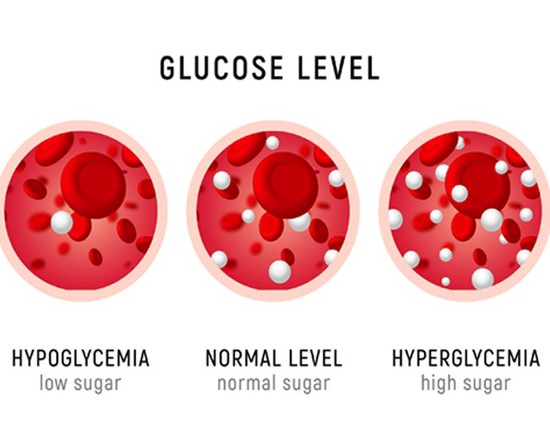
When SLU PP 332 Capsules turn on ERR, it affects many metabolic processes that are all linked. One of the most important SLU PP 332 Capsules responses is mitochondrial formation, which leads to more mitochondria and better oxidative ability. This change includes coordinated upregulation of mitochondrial proteins encoded by the nucleus and better mitochondrial activity. Fatty acid oxidation pathways respond to ERR activity by making more carnitine palmitoyltransferase enzymes and other parts of lipid metabolism. The ability of cells to use fatty acids as energy sources has been improved by these changes. Changes are also seen in glucose metabolism, with effects on the production of glycolytic enzymes and the rate at which reactive glucose is removed.
Cellular Energy Homeostasis
Cellular energy balance is changed by the coordinated biochemical changes that happen when ERR is activated. As the performance of the mitochondrial respiratory chain gets better, more ATP can be made. Cells that were treated with SLU PP 332 Capsules are better able to keep their energy charge when their metabolism is under stress. These changes in energy use have effects on our knowledge of how the body works and the diseases that are marked by metabolic disorders. Some uses for research are looking into mitochondrial diseases, parts of metabolic syndrome, and metabolic loss that comes with getting older. It is very helpful to study chemistry to figure out how ERR signals and energy metabolism are connected.


Research Applications and Experimental Models
Scientists use SLU PP 332 Capsules in a wide range of experimental setups, from animal studies to cell culture models. Cell-based assays let us look into signaling cascades and gene expression responses in great depth. For different study questions, primary cells and differentiated cell lines each have their own benefits. Using animals as models lets us look at how ERR activation affects the whole body's metabolism and how different tissues react to it. Researchers give the substance to different parts of the body in different ways and then look at results like how much energy is used, what substrates are used, and how tissue-specific genes are expressed. These in vivo studies add to the work that has been done on cells and help us understand the physiological effects of ERR better.

Conclusion
Looking into SLU PP 332 Capsules shows that they are a complex study tool with a clear composition and known ERR agonist features. The chemical makeup of the molecule allows certain receptors to connect with it in a way that changes its shape, recruits a coactivator, and starts metabolic gene programs. Structure-based insights shed light on the molecular basis for biological activity, while functional studies show that these insights have huge impacts on how cells use energy. High-quality ERR modulators like SLU PP 332 Capsules are useful for researchers studying metabolic control, mitochondrial function, and nuclear receptor biology. The compound's selectivity profile and well-studied chemistry support molecular studies that aim to figure out how receptor-specific functions work. As the field moves forward, tools like these keep making it possible for new finds that help us learn more about how metabolism works and what kinds of treatments might work. For study projects that use specialized chemical compounds, it is important to have quality control, complete records, and dependable supply lines. Companies that need to regularly get their hands on research-grade materials look for providers that know how hard it is to do pharmaceutical research and follow the rules.
FAQ
What purity level can I expect from SLU PP 332 Capsules for research applications?
+
-
Researchers-grade SLU PP 332 Capsules usually meet purity standards of ≥98%, which can be seen by HPLC measurement. For each batch, there is full analysis paperwork with thorough characterization data, such as results from mass spectrometry and NMR spectroscopy. This high level of cleanliness makes sure that impurities don't get in the way of the experiments too much and helps make sure that the results can be repeated in other studies. Quality control procedures make sure that the amount of heavy metals, residual solvents, and microbes present stays within accepted limits for study uses.
How should SLU PP 332 Capsules be stored to maintain stability?
+
-
For SLU PP 332 Capsules to keep their chemical structure over time, they need to be stored in the right way. The chemical should be kept in cases that are tightly sealed and out of the light, ideally in a refrigerator between 2°C and 8°C. Reducing the amount of time that something is exposed to air and water helps stop degradation processes that could harm its cleanliness and activity. As stated in the document of analysis, the material stays stable for long periods of time when treated properly. To avoid humidity, researchers should let containers reach room temperature before opening them.
What documentation accompanies each batch of SLU PP 332 Capsules?
+
-
Each package of SLU PP 332 Capsules comes with a full certificate of analysis that lists the exact analytical data for each batch. There is information in this paper about using spectroscopic methods to prove a chemical's identity, HPLC to check for purity, residue solvent tests, heavy metal analysis, and microbial quality verification. Material safety data sheets (MSDS) and handling instructions are some other technical papers that help keep labs safe. This detailed paperwork helps researchers make sure that the materials they use meet the needs of their experiments and also helps them follow the rules for research projects.
Partner with BLOOM TECH: Your Trusted SLU PP 332 Capsules Supplier
BLOOM TECH is ready to be your dedicated partner when your research calls for high-quality SLU PP 332 Capsules that are consistently available. We offer research-grade chemicals that are backed by three levels of quality assurance. We have more than 12 years of experience in organic synthesis and pharmaceutical intermediates. Our GMP-certified factories have been checked by the CFDA, US-FDA, PMDA, and EU, so you can be sure that every batch meets the top standards around the world. As a reliable provider of SLU PP 332 Capsules, we offer full analytical paperwork, including HPLC, MS, and NMR data, to back up your study methods. Our professional team offers a one-stop service with clear pricing and dependable operations. We give each question the attention it deserves. We know how important it is for your ongoing study projects that batches are always the same and that the supply chain is stable. Are you ready to make sure you have enough high-quality SLU PP 332 Capsules? Email our expert team at Sales@bloomtechz.com right now to talk about your unique needs. We're excited to help you with your science findings because we are dedicated to quality, dependability, and customer satisfaction.
References
1. Giguère V. Transcriptional control of energy homeostasis by the estrogen-related receptors. Endocrine Reviews. 2008;29(6):677-696.
2. Deblois G, Giguère V. Functional and physiological genomics of estrogen-related receptors in health and disease. Biochimica et Biophysica Acta. 2011;1812(8):1032-1040.
3. Ranhotra HS. Estrogen-related receptor alpha and mitochondrial biogenesis: A prospective molecular target for therapeutic intervention in metabolic disorders. Journal of Molecular Medicine. 2015;93(6):595-606.
4. Audet-Walsh É, Giguère V. The multiple universes of estrogen-related receptor α and γ in metabolic control and related diseases. Acta Pharmacologica Sinica. 2015;36(1):51-61.
5. Huss JM, Kopp RP, Kelly DP. Peroxisome proliferator-activated receptor coactivator-1α plays a critical role in the expression of genes governing mitochondrial oxidative phosphorylation. Journal of Biological Chemistry. 2002;277(29):25791-25797.
6. Tennessen JM, Baker KD, Lam G, Evans J, Thummel CS. The Drosophila estrogen-related receptor directs a metabolic switch that supports developmental growth. Cell Metabolism. 2011;13(2):139-148.