


Ear mites are one of the most annoying parasites that plague dogs and cats. These tiny little parasites make their home in the ear canal, causing incessant itching, a black, waxy discharge, and secondary infections that, if left untreated, may cause some considerable suffering. Pet owners and veterinary experts have long been searching for a medication that is very effective and really simple to give.
The Fluralaner tablet has been a powerful response to that demand. An easier choice than injecting topical drops directly into a pet's ear, a method many animals reject, is an oral systemic alternative, which works from the inside out, reaching parasites via the bloodstream with a single dosage with fluralaner tablet. The next sections will discuss how it works, why it is reliable in controlling ear mites and why it is a favoured option in integrated parasite management programs.
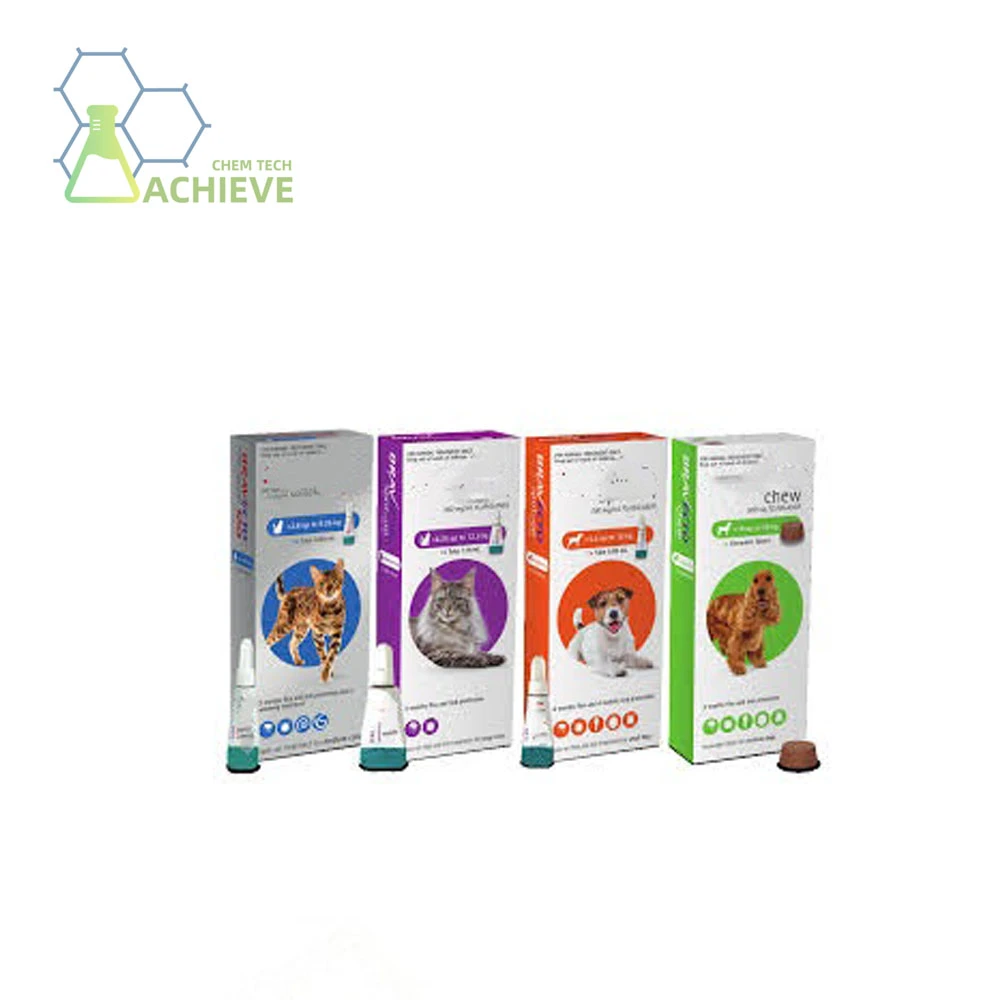
Fluralaner Tablet
1.General Specification(in stock)
(1)Solution
(2)Tablet
(3)Injection
(4)Spray
(5)Drops
2.Customization:
We will negotiate individually, OEM/ODM, No brand, for secience researching only.
Internal Code:BM-2-079
Fluralaner CAS 864731-61-3
Main market: USA, Australia, Brazil, Japan, Germany, Indonesia, UK, New Zealand , Canada etc.
Manufacturer: BLOOM TECH Xi'an Factory
Analysis: HPLC, LC-MS, HNMR
Technology support: R&D Dept.-4
How Does Fluralaner Tablet Target Ear Mites After Oral Administration?
Absorption and Systemic Circulation
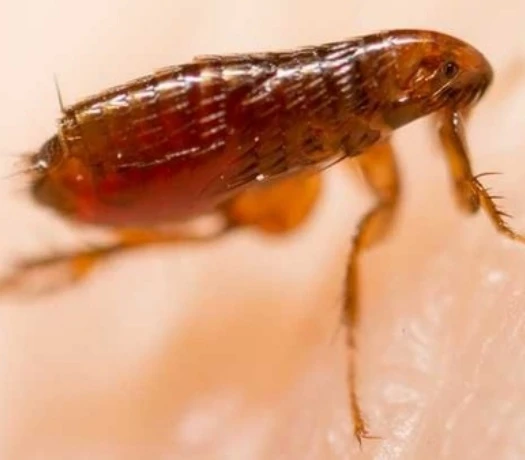
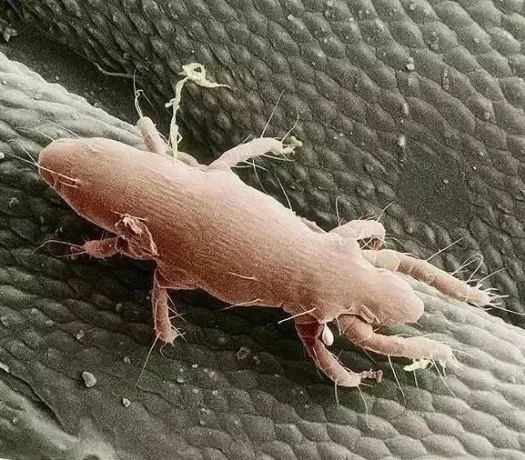
Upon ingestion of a fluralaner tablet, the active ingredient is absorbed from the gastrointestinal tract into systemic circulation. The medicine is widely distributed throughout the tissues of the body including the skin, subcutaneous fat and the lining of the ear canal. The ear mite species that causes most ear mite infections in companion animals is Otodectes cynotis . The mite feeds by biting into skin tissue. It immediately takes the medicine in on its bite. This approach eliminates the difficulty of placing medicine into a small, delicate ear canal without causing distress to the animal.
Why Oral Delivery Changes the Equation
Traditional topical treatments for ears need proper placement in the ear canal, frequently necessitating constraint and repetitive handling. An oral approach removes all those variables. Fluralaner tablet is distributed systemically so it may reach mites in any location in or around the ear. According to veterinary parasitology literature, a single oral dosage of fluralaner causes a considerable decrease in mites within 72 hours and full eradication in 14 days under controlled trial settings.
Fluralaner Tablet and Ear Mites: Understanding the Parasite Elimination Mechanism
Neurological Disruption at the Ion Channel Level
The way the fluralaner tablet kills ear mites boils down to ion channel pharmacology. Fluralaner binds to the gamma-aminobutyric acid (GABA)-gated chloride ion channels and the glutamate-gated chloride ion channels of arthropod nerve cell membranes. The medication binds to these channels . It stops chloride ions from entering nerve cells . It causes uncontrolled neuronal excitement . The mite's nervous system basically can't manage electrical signalling and it dies fast and is paralysed.
Selective Safety for Mammals
The selectivity of this mechanism is one of the reasons for the confidence in veterinary medicine.
Mammalian GABA receptors are mostly found in the central nervous system and are protected by the blood brain barrier . The blood brain barrier is not very permeable to the medication at therapeutic levels . This anatomical difference implies that the same mechanism that is fatal for Otodectes cynotis has no corresponding neurologic impact on dogs or cats with fluralaner tablet. The chemical is safely metabolised by the host animal via normal hepatic routes, but it is toxic only to the neurological system of the parasite.
How Systemic Distribution of Fluralaner Tablet Supports Ear Mite Control in Pets
Reaching Mites Beyond the Ear Canal
Ear mite infestations never remain just in the ear canal. Otodectes cynotis may spread to the face, neck and tail especially in cats. The fluralaner tablet operates systemically, that is, the active ingredient is distributed through the body via the blood stream and is available to mites feeding on skin tissue wherever on the body. This systemic oral therapy covers the complete body, unlike localised topical treatments that only treat the point of direct contact.
Duration of Protective Effect
In companion animals, fluralaner has a lengthy half-life with effective plasma concentrations maintained for around 12 weeks in dogs and a comparable time in cats after a single dosage.
This long retention period implies that when any eggs hatch after first dosing, the mites will meet fatal drug concentrations once they begin eating. Therefore, the active mites and the newly developed mites of the same treatment cycle may be treated by one oral dosage.
Fluralaner Tablet for Dogs and Cats: A Convenient Approach to Managing Mite-Related Problems
Reducing Pet Stress During Treatment
Many dogs get quite anxious when owners try to give ear drops or undertake ear cleaning operations. Behavioural reactions such as vocalisation, head shaking, and physical resistance sometimes result in inconsistent and unpleasant topical ear treatments for both the cat and the carer. Oral tablet delivery, usually with meals, decreases the handling needed and diminishes the sensory unpleasantness of direct ear contact. Reduced handling stress is frequently recognised as a relevant element in compliance with treatment in the veterinary behaviour literature.
Comparable Efficacy in Both Species
Evidence from clinical studies supports the use of fluralaner tablet in canine and feline patients.
A published research in cats indicated that a single oral dosage achieved >90% mite removal within 72 hours and a 100% cure rate at day 14. Parallel evaluations of dogs with genuine Otodectes cynotis infections yielded similar results. The tablet format enables for accurate weight-based dosing across a wide range of animals to achieve optimum therapeutic concentrations.
The Role of Fluralaner Tablet in Integrated Flea, Tick, and Ear Mite Protection Strategies
Multiparasitic Coverage from a Single Agent
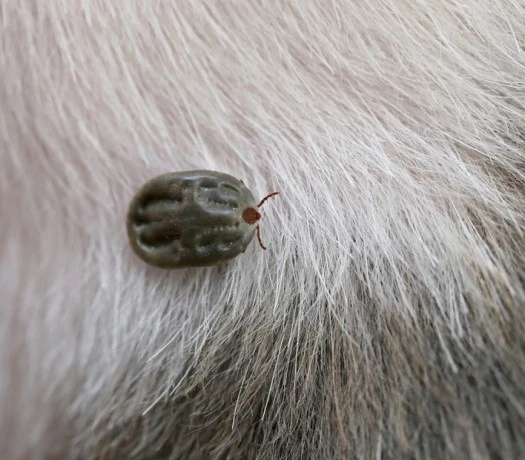
One of the most practical benefits of fluralaner tablet in a complete parasite control program is its wide spectrum of activity. The same substance used to treat ear mite infections also kills fleas within 12 hours of injection and kills important tick species including Ixodes scapularis, Dermacentor variabilis, and Rhipicephalus sanguineus. For pet owners with animals facing various parasite issues concurrently – a common scenario in outdoor or multi-pet homes - combining protection into one oral medicine greatly simplifies the treatment plan.
Supporting Long-Term Parasite Management Protocols
Year-round protection is becoming more desirable than reactive, episode-based treatment in veterinary parasite management.
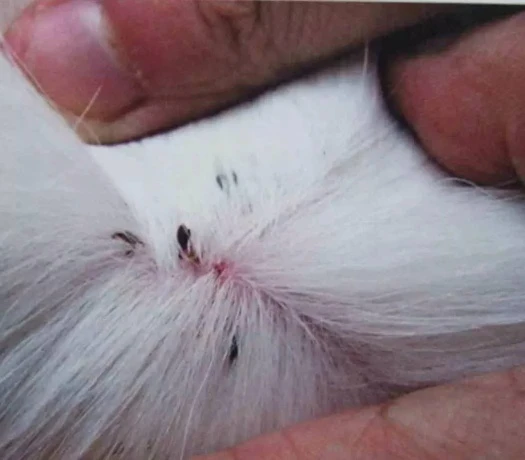
The long acting quality of the fluralaner tablet fits well into this paradigm. It maintains the systemic levels of the medicine required to control fleas, ticks and mites at the same time, given regularly. This combination means households have fewer prescription supplies to handle, helping to ensure compliance and reducing the overall handling strain for both dogs and people.
Conclusion
Ear mite infections respond reliably to fluralaner tablet because the drug's systemic distribution model addresses the parasite wherever it feeds - not only within the ear canal. Its precise neurological mechanism, extended duration of action, and documented efficacy in both dogs and cats make it a scientifically grounded choice for pet owners and veterinary professionals seeking consistent results. Combined with its broad-spectrum coverage against fleas and ticks, fluralaner tablet supports a streamlined, practical approach to year-round companion animal parasite protection.
Frequently Asked Questions
Q1: Can fluralaner tablet be used for ear mite treatment in cats as well as dogs?
+
-
Yes. Clinical studies confirm effective Otodectes cynotis elimination in both species following a single oral dose, with a 100% cure rate documented at day 14 in feline trials.
Q2: How quickly does fluralaner tablet begin working against ear mites?
+
-
The active compound reaches parasitically lethal concentrations in skin and ear tissue rapidly after absorption. Over 90% of ear mites are eliminated within 72 hours, and complete clearance is typically achieved within 14 days.
Q3: Is it necessary to combine fluralaner tablet with topical ear drops for ear mite treatment?
+
-
Systemic administration alone has demonstrated complete eradication in clinical settings. Some veterinarians recommend a concurrent ear cleaning to remove debris and discharge, but additional antiparasitic topical agents are generally not required when a full-dose oral treatment protocol is followed.
Partner with Bloomtechz for Reliable Fluralaner Tablet Supply
If you are sourcing a high-quality fluralaner tablet supplier for veterinary, research, or pharmaceutical applications, Bloomtechz brings over 12 years of organic chemistry manufacturing experience to every order. Our GMP-certified production facility in Xi'an holds certifications from the US FDA, EU GMP, PMDA, and CFDA, ensuring that every batch meets the rigorous quality standards your project demands. We provide HPLC, LC-MS, and HNMR analytical documentation, triple-link quality verification, and full flexibility for OEM/ODM customization - from pure powder to finished tablet or injection formats. Whether you need a small research quantity or large-scale bulk supply, our dedicated R&D and quality teams are prepared to support your requirements with accuracy on pricing, lead time, and documentation. Reach out today and discover why 24 internationally recognized companies trust Bloomtechz as their qualified chemical supplier.
Contact us: Sales@bloomtechz.com
References
1. Taenzler, J., de Vos, C., Roepke, R.K.A., Frénais, R., & Heckeroth, A.R. (2014). Efficacy of fluralaner against Otodectes cynotis infestations in dogs and cats. Parasites & Vectors, 7(1), 1–6.
2. Beugnet, F., de Vos, C., Liebenberg, J., Halos, L., & Larsen, D. (2016). Efficacy of oral afoxolaner and fluralaner tablet formulations for the treatment of naturally acquired flea and tick infestations in companion animals. Veterinary Parasitology, 228, 107–113.
3. Dorr, P.M., Seewald, W., & Roepke, R.K.A. (2017). Pharmacokinetic profile of fluralaner in dogs following a single oral administration. Journal of Veterinary Pharmacology and Therapeutics, 40(5), 494–499.
4. Rust, M.K. (2020). The biology and ecology of cat fleas and advancements in their pest management: A review. Insects, 11(1), 26.
5. Romero, C., Heredia, R., Pineda, J., & Serrano-Rodríguez, J.M. (2020). Systemic acaricides for the control of Otodectes cynotis in companion animals: A structured review. Veterinary Dermatology, 31(3), 187–e41.
6. Walther, F.M., Allan, M.J., Roepke, R.K.A., & Nunn-Brooks, L. (2014). The effect of food on the pharmacokinetics of oral fluralaner in flea- and tick-free healthy cats. Parasites & Vectors, 7(1), 490.