


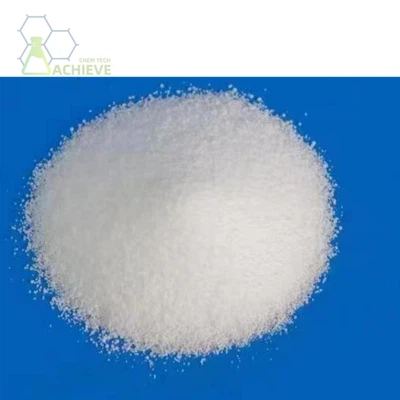
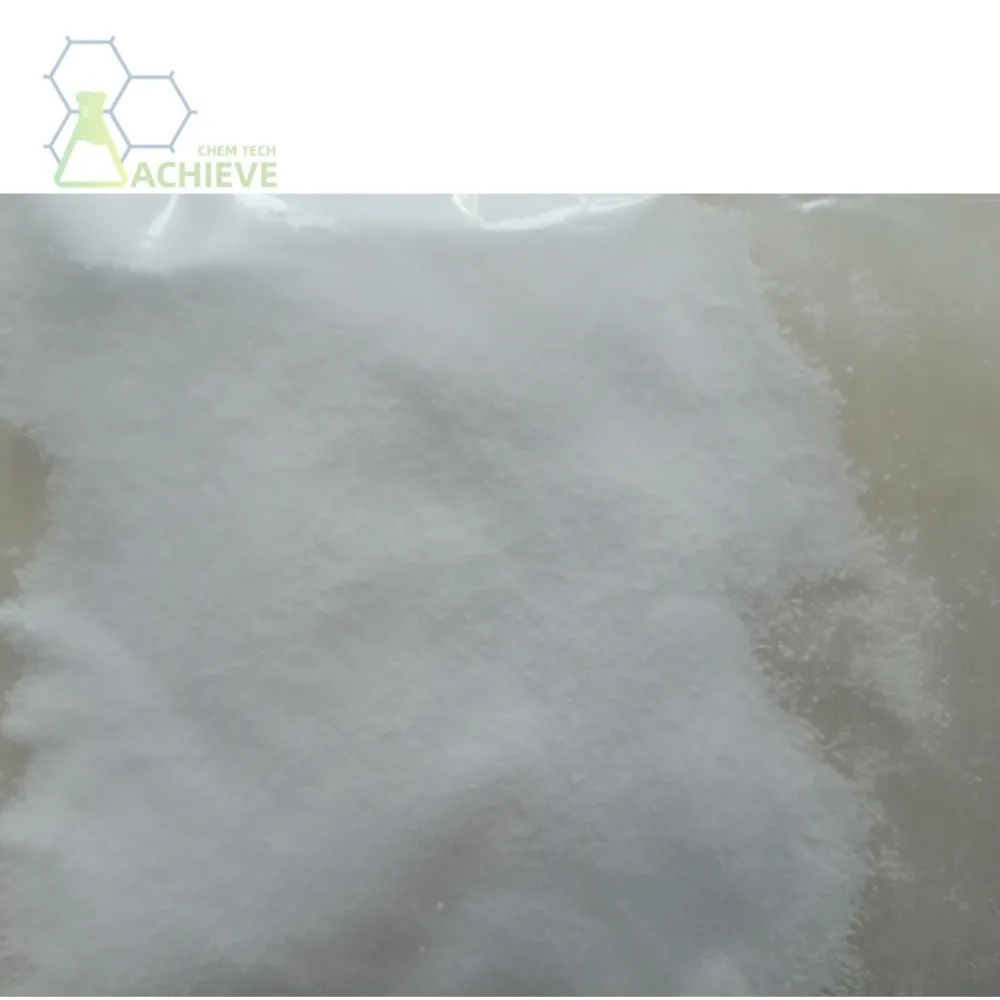
1,3-Dimethylpentylamine hydrochloride, also known as 2-amino-4-methylhexane hydrochloride or DMAA, is the Chinese name for 1,3-dimethylpentylamine hydrochloride. This compound has a wide range of applications in various fields such as medicine, health products, catalysts, etc. It is usually a white or off white solid with certain stability and chemical activity, and is easily soluble in water. As an important intermediate in pharmaceutical synthesis, it participates in the synthesis process of various drugs. Its specific chemical structure and properties make it a key component in the construction of drug molecules. It is also commonly used as a functional additive in health products to increase energy, refresh the mind, and enhance body vitality. For athletes, it is particularly effective in helping them maintain their optimal state while limiting heat or gathering energy. If a leakage or contact accident occurs, emergency measures should be taken immediately. For skin contact, contaminated clothing should be immediately removed and rinsed with plenty of flowing water for at least 5 minutes; For eye contact, immediately lift the eyelids, thoroughly rinse with plenty of flowing water or saline for at least 5 minutes, and seek medical attention as soon as possible. After inhaling the compound, one should quickly leave the scene and move to a place with fresh air, keep the respiratory tract unobstructed, and take emergency measures such as oxygen therapy or artificial respiration. Those who accidentally consume it should rinse their mouth with water and be given substances that protect the gastric mucosa, such as milk or egg white, and seek medical attention as soon as possible.
We provide 1,3-Dimethylpentylamine Hydrochloride CAS 13803-74-2, please refer to the following website for detailed specifications and product information.
What are the side effects of this compound?
1,3-dimethylpentamine hydrochloride is a chemical with multiple uses, especially in the fields of medicine and health products. However, like many other chemicals, they may also have some side effects. The following possible side effects may occur:
The oral LD50 (median lethal dose) of rats is 470mg/kg, indicating that ingestion of this substance at this dose may lead to the death of half of the individuals in rats. The dermal LD50 of rabbits is 600mg/kg, indicating that in rabbits, skin contact with this dose of substance may also cause death in half of the individuals. Although animal experimental data cannot be directly applied to humans, these data suggest that if the human body ingests or comes into contact with sufficiently high doses, it may also have serious toxic effects.
Health hazards
Long term or high concentration inhalation of this substance may cause irritation to the respiratory tract, leading to symptoms such as difficulty breathing, coughing, and throat discomfort. Accidental or excessive intake may cause discomfort in the digestive system, such as nausea, vomiting, abdominal pain, etc. In severe cases, it may also cause damage to organs such as the liver and kidneys. Long term skin contact may cause symptoms such as irritation, redness, and pain. In severe cases, it may also cause skin inflammation or allergic reactions. Direct eye contact may cause symptoms such as stinging, tearing, and redness. In severe cases, it may also cause damage to vision.
Neurological effects
This compound has a certain central nervous system excitatory effect. Excessive intake may lead to overexcitement of the nervous system, resulting in symptoms such as anxiety, tension, and insomnia. Long term use or excessive intake may lead to distraction and affect work and study efficiency.
Effects on the cardiovascular system
1,3-dimethylpentanamine hydrochloride may stimulate the cardiovascular system, leading to increased heart rate and blood pressure. This is particularly dangerous for patients with cardiovascular disease. In some cases, excessive intake may lead to arrhythmia and increase the risk of heart attack.
Metabolic system impact
This compound is often used as a weight loss ingredient in health products. However, its weight loss effect may be accompanied by some adverse reactions, such as loss of appetite, malnutrition, etc. Long term excessive intake may affect the normal function of the endocrine system, leading to hormonal imbalances.
Other potential side effects
Some individuals may develop allergic reactions to this compound, manifested as symptoms such as rash, itching, and difficulty breathing. When used together with other drugs, there may be interactions that affect the efficacy or increase the risk of adverse reactions. Long term extensive use may lead to the body becoming dependent on it, and withdrawal symptoms may occur once the medication is discontinued.
Suggestions for safe use
When using drugs or health products containing 1,3-dimethylpentanamine hydrochloride, it is necessary to follow the recommended dosage and usage methods on the doctor's advice or instructions. When in contact with the substance, appropriate personal protective equipment such as chemical safety goggles, work clothes, and rubber gloves should be worn. Long term extensive use may increase the risk of adverse reactions. Therefore, long-term use without medical advice should be avoided. When using products containing this compound, doctors should be informed of other medications they are using to avoid drug interactions. If any discomfort symptoms occur, stop using immediately and seek medical attention.
Conclusion
1,3-dimethylpentanamine hydrochloride, as a chemical with multiple uses and broad application prospects, plays an important role in the fields of medicine, health products, fine organic synthesis, and catalysts. However, its safety and regulatory issues cannot be ignored. Enterprises need to strictly comply with relevant safety operating procedures and environmental regulations, strengthen technological innovation and industrial upgrading, focus on environmental protection and sustainable development, and actively expand international markets to cope with future market competition and challenges. There are also multiple possible side effects. When using, it is necessary to follow the recommended dosage and usage methods on medical advice or instructions, and pay attention to personal protection and drug interactions. If any discomfort symptoms occur, seek medical attention immediately and inform the doctor of the product being used. At the same time, for specific populations (such as pregnant women, breastfeeding women, cardiovascular disease patients, etc.), the opinion of a doctor or professional should be consulted before use.