


Feline Infectious Peritonitis (FIP) is a devastating disease that affects cats of all ages. The emergence of GS-441524 injection as a promising treatment has brought hope to many cat owners. However, the efficacy and side effects of this medication can vary depending on the age of the cat. In this comprehensive guide, we'll explore how age impacts the treatment of FIP with GS-441524, providing valuable insights for veterinarians and cat owners alike.
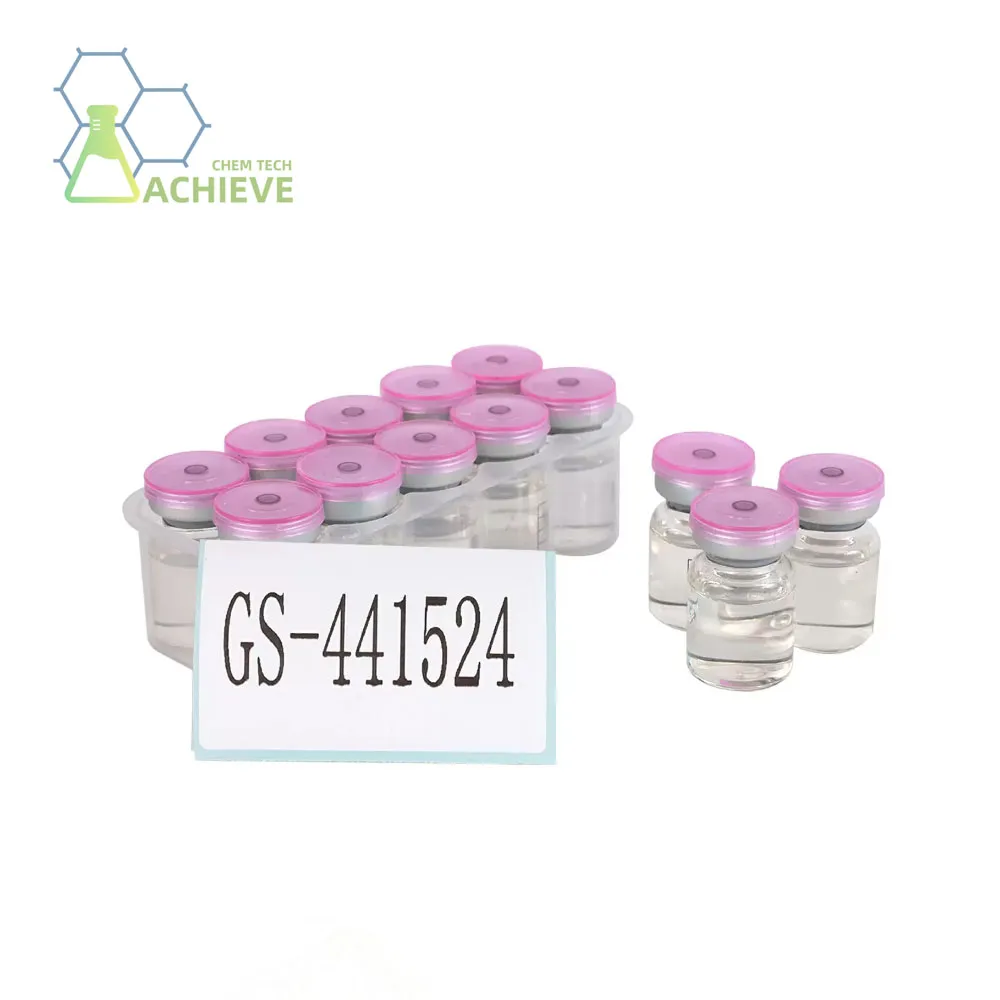
GS-441524 Injection
1.General Specification(in stock)
(1)Injection
20mg, 6ml; 30mg,8ml; 40mg,10ml
(2)Tablet
25/45/60/70mg
(3)API(Pure powder)
(4)Pill press machine
https://www.achievechem.com/pill-press
2.Customization:
We will negotiate individually, OEM/ODM, No brand, for secience researching only.
Internal Code: BM-3-001
GS-441524 CAS 1191237-69-0
Analysis: HPLC, LC-MS, HNMR
Technology support: R&D Dept.-4
We provide GS-441524 injection, please refer to the following website for detailed specifications and product information.
Product:https://www.bloomtechz.com/oem-odm/injection/gs-441524-injection.html
Is GS-441524 less effective in older cats with FIP?
The age of a cat can indeed influence the effectiveness of GS-441524(https://en.wikipedia.org/wiki/GS-441524) treatment for FIP. While this antiviral medication has shown remarkable results across various age groups, there are some notable differences in its efficacy between younger and older cats.
Age-related immune system changes
As cats age, their immune systems undergo significant changes. These alterations can affect how well older cats respond to GS-441524 treatment. Some key factors include:
Decreased immune cell production
Reduced ability to recognize and respond to pathogens
Slower healing processes
These age-related immune changes may result in a less robust response to GS-441524 in older cats compared to their younger counterparts. However, it's important to note that effectiveness can vary on a case-by-case basis, and many older cats still benefit significantly from the treatment.


Treatment success rates across age groups
Research has shown that while GS-441524 injection can be effective in cats of all ages, there are some differences in success rates:
Kittens and young adult cats (under 2 years): Highest success rates, often exceeding 90%
Adult cats (2-7 years): Good success rates, typically around 80-85%
Senior cats (over 7 years): Lower success rates, ranging from 60-75%
It's crucial to emphasize that these statistics are general trends, and individual cats may respond differently regardless of age. Factors such as overall health, FIP progression, and concurrent medical conditions can all influence treatment outcomes.
Challenges in treating older cats
Treating older cats with GS-441524 can present unique challenges:
Comorbidities: Older cats are more likely to have other health issues that may complicate treatment
Reduced organ function: Age-related decline in kidney and liver function can affect drug metabolism
Stress sensitivity: Older cats may be more susceptible to stress from frequent injections and veterinary visits
Despite these challenges, many veterinarians have successfully treated older cats with GS-441524, adapting protocols as needed to ensure the best possible outcomes.

Dosage adjustments for kittens vs. adult cats
The age of a cat plays a significant role in determining the appropriate dosage of GS-441524. Veterinarians must carefully consider age-related factors when prescribing this medication to ensure optimal efficacy and minimize potential side effects.
Standard dosing guidelines
While individual cases may require adjustments, the following general dosing guidelines are often used for GS-441524 treatment:
Kittens and young cats (under 1 year): 4-5 mg/kg daily
Adult cats (1-7 years): 5-6 mg/kg daily
Senior cats (over 7 years): 6-8 mg/kg daily
These dosages are typically administered via subcutaneous injection once daily for a minimum of 12 weeks. However, treatment duration may be extended based on the cat's response and clinical progress.
Factors influencing dosage in kittens
When treating kittens with GS-441524 injection, several factors must be considered:
Rapid growth: Kittens grow quickly, necessitating frequent weight checks and dose adjustments
Developing organs: Immature liver and kidneys may affect drug metabolism
Stress sensitivity: Younger kittens may be more prone to stress from injections
To address these concerns, veterinarians may start with lower doses and gradually increase as needed, closely monitoring the kitten's response to treatment.
Considerations for adult and senior cats
Adult and senior cats present their own set of considerations when it comes to GS-441524 dosing:
Metabolic differences: Older cats may metabolize the drug more slowly, requiring dose adjustments
Concurrent medications: Many senior cats are on other medications, which may interact with GS-441524
Body condition: Overweight or underweight cats may need dosage modifications
Veterinarians often start with standard dosages for adult and senior cats, but may adjust based on individual response and tolerability.
Importance of personalized treatment plans
While age-based dosing guidelines provide a starting point, it's crucial to emphasize the importance of personalized treatment plans. Each cat is unique, and factors such as disease severity, overall health status, and individual response to treatment must be considered when determining the optimal GS-441524 dosage.
Regular monitoring, including blood work and clinical evaluations, allows veterinarians to fine-tune dosages throughout the treatment course, ensuring the best possible outcomes for cats of all ages.
Age-related side effects of GS-441524 injections
As with any medical treatment, GS-441524 injections can cause side effects. The prevalence and severity of these side effects can vary depending on the age of the cat. Understanding these age-related differences is crucial for both veterinarians and cat owners to ensure proper management and care during treatment.
Common side effects across all age groups
Regardless of age, some side effects are commonly observed in cats receiving GS-441524 injections:
Injection site reactions (soreness, swelling, or minor bruising)
Temporary loss of appetite
Mild lethargy or decreased activity
Gastrointestinal upset (nausea, vomiting, or diarrhea)
These side effects are typically mild and transient, resolving on their own or with supportive care.
Age-specific side effects in kittens
Kittens may experience some unique side effects due to their developing bodies:
Growth plate abnormalities: Rarely, kittens may develop temporary limping or gait changes
Increased sensitivity to injections: Kittens may show more pronounced pain or discomfort at injection sites
Fluctuations in energy levels: Rapid shifts between hyperactivity and lethargy may be observed
Close monitoring and gentle handling during injections can help mitigate these age-specific side effects in kittens.
Considerations for adult and senior cats
Older cats may be more susceptible to certain side effects or complications:
Kidney stress: GS-441524 is primarily excreted through the kidneys, which may be less efficient in older cats
Muscle wasting: Prolonged treatment may lead to more noticeable muscle loss in senior cats
Slower recovery from side effects: Older cats may take longer to bounce back from temporary side effects
Regular blood work and close monitoring of kidney function are particularly important for senior cats undergoing GS-441524 treatment.
Managing age-related side effects
To minimize and manage age-related side effects, consider the following strategies:
Proper injection technique: Use appropriate needle sizes and rotate injection sites to reduce discomfort
Supportive care: Provide extra comfort, warmth, and encouragement to eat for cats experiencing side effects
Pain management: Consult with your veterinarian about safe pain relief options if needed
Hydration support: Ensure adequate water intake, especially for older cats or those with kidney concerns
Nutritional support: Offer highly palatable, nutrient-dense foods to maintain body condition
By anticipating and addressing age-related side effects proactively, veterinarians and cat owners can help ensure a more comfortable and successful treatment experience for cats of all ages.
Long-term effects and follow-up care
While GS-441524 has shown remarkable efficacy in treating FIP, long-term effects of the treatment may vary based on the cat's age:
Kittens: May require ongoing monitoring of growth and development
Adult cats: Generally return to normal health with minimal long-term effects
Senior cats: May need continued support for age-related health issues
Regular follow-up appointments and periodic health checks are recommended for all cats who have undergone GS-441524 treatment, regardless of age. This allows for early detection and management of any potential long-term effects or recurrence of FIP.
Conclusion
The age of a cat significantly impacts various aspects of GS-441524 treatment for FIP, including efficacy, dosing, and side effects. While younger cats generally respond more favorably to treatment, many older cats also benefit substantially from GS-441524 therapy. For owners who gs 441524 buy online, the key to successful treatment lies in personalized care plans, close monitoring, and adaptability to each cat's unique needs.
As research in this field continues to evolve, veterinarians and cat owners must stay informed about the latest developments in age-specific protocols for GS-441524 treatment. By understanding and addressing the unique challenges posed by different age groups, we can optimize treatment outcomes and give cats of all ages the best possible chance at overcoming FIP.
If you're a veterinary professional or work in the pharmaceutical industry and are interested in high-quality, GMP-certified chemical products like GS-441524, BLOOM TECH is here to support your needs. With our state-of-the-art production facilities and expertise in various chemical reactions and purification methods, we can provide the high-quality materials you need for your research or production. For more information on our products or to discuss your specific requirements, please don't hesitate to reach out to us at Sales@bloomtechz.com. Our team is ready to assist you in advancing your work in feline health and beyond.
References
1. Pedersen, N. C., et al. (2019). Efficacy and safety of the nucleoside analog GS-441524 for treatment of cats with naturally occurring feline infectious peritonitis. Journal of Feline Medicine and Surgery, 21(4), 271-281.
2. Murphy, B. G., et al. (2020). Treatment of cats with feline infectious peritonitis with GS-441524. Animals, 10(11), 2089.
3. Addie, D. D., et al. (2020). Feline infectious peritonitis. ABCD guidelines on prevention and management. Journal of Feline Medicine and Surgery, 22(11), 1028-1048.
4. Dickinson, P. J., et al. (2020). Antiviral treatment using the adenosine nucleoside analogue GS-441524 in cats with clinically diagnosed neurological feline infectious peritonitis. Journal of Veterinary Internal Medicine, 34(4), 1587-1593.