


There have been many changes in parasite control and most of this change is due to the way specific substances interact with nervous system structures on a microscopic level. Milbemycin oxime tablets are one of the most advanced developments in veterinary antiparasitic treatment. Their action is based on a specific mechanism, which acts on ion channels found in parasites but generally not in mammals. This selective activity accounts for the continued efficacy of the chemical against heartworm larvae and intestinal nematodes, while retaining a good safety profile for dogs and cats. The knowledge of the ion channel activity of this macrolide derivative assists veterinarians, researchers and purchasing teams to understand why this chemical remains a trusted option in markets across the world. We'll go into what happens at the cellular and molecular scales when milbemycin oxime pills get to the nervous system of a parasite in this post. We'll distilll the complicated pharmacology into consumable, useful facts.
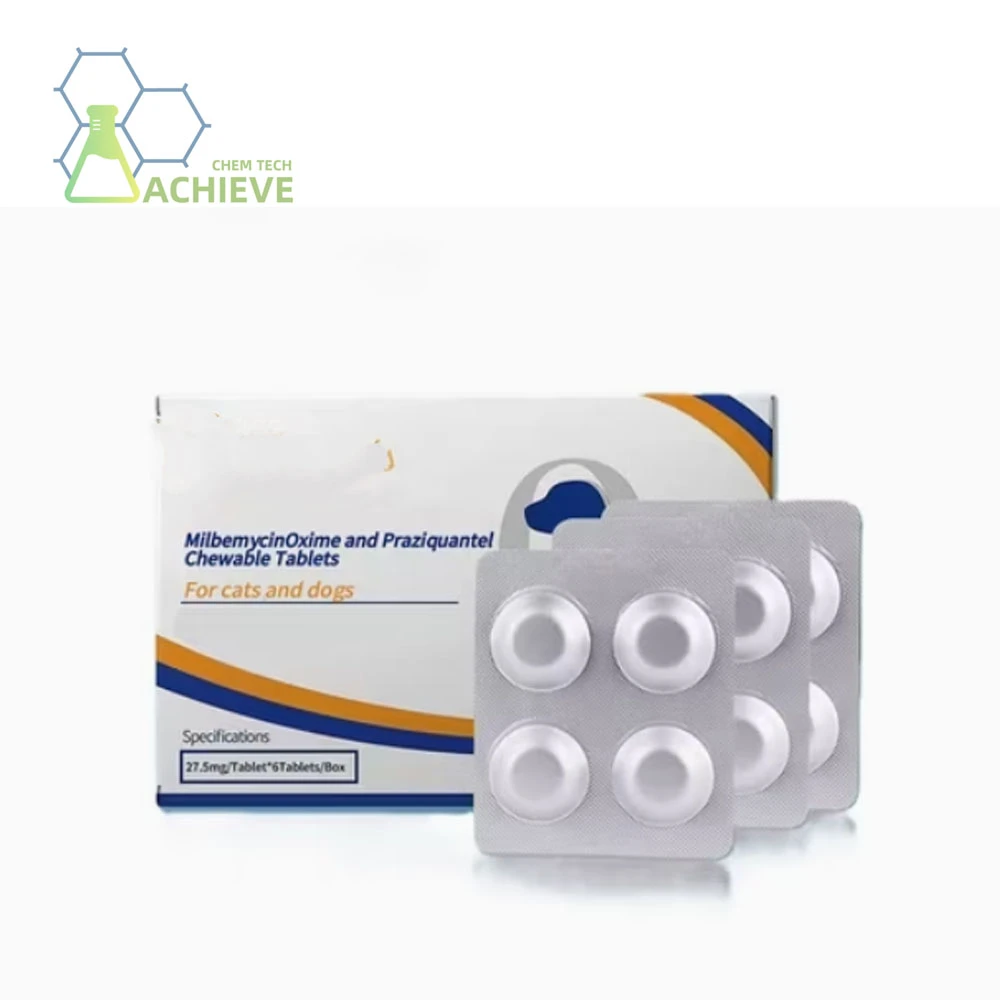
Milbemycin Oxime Tablets
1.General Specification(in stock)
(1)API(Pure powder)
(2)Tablets
For dogs:2.3mg/5.75mg/11.5mg/23.0mg
For cats: 5.75mg/11.5mg/23.0mg
(3)Pill press machine
https://www.achievechem.com/pill-press
2.Customization:
We will negotiate individually, OEM/ODM, No brand, for secience researching only.
Internal Code: BM-2-067
Milbemycin oxime CAS 129496-10-2
Main market: USA, Australia, Brazil, Japan, Germany, Indonesia, UK, New Zealand , Canada etc.
Manufacturer: BLOOM TECH Xi'an Factory
Analysis: HPLC, LC-MS, HNMR
Technology support: R&D Dept.-4
How Does Milbemycin Oxime Tablet Interact With Glutamate-Gated Chloride Channels?
The parasites have a neurological system that is physically different from that of mammals, and here is where the action of the milbemycin oxime pill is most fascinating. Glutamate-gated chloride channels (commonly GluCl channels) are found in invertebrates such as worms and arthropods but not in vertebrate species. That difference is the biological foundation for the selective toxicity that makes milbemycin oxime tablets so valuable in small animal treatment.
The Role of Glutamate in Parasite Nervous Systems
Glutamate is a neurotransmitter in many different creatures , but in worms it is the only substance that binds to the GluCl receptors on the membranes of neurons and pharyngeal muscles . Under physiological settings glutamate binding to these receptors causes chloride influx into the cell, generating an inhibitory signal. Milbemycin oxime tablet chemicals act like and enhance this natural mechanism by attaching to allosteric areas on the receptor and not the glutamate binding site.
Binding Affinity and Receptor Specificity
Macrolide endectocides, particularly milbemycin derivatives, have been found in laboratory binding tests to bind with high affinity to GluCl receptor subunits.
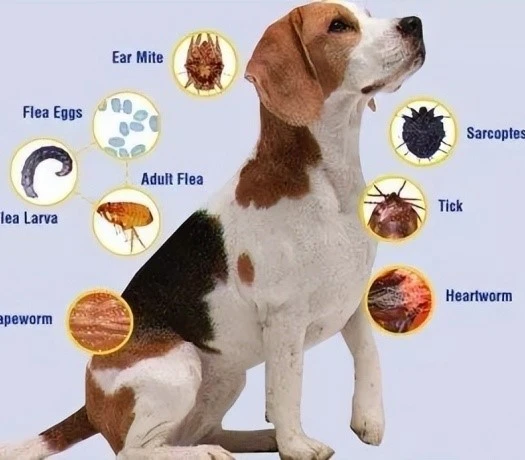
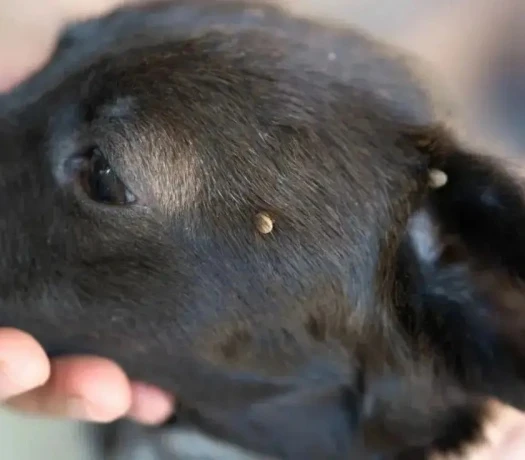
This binding is not competitive with glutamate yet works as a positive allosteric modulator . This has the practical consequence that even very low concentrations of milbemycin oxime tablets may lead to prolonged channel opening, and this accounts for the relatively modest dosage frequency at which the chemical is effective, such as the once per month dosing regimen frequently employed for heartworm prevention.
Why Mammalian Cells Remain Largely Unaffected
In mammals there are no glutamate-gated chloride channels in peripheral or central nervous system. Mammalian inhibitory signaling depends mostly on GABA-gated chloride channels, which have a distinct structural design.
Milbemycin oxime tablet molecules have much less affinity for these kinds of mammalian channels at therapeutic levels and the blood-brain barrier further inhibits entry into the central nervous system in healthy animals. The safety margin of the medicine is well known and is due to this combination of selective binding and restricted penetration and has been borne out by decades of veterinary pharmacology study.
Milbemycin Oxime Tablet and the Molecular Regulation of GluCl Receptor Activity
However, the molecular control of GluCl receptor activation is far more complicated than simple binding and includes a cascade of structural changes within the receptor complex itself. The understanding of this mode of regulation explains the dependable parasiticidal performance of milbemycin oxime tablets against a wide range of target species.
Allosteric Modulation and Conformational Shifts
Binding of a milbemycin oxime tablet compound to its allosteric site on the GluCl receptor induces a conformational change in the receptor that stabilizes the open channel state. This is different to direct channel blockers. Instead of closing the pore, the molecule basically locks the channel into a conformation that promotes chloride flow. Researchers exploring macrocyclic lactones utilizing electrophysiological recordings have shown this stabilizing effect by showing longer channel opening lengths after compound treatment.
Subunit Composition and Receptor Diversity
GluCl receptors are pentameric and may include several kinds of subunits .
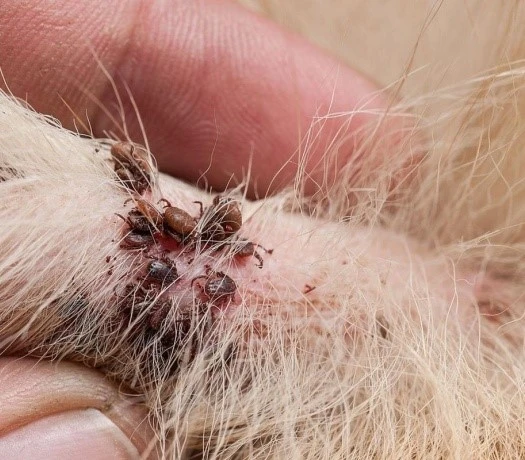

The specific composition of the subunits may affect the binding of a certain drug . Nematode species express several forms of the GluCl subunit and formulations of milbemycin oxime tablets have been shown to be active across this variety, adding to the broad-spectrum character of the medicine. And that cross-reactivity to diverse subunit configurations is part of why the pills work against hookworms, roundworms and whipworms, not only heartworm larvae.
Desensitization Patterns and Prolonged Efficacy
An interesting characteristic of the pharmacology of GluCl receptors is that receptors treated with milbemycin oxime tablet compounds exhibit delayed desensitization relative to glutamate alone.
Ordinarily, prolonged stimulation with a neurotransmitter generates a gradual decline in the response of the receptors, a protective mechanism against over-stimulation. It seems that macrolide binding slows this desensitization process down, indicating that the inhibitory chloride current lasts longer than it would with natural ligand binding alone. This prolonged current leads to a persistent paralysis of the parasite's neuromuscular system and it is this that eventually impacts the parasite's capacity to live and grow in the host.
How Does Milbemycin Oxime Tablet Increase Chloride Ion Conductance in Parasite Neurons?
Functionally, activation of GluCl receptors leads to increased conductance of chloride ions and this electrical consequence is key to understanding the mechanism of action of the medication. Chloride conductance is a measure of the ease with which chloride ions may traverse the neuronal membrane when the channel opens. Milbemycin oxime pills cause a substantial increase in chloride conductance in sensitive parasites.
Opening the Chloride Channel Pore
Under typical resting circumstances , GluCl channels are generally blocked , and so little chloride may flow . When a milbemycin oxime tablet molecule attaches to the receptor, the channel pore opens wide enough to admit a significant flow of chloride ions into the neuron, therefore locking the previously mentioned open conformation. This is because of the electrochemical gradient . Usually the concentration of chloride is greater outside the cell than within at resting potential .
Quantifying the Conductance Increase
Patch-clamp investigations on isolated nematode muscle and nerve preparations have shown considerable increases in whole-cell chloride current after exposure to macrolide compounds chemically similar to milbemycin oxime.We give quantitative proof that these measures are a repeatable, observable electrical event rather than a theoretical idea of conductance increase. The rise in current is dosage dependent and the size of increase corresponds to the concentration of the molecule . This dose response corresponds to the known effectiveness data of the medicine .
Downstream Effects on Neuronal Firing
Increased chloride conductance directly influences the neuron's capacity to produce action potentials.
The inflow of chloride shifts the membrane potential to a greater negative value, making it more difficult for the neuron to attain the threshold to depolarize. Normal cycles of depolarization and repolarization are needed for neurons to properly send messages .For parasites this means disturbed communication between the nervous system and muscle tissue. This disturbance is the functional foundation of the paralysis discussed in following sections. This sequence of events-binding, increased conductance, interruption of firing-explains why milbemycin oxime pills are categorized as neuromuscular-targeting antiparasitics, rather than metabolic or digestive inhibitors.
Milbemycin Oxime Tablet-Induced Changes in Neuronal Membrane Potential
The above-discussed variations in chloride conductance correspond directly to quantifiable changes in neuronal membrane potential. These changes are the electrical fingerprint of the action of milbemycin oxime tablets and are responsible for the physical result seen in treated parasites.
Hyperpolarization as a Protective Mechanism Turned Lethal
Membrane hyperpolarization is the process in which the inside of the cell gets more negatively charged than the outside. This is precisely what occurs when milbemycin oxime tablet binds to the GluCl receptors and causes chloride influx. In a healthy, unexposed neural system, short hyperpolarization episodes are regulatory, allowing neurons to reset after they fire. But if the hyperpolarization is persistent and global (because channels are open), the neuron loses all of its functional flexibility.
Impact on Pharyngeal Pumping and Locomotion
Nematode parasites have GluCl receptors that are highly enriched in the pharyngeal muscle that regulates feeding,


and motor neurons that drive movement.This prolonged hyperpolarization of these tissues prevents the cyclic muscular contraction required for the parasite to eat and migrate. As one of the first detectable indicators of drug action in laboratory nematode models, the halt of pharyngeal pumping has been reported by researchers who have studied ivermectin and similar macrolides, which have the same GluCl mechanism as milbemycin oxime. This starve the parasite effectively. This is only an addition to the already starting paralyzing impact.
Long-Term Consequences for Parasite Viability
If the membrane potential is suppressed for a long time,
the neuromuscular coordination of the parasite is so severely damaged that normal physiological activities can no longer be restored even after the concentration of the medication starts to decrease.That constant disturbance, rather than instant death, is part of the reason regular dosage regimens are so important in veterinary procedures. "By missing doses, parasite populations can regain some neuromuscular function, which is why product labeling for milbemycin oxime tablets emphasizes strict monthly administration for heartworm prevention. Larval maturation is stopped by maintaining stable plasma concentrations which results in the ongoing suppression of membrane potential.
Selective GluCl Channel Activation by Milbemycin Oxime Tablet in Invertebrates
Selectivity is perhaps the most therapeutically relevant component of milbemycin oxime tablets. This characteristic must be highlighted as it immediately responds to the safety concerns regularly voiced by pet owners and veterinarians. This preference is not coincidental, but rather reflects anatomical and genetic distinctions between the invertebrate and vertebrate nervous systems.
Structural Differences Between Invertebrate and Vertebrate Channels
Genes for GluCl receptor subunits have been found in the genomes of worms, insects and several other invertebrates but have no direct homolog in the human genome. Vertebrates, however, use glycine-gated and GABA-gated chloride channels to perform analogous inhibitory signaling activities. The amino acid sequences and binding pocket shape of these mammalian channels are sufficiently different from GluCl receptors that milbemycin oxime tablet compounds bind with much decreased affinity, if at all, at normal physiological drug concentrations.
Species-Specific Pharmacokinetic Safeguards
Another layer of protection comes from pharmacokinetic considerations, in addition to receptor-level selectivity.

In mammals, macrolide compounds like milbemycin oxime are pumped out of the central nervous system by P-glycoprotein transporters and hence, under normal circumstances, restrict entry into the brain. This transporter system serves as a supplemental safety net to ensure that the low affinity of these drugs for mammalian GABA receptors seldom produces clinical effects at acceptable veterinary dose levels. Some dog breeds have genetic changes that influence this transporter protein and need extra careful dose consideration, which is why formulation guidelines recommend specific dosing by body weight across the 2.3mg, 5.75mg, 11.5mg and 23.0mg tablet strengths offered for dogs and cats.
Broad-Spectrum Activity Across Invertebrate Parasites
This selective targeting mechanism of GluCl is not nematode specific. Other related invertebrate parasites, including certain ectoparasites of companion animals, have similar glutamate-gated chloride channel architectures, which helps to explain the wide range of activity that is known for milbemycin oxime tablets in veterinary treatment. Pharmaceutical teams and R&D agencies looking for active pharmaceutical ingredients for antiparasitic formulations often target this mechanism in new product development, as broad invertebrate selectivity without mammalian central nervous system risk provides a desirable profile for regulatory approval processes in markets such as the USA, Australia, Japan and the European Union.

Conclusion
The ion channel tale underlying milbemycin oxime tablets is a surprisingly accurate mechanism based on activation of glutamate-gated chloride channels. From the first receptor binding to the conformational alterations, the increased chloride conductance, the membrane hyperpolarization and finally the broken parasite movement and feeding, each step tells a consistent story of how this macrolide derivative may provide consistent antiparasitic effects. This predilection for invertebrate neural systems over mammalian ones underpins the remarkable safety record this drug has developed in companion animal therapeutics globally. Milbemycin oxime tablets remain a scientifically sound option for pharmaceutical manufacturers, R&D teams and distributors who need a dependable active ingredient with robust pharmacological evidence, backed by extensive research and consistent clinical performance in global veterinary markets.
Frequently Asked Questions
1. What makes milbemycin oxime tablets safe for mammals despite targeting chloride channels?
+
-
Mammals lack glutamate-gated chloride channels, but have structurally distinct GABA-gated channels that have reduced binding affinity and clinical effect at therapeutic concentrations.
2. Why do milbemycin oxime tablets require monthly dosing for heartworm prevention?
+
-
Consistent dosage results in consistent plasma concentrations which provide sustained inhibition of neuronal membrane potential in developing larvae prior to them maturing into adult heartworms which cause disease.
3. Do milbemycin oxime tablets affect all parasite life stages equally?
+
-
Timing and frequent dosing are still of therapeutic importance since the chemical is mainly efficacious against actively growing larval stages and intestinal nematodes which have accessible GluCl receptors.
Bloomtechz: Your Trusted Milbemycin Oxime Tablets Partner
With over a decade of experience in synthesis of organic compounds, Bloomtechz's Xi'an GMP-certified manufacturing plant provides milbemycin oxime tablets and active pharmaceutical ingredient powder with confirmed HPLC, LC-MS and HNMR analysis. We are a competent supplier, accredited by 24 worldwide pharmaceutical and R&D organizations. Our offerings include: Triple-layer quality verification Transparent pricing Reliable lead times All monitored on our ERP platform Our technical staff offers quick help from inquiry to delivery whether your team wants bulk API, completed tablets, or OEM/ODM modification for research reasons. Select a milbemycin oxime tablets provider that is familiar with pharmaceutical-grade standards and international compliance regulations. Contact us immediately at Sales@bloomtechz.com to discuss your sourcing requirements and get a full quote.
References
1. Campbell, W. C. (2012). History of avermectin and ivermectin, with notes on the history of other macrocyclic lactone antiparasitic agents. Current Pharmaceutical Biotechnology.
2. Cully, D. F., Vassilatis, D. K., Liu, K. K., Paress, P. S., Van der Ploeg, L. H., Schaeffer, J. M., & Arena, J. P. (1994). Cloning of an avermectin-sensitive glutamate-gated chloride channel from Caenorhabditis elegans. Nature.
3. Wolstenholme, A. J., & Rogers, A. T. (2005). Glutamate-gated chloride channels and the mode of action of the avermectin/milbemycin anthelmintics. Parasitology.
4. Yates, D. M., Portillo, V., & Wolstenholme, A. J. (2003). The avermectin receptors of Haemonchus contortus and Caenorhabditis elegans. International Journal for Parasitology.
5. Prichard, R. K., & Geary, T. G. (2019). Perspectives on the utility of moxidectin for the control of parasitic nematodes in the face of developing anthelmintic resistance. International Journal for Parasitology: Drugs and Drug Resistance.
6. Shoop, W. L., Mrozik, H., & Fisher, M. H. (1995). Structure and activity of avermectins and milbemycins in animal health. Veterinary Parasitology.