


Fleas are more than just a nuisance for dogs and cats. A single flea may produce dozens of eggs in a day and, if left uncontrolled, an infestation can turn into a household issue in weeks. Pet owners, veterinarians and distributors may understand better why fluralaner has become a fundamental component of contemporary flea control when they see how it breaks this cycle. Fluralaner doesn't only kill the bugs you see, it disrupts numerous phases of flea growth, from the adult insects to the eggs and larvae they leave behind. In this post, we'll discuss what makes up a fluralaner and how it prevents fleas from reproducing, decreases environmental pollution and why its speed of action is so important in interrupting the flea cycle. It also offers practical insight into controlling recurring infestations and help on acquiring dependable fluralaner-based treatments for commercial or veterinary usage.
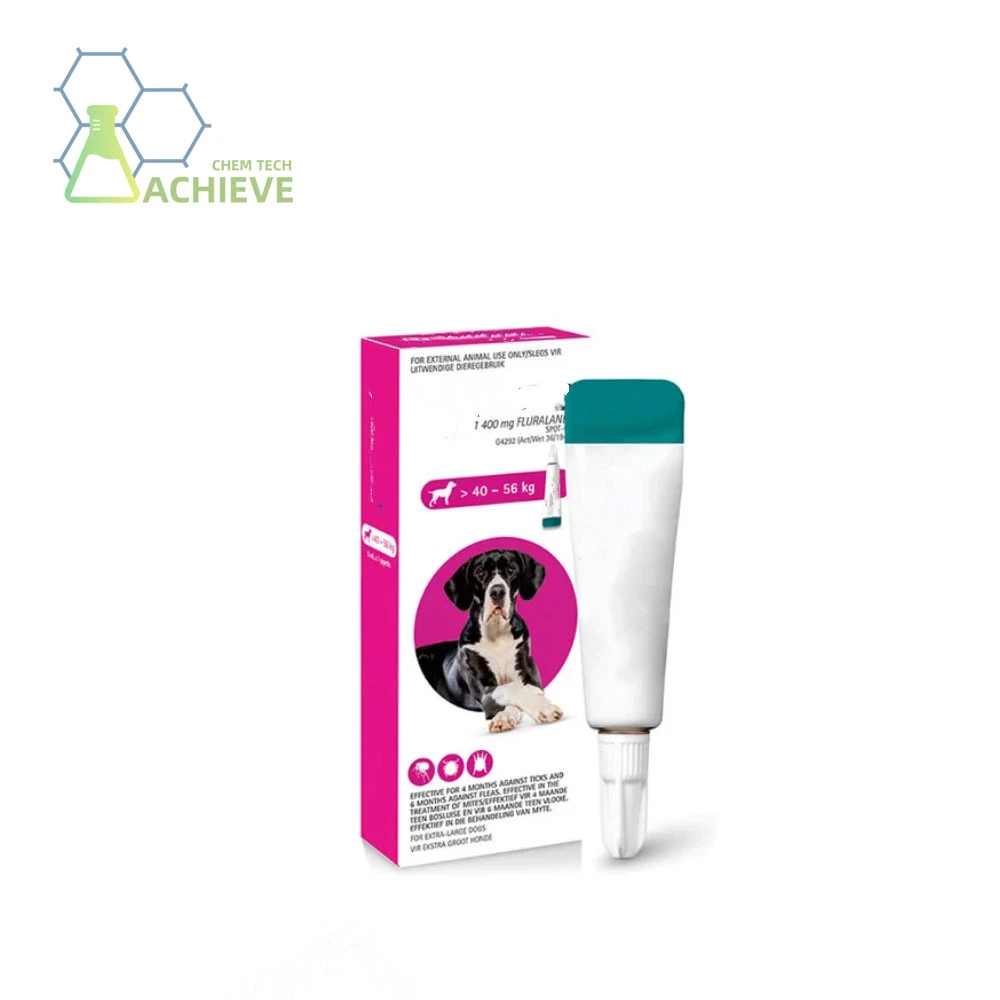
Fluralaner Drops
1.General Specification(in stock)
(1)Solution
(2)Tablet
(3)Injection
(4)Spray
(5)Drops
2.Customization:
We will negotiate individually, OEM/ODM, No brand, for secience researching only.
Internal Code:BM-9-007
Fluralaner CAS 864731-61-3
Main market: USA, Australia, Brazil, Japan, Germany, Indonesia, UK, New Zealand , Canada etc.
Manufacturer: BLOOM TECH Xi'an Factory
Analysis: HPLC, LC-MS, HNMR
Technology support: R&D Dept.-4
How Does Fluralaner Kill Adult Fleas Before They Can Reproduce?
The adult flea is the biting and visible stage of the flea life cycle and the stage that lays eggs. The first and most critical step in stopping reproduction before it begins, is to stop adult fleas fast.
Targeting the Flea Nervous System
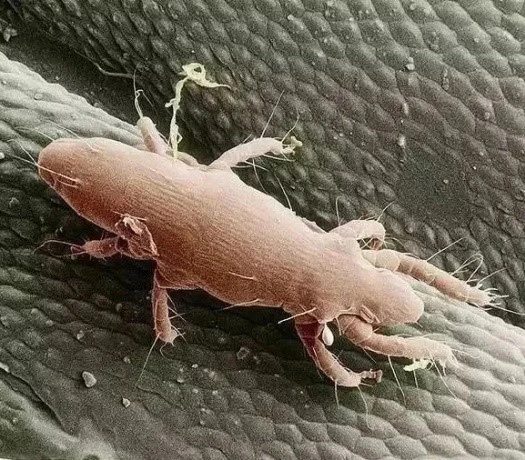
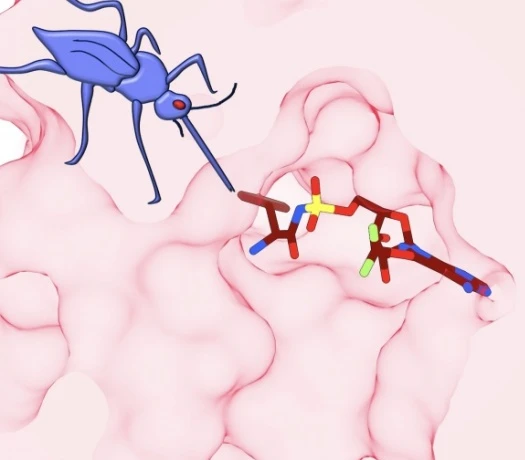
Fluralaner acts by binding to gamma-aminobutyric acid (GABA) receptors and glutamate-regulated chloride channels in the neurological systems of fleas and ticks. This binding prevents the normal flow of chloride ions, resulting in uncontrolled neuronal activity, paralysis, and death. Dogs and cats and other mammals have a blood-brain barrier to block this substance from their own central nervous system. This is why the therapy is deemed harmless for companion animals, but harmful to parasites. This selective targeting is a big reason why fluralaner is popular with veterinary specialists who require reliable, species-specific pest management.
Speed Matters: Stopping Fleas Before They Lay Eggs
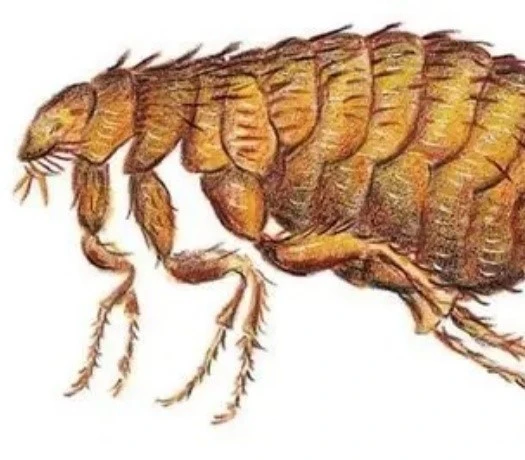
The female flea begins to produce eggs 24 to 36 hours after her first blood meal. Because the window is so small, the speed with which a product kills adult fleas is directly responsible for whether or not reproduction happens. Fluralaner starts to kill fleas quickly after ingestion and tests have shown that more than 98 percent of the fleas on a treated animal are killed within 12 hours. This quick acting effect provides the fleas little time to eat long enough to lay viable eggs and breaks the cycle before it gets started.
Why Adult Flea Elimination Breaks the Cycle
Getting rid of the adult fleas not only stops the present itching and pain. Getting rid of every adult flea means hundreds of possible eggs never get deposited. It kills everything in 48 hours so any fleas that have just hopped on a treated pet are killed before they can have a reproductive footing. Therefore, adult flea eradication is the key element in any plan to disrupt the larger flea life cycle, since all subsequent stages are dependent on the adults living long enough to reproduce. This is what veterinary parasitologists commonly refer to as breaking off the cycle at the source, rather than just treating symptoms after an infestation has already spread through a home.
Fluralaner and the Inhibition of Flea Egg Production
Even if some fleas do get a bite in before the fluralaner is fully effective, the substance also interferes with the flea's capacity to create viable eggs, offering another layer of defense against invasion.
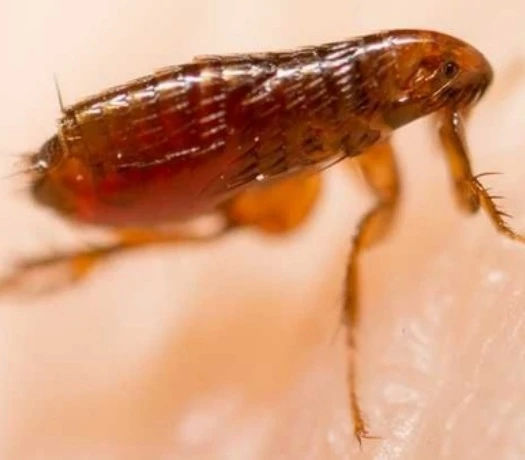
How Fluralaner Disrupts Flea Reproduction
Research has shown that fluralaner inhibits egg laying of fleas feeding on a treated host, even in the short time before death. This is important because flea eggs that are deposited but don't hatch cannot add to a growing population. The same neurotoxic effects that induce paralysis also seem to affect the reproductive systems of fleas, leading to fewer eggs being produced and a decreased viability for any eggs deposited. It kills adults and it stops the eggs from being produced, so it has this double feature, which provides fluralaner an edge over therapies that only tackle one side of the issue.
The Importance of Stopping Egg-Laying Early
A single female flea may lay more than 40 eggs a day under optimal circumstances. That one flea may potentially add hundreds of eggs to a pet's surroundings in a week. Fluralaner inhibits egg formation nearly immediately after a flea eats, and so prevents the mathematical explosion that untreated infestations tend to follow. This is particularly important in multi-pet homes, because one untreated pet may rapidly become a source of re-infestation for the whole family.
Comparing Egg Suppression Across Treatment Options
The traditional topical treatments sometimes need to be applied repeatedly and may wear off between applications,
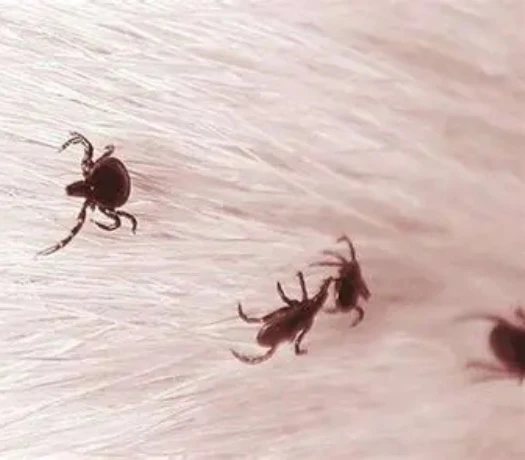
with egg production restarting in the gaps in protection. Fluralaner's long duration of action provides continuous egg suppression between treatments, rather than decreasing down. This long-term suppression helps prevent the flea population from rebuilding should there be a brief delay in treatment, for dog owners suffering from flea allergy dermatitis or homes with a history of repeated infestations. This makes for a more consistent, reliable way to avoid fleas long-term.
How Does Fluralaner Affect Flea Larvae in the Pet Environment?
Fluralaner is directly active on the pet and not on the environment, but its action on the adult flea population has a cascade effect that dramatically inhibits larval growth in carpets, beds and yards.
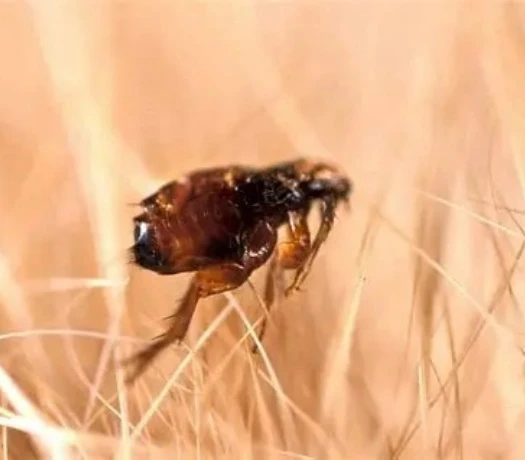
Breaking the Larval Stage Indirectly
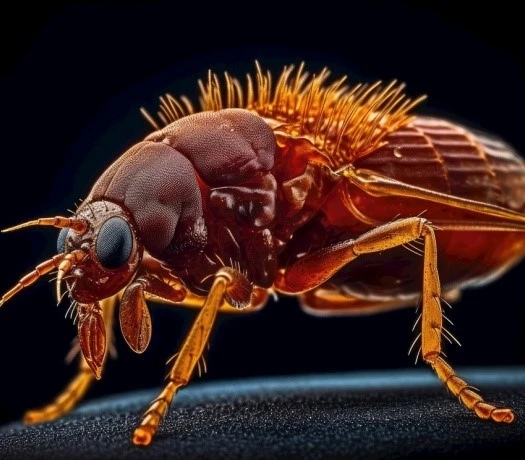
Flea larvae feed on organic matter in the environment such as the excrement of adult fleas and unhatched eggs . Here, fluralaner decreases the quantity of egg-laying adults and diminishes egg viability, so the basic resources required for larvae to survive become limited. Fewer eggs hatch into larvae . So fewer larvae mature into pupae and finally become new adult fleas. This indirect but substantial influence on the larval stage is one reason why doctors suggest treating all dogs in a home regularly since the environmental contamination frequently comes from just one or two untreated animals.
Reducing Environmental Flea Burden
Homes with carpeting, upholstered furniture or access to the outdoors are likely to have flea eggs and larvae in hard-to-reach places that washing alone can't get rid of. By targeting the source, i.e. the pet, fluralaner reduces the pace of replenishment of these environmental reservoirs. Over time , when the current larvae grow and die without being replenished by fresh eggs , the total environmental flea load decreases . This is especially useful in multi-pet families or residences that have regular visits from other animals, where re-infestation from the environment is always a possibility.
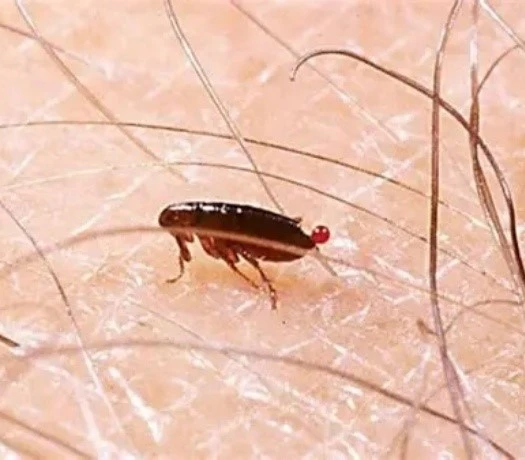
Long-Term Household Protection
A single dosage of fluralaner offers prolonged protection, keeping pressure on the flea population for weeks instead of days. This persistent activity allows the domestic environment time to remove any larvae that may be present, without a new supply of eggs coming in to replace them. Many pet owners report that after a few cycles of treatment they are seeing not just less evidence of flea activity on their pet, but that the environment itself becomes less favorable to new infestations. This prolonged change demonstrates how the effect of fluralaner on the pet transfers into flea control at the home level.
The Relationship Between Fluralaner Speed of Kill and Flea Population Decline
The speed at which a flea treatment kills is mathematically related to how soon a whole flea population dies off, hence speed of kill is one of the most critical aspects in efficient flea management.
Why Rapid Action Matters for Flea Control
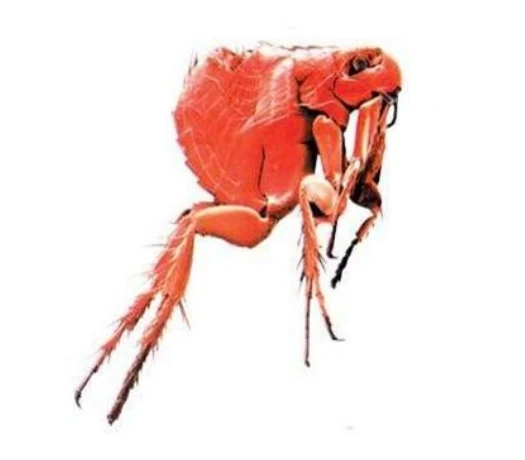
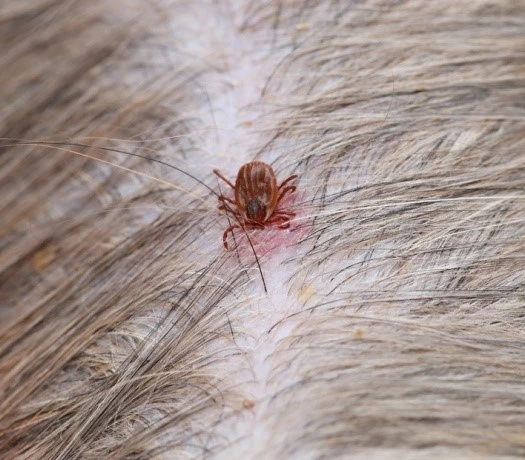
If not controlled, fleas breed exponentially. Each generation breeds faster than the preceding generation gets exterminated. A gradual killing approach enables more time for eating and egg laying and larval development to occur before the population is brought under control. Fluralaner has a fast start eliminating the majority of fleas within 12 hours and reaching complete eradication within 48 hours. This reduces the number of reproductive cycles that may occur during therapy. It is one of the reasons why the product is typically suggested for dogs with an active infestation and not only a prophylactic treatment.
Tracking Flea Population Decline Over Time
Field studies in veterinary medicine have shown significant reductions in the number of fleas on treated dogs during the first few days of treatment, with suppression sustained throughout the dosage period. This pattern shows a sustained decline, not a temporary spike followed by a recovery, as may happen with less regular therapies. Flea counts monitored over many weeks following fluralaner treatment often reveal a maintained low population that does not rebound as the medicine wears off, supporting the reputation of the compound for reliable, long-lasting control.
Sustained Protection Across the Dosing Interval
One of the benefits of fluralaner compared to shorter-acting therapies is that the efficacy does not go down steeply at the conclusion of the dosage interval. This ongoing protection ensures your pets stay protected until the next planned dosage is due, minimizing the possibility of a break in cover that may enable a new infestation to establish itself. This constancy is helpful for busy pet owners since it decreases the need to provide the exact right amount, as the margin for a little late administration is more forgiving than products that rapidly lose efficacy.
How Does Fluralaner Help Control Recurrent Flea Infestations in Dogs and Cats?
Fluralaner's speed, length and wide spectrum action is formulated to combat the most frequent reasons for repeat flea infestations: interrupted treatment courses, environmental reinfestation and irregular dosage.
Addressing Seasonal and Year-Round Flea Challenges
Fleas may stay inside year-round, even in areas with harsh winters. Homes with central heating provide a pleasant setting for them to thrive. This implies that flea prevention must be a year-round priority. Fluralaner's long-lasting efficacy provides stable, continuous protection all year round, which is especially essential for pets in multi-pet families or those who go outside often, such as hunting dogs or farm cats. Following a treatment regimen helps avoid the gaps which frequently contribute to recurrent breakouts.
Supporting Pets with Flea Allergy Dermatitis
Flea allergy dermatitis in pets may cause a very powerful reaction to flea saliva,
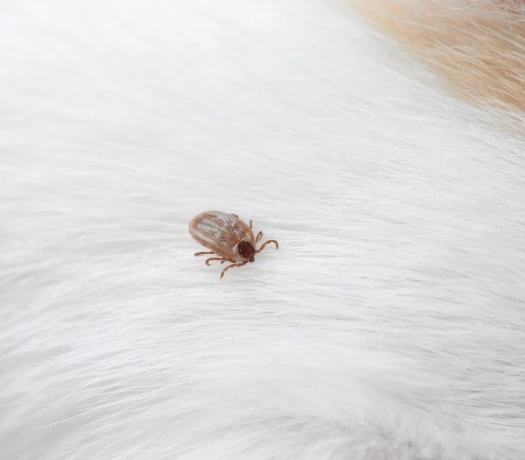
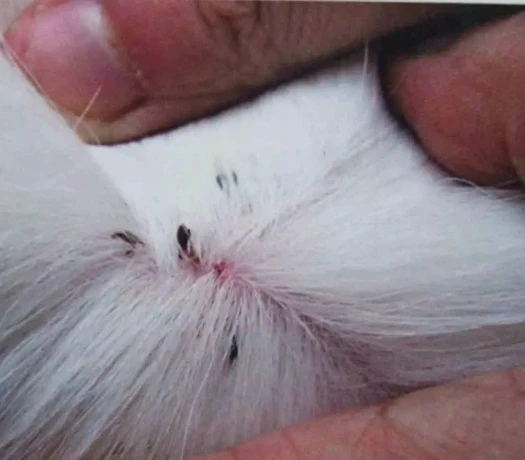
thus even a few fleas can cause a lot of itching and skin irritation. Fluralaner kills fleas rapidly and hence decreases the length of allergen exposure at each feeding session. Clinical experience has shown a decrease in itching scores of around 70 percent after 72 hours of dosing, and skin healing rates of up to 85 percent within two weeks. This quick decrease in the period that fleas feed may play a substantial role in ending the cycle of irritation and reinfestation for dogs with recurring flea-related skin disorders.
Practical Tips for Long-Term Flea Management
Repeat infestations are prevented by consistent dosage intervals,
treating every pet in a home, basic environmental cleanliness and usage of fluralaner in conjunction. The effects of the chemical on the pet itself are supplemented by washing pet bedding regularly and cleaning frequently utilized areas which may further decrease the amount of eggs and larvae present in the surroundings. By combining these practical practices with a consistent treatment regimen, pet owners and veterinary clinics may take a holistic approach to keeping flea populations under control over the long term.
Conclusion
Killing the fleas you see on your pet's coat is not enough to break the flea life cycle. Fluralaner is effective against adult fleas, prevents egg laying, prevents growth of larvae in the environment and provides continued protection at longer dosage intervals. This combination of speed and duration has made fluralaner a preferred choice for control of active infestations and recurrent flea issues in dogs and cats. For veterinary clinics, distributors and pet health enterprises, knowing this process means greater client education and more successful product recommendations. With further study, fluralaner will likely play an even larger part in complete parasite control.
Frequently Asked Questions
1. How quickly does fluralaner start working against fleas?
+
-
Fluralaner starts killing fleas within hours after administration. Most fleas are killed within 12 hours and total eradication is usually obtained within 48 hours.
2. Can fluralaner prevent flea eggs from hatching?
+
-
Fluralaner inhibits the development and viability of eggs in fleas feeding on a treated pet, which decreases the amount of eggs that successfully hatch into larvae.
3. Is fluralaner safe for both dogs and cats?
+
-
Fluralaner is for usage in dogs and cats. It acts on nerve receptors specialized for parasites. The blood-brain barrier protects the central nervous system of mammals.
Work With Bloomtechz for Reliable Fluralaner Supply
Each batch of fluralaner manufactured in our GMP-certified laboratory in Xi'an, benefits from Bloomtechz's over 10 years expertise in synthesis of organic compounds and pharmaceutical intermediates. Our quality procedure involves triple stage verification including factory testing, internal QA/QC review and third party authority analysis ensuring partners trust with every shipment. We are a certified supplier to over 20 multinational pharmaceutical and research institutions, offering simple pricing, precise lead times and complete paperwork assistance for customs clearance. For companies seeking for a reliable fluralaner supplier, our ERP-tracked order system and GMP inspection history from US-FDA, PMDA and other authorities provide a firm basis for continued partnership. To discuss Bulk Orders, Custom Formulations or Samples contact our team on Sales@bloomtechz.com.
References
1. Rohdich, N., Roepke, R. K., & Zschiesche, E. (2014). A randomized, blinded, controlled and multi-centered field study comparing the efficacy and safety of fluralaner against fipronil in flea- and tick-infested dogs. Parasites & Vectors.
2. Walther, F. M., Allan, M. J., Roepke, R. K., & Nuernberger, M. C. (2014). Pharmacokinetics of fluralaner in dogs following a single oral or intravenous administration. Parasites & Vectors.
3. Taenzler, J., Liebenberg, J., Roepke, R. K., & Heckeroth, A. R. (2016). Prevention of transmission of Babesia canis by Dermacentor reticulatus ticks to dogs treated orally with fluralaner. Parasites & Vectors.
4. Dryden, M. W., & Rust, M. K. (1994). The cat flea: biology, ecology and control. Veterinary Parasitology.
5. Rust, M. K. (2005). Advances in the control of Ctenocephalides felis, the cat flea, on cats and dogs. Trends in Parasitology.
6. U.S. Food and Drug Administration, Center for Veterinary Medicine. Freedom of Information Summary for fluralaner chewable tablets in dogs.