


Parasites depend on tightly regulated nerve and muscle communication to live, eat and reproduce within or on a host animal. If such signaling is disrupted, the parasite is unable to operate properly and dies out rapidly. Afoxolaner and milbemycin oxime chewable tablets function exactly by targeting this signaling mechanism at the molecular scale, blocking the ion channels that govern nerve impulses in fleas, ticks, heartworms and gastrointestinal nematodes. In this post we'll break down the science that underlies these ion channel interactions in layman's terms, and how the two active ingredients work together to provide broad-spectrum parasite control for dogs. If you are a veterinary professional, distributor or investigating pet medications for business, this process can assist in understanding why this chewable tablet formulation has become a trusted alternative in a number of nations. Read on to find out precisely what occurs in a parasite's neurological system when these drugs kick in.
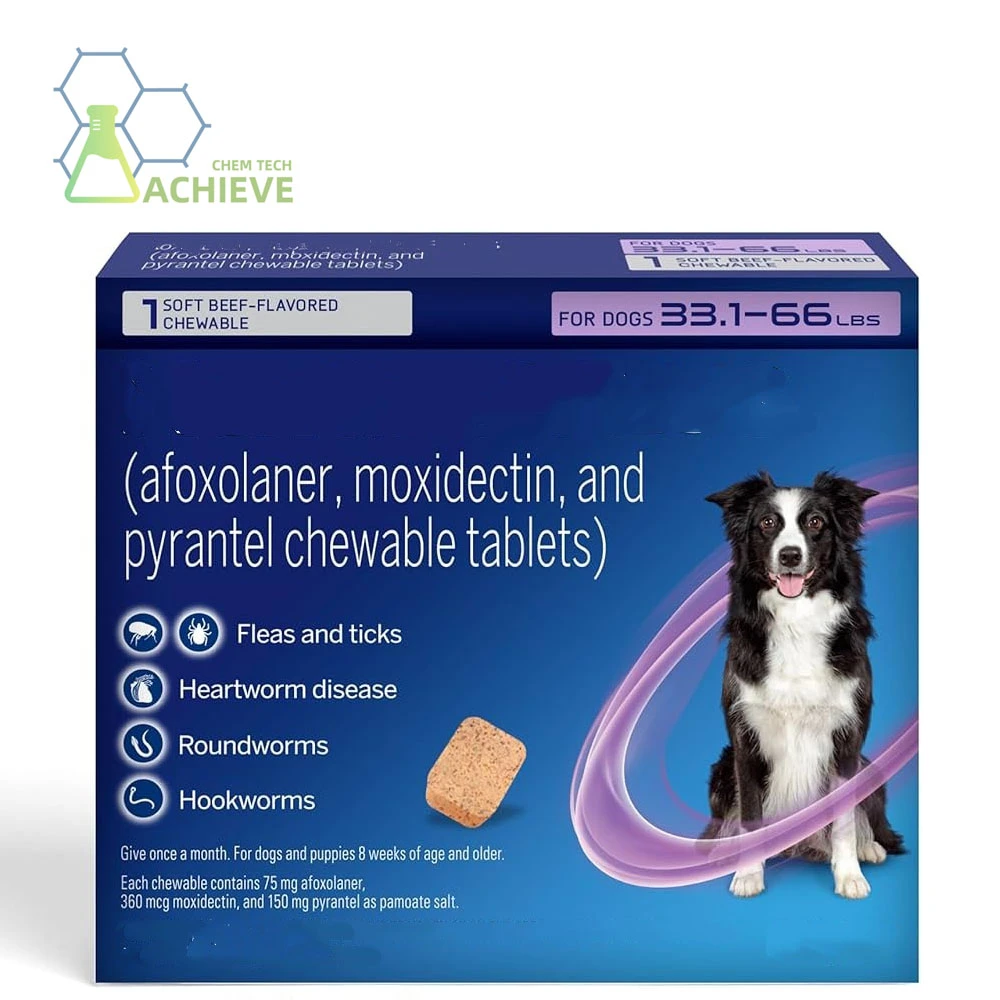
Afoxolaner And Milbemycin Oxime Chewable Tablets
1.General Specification(in stock)
(1)API(Pure powder)
(2)Tablet
9.375+1.875mg:2-3.5kg
18.75+3.75mg:>3.5-7.5kg
37.5+7.5mg:>7.5-15kg
75+15mg:>15-30kg
150+30mg:>30-60kg
(3)Ointment
2.Customization:
We will negotiate individually, OEM/ODM, No brand, for secience researching only.
Internal Code: BM-2-117
Main market: USA, Australia, Brazil, Japan, Germany, Indonesia, UK, New Zealand , Canada etc.
Manufacturer: BLOOM TECH Xi'an Factory
How Do Afoxolaner and Milbemycin Oxime Chewable Tablets Affect Parasite Chloride Ion Channels?
Chloride ion channels have a crucial role in the operation of nerves and muscles of insects, arachnids and numerous internal parasites. These channels govern the movement of chloride ions across cell membranes, which determines whether a nerve cell remains quiet or fires violently. Afoxolaner, one of the two active compounds in afoxolaner and milbemycin oxime chewable tablets, binds to GABA-gated chloride channels in the neurological systems of fleas, ticks and mites. This binding action stops the channel from opening properly, and restricts the regular flow of chloride ions into the nerve cell.
GABA Receptor Binding and Nerve Signal Blockage
GABA (gamma-aminobutyric acid) is a relaxing neurotransmitter found in many living things. Normally , GABA attaches to its receptor , opening the chloride channel , allowing chloride ions to enter the cell and maintaining nerve activity stable . Afoxolaner binds to the receptor site and blocks the entry of chloride ions. Without this steady stream of soothing chloride, the neuron gets overstimulated and shoots out quick and uncontrolled messages.
Species Selectivity and Safety Margins
Selective affinity is a crucial property of afoxolaner. Arthropod GABA receptors are physically different from mammalian GABA receptors,
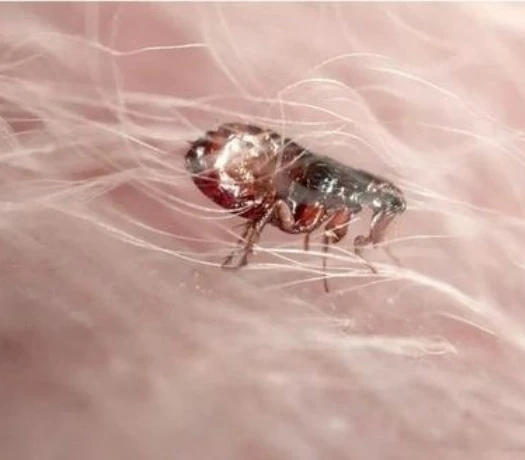
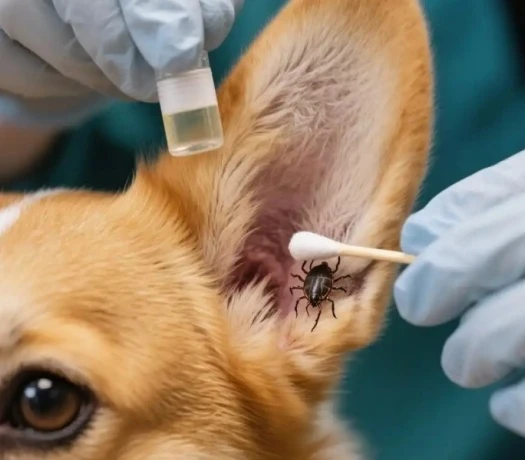
which means that afoxolaner has a substantially higher binding affinity for the parasite receptors than for the dog receptors. This selectivity is also why dogs handle the drug well, whereas fleas and ticks face quick disruption of their neurological systems. This selectivity pattern has been seen by researchers working with isoxazoline drugs against a range of parasite species and provides a large safety margin for domestic animals.
Consequences of Blocked Chloride Transport
When chloride transport ends the neural system of the parasite is no longer able to control excitability. Muscles start twitching wildly, coordination weakens, and within hours paralysis sets in.
Fleas usually die before they can deposit viable eggs therefore stopping the reproductive cycle on the host animal. Ticks also become paralyzed, losing their grip on the skin before they can spread their infections. The fast action of afoxolaner makes it a useful treatment against external parasites which spread rapidly in multi-pet homes or kennel conditions.
Glutamate-Gated Chloride Channel Activation by Afoxolaner and Milbemycin Oxime Chewable Tablets
Afoxolaner works on ectoparasites by acting on GABA receptors. Milbemycin oxime works on endoparasites by acting on a separate (but similar) route involving glutamate-gated chloride channels. These channels are present in the nerve and muscle cells of nematodes, including heartworm larvae and a variety of gastrointestinal worms, but are mostly missing or functionally altered in human central nervous systems.
Glutamate as a Trigger for Channel Opening
Glutamate functions as a neurotransmitter in invertebrates by binding to certain receptor sites, which leads to the opening of chloride channels. Milbemycin oxime mimics this natural activation, attaching to the glutamate receptor and driving the channel open independent of normal glutamate transmission. This artificial stimulation causes the neuron or muscle cell to get flooded with chloride ions far more than it would via normal transmission.
Sustained Channel Opening and Paralysis
Milbemycin oxime induces a prolonged opening of these channels, compared to the transient, controlled opening induced by the physiological release of glutamate.

This continual influx of ions maintains the parasite's muscle cells in a relaxed, noncontractile condition, resulting in flaccid paralysis. Once the larvae of heartworm and intestinal nematodes are paralyzed they cannot move, eat, or continue their life cycle and the host's immune system and digestive mechanisms will simply get rid of them naturally.
Why Mammalian Nerve Cells Remain Unaffected
Glutamate receptors are also present in mammals, but vary structurally from the invertebrate glutamate receptors that milbemycin oxime targets. Furthermore, the blood-brain barrier in dogs prevents the chemical from reaching central nervous system tissue at significant quantities.
Pharmacokinetic data from trials using oral administration demonstrate that the two major components of milbemycin oxime, designated A3 and A4, peak in blood levels within 1 to 2 hours and are slowly cleared over many days without causing neurological adverse effects in healthy dogs. This structural selectivity and low penetration of the brain explains why afoxolaner and milbemycin oxime chewable tablets are safe enough to be used repeatedly on a monthly basis over the long term in most dog breeds.
Chloride Ion Transport Disruption Through Afoxolaner and Milbemycin Oxime Chewable Tablets
Both active agents in this chewable tablet formulation have the common thread of disrupting chloride ion transport. Afoxolaner and milbemycin oxime work on separate receptors but both eventually interfere with the transport of chloride ions across the parasite cell membranes, resulting in deadly effects via independent but complementary pathways.
Two Pathways, One Shared Outcome
Afoxolaner inhibits the activation of the GABA receptor, blocking the entrance of chloride and keeping the nerve cell in a hyper-excitable condition. Milbemycin oxime activates glutamate receptors, which opens the chloride entrance, causing the cell to become hyperpolarized too much. Both of these fates, however traveling in different ways, lead the parasite to its death. It loses normal neuromuscular control, and cannot live.
Why Disruption Works Across Parasite Life Stages
Disruption of chloride channels is effective at several life stages of target parasites. Flea eggs, larvae and adults all need a working nervous system and adult fleas exposed to afoxolaner die before they can reproduce,

terminating the cycle of infection at the home level.Milbemycin oxime also keeps glutamate-gated channels locked open, preventing heartworm larvae from developing into adult worms. Therefore, the major cardiovascular repercussions of untreated heartworm illness are avoided.
Supporting Evidence From Pharmacokinetic Studies
Clinical pharmacokinetic studies measuring blood levels after oral administration showed that afoxolaner reaches peak blood levels within two to four hours and has a half-life of approximately two weeks, resulting in sustained blood levels to kill newly acquired fleas and ticks throughout the month. The half-lives of the components of milbemycin oxime are 1.6 days and 3.3 days respectively,
yet this is still a short enough window to be effective due to the strong binding affinity of the molecule to glutamate receptors in target nematodes. Pharmacokinetic characteristics from absorption and distribution studies in dogs suggest a once-monthly dosage regimen that makes afoxolaner and milbemycin oxime chewable tablets convenient for pet owners and veterinary clinics.
How Do Afoxolaner and Milbemycin Oxime Chewable Tablets Alter Parasite Cell Membrane Potential?
The cell membrane potential is the differential in electrical charge across the outer edge of a cell. Nerve and muscle cells use this feature to create motion and coordinate activity. The active ingredients in this chewable tablet formulation function via different ways to modify membrane potential in parasites, but the final result is the same, i.e., death.
Hyperexcitation From Afoxolaner Exposure
Afoxolaner inhibits GABA-gated chloride channels, shifting the resting membrane potential of the neuron to a more excitable state. Chloride ions come in and stabilize the cell . Without them, the electrical balance is dominated by sodium and other positive ions . This drives the membrane toward recurrent, uncontrolled firing. This hyperexcitation is visually represented as tremors, twitching and finally total loss of motor control in fleas and ticks exposed to the chemical.
Hyperpolarization From Milbemycin Oxime Exposure
Milbemycin oxime induces the reverse electrical shift. Because the glutamate-gated chloride channels stay open, chloride ions continue to flow into the cell,


making the inside of the membrane more negative compared to the outside.
This hyperpolarized condition completely inhibits the capacity of the neuron to discharge impulses resulting in flaccid paralysis in nematodes as opposed to the twitching hyperexcitation observed with afoxolaner.
Practical Implications for Dosing and Timing
Understanding the opposing variations in membrane potential explains why the two chemicals work so well together in a single tablet. The paralysis of external parasites, caused by hyperexcitation, rapidly leads to their death, frequently within hours of exposure. Hyperpolarization of internal parasites is gradual but prolonged, resulting in the removal of heartworm larvae and intestinal worms over the following weeks.
The usual veterinary advice is to give the pills once a month, to maintain protective blood concentrations of both chemicals until the animal is exposed to parasites again. This dual-timing design is a win for dog owners and veterinary wholesalers looking for afoxolaner and milbemycin oxime chewable pills since it lessens the need for separate internal and exterior parasite treatments.
Dual Ion Channel Targeting in Afoxolaner and Milbemycin Oxime Chewable Tablets for Internal and External Parasites
But the actual power of this chewable tablet formulation is the capacity to attack two different ion channel systems at the same time, treating both internal and exterior parasites in one monthly dosage. This two-pronged strategy makes it easier for pet owners and veterinary clinics to carry out the difficult job of comprehensive parasite control programs.
Combining GABA and Glutamate Pathways
Afoxolaner works by targeting GABA-gated channels to combat external parasites such as fleas, ticks and some species of mites, while milbemycin oxime works by targeting glutamate-gated channels to combat internal parasites such as heartworm larvae and gastrointestinal nematodes such as roundworms, hookworms and whipworms. The two paths are separate in the parasite's neurological system thus there is little chance of one substance interfering with the other, hence when combined in one pill they both act at full intensity.
Broad Spectrum Coverage Across Parasite Classes
Afoxolaner is selectively toxic to fleas and ticks since they are arthropods and their nervous systems use GABA receptor signaling.

Heartworms and other intestinal worms depend largely on glutamate-gated channels for muscle contraction and movement, which is why milbemycin oxime is the more potent medication against this family of parasites. By combining both compounds, the formulation may be used for two physiologically different groups of parasites which normally would have to be treated separately with different active ingredients.
Formulation Design Supporting Dual Action
The two chemicals need to be delivered as stable chewable tablets at constant and effective quantities. That will need formulation science. Dosage specifications typically range from small tablets suitable for toy breeds as small as two kilograms to larger tablets intended for dogs approaching fifty kilograms in weight,
keeping the ratio of afoxolaner to milbemycin oxime proportionally accurate regardless of the size of the dog. Veterinary pharmacokinetic research supports this proportioned dosage, typically between 2.5 and 6.9 milligrams per kilogram for afoxolaner, as producing therapeutic blood levels that may interfere with the function of chloride channels in target parasites, but are still far below toxic levels for dogs. For those buyers and formulation partners seeking to purchase afoxolaner and milbemycin oxime chewable tablets in bulk, this established dosage framework may be used to assess the product characteristics for their respective markets.
Conclusion
The scientific basis for afoxolaner and milbemycin oxime chewable tablets showcases a well-crafted two-pronged attack against parasites. Afoxolaner causes hyper excitation in ectoparasites by blocking GABA-gated chloride channels while milbemycin oxime causes hyperpolarization in endoparasites by activating glutamate-gated channels. Together, these modes of action interfere with chloride ion transport and modulation of membrane potential in a number of parasite species, affording wide protection for dogs with a single monthly dosage. The molecular specificity, supported by pharmacokinetic studies and selective receptor binding, explains the increasing demand for this formulation from veterinary specialists, pet product distributors and pharmaceutical purchasers worldwide.
Frequently Asked Questions
1. Does this chewable tablet affect a dog's own nervous system?
+
-
There is no appreciable impact in healthy dogs, since the mammalian GABA and glutamate receptors are structurally different from those in the target parasites and the blood-brain barrier restricts the passage of compounds into the central nervous system.
2. How quickly do parasites respond after dosing?
+
-
Afoxolaner rapidly blocks chloride channels, often killing fleas and ticks within hours, whereas milbemycin oxime takes longer to kill internal parasites when it reaches therapeutic concentrations.
3. Can this formulation be adjusted for different dog sizes?
+
-
Yes, the dosage parameters are based on various tablet strengths computed by body weight to ensure the correct proportionate ratio between both active ingredients for small and big breeds.
Bloomtechz: Your Trusted Afoxolaner and Milbemycin Oxime Chewable Tablets Supplier
Bloomtechz has over 10 years of experience in synthesis of organic compounds for veterinary pharmaceutical manufacture with a GMP certified production facility approved by the US, EU, Japan and Chinese regulatory bodies. Our quality assurance procedure is verified via three independent phases, providing trust to pharmaceutical buyers, distributors and research institutes in every batch supplied. We provide clear pricing, reliable lead times and all the necessary documents to facilitate customs clearance. Bulk sourcing is uncomplicated and predictable. We are a leading provider of afoxolaner and milbemycin oxime chewable tablets to markets like USA, Australia, Brazil, Japan and others, and we are interested in hearing from veterinary firms and wholesale purchasers looking for reputable GMP-certified production partners. Contact Sales@bloomtechz.com immediately to discuss specs, OEM possibilities and long term supply agreements to meet your company requirements.
References
1. Epe, C., & Kaminsky, R. (2013). New advancement in anthelmintic drugs in veterinary medicine. Trends in Parasitology.
2. Lespine, A., Alvinerie, M., Vercruysse, J., Prichard, R. K., & Geldhof, P. (2008). ABC transporter modulation: a strategy to enhance the activity of macrocyclic lactone anthelmintics. Trends in Parasitology.
3. Shoop, W. L., Hartline, E. J., Gould, B. R., Waddell, M. E., McDowell, R. G., Kinney, J. B., et al. (2014). Discovery and mode of action of afoxolaner, a new isoxazoline parasiticide for dogs. Veterinary Parasitology.
4. Letendre, L., Huang, R., Kvaternick, V., Harness, M., & Shoop, W. (2014). The intravenous and oral pharmacokinetics of afoxolaner used as a monthly chewable antiparasitic for dogs. Veterinary Parasitology.
5. Williams, J. C., & Broussard, S. D. (2017). Milbemycin oxime: pharmacology and clinical applications in companion animal medicine. Journal of Veterinary Pharmacology and Therapeutics.
6. Wolstenholme, A. J. (2012). Glutamate-gated chloride channels. Journal of Biological Chemistry.