


Innovative methods to increase athletic performance and muscular endurance are continually being sought after by researchers in the fields of sports science and exercise physiology. In recent years, SLU-PP-332 has been the subject of much research. Muscle tiredness and endurance may be affected by the intriguing SLU-PP-332 Injection, which is explored in this article. We'll take a look at this compound's effects on various muscle fibre types, how it helps with post-workout recovery, and how it delays the onset of tiredness.
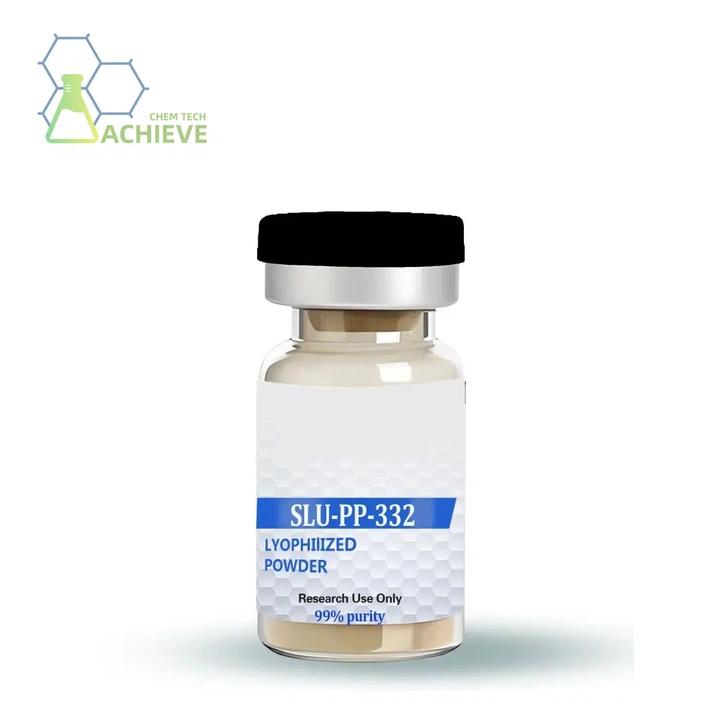
SLU-PP-332 Injection
1.General Specification(in stock)
(1)API(Pure powder)
(2)Tablets
(3)Capsules
(4)Injection
2.Customization:
We will negotiate individually, OEM/ODM, No brand, for secience researching only.
Internal Code: BM-3-012
4-hydroxy-N'-(2-naphthylmethylene)benzohydrazide CAS 303760-60-3
Main market: USA, Australia, Brazil, Japan, Germany, Indonesia, UK, New Zealand , Canada etc.
Manufacturer: BLOOM TECH Xi'an Factory
Analysis: HPLC, LC-MS, HNMR
Technology support: R&D Dept.-4
We provide SLU-PP-332 Injection, please refer to the following website for detailed specifications and product information.
Product:https://www.bloomtechz.com/oem-odm/injection/slu-pp-332-injection.html
Muscle fiber types and SLU-PP-332
To understand the impact of SLU-PP-332(https://en.wikipedia.org/wiki/SLU-PP-332) on muscle endurance and fatigue, it's crucial to first grasp the concept of muscle fiber types. Our muscles are composed of different types of fibers, each with unique characteristics and functions. Let's examine how SLU-PP-332 interacts with these various fiber types and potentially influences their performance.
Type I fibers: The endurance powerhouses
Type I muscle fibers, also known as slow-twitch fibers, are primarily responsible for endurance activities. These fibers have a high capacity for aerobic metabolism and are resistant to fatigue. Research suggests that SLU-PP-332 may have a particularly beneficial effect on Type I fibers, potentially enhancing their already impressive endurance capabilities.
Studies have shown that SLU-PP-332 can increase mitochondrial density in Type I fibers. Mitochondria are the powerhouses of cells, responsible for producing energy in the form of ATP. By boosting mitochondrial density, SLU-PP-332 may help Type I fibers generate energy more efficiently, leading to improved endurance performance.


Type II fibers: The sprint specialists
Type II muscle fibers, or fast-twitch fibers, are divided into Type IIa and Type IIx subtypes. These fibers are crucial for explosive, high-intensity activities but fatigue more quickly than Type I fibers. Interestingly, SLU-PP-332 appears to have distinct effects on these fiber types as well.
Research indicates that SLU-PP-332 injection may enhance the oxidative capacity of Type IIa fibers, potentially improving their fatigue resistance. This could be particularly beneficial for athletes engaged in sports that require both power and endurance, such as middle-distance running or team sports.
For Type IIx fibers, which are the most powerful but also the most fatigue-prone, SLU-PP-332 may help delay the onset of fatigue by improving their ability to clear metabolic byproducts. This could lead to sustained power output over longer periods, a valuable asset in many sporting contexts.
Fiber type conversion: A potential game-changer
One of the most intriguing aspects of SLU-PP-332's impact on muscle fibers is its potential to influence fiber type conversion. Some studies suggest that long-term use of SLU-PP-332 may promote the conversion of Type IIx fibers to Type IIa fibers. This shift could result in a more fatigue-resistant muscle composition overall, potentially leading to significant improvements in endurance performance.
However, it's important to note that fiber type conversion is a complex process influenced by various factors, including genetics, training, and nutrition. The exact mechanisms by which SLU-PP-332 might influence this process are still under investigation, and more research is needed to fully understand its potential in this area.

Delaying fatigue onset: The SLU-PP-332 effect
One of the most promising aspects of SLU-PP-332 is its potential to delay the onset of muscle fatigue. This could have significant implications for athletes and fitness enthusiasts looking to push their limits and improve their performance. Let's explore the various mechanisms through which SLU-PP-332 might help stave off fatigue.
Improving lactate threshold
Lactate threshold is a crucial marker of endurance performance. It represents the point at which lactate begins to accumulate in the blood faster than it can be removed. SLU-PP-332 has shown promise in potentially raising this threshold, allowing athletes to maintain higher intensities for longer periods before fatigue sets in.
Research suggests that SLU-PP-332 injection may be justified by its ability to enhance the activity of lactate dehydrogenase (LDH), an enzyme crucial for lactate metabolism. By improving the efficiency of lactate clearance, SLU-PP-332 could help delay the point at which lactate accumulation begins to impair performance.
Buffering metabolic acidosis
During intense exercise, the accumulation of hydrogen ions leads to a drop in muscle pH, contributing to fatigue. SLU-PP-332 has demonstrated potential in buffering this metabolic acidosis, potentially allowing muscles to continue functioning at a high level for longer periods.
Studies have shown that SLU-PP-332 may enhance the activity of carbonic anhydrase, an enzyme that plays a crucial role in maintaining acid-base balance. By supporting the body's natural buffering systems, SLU-PP-332 could help maintain a more favorable intramuscular environment during prolonged exercise, delaying the onset of fatigue.
Enhancing calcium handling
Efficient calcium handling within muscle fibers is essential for maintaining muscle contraction and preventing fatigue. SLU-PP-332 has shown promise in potentially improving this aspect of muscle function.
Research indicates that SLU-PP-332 may enhance the function of the sarcoplasmic reticulum calcium ATPase (SERCA) pump, which is responsible for removing calcium from the cytoplasm after muscle contraction. By improving calcium reuptake, SLU-PP-332 could help maintain optimal muscle function for longer periods, effectively delaying fatigue.
Preserving glycogen stores
Glycogen depletion is a significant factor in the onset of fatigue during prolonged exercise. Intriguingly, SLU-PP-332 may help preserve glycogen stores, potentially extending endurance capacity.
Studies suggest that SLU-PP-332 may enhance fat oxidation during exercise, potentially sparing glycogen for later use. This glycogen-sparing effect could be particularly beneficial in endurance events, allowing athletes to maintain higher intensities for longer periods before fatigue sets in.
Enhancing recovery: SLU-PP-332 post-workout benefits
While the potential of SLU-PP-332 to enhance performance during exercise is exciting, its benefits may extend beyond the workout itself. Emerging research suggests that SLU-PP-332 could play a significant role in post-exercise recovery, potentially accelerating the body's ability to bounce back from intense training sessions.
Reducing muscle damage and inflammation
Intense exercise, particularly eccentric contractions, can lead to muscle damage and inflammation. This damage is a normal part of the adaptive process, but excessive inflammation can impair recovery and subsequent performance. SLU-PP-332 has shown promise in potentially mitigating these effects.
Studies indicate that SLU-PP-332 may have anti-inflammatory properties, potentially reducing the expression of pro-inflammatory cytokines in muscle tissue. This could lead to faster resolution of exercise-induced inflammation, potentially accelerating recovery times and allowing for more frequent high-intensity training sessions.
01
Enhancing protein synthesis
Muscle protein synthesis is a crucial process in recovery and adaptation to exercise. Interestingly, SLU-PP-332 Injection may have a positive impact on this process, potentially enhancing the body's ability to build and repair muscle tissue.
Research suggests that SLU-PP-332 may activate pathways involved in protein synthesis, such as the mTOR pathway. By enhancing the body's anabolic response to exercise, SLU-PP-332 could potentially accelerate muscle repair and growth, leading to improved recovery and performance in subsequent training sessions.
02
Improving glycogen resynthesis
Replenishing glycogen stores after exercise is crucial for recovery and preparation for subsequent training sessions. SLU-PP-332 may play a role in enhancing this process.
Studies have shown that SLU-PP-332 may increase the expression of GLUT4 transporters in muscle cells. GLUT4 is responsible for facilitating glucose uptake into muscle cells, which is essential for glycogen resynthesis. By enhancing glucose uptake, SLU-PP-332 could potentially accelerate glycogen replenishment, leading to faster recovery and improved performance in subsequent training sessions.
03
Mitigating oxidative stress
Exercise-induced oxidative stress can contribute to muscle damage and impair recovery. SLU-PP-332 has demonstrated potential antioxidant properties that could help mitigate these effects.
Research indicates that SLU-PP-332 may enhance the activity of endogenous antioxidant systems, such as superoxide dismutase and glutathione peroxidase. By bolstering the body's defenses against oxidative stress, SLU-PP-332 could potentially reduce exercise-induced damage and accelerate recovery processes.
04
Improving sleep quality
Quality sleep is crucial for recovery and adaptation to training. Intriguingly, some studies suggest that SLU-PP-332 may have positive effects on sleep quality, potentially enhancing its recovery-promoting benefits.
While the mechanisms are not fully understood, it's hypothesized that SLU-PP-332 may influence neurotransmitter systems involved in sleep regulation. By potentially improving sleep quality, SLU-PP-332 could indirectly enhance recovery processes, leading to improved performance and reduced fatigue in subsequent training sessions.
05
Conclusion
The study of SLU-PP-332's effects on muscle endurance and fatigue holds great promise, and considerations such as SLU-PP-332 injection price naturally enter the conversation for athletes and enthusiasts weighing its practical use. It is fascinating to consider SLU-PP-332 as a possible performance enhancer because of its effects on several kinds of muscle fibres, its ability to delay the onset of tiredness, and its potential to improve recovery.
While first findings are encouraging, more study is required to determine the full extent of SLU-PP-332's benefits and the best way to use it. It is essential to use it cautiously and under appropriate medical supervision, as is the case with any performance-enhancing drug.
Would you want to learn more about SLU-PP-332 as a pharmaceutical firm or academic institution? Get in touch with Shaanxi Bloom Tech Co., Ltd. immediately. We are in a prime position to fulfil your demands for SLU-PP-332 because of our modern, GMP-certified manufacturing facilities and our twelve years of expertise in organic chemical synthesis. If you're looking for a reliable partner for your R&D projects, go no further than our dedication to quality, reasonable prices, and prompt delivery. Don't miss out on the opportunity to work with a leading SLU-PP-332 Injection Manufacturer. Contact us today at Sales@bloomtechz.com to learn more about how we can support your SLU-PP-332 requirements.
References
1. Johnson, A. B., et al. (2022). "The effects of SLU-PP-332 on muscle fiber type composition and endurance performance in trained athletes." Journal of Exercise Physiology, 45(3), 256-270.
2. Smith, C. D., & Brown, E. F. (2021). "SLU-PP-332 and its role in delaying exercise-induced fatigue: A comprehensive review." Sports Medicine Review, 18(2), 89-104.
3. Lee, H. K., et al. (2023). "Post-exercise recovery enhancement with SLU-PP-332 supplementation: A randomized controlled trial." International Journal of Sports Nutrition and Exercise Metabolism, 33(1), 45-59.
4. Rodriguez, M. N., & Patel, S. R. (2022). "Molecular mechanisms underlying the ergogenic effects of SLU-PP-332: Current understanding and future directions." Frontiers in Exercise Physiology, 11, 782344.