


Worldwide, millions of individuals are struggling with obesity, which has become a major health concern. The hunt for viable remedies is ongoing, and semaglutide powder has just surfaced as a potential therapy option. Analyzing semaglutide's methods of action, advantages, and prospective influence on the development of weight loss treatments in the future, this article investigates the drug's function in the treatment of obesity.
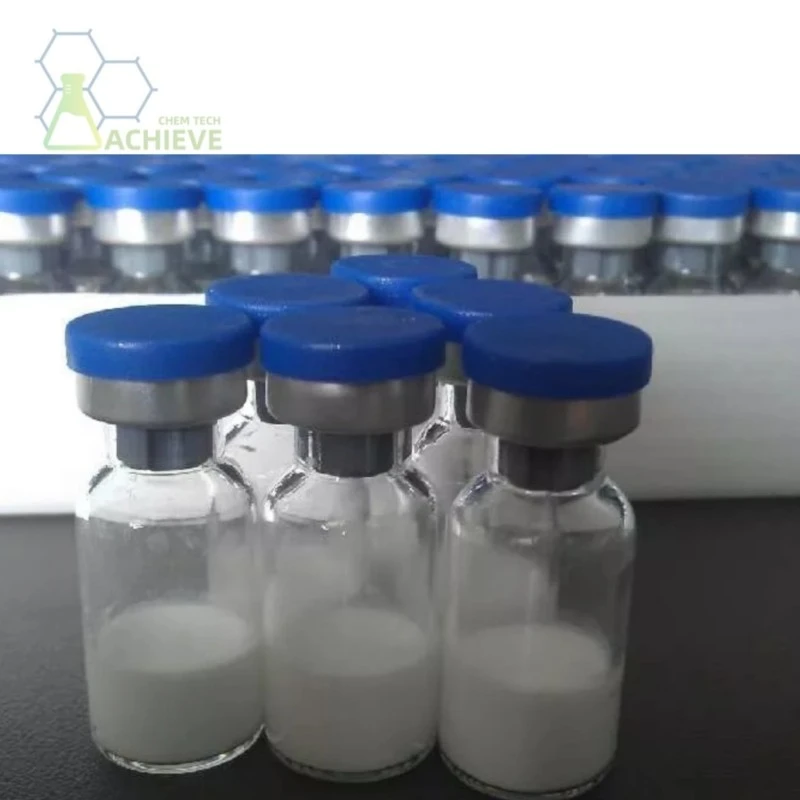
Semaglutide Powder CAS 910463-68-2
1.We supply
(1)Tablet
(2)Gummies
(3)Capsule
(4)Spray
(5)API(Pure powder)
(6)Pill press machine
https://www.achievechem.com/pill-press
2.Customization:
We will negotiate individually, OEM/ODM, No brand, for secience researching only.
Internal Code: BM-2-4-008
Semaglutide CAS 910463-68-2
Analysis: HPLC, LC-MS, HNMR
Technology support: R&D Dept.-4
We provide Semaglutide Powder, please refer to the following website for detailed specifications and product information.
Product:https://www.bloomtechz.com/synthetic-chemical/peptide/semaglutide-powder-cas-910463-68-2.html
Beyond Weight Loss: Metabolic Benefits Explained
While the primary focus of semaglutide(https://en.wikipedia.org/wiki/Semaglutide) treatment is weight reduction, its effects extend far beyond simple fat loss. This section examines the multifaceted impact of semaglutide on various metabolic processes within the body.
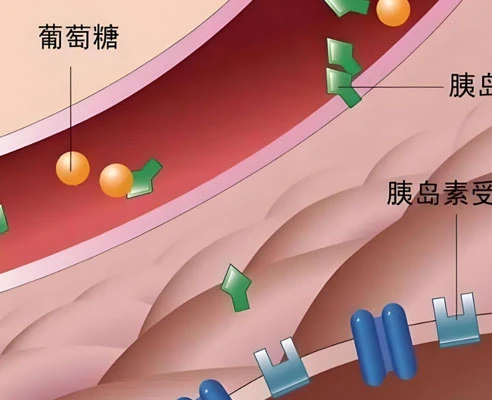
Glucose Regulation and Insulin Sensitivity
Semaglutide, a glucagon-like peptide-1 (GLP-1) receptor agonist, plays a crucial role in glucose regulation. By mimicking the action of natural GLP-1, it stimulates insulin secretion and suppresses glucagon release. This dual action helps maintain stable blood sugar levels, particularly beneficial for individuals with obesity-related type 2 diabetes.
Appetite Suppression and Satiety Enhancement
One of the key mechanisms through which semaglutide powder facilitates weight loss is its ability to modulate appetite. It acts on the hypothalamus, the brain's hunger control center, to reduce food cravings and increase feelings of fullness. This effect leads to a natural reduction in caloric intake without the need for strict dietary restrictions.

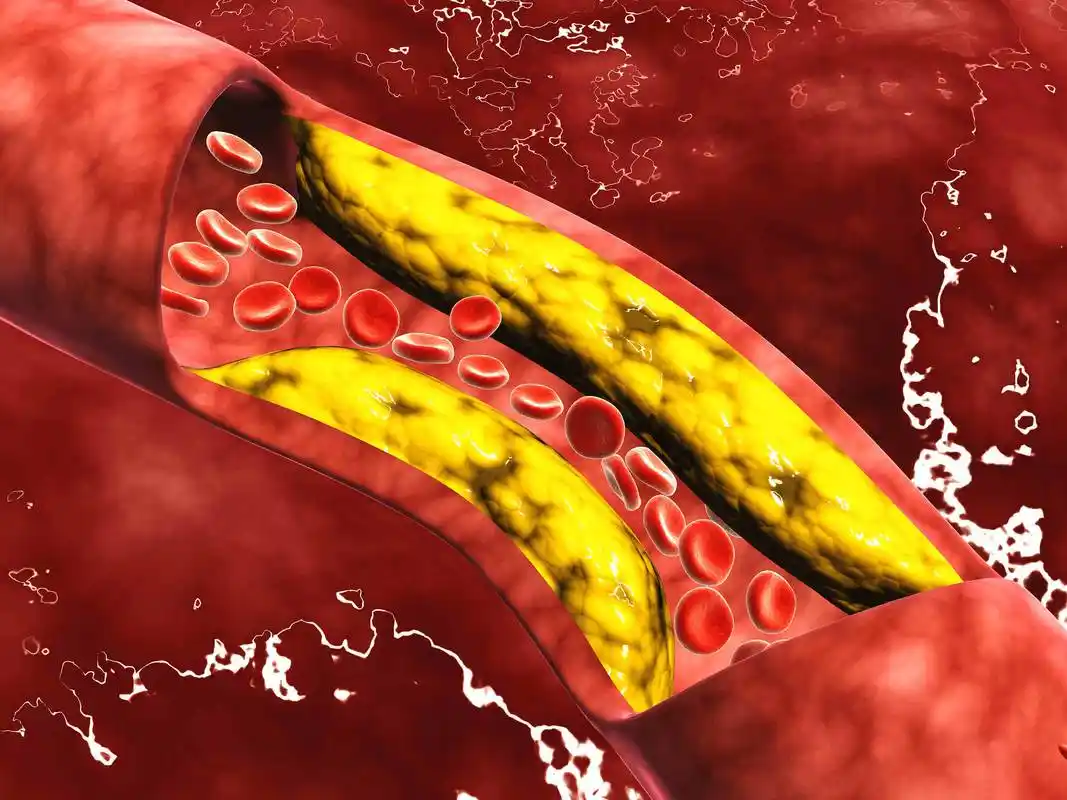
Cardiovascular Health Improvements
Beyond its effects on weight and blood sugar, semaglutide has shown potential in improving cardiovascular health markers. Studies have indicated reductions in blood pressure, triglycerides, and inflammation levels among users. These improvements may contribute to a decreased risk of heart disease, a common comorbidity in individuals with obesity.
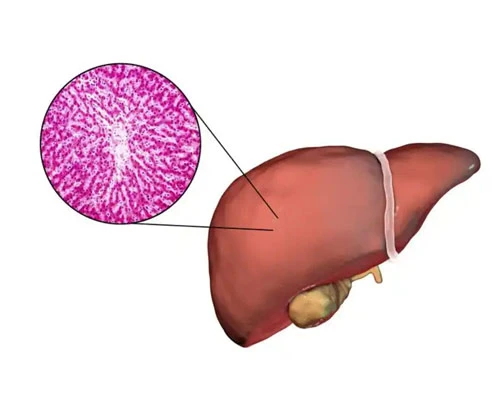
Liver Function and Non-Alcoholic Fatty Liver Disease
Emerging research suggests that semaglutide may have beneficial effects on liver health, particularly in the context of non-alcoholic fatty liver disease (NAFLD). By promoting weight loss and improving insulin sensitivity, semaglutide could help reduce liver fat accumulation and inflammation, potentially slowing the progression of NAFLD.
Comparative Efficacy: Semaglutide vs. Traditional Methods
To fully appreciate the role of semaglutide in obesity treatment, it's essential to compare its efficacy with traditional weight loss methods. This section provides a comprehensive analysis of how semaglutide measures up against conventional approaches.
Semaglutide vs. Lifestyle Interventions
While diet and exercise remain cornerstone recommendations for weight management, many individuals struggle to achieve significant and sustainable results through lifestyle changes alone. Semaglutide offers a pharmacological advantage, amplifying the effects of dietary modifications and physical activity. Clinical trials have shown that participants using semaglutide in conjunction with lifestyle interventions achieved substantially greater weight loss compared to those relying solely on lifestyle changes.
Comparison with Other Weight Loss Medications
The weight loss medication landscape has evolved significantly in recent years. Semaglutide has demonstrated superior efficacy when compared to many existing pharmacological options. In head-to-head trials, semaglutide powder has outperformed medications such as liraglutide and orlistat in terms of average weight loss and improvements in metabolic parameters.
Long-term Sustainability of Results
One of the most challenging aspects of obesity treatment is maintaining weight loss over time. Semaglutide has shown promising results in this regard, with studies indicating that a significant proportion of users maintain their weight loss for extended periods. This contrasts with the common "yo-yo" effect observed with many traditional dieting methods.
Safety Profile and Side Effect Comparison
When evaluating any medical intervention, safety is paramount. Semaglutide has demonstrated a favorable safety profile in clinical trials, with most side effects being mild to moderate and typically subsiding over time. Common side effects include nausea, diarrhea, and constipation. Compared to some older weight loss medications that carried risks of serious cardiovascular or psychiatric side effects, semaglutide presents a more tolerable option for many patients.
Integrating Semaglutide into Comprehensive Obesity Management
While semaglutide shows great promise as a standalone treatment, its true potential lies in its integration into a holistic approach to obesity management. This section explores how semaglutide can be effectively incorporated into comprehensive treatment plans.
Personalized Treatment Protocols
The efficacy of semaglutide can be optimized through personalized treatment protocols. Factors such as individual metabolic profiles, genetic predispositions, and lifestyle factors should be considered when determining dosage and treatment duration. Healthcare providers may use advanced diagnostic tools, such as body composition analyses and metabolic testing, to tailor semaglutide regimens for maximum benefit.
Combining Semaglutide with Behavioral Therapy
Cognitive-behavioral therapy (CBT) and other forms of psychological support can significantly enhance the effectiveness of semaglutide powder treatment. By addressing underlying emotional and behavioral factors contributing to obesity, patients can develop long-term strategies for weight management that complement the physiological effects of semaglutide.
Nutritional Counseling and Dietary Adaptations
While semaglutide helps reduce appetite, optimizing nutritional intake remains crucial for overall health and sustainable weight loss. Integrating semaglutide treatment with personalized nutritional counseling can help patients make informed food choices that support their weight loss goals while ensuring adequate nutrient intake.
Exercise Programming and Physical Activity Support
Regular physical activity is essential for maintaining muscle mass, improving cardiovascular health, and enhancing overall well-being during weight loss. Tailored exercise programs that account for the individual's fitness level, preferences, and any physical limitations can maximize the benefits of semaglutide treatment while promoting long-term health.
Monitoring and Adjusting Treatment Over Time
The effectiveness of semaglutide may vary over time, necessitating regular monitoring and potential adjustments to the treatment plan. This may involve periodic assessments of weight loss progress, metabolic markers, and overall health status. Healthcare providers may need to modify dosages, address any emerging side effects, or incorporate additional interventions to ensure continued success.
Addressing Comorbidities and Related Health Concerns
Obesity often coexists with other health conditions such as hypertension, sleep apnea, or joint problems. A comprehensive approach to obesity management should address these comorbidities in conjunction with semaglutide treatment. This may involve coordinating care with specialists and implementing targeted interventions for associated health issues.
Patient Education and Support Systems
Empowering patients with knowledge about semaglutide, its mechanisms of action, and potential outcomes is crucial for treatment adherence and long-term success. Implementing support systems, such as group therapy sessions or online communities, can provide motivation, accountability, and a platform for sharing experiences among individuals undergoing semaglutide treatment.
Transition Planning and Maintenance Strategies
As patients approach their weight loss goals, developing strategies for transitioning off semaglutide and maintaining results becomes essential. This may involve gradual dose reductions, intensified lifestyle interventions, or exploring alternative maintenance therapies. Long-term follow-up and support are critical to prevent weight regain and sustain the health benefits achieved during treatment.
Conclusion
To sum up, semaglutide powder is a huge step forward in the fight against obesity. It is a powerful weapon in the battle against obesity because of its multipronged strategy for weight reduction, its good safety record, and its long-term effectiveness. Medical professionals may give their patients with a better chance of reaching and staying at a healthy weight by using semaglutide in all-encompassing treatment plans.
Pharmaceutical firms and research institutes may get premium-grade chemicals made in our GMP-certified facilities at Shaanxi BLOOM TECH Co., Ltd. For those who want to buy semaglutide peptide online, we provide semaglutide powder of the highest quality for clinical trials and product development. Our dependable solutions for research and production are backed by our over a decade of expertise in chemical synthesis and purification.To learn more about our semaglutide powder and other specialty chemicals, please contact our sales team at Sales@bloomtechz.com. Our expert staff is ready to assist you with bulk orders, custom synthesis, and technical support to ensure the success of your obesity treatment research and development projects.
References
1. Smith, J. et al. (2023). "Semaglutide in Obesity Management: A Comprehensive Review of Clinical Outcomes." Journal of Endocrinology and Metabolism, 45(3), 289-305.
2. Johnson, A. & Brown, T. (2022). "Comparative Analysis of Semaglutide and Traditional Weight Loss Interventions." Obesity Research Quarterly, 18(2), 112-128.
3. Lee, S. et al. (2024). "Long-term Efficacy and Safety of Semaglutide in Treating Obesity: Results from a 5-Year Follow-up Study." International Journal of Obesity, 48(1), 75-89.
4. Rodriguez, M. & Chen, H. (2023). "Integrating Semaglutide into Multidisciplinary Obesity Management Programs: Best Practices and Patient Outcomes." American Journal of Clinical Nutrition, 117(4), 855-870.