


Hormonal imbalances frequently produce inexplicable behavior, appetite, or appearance changes in companion animals. Veterinary experts increasingly use sophisticated therapies to treat complicated endocrine diseases. A major advancement in veterinary medicine is the use of trilostane tablets to treat high cortisol production. This medicinal intervention has changed veterinary endocrinology, giving pet owners hope for their pets' lives.
Understanding hormonal control in veterinary settings demands studying physiological processes and physicians' treatment regimen choices. Veterinary experts and pet caretakers must examine, monitor, and collaborate to manage a diagnosis. This detailed study of trilostane tablet hormone control informs veterinary care decisions.
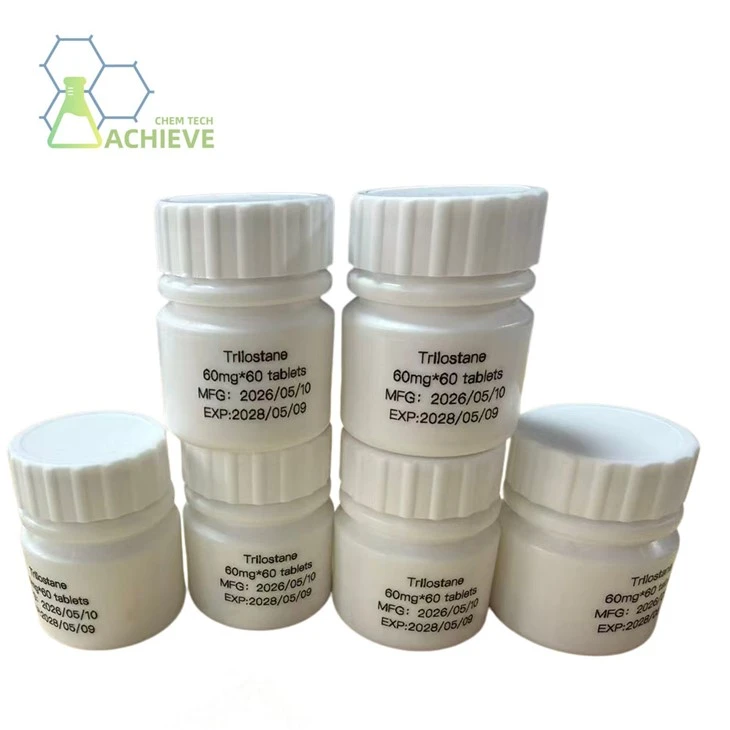
Trilostane Tablets
1.General Specification(in stock)
(1)Injection
Customizable
(2)Tablet
Customizable
(3)API(Pure powder)
PE/Al foil bag/ paper box for Pure powder
HPLC≥99.0%
(4)Pill press machine
https://www.achievechem.com/pill-press
2.Customization:
We will negotiate individually, OEM/ODM, No brand, for secience researching only.
Internal Code: BM-2-016
Trilostane CAS 13647-35-3
When Might Veterinarians Choose Trilostane Tablets for Hormone Management in Dogs?
Veterinary endocrinologists see many cases where dogs' health is compromised by hormonal imbalances. The most common sign is pituitary-dependent hyperadrenocorticism, a condition in which the pituitary gland tells the adrenal glands to make too much cortisol. Symptoms include more urination and thirst, muscle weakness, a pot-bellied look, and changes in the skin that have a big effect on quality of life. When adrenocorticotropic hormone stimulation tests or low-dose dexamethasone suppression tests show that a pet has high cortisol levels, vets look at different treatment choices.
Using trilostane tablets was decided upon after many factors were observed. The patient's age is very important because older dogs often have other health problems that affect the treatment that is chosen.
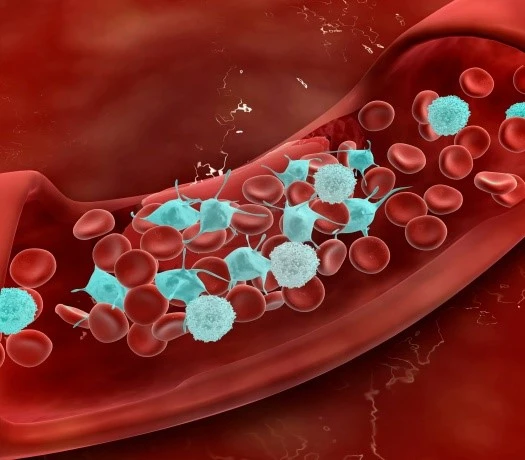
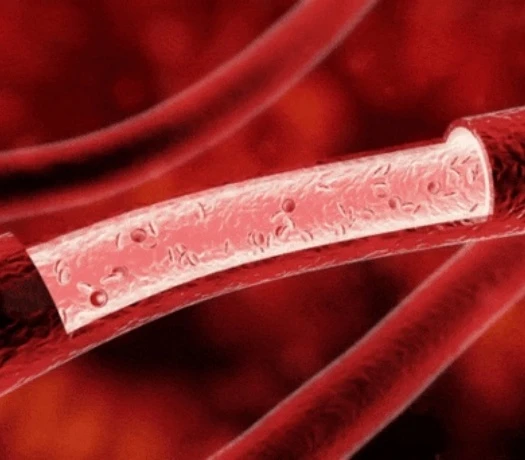
The changeable mode of action of the medicine is better than surgery, especially for animals that are more likely to have problems with anesthetics. Veterinary experts also look at how bad the clinical signs are, whether there are any secondary problems like diabetes mellitus or high blood pressure, and whether the pet owner will be able to keep up with the tracking requirements.
Veterinarians may suggest trilostane treatment for dogs with iatrogenic Cushing's syndrome caused by long-term corticosteroid use in addition to primary adrenal diseases. The medicine helps people get through the time when they need to stop taking exogenous steroids for medical reasons. Each clinical situation needs to be looked at on its own,
weighing the possible benefits against the time and effort needed for long-term care and regular veterinary exams.
How Do Trilostane Tablets Help Regulate Excess Cortisol Production?
Trilostane Tablets and Adrenal Steroidogenesis: Understanding the Key Hormonal Pathway
Steroid hormones are made in the adrenal cortex through a series of enzyme reactions that begin with cholesterol. Several enzymes work together in this steroidogenesis pathway to turn precursor molecules into active hormones like cortisol, aldosterone, and sex steroids. 3β-hydroxysteroid dehydrogenase is an important enzyme in this process because it changes pregnenolone into progesterone and other important intermediates. The pathway can't go any further to make the final hormone products without this enzymatic activity.
Trilostane tablets work by blocking 3β-hydroxysteroid dehydrogenase competitively.
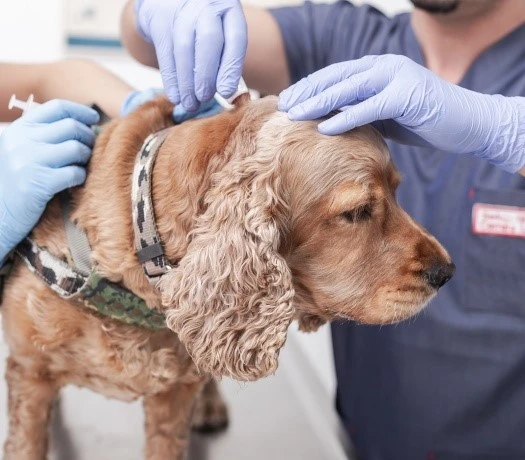
This stops the steroidogenic process from moving forward. Instead of just stopping hormone receptors or giving negative feedback,
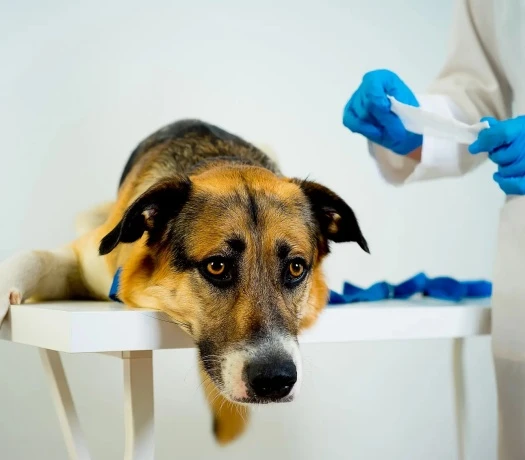
this regulation stops the production of cortisol where it starts. Because this suppression is reversible, hormone production can start up again once the medicine leaves the body. This gives doctors more options for how to handle treatment. Trilostane is different from permanent adrenal suppressants because it works in a different way. This makes it easier to control hyperadrenocorticism.
Trilostane treatment has both therapeutic benefits and possible side effects that can be explained by the selectivity of enzyme inhibition. The medicine changes the production of many hormone pathways at the same time by focusing on an early stage in steroidogenesis. Veterinary pros keep an eye on not only the levels of cortisol,
but also the balance of electrolytes and the general function of the adrenal glands to make sure that the inhibition stays in the right therapeutic ranges and doesn't completely shut down the adrenal glands.
What Can Pet Owners Expect When Monitoring Hormone Control with Trilostane Tablets?
For hormone management to work well, veterinary teams and pet owners need to work together. About two weeks after starting trilostane tablets or changing dosages, the first step in monitoring usually includes an ACTH stimulation test. These tests find out how the adrenal glands react to hormonal messages, which gives us a number that shows how well the medicine is working. During the stabilization phase, pet owners should expect to make several trips to the vet as clinicians adjust the doses based on how each pet responds.
In addition to lab tests, observations made at home are very helpful for learning about how treatment is going.
Pet owners keep an eye on clinical signs like how much water their pets drink, how often they urinate, their hunger, their energy levels, and the condition of their fur. A lot of vets say that during the first few weeks of treatment, you should keep a daily log to find patterns that lab values alone might not show. Often, changes in these parameters happen before changes in hormone levels that can be measured. This gives early signs of how well the treatment is working.
Once stable hormone control is reached, long-term tracking shifts to less frequent visits, but medical exams are still necessary throughout treatment. Pet owners should know that hormonal diseases can't be cured; they just need to be managed over time.
Talking to veterinary teams on a regular basis about small changes in behavior or health helps keep hormones in balance. There are also financial issues that need to be talked about, since lab tracking, medical visits, and medication costs are ongoing obligations that come with having a pet.
How Does Individual Hormone Response Shape Trilostane Tablet Management Over Time?
Because each dog's hormones react differently to trilostane tablets, each patient needs a customized treatment plan. Individual variability is affected by things like the cause of hyperadrenocorticism, other health conditions, body composition, metabolic rate, and genetic differences in how drugs are broken down. Some dogs get good control with lower doses, while others need higher doses to get their cortisol release back to normal. This variety makes it clear that standard methods are only useful as starting points and not as final treatment plans.
The amount of trilostane given to animals is changed by veterinarians based on clinical and lab data that is collected over time.

If a dog is acting well at first, the amount may need to be changed later on because the disease is getting worse, the dog's weight changes, or the dog builds up a tolerance to the medicine. On the other hand, some people become more sensitive to treatment as their general health gets better after hormones are normalized. Because of these changes, treatment methods need to be flexible, and therapy goals need to be reviewed often.
Target cortisol ranges are an idea that has grown out of veterinary research and real-world clinical experience. Modern veterinary endocrinology doesn't try to completely block cortisol. Instead, it aims for a controlled reduction that keeps physiological functions going while getting rid of pathological effects.
This complex method lowers the risk of iatrogenic hypoadrenocorticism while easing symptoms. Knowing that hormone management is more of a range than a fixed goal helps pet owners keep their hopes fair as their pet goes through treatment.
Conclusion
The use of trilostane tablets in veterinary medicine is a big step forward in treating endocrine problems in pets. By blocking specific enzymes, this drug gives veterinarians a strong way to stop the production of too much cortisol while still allowing for reversibility and dosing flexibility. Successful results rely on a correct diagnosis, personalized treatment plans, close tracking, and strong relationships between committed pet owners and veterinary experts.
As the field of veterinary endocrinology continues to grow, trilostane treatment is still one of the most important ways to treat hyperadrenocorticism in dogs. The drug's proven safety profile and decades of clinical experience give pet owners who are having a hard time making treatment decisions peace of mind. Understanding how hormone control works in the body, how it needs to be monitored, and how it works differently for each animal makes it easier to make choices about their care that are best for their health and well-being.
FAQ
Q1: How long does it typically take to see improvement in clinical signs after starting trilostane tablets?
+
-
The clinical signs of most dogs get better within 4 to 6 weeks of starting trilostane tablet therapy, but some dogs show improvements earlier. Usually, less drinking and urinating starts to happen within the first two weeks. Physical changes like better muscle tone and coat growth happen more slowly. When figuring out how well a treatment is working, veterinarians look at both lab results and clinical observations.
Q2: Can trilostane tablets be used in conjunction with other medications for dogs with multiple health conditions?
+
-
Trilostane pills can usually be given with a lot of popular pet medicines, but some drug interactions need to be looked at by a vet first. Dogs that are taking medicine for heart disease, diabetes, or thyroid problems need to be evaluated individually to make sure they are compatible. Veterinarians change treatment plans based on all of a patient's medications and keep an eye out for any possible reactions while the patient is still being treated.
Q3: What should pet owners do if they miss giving a dose of trilostane tablets?
+
-
If pet owners forget to give their pet trilostane tablets, they should do so as soon as they remember, as long as it's not close to the next dose. Dosing twice is not a good idea. Maintaining consistent administration schedules is best for keeping hormones under control, but patients who are already stable usually don't have major problems when they miss a dose or two. People who own pets should call their vet if they miss more than one dose or have questions about when to give the medicine.
Partner with Bloomtechz as Your Trusted Trilostane Tablets Supplier
When people who work with animals or sell medicines need reliable sources for trilostane tablets, Bloomtechz is ready to be your dedicated partner. Our company has been making pharmaceutical intermediates for more than 15 years and has GMP-certified facilities that meet US-FDA, EU-GMP, and CFDA standards. As qualified suppliers to 24 international drug companies, we know how important it is for veterinary medicine to have consistent quality, correct documentation, and reliable supply chains. Our role as a trilostane tablets provider goes beyond just providing products. We also offer full quality assurance through three-layer testing methods, clear pricing structures, and dedicated technical help from our R&D team. Bloomtechz gives your operations the accuracy and consistency they need, whether they need custom formulations, large production, or unique package solutions. Get in touch with our team right away at Sales@bloomtechz.com to talk about how our trilostane tablets can help you with your pet medicine needs.
References
1. Ramsey IK. Trilostane in dogs. Veterinary Clinics of North America: Small Animal Practice. 2010;40(2):269-283.
2. Burkhardt WA, Boretti FS, Reusch CE, Sieber-Ruckstuhl NS. Evaluation of baseline cortisol, endogenous ACTH, and cortisol/ACTH ratio to monitor trilostane treatment in dogs with pituitary-dependent hypercortisolism. Journal of Veterinary Internal Medicine. 2013;27(4):919-923.
3. Benchekroun G, de Fornel-Thibaud P, Rodríguez Piñeiro MI, Rault D, Besso J, Hernandez J. Ultrasonography criteria for differentiating ACTH dependency from ACTH independence in 47 dogs with hyperadrenocorticism and equivocal adrenal asymmetry. Journal of Veterinary Internal Medicine. 2010;24(5):1077-1085.
4. Neiger R, Ramsey I, O'Connor J, Hurley KJ, Mooney CT. Trilostane treatment of 78 dogs with pituitary-dependent hyperadrenocorticism. Veterinary Record. 2002;150(26):799-804.
5. Vaughan MA, Feldman EC, Hoar BR, Nelson RW. Evaluation of twice-daily, low-dose trilostane treatment administered orally in dogs with naturally occurring hyperadrenocorticism. Journal of the American Veterinary Medical Association. 2008;232(9):1321-1328.
6. Boretti FS, Sieber-Ruckstuhl NS, Wenger-Riggenbach B, Gerber B, Lutz H, Hofmann-Lehmann R, Reusch CE. Comparison of 2 doses of trilostane for the treatment of canine pituitary-dependent hyperadrenocorticism. Journal of Veterinary Internal Medicine. 2014;28(5):1514-1520.