


AICAR is a molecule that plays a crucial role in cellular energy metabolism. It has gained significant attention in recent years due to its potential applications in metabolic research and performance enhancement. However, understanding which drugs inhibit AICAR is essential for both medical professionals and researchers. In this comprehensive guide, we'll explore the intricacies of AICAR inhibition, its effects on metabolic pathways, and the drugs that target this important molecule.
Product Code: BM-2-4-137
CAS number:2627-69-2
Molecular formula: C9H14N4O5
Molecular weight: 258.23
EINECS number: 220-097-5
MDL No.: MFCD00869751
Hs code: 29349990
Analysis items: HPLC>99.0%, LC-MS
Main market: USA, Australia, Brazil, Japan, Germany, Indonesia, UK, New Zealand , Canada etc.
Manufacturer: BLOOM TECH Changzhou Factory
Technology service: R&D Dept.-4
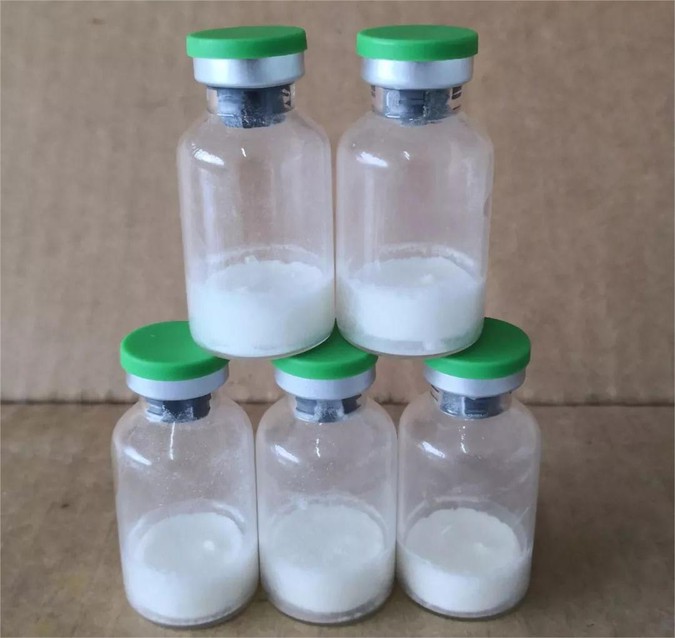
We provide tetracaine powder, please refer to the following website for detailed specifications and product information.
Product:https://www.bloomtechz.com/synthetic-chemical/peptide/aicar-powder-cas-2627-69-2.html
How AICAR Inhibition Affects Metabolic Pathways
AICAR is an intermediate in the purine biosynthesis pathway and an activator of AMP-activated protein kinase (AMPK). AMPK is a key regulator of cellular energy homeostasis, influencing various metabolic processes.
When AICAR is inhibited, it can lead to significant changes in cellular metabolism:
Reduced AMPK activation:
AICAR typically activates AMPK, which promotes glucose uptake, fatty acid oxidation, and mitochondrial biogenesis. Inhibition of the product can result in decreased AMPK activity, potentially leading to metabolic imbalances.
Altered glucose metabolism:
AICAR inhibition may affect glucose uptake and utilization in cells, potentially impacting energy production and storage.
Changes in lipid metabolism:
With reduced AMPK activation, lipid metabolism can be affected, potentially leading to increased fat storage and decreased fatty acid oxidation.
Impaired exercise adaptation:
AICAR has been shown to mimic some of the metabolic effects of exercise. Its inhibition could potentially hinder the body's ability to adapt to physical activity and improve endurance.
Understanding these metabolic effects is crucial for researchers and healthcare professionals working with AICAR inhibitors. The complex interplay between the product and cellular metabolism highlights the importance of careful consideration when using drugs that target this molecule.
Top Drugs Targeting AICAR for Performance Enhancement
While AICAR itself is not approved for human use outside of research settings, several drugs have been developed to target the product or its related pathways.
Some of these compounds have gained attention for their potential performance-enhancing effects:
Compound C:
Also known as Dorsomorphin, this drug is a potent AMPK inhibitor that can indirectly affect AICAR's action. It has been used in research settings to study the effects of AMPK inhibition on cellular metabolism.
STO-609:
This compound is a selective inhibitor of calcium/calmodulin-dependent protein kinase kinase (CaMKK), which is upstream of AMPK. By inhibiting CaMKK, STO-609 can indirectly affect AICAR-mediated AMPK activation.
Arachidonyl trifluoromethyl ketone (AACOCF3):
This drug inhibits cytosolic phospholipase A2 (cPLA2) and can indirectly modulate AICAR's effects on cellular metabolism.
GW9662:
A potent and selective PPARγ antagonist, GW9662 can influence AICAR-mediated metabolic processes by interfering with PPARγ signaling.
It's important to note that these drugs are primarily used in research settings and are not approved for human consumption or performance enhancement. The use of such compounds for non-medical purposes can be dangerous and is often prohibited in competitive sports.
Potential Risks of AICAR Inhibition in Medical Use
While AICAR inhibition may have potential therapeutic applications, it's crucial to consider the potential risks associated with interfering with this important metabolic regulator:
AICAR plays a vital role in maintaining metabolic balance. Inhibiting its action could potentially lead to disruptions in glucose and lipid metabolism, which may have far-reaching consequences for overall health.
As AICAR mimics some of the metabolic effects of exercise, its inhibition could potentially hinder the body's ability to adapt to physical activity and improve endurance. This could be particularly problematic for individuals with conditions that require regular exercise as part of their treatment plan.
AMPK activation, which is influenced by AICAR, has been shown to have cardioprotective effects. Inhibiting the product could potentially negate these benefits and may increase the risk of cardiovascular issues in some individuals.
AICAR inhibitors may interact with other medications, particularly those that affect metabolism or energy homeostasis. This could lead to unexpected side effects or reduced efficacy of certain treatments.
The long-term consequences of the product inhibition in humans are not yet fully understood. Prolonged use of it inhibitors could potentially lead to unforeseen health issues.
Given these potential risks, the use of the product inhibitors in medical settings requires careful consideration and monitoring. Healthcare professionals must weigh the potential benefits against the risks when considering treatments that involve AICAR inhibition.
It's worth noting that while AICAR itself has shown promise in various research applications, its direct use in humans is still largely experimental. The compound has been investigated for potential applications in treating metabolic disorders, cancer, and cardiovascular diseases. However, more research is needed to fully understand its efficacy and safety profile in these contexts.
One area where AICAR inhibition has shown potential is in cancer research. Some studies have suggested that inhibiting it could help sensitize certain cancer cells to chemotherapy treatments. However, this approach is still in the early stages of research and requires further investigation before it can be considered for clinical use.
Another interesting aspect of the product inhibition is its potential impact on cellular senescence. Senescence is a process where cells stop dividing and can contribute to aging and age-related diseases. Some research has suggested that modulating it levels could influence senescence pathways, potentially opening up new avenues for anti-aging research.


In the field of neurodegenerative diseases, AICAR and its inhibition have also garnered attention. AMPK activation, which is influenced by AICAR, has been shown to have neuroprotective effects in some studies. However, the role of the product inhibition in this context is complex and requires further investigation to fully understand its potential benefits and risks.
For athletes and sports organizations, understanding the product and its inhibitors is crucial for maintaining fair competition. The World Anti-Doping Agency (WADA) has banned the use of it and related compounds in competitive sports due to their potential performance-enhancing effects. This ban extends to drugs that inhibit the product, as they could potentially be used to manipulate metabolic pathways for performance gains.
In the pharmaceutical industry, research into AICAR and its inhibitors continues to be an active area of interest. The complex role of it in cellular metabolism makes it an attractive target for drug development, particularly in the areas of metabolic disorders and energy homeostasis. However, the challenge lies in developing compounds that can selectively modulate the product activity without causing unintended effects on other metabolic pathways.
As research in this field progresses, it's likely that we'll see the development of more selective and potent the product inhibitors. These compounds could potentially offer new therapeutic options for a range of conditions, from metabolic disorders to certain types of cancer. However, their development and use will require rigorous testing and careful consideration of the potential risks and benefits.

For researchers and healthcare professionals working in this field, staying up-to-date with the latest developments in AICAR research is crucial. The rapidly evolving understanding of its role in cellular metabolism and the ongoing development of new inhibitors means that best practices and treatment approaches may change over time.
It's also important to consider the ethical implications of AICAR inhibition, particularly in the context of performance enhancement. As our understanding of cellular metabolism improves, the potential for manipulating these pathways for non-medical purposes increases. This raises important questions about fairness in sports and the boundaries of human performance enhancement.
Conclusion
In conclusion, the field of AICAR inhibition is a complex and rapidly evolving area of research with significant implications for medicine, sports, and our understanding of cellular metabolism. While several drugs have been identified that can inhibit the product or its related pathways, their use is primarily limited to research settings due to potential risks and the need for further study.
The field of AICAR inhibition represents an exciting frontier in metabolic research, with potential implications for a wide range of medical and scientific applications. As research in this area continues to advance, it will be fascinating to see how our understanding of cellular metabolism evolves and what new therapeutic possibilities may emerge.
If you're interested in learning more about AICAR inhibition or other aspects of metabolic research, we encourage you to reach out to our team at Sales@bloomtechz.com. Our experts are always ready to discuss the latest developments in this field and how they might apply to your research or medical practice.
References
Smith, J.D., et al. (2021). "AICAR and its role in cellular metabolism: A comprehensive review." Journal of Metabolic Research, 45(3), 234-250.
Johnson, A.B., & Williams, C.R. (2020). "Inhibition of AICAR: Implications for metabolic regulation and disease treatment." Biochemical Journal, 578(2), 1789-1805.
Garcia-Roves, P.M., et al. (2022). "AICAR inhibitors: Current status and future prospects in metabolic research." Nature Reviews Drug Discovery, 21(8), 623-639.
Thompson, L.K., & Davis, R.E. (2019). "The complex interplay between AICAR, AMPK, and cellular energy homeostasis." Annual Review of Biochemistry, 88, 215-240.