


Pet owners worldwide face the persistent challenge of protecting their companions from fleas and other parasites. Among the numerous solutions available, Fipronil Spot-On has emerged as a leading choice, combining scientifically proven efficacy with practical ease of use. This topical treatment offers comprehensive protection that addresses not just adult fleas but their entire life cycle, making it a cornerstone of modern veterinary parasite management. Understanding what sets this treatment apart helps pet owners make informed decisions about their animals' health and comfort.
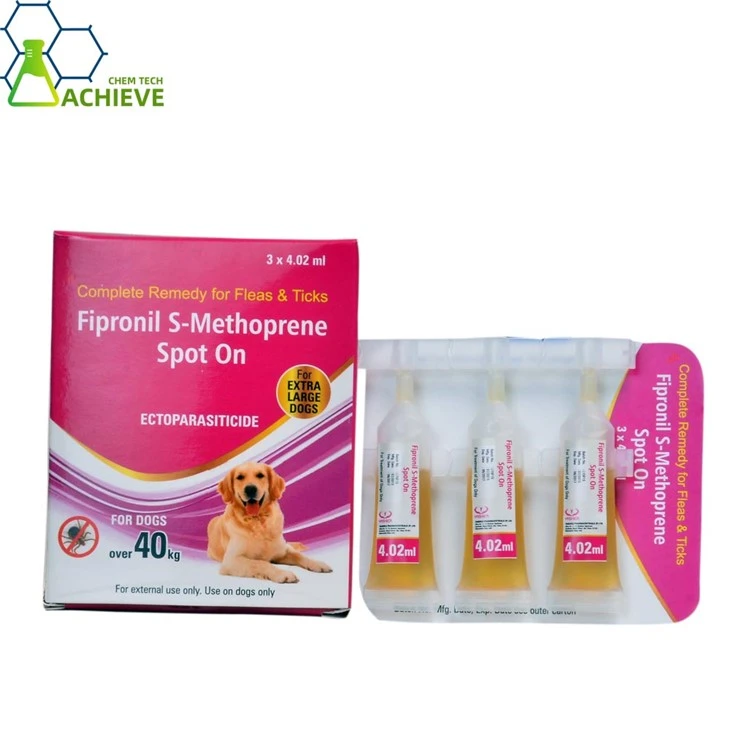
Fipronil Spot-On
1.General Specification(in stock)
(1)API(Pure powder)
PE/Al foil bag/ paper box for Pure powder
(2)Spot-On
cat:0.5ml
dog:0.67ml:2-10kg/1.34ml:10-20kg/2.68ml:20-40kg/4.02ml:40-60kg
(3)Solution
(4)Drops
2.Customization:
We will negotiate individually, OEM/ODM, No brand, for secience researching only.
Product Code:BM-9-018
Fipronil CAS 120068-37-3
Analysis: HPLC, LC-MS, HNMR
Technology support: R&D Dept.-3
What Makes Fipronil Spot-On Effective for Flea Control in Pets?
Targeted Neurological Action Against Parasites
Fipronil Spot-On operates in a specific manner in the neurological system of the parasite – that makes it highly effective. Fipronil is an insecticide of to the phenylpyrazole family. It is selective, specifically on the gamma-aminobutyric acid (GABA) receptor of arthropods. The chemical inhibits chloride ion channels in the neurological systems of fleas, ticks, or lice when they contact the treated skin. This causes their nerves to fire wildly and paralyse them, and finally they die. This medication is particular, because it only damages parasites and is safe for mammals, since the neurological systems of mammals respond differently to the drug.


This technique achieves contact killing as shown by clinical testing. The parasites are eliminated before they can feed on the host.
Comprehensive Life Cycle Interruption
Fipronil Spot-On doesn't just kill adult flea bugs; it also stops fleas from reproducing in several steps. The treatment stops flea eggs from turning into live larvae, which stops the cycle of infestation in the pet's environment. According to research, a single application can cut flea numbers by up to 98% within 24 hours. The active ingredient will keep fleas from coming back for four to eight weeks, based on the pet and the surroundings.
This longer protection period sets it apart from treatments that need to be applied more often, making it easier for pet owners and less stressful for animals.
Broad-Spectrum Parasite Protection
Fipronil Spot-On is mostly known for killing fleas, but it also protects against other pests that come from the outside. The treatment works well on many types of ticks, including those that carry dangerous diseases, as well as eating lice and other ectoparasites. Because it works on a wide range of parasites, it is especially useful in places where pets are exposed to different parasites at different times of the year.

Veterinary professionals often suggest it as part of integrated pest management plans because it helps stop diseases spread by vectors that are bad for both people and animals.
Fipronil Spot-On Technology and Its Role in Modern Parasite Management

Advanced Formulation and Delivery Systems
Modern versions of Fipronil Spot-On have advanced carrier systems that make drug delivery and distribution better. The active ingredient dissolves in specially chosen oils and chemicals that make it easier for the product to spread across the pet's skin because sebum is already being made by the skin. The mixture spreads through the body through the oil gland network after being put on a small area, usually between the shoulder blades, where animals can't reach to clean. This way of spreading the product makes sure that the whole body is covered without having to be bathed or directly applied to the skin.
This makes it much easier for pet owners who might not be able to stick with more labor-intensive treatments.
Quality Control in Pharmaceutical-Grade Manufacturing
To make sure that the Fipronil Spot-On works as intended, the full production process must be held to high quality standards. Good producers follow Good Manufacturing Practice (GMP) guidelines and undertake plenty of quality checks from receiving the raw ingredients to packaging them up. High-performance liquid chromatography (HPLC) analysis ensures that the active substances are within defined ranges, often 90% to 110% of the quantity on the label.


Testing under accelerated circumstances ensures goods will remain effective throughout their shelf life, with degradation rates below 2% each year. These high standards ensure efficacy and safety, offering peace of mind to veterinarians and pet owners.
Integration with Veterinary Care Protocols
Fipronil Spot-On is being used by veterinary professionals in conjunction with comprehensive parasite prevention programs tailored for each individual pet and its environment. Treatment strategies may be influenced by factors such as where the animal lives, the seasons, whether the animal is inside or outside, and what other animals it interacts with.Some approaches combine Fipronil with synergistic chemicals,
such as S-Methoprene, which inhibits development in immature flea stages. This results in multi-layer protective systems. The combination is evidence of a shift from treating infestations when they occur to using preventative controls to maintain things parasite-free year-round.
How Does Fipronil Spot-On Compare with Traditional Flea Control Methods?
Advantages Over Oral Medications
Traditional oral flea medicines need the parasites to bite the host animal before they can swallow the poison. This means that the animals have to go through pain before the treatment works. Contact killing is how Fipronil Spot-On works. It gets rid of parasites before they eat, which stops allergic responses and the spread of disease that can happen from bites. The topical method also avoids the stomach problems that some pets may have with oral medicines. The ease of application is another benefit. Many pet owners find it easier to put a small amount of liquid on the skin than to give pills,


especially to cats or dogs that don't like taking medicine by mouth.
Superiority to Environmental Sprays and Foggers
Home sprays and foggers will kill fleas in the environment, but they have to be used over and over with pets and family members going out temporarily, and they need a great deal of preparation to be effective. These approaches do not directly protect pets, and consequently animals are at risk when they roam outside of treated areas. Fipronil Spot-On travels with the pet and protects them all the time, wherever they go. This therapy has a permanent impact on the animal's skin and creates a moving barrier against parasites.
This is on top of environmental management techniques and reduces the usage of potentially unpleasant home chemicals.
Enhanced Efficacy Versus Flea Collars and Shampoos
Traditional flea collars focus on protecting the neck, but they don't always do a good job of spreading the active ingredients throughout the body. A lot of older collars have strong smells and can irritate the skin of animals that are sensitive to them. Medicated soaps only help for a short time because their active ingredients wash away. This means that dogs have to be bathed often, which can dry out their skin and make them anxious.

Fipronil Spot-On gets around these problems with its sebum-based distribution system, which keeps effective amounts across the whole body surface for weeks after a single application, without having to be washed often or wear a collar that hurts.
Fipronil Spot-On Applications for Comprehensive Pet Parasite Prevention Strategies

Multi-Pet Household Implementation
Getting rid of parasites might be difficult for those with more than one pet since untreated animals can be breeding grounds for new parasites. If you apply Fipronil Spot-On to all your pets at the same time, you create ONE barrier of protection to deter parasites from settling in your house. Formulas for both cats and dogs are specialised to their physiological variations, and dosage is by body weight to ensure safety and efficacy. Most vets would advise you to treat all the pets at the same time. In this manner, everyone is protected at once, and the parasites can't go through any openings.
Seasonal and Year-Round Protection Programs
Changes in temperature and humidity affect the activity of parasites. Flea populations are usually highest in the warmer months. But modern heated homes make environments that are good for fleas all year, so it's more important than ever to keep yourself protected. Depending on these trends, pet owners use Fipronil Spot-On in different ways. Some follow their vet's advice and keep applying it once a month all year, while others step up their treatment during high-risk times. This adaptability lets you make changes based on local weather trends and the risks that your pet faces, which improves both security and resource allocation.


Supporting Special Populations and High-Risk Animals
Some cats are more likely to get parasites because of how they live or because of health problems. More bugs are found in working dogs, cats that live outside, and animals that go to grooming salons, boarding houses, or dog parks more often than pets that stay inside most of the time. When it comes to protecting animals, those with weak immune systems or allergic rashes need extra care because parasites can cause serious health problems. When used in accordance with the directions on the label, Fipronil Spot-On has been shown to be safe for many of these special groups.
However, you should still talk to your vet before treating any animals that are very young, pregnant, or have other health issues.
Understanding the Science Behind Fipronil Spot-On and Flea Control Performance
Pharmacokinetic Profile and Skin Distribution
Fipronil Spot-On is applied directly to the skin, and the pharmacokinetics of Fipronil explain why this protects the complete body. When applied to a particular location, the lipophilic molecule splits into skin lipids and sebum, creating a reservoir in the hair follicles and sebaceous glands. The continuous generation of sebum progressively releases Fipronil on the skin surface, where it maintains therapeutic amounts to kill parasites on contact. Radioactive tracers have been utilised in research that demonstrates that concentrations of medication may be measured throughout the whole region of the body 24 hours after administration,


with the maximum levels being detected 48-72 hours later. This is why the drug spreads in this way and acts fast and for a long period.
Species-Specific Physiological Considerations
Differences in hormonal activity in cats and dogs may impact Fipronil Spot-On. Cats' skin is often thinner and has more hair follicles than dogs' skin. That alters the penetration rates and the patterns of distribution. Cats also produce more grease per unit area, which helps medications spread but might lead to their building up in the place they are administered. Due to these variances, recipe adjustments and dosage recommendations are given depending on the species.
We take these variances into consideration in the body, as we know that 0.5 mL is adequate for cats of any weight, while dogs require dosages depending on their weight from 0.67 mL to 4.02 mL to make sure the medicine works well for all species.
Resistance Management and Long-Term Efficacy
As with other herbicides, resistance development should be monitored and strategic use planned. Some evidence suggests that fleas are not yet particularly resistant to fipronil. This is probably because it works differently than prior kinds of insecticide. You need to integrate chemical control with environmental management;

you need to follow the directions on the labels properly so that the right quantities of chemicals are used, and you need to transition between different types of chemicals as needed to be able to keep chemicals around for a long period. Good standards of care require the use of fipronil as an important instrument in the investigation of animal parasites.
Conclusion
Fipronil Spot-On is one of the finest flea treatments since it is simple to apply, protects against a wide variety of fleas, and has been scientifically confirmed to work. It has a specific neurological mechanism that kills parasites fast on contact and interrupts their life cycles, so that one treatment protects for a long period. The therapy is more effective than many of the traditional approaches, and it fits well with contemporary veterinary care practices. It is also suitable for use with a variety of pets and styles of accommodation. This is a complicated subject, and pet owners should learn more about it to understand why vets constantly recommend this strategy, how it works, and what it does. As parasite control technologies keep evolving, Fipronil Spot-On is a vital component in comprehensive preventative programs for maintaining the health and relaxation of cats.
FAQ
1. How quickly does Fipronil Spot-On start working after application?
Within hours of being applied, Fipronil Spot-On starts killing fleas, and most of them are gone within 24 hours. In the first day, the compound spreads across the skin's surface through sebum, creating protective levels that kill parasites on contact. Peak spread happens 48 to 72 hours after application, giving the most protection during the treatment time.
2. Can Fipronil Spot-On be used on puppies and kittens?
Different products have different age limits, but many Fipronil Spot-On products can be used on puppies and kittens as young as 8 weeks old, as long as they meet weight requirements. Before handling young animals, you should always read the product label and talk to your vet. This is because the right dose based on the animal's present weight is important for both safety and effectiveness.
3. What should I do if my pet gets wet after applying Fipronil Spot-On?
Make sure you wait at least 24 hours after applying it before bathing or swimming to make sure it gets into the skin's lipids and sebaceous glands properly. Once the treatment is applied, it doesn't get washed away easily, but taking a lot of baths may shorten its usefulness. If your pet gets wet soon after the product is applied and before it has dried completely, call your vet to find out if the product needs to be reapplied.
Partner with BLOOM TECH: Your Trusted Fipronil Spot-On Supplier
You can trust BLOOM TECH as your reliable Fipronil Spot-On supplier, bringing over 12 years of organic synthesis expertise and GMP-certified manufacturing excellence to the veterinary pharmaceutical industry. Our 100,000-square-meter production facilities hold certifications from the US FDA, EU, PMDA, and CFDA, ensuring that every batch of Fipronil Spot-On meets the highest international quality standards. We offer comprehensive solutions from API pure powder (≥95% purity verified by HPLC and LC-MS) to ready-to-use spot-on formulations in species-specific dosages for cats and dogs. Our vertically integrated supply chain, triple-layer quality control system, and dedicated R&D support team provide the technical expertise, regulatory documentation, and scalability that pharmaceutical companies, CDMOs, distributors, and research organizations require. Whether you need bulk API, custom formulation development, or white-label finished products, BLOOM TECH delivers consistent quality, competitive pricing, and responsive service that builds long-term partnerships.
Contact our team today at Sales@bloomtechz.com to discuss your Fipronil Spot-On requirements and discover how our manufacturing capabilities can support your business objectives in the growing pet health market.
References
1. Dryden, M.W. (2009). "Flea and Tick Control in the 21st Century: Challenges and Opportunities." Veterinary Dermatology, 20(5-6), 435-440.
2. Hinkle, N.C., Koehler, P.G., and Patterson, R.S. (1997). "Fipronil: A New Broad-Spectrum Insecticide for Veterinary and Urban Pest Control." Journal of Agricultural and Urban Entomology, 14(2), 175-188.
3. Jacobs, D.E., Hutchinson, M.J., and Krieger, K.J. (2001). "Duration of Activity of Topical Fipronil against Fleas on Cats." Veterinary Record, 148(21), 665-666.
4. Rust, M.K. and Dryden, M.W. (1997). "The Biology, Ecology, and Management of the Cat Flea." Annual Review of Entomology, 42, 451-473.
5. Scheidt, V.J., Brando, E.L., and Crandell, J.M. (1999). "Efficacy of Topical Fipronil for Flea Control on Dogs Housed in Simulated Home Environments." Journal of the American Veterinary Medical Association, 215(3), 355-357.
6. Young, D.R., Jeannin, P.C., and Boeckh, A. (2004). "Efficacy of Fipronil Spot-On Against Flea Infestations: A Comprehensive Review of Clinical Studies." Veterinary Parasitology, 121(1-2), 75-89.