


Feline infectious peritonitis, or FIP, has been one of the worst conditions a cat owner could get for a long time. There are two main types of this viral disease: the wet (effusive) type and the dry (non-effusive) type. Both types of FIP are very dangerous, but wet FIP is especially hard to treat because it causes fluid to build up in body spaces. New developments in veterinary medicine have made the GS-441524 injection a truly changing treatment choice, giving cats with this condition that used to be fatal new hope.
To figure out why this antiviral drug works so well in wet FIP cases, we need to look at how it works, what happens in the clinic, and how it targets effusive symptoms in particular. Fluid buildup is a feature of wet FIP that causes unique clinical presentations that react incredibly well to specific antiviral intervention. People who own cats and vets around the world have seen huge changes after giving this treatment. Many cats' worst symptoms go away quickly.
The introduction of GS-441524 injection marks a major change in how FIP is managed. We can directly fight the coronavirus that causes FIP with this nucleoside analog because it stops viral replication at the cellular level. Because it can get deep into fluid-filled spaces and high amounts in damaged tissues, the treatment is especially good for treating the effusive form of this disease.
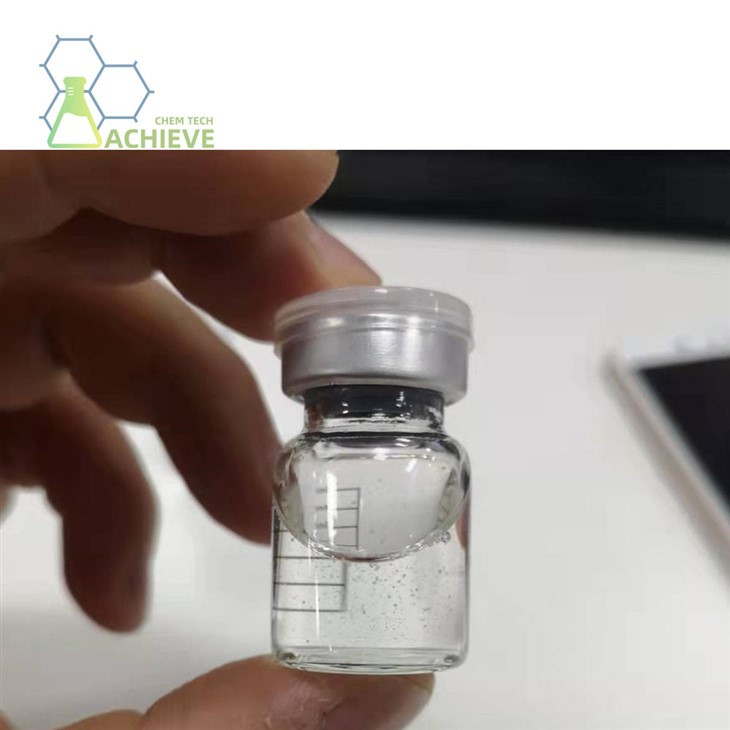
GS-441524 Injection
1.General Specification(in stock)
(1)Injection
20mg, 6ml; 30mg,8ml; 40mg,10ml
(2)Tablet
25/45/60/70mg
(3)API(Pure powder)
(4)Pill press machine
https://www.achievechem.com/pill-press
2.Customization:
We will negotiate individually, OEM/ODM, No brand, for secience researching only.
Internal Code: BM-3-001
GS-441524 CAS 1191237-69-0
Analysis: HPLC, LC-MS, HNMR
Technology support: R&D Dept.-4
We provide GS-441524 Injection, please refer to the following website for detailed specifications and product information.
Product:https://www.bloomtechz.com/oem-odm/injection/gs-441524-injection.html

Why Is GS-441524 Injection Commonly Used for Wet (Effusive) FIP?
When the feline coronavirus changes in a cat's body, it causes inflammation that causes fluid to build up in the belly (ascites) or chest area (pleural effusion). This is what causes wet FIP. This effusive appearance causes instant problems that could be life-threatening, such as breathing problems, a swollen abdomen, and a fast decline in overall health. Because these signs happen so quickly, we need a way to treat them that works quickly and well.
The unique pharmacological features of GS-441524 injection for wet FIP are what make it so popular. This chemical acts like the natural building blocks of virus RNA and stops ribonucleotide analogs. The coronavirus tries to copy itself inside affected cells, but the viral enzyme RNA-dependent RNA polymerase adds GS-441524 instead of real nucleotides.


This change stops viral RNA production before it's finished, which stops the virus from being able to copy itself and spread.Clinical observations have shown over and over that this treatment plan works especially well for cats with wet FIP. Even though the buildup of fluid causes serious symptoms, it may actually make it easier for drugs to get to all parts of the body that need them. The injectable form makes sure that the active ingredient is quickly absorbed and spread throughout the body, so it can reach effective levels in both blood and fluids that have built up. This trait is especially helpful for addressing effusive forms, in which viral particles gather in body spaces.
Veterinarians like the GS-441524 injection for wet FIP because the results of the treatment are very consistent.
In the first few days of treatment, many cats show clear signs of change, such as a drop in fever, an increase in appetite, and more energy. Seeing less fluid in the abdomen or thorax is both professional proof that it works and comfort for pet owners who are worried. These changes that can be seen help keep people on their treatment for the long time that is usually needed to completely stop the virus.
The compound's safety profile is another reason why it is often used in wet FIP control. The most common side effect is pain at the injection site. Serious adverse reactions are still not very common when the right dosing instructions are followed. This good risk-benefit relationship means it's a good choice even for cats whose health is already bad, which is pretty much the case for all wet FIP patients at diagnosis.


Fluid Reduction and Viral Suppression With GS-441524 Injection

Effective wet FIP treatment depends on two things working together: lowering effusion and stopping virus replication at the same time. These related processes work together to stop the disease from getting worse, which would have been fatal within weeks of being diagnosed otherwise.
Vasculitis and inflammation of the blood vessel walls caused by viruses cause fluid to build up in wet FIP. This inflammation makes blood vessels more permeable, which lets protein-rich liquids leak out of them and into body spaces. Wet FIP has a typical straw-colored, thick fluid that shows it has a lot of proteins and inflammatory cells. The GS-441524 injection treats the reason, not just the symptoms, by going after the virus that is causing the problem.
As the medicine reduces the number of copies of the virus, the inflammatory reaction starts to go away. Blood vessel integrity slowly returns, which stops fluid from leaking out. At the same time, the body's natural capillary draining systems start to take back the fluid that has built up. This process usually takes a few days to a few weeks, and physical exams and medical images can show that the person is getting better over time.
Monitoring viral control tells you a lot about how well the medicine is working. Biomarkers like blood protein amounts, albumin-to-globulin ratio, and inflammatory markers are often tracked by veterinarians. The slow return to normal of these values is linked to better health and effective virus control.


Some more modern veterinary clinics can do viral load tests, which measure the amount of viral RNA in blood or other fluid samples directly. Lessening viral counts are concrete proof that the treatment is working as planned to kill the virus.
Pay close attention to the link between dosing approach and result. Standard guidelines say that drugs should be put under the skin at amounts that are estimated based on body weight and the severity of the disease. In general, cats with wet FIP get between 5 and 7 milligrams of medicine per kilogram of body weight every day.
The exact dosing, consistent timing, and long treatment length all help to keep the virus under enough antiviral pressure. Interruptions or doses that are too low may let the virus come back, which could cause the treatment to fail or the person to return.
In wet FIP cases, response patterns tend to follow well-known paths. Within three to seven days, most cats start to feel better, with fevers going away and changes in how they act. Fluid reabsorption happens more slowly, and it usually takes two to four weeks for large effusions to go away completely. Continuing treatment during this time and beyond ensures complete viral control, which lowers the chance of a return after treatment ends.


How Does GS-441524 Injection Target Abdominal and Thoracic Fluid FIP?

Due to the way wet FIP is distributed in the body, it creates special treatment difficulties. Fluid can build up in the peritoneal cavity, which is around the organs in the abdomen, the pleural area, which is around the lungs, or sometimes the pericardial sac, which is around the heart. In each area, different clinical signs appear, and the treatment agent needs to be able to concentrate properly in each area.
GS-441524 injection quickly enters the systemic bloodstream through capillaries after being injected under the skin. The substance is very bioavailable, which means that a lot of the dose that is given gets into the bloodstream unchanged. Once the drug is in the bloodstream, it moves through all of the body's cells and even into spaces that are filled with fluid.
This pattern of diffusion makes sure that therapeutic amounts of the antiviral drug reach viral particles that are living in fluid in the abdomen or thorax.
The chemical features of GS-441524 make it easier for it to get into effusions. Because the molecules of the substance are pretty small and it dissolves easily, it can pass through the peritoneal and pleural membranes without being absorbed. Because of concentration gradients, drugs keep moving from the blood into the fluid parts of the body. This keeps the antiviral pressure high right where virus replication feeds ongoing inflammation.
Cellular uptake is another important part of how the drug works. GS-441524 can only fight viruses if it gets into affected cells after being in body fluids.


As the chemical moves through the body, it is taken up by infected macrophages and other immune cells that are found in effusions. GS-441524 is changed into its active triphosphate form inside these cells by enzymes. This active metabolite then stops the production of new viral particles by stopping the creation of viral RNA.
Fluid-associated FIP manifestations are being targeted in more ways than just drug delivery. The inflammatory setting that wet FIP creates actually improves some parts of the treatment response. More blood flow to swollen tissues makes it easier for drugs to reach those tissues, and the large number of immune cells makes it easier for cells to take them up. These things might help explain why the first reactions to wet FIP are often stronger than those to dry FIP, where the virus acts in solid tissues with different pharmacokinetic qualities.

Treatment Response Characteristics in Wet FIP Using GS-441524 Injection
Knowing how pets usually react helps both the vet and the owner set reasonable goals for care and keep an eye on how it's going. The path from diagnosis to recovery can usually be predicted, but it can vary from person to person depending on the seriousness of the disease, how long it takes to start treatment, and other factors that are unique to each patient.
In most wet FIP cases, the first reaction signs show up pretty quickly. Most of the time, fever goes away 24 to 72 hours after starting GS-441524 injection. This quick defervescence shows right away that the treatment is doing what it's supposed to do and stopping the virus from working. When a cat's fever goes away, their behaviour usually gets better too. They become more alert, sensitive, and interested in their surroundings.


Getting your appetite back is another early sign of good things to come. Due to fever, malaise, and general sickness, many wet FIP cats show that they are not hungry at all or barely at all. As the virus stops spreading and inflammation chemicals go down, normal hunger feelings return. A lot of cat owners say that their cat asks for food or seems interested in meals within the first week of treatment. This change in nutrition helps with healing by giving the body the nutrients it needs to repair tissues and keep the immune system working well.
The process of reabsorbing fluids happens more slowly than the reduction of fever. Within one to two weeks, you might be able to see a decrease in belly distension or an improvement in the amount of work needed to breathe.
For large effusions to go away completely, therapy usually needs to be continued for three to six weeks. This steady change is shown by repeated physical exams, palpation of the abdomen, chest x-rays, and sometimes follow-up ultrasounds.
Normalization of laboratory values has its own schedule. Acute phase proteins and inflammation markers may get better pretty fast, but structural protein problems like low albumin-to-globulin ratios take longer to fully fix. Regular blood tests that check these factors give a clear picture of how well the treatment is working and help with deciding how long to continue the treatment.


The usual course of treatment lasts at least 12 weeks, but many vets suggest longer plans to lower the chance of relapse. During this long period of time, stability is very important. If you miss doses, give less than the recommended amount, or stop treatment too soon, the chance of virus return goes up by a lot. Pet owners must follow the full treatment plan and know that seeing improvements does not mean that the virus is completely gone.

Clinical Benefits of GS-441524 Injection in Effusive FIP Presentations
The healing effects go far beyond just managing symptoms. When cats get the right care, they often reach full clinical remission, which means they have a good quality of life and live as long as they are supposed to. This result is very different from what was thought to happen in the past with FIP, when a diagnosis of wet FIP almost always meant death within weeks to months.
Survival rates with the GS-441524 injection treatment have changed FIP from a disease that would kill the person to one that can be treated. Case studies and clinical reports that have been published show that mortality rates are higher than 80% when treatment starts quickly and lasts for the right amount of time.


These numbers show real cats who went through what was once thought to be impossible and then went on to live healthy, busy lives.There are many ways that changes in quality of life show up. As fluid buildup goes away and inflammation goes down, physical comfort gets better. Cats get back to breathing normally, standing up straight, and moving around without pain. After this, the cat's behavior returns to normal, and it can do normal things like play, explore, clean itself, and connect with other cats. Adoring pet owners who have seen their beloved pets suffer will feel a lot better after these changes.
The medicine works especially well for wet FIP cases, which is an added benefit.
The quick answer at the start shows that the therapy method is working, which encourages people to keep following the strict treatment plan.In effusive cases, change is obvious, such as a smaller abdomen, easier breathing, and a general feeling of well-being. This gives patients real proof of progress, which keeps them committed throughout the whole treatment process.Long-term outcomes data keep growing as more cats finish treatment and start longer follow-up times.


Based on the data we have now, cats that reach full clinical recovery and finish all of their treatment plans stay disease-free most of the time. Relapses can happen, especially if treatment ends too soon or if problems with the immune system show up, but many cats with FIP live for years after being diagnosed without having another episode.The compound's ability to fight many viruses suggests that it might have uses other than FIP treatment. More research is being done to see if it works against other viral pathogens in cats, which could mean that this amazing substance can be used for more medical purposes. The learning learned from treating FIP could be used to improve how we treat other difficult infectious diseases in animals. numquam eius assumenda eaque ea ducimus expedita explicabo cumque magni.

Conclusion
One of the most important improvements in veterinary medicine in the last few years is the ability of GS-441524 injection to treat wet FIP cases. Targeted antiviral treatment now works in most cases for this condition, which used to have a bad outlook and leave vets with few choices other than palliative care. Rapid symptom improvement, visible fluid reduction, and high success rates are just a few of the reasons why this treatment has become the standard of care for effusive FIP.
Understanding the processes behind this success helps vets improve treatment plans and helps pet owners understand why certain doses and treatment lengths are recommended. The compound's clinical success can be explained by its ability to stop virus replication at its source, get into body cavities filled with fluid, and keep therapeutic amounts high for long treatment runs.
More cats get a correct evaluation and treatment for wet FIP as knowledge grows and access gets better. Every good case adds to the growing amount of clinical experience, which makes methods better and results better. The change from a diagnosis that meant the cat would not live to one that can be treated is the result of scientific study, clinical observation, and the unwavering commitment of vets and cat owners to saving lives.
FAQ
1. How quickly do cats with wet FIP show improvement after starting GS-441524 injection?
+
-
Most cats with wet FIP start to feel better within 24 to 72 hours of starting treatment with the GS-441524 injection. Most of the time, fever goes away quickly, usually in the first few days. During the first week, people often notice changes in their behaviour, such as being more alert and hungry again. It takes longer for the fluid to go away, but it usually shows up within one to three weeks. It may take four to six weeks of continued treatments for large stomach or thoracic effusions to go away completely. These time frames show normal patterns. However, each cat may react a little faster or slower depending on how bad the disease is and how long it has been since treatment started.
2. What distinguishes wet FIP treatment requirements from dry FIP treatment protocols?
+
-
The basic way of treating FIP stays the same, but because of how severe effusive presentations can be and how quickly they can get worse, wet FIP cases often get higher starting amounts. For simple cases of wet FIP, the daily dose is usually between 5 and 7 milligrams per kilogram, but it could go up if brain or eye problems appear. In wet FIP cases, it's important to keep a close eye on how much fluid is building up by doing physical exams and sometimes imaging tests. The length of treatment is still quite long for both types; it usually lasts at least 12 weeks and often longer. Response tracking is a little different, with wet FIP showing clearer signs of change through less fluid buildup.
3. Can wet FIP relapse after completing a full course of GS-441524 injection treatment?
+
-
Relapse is still possible, though it doesn't happen very often when cats finish full treatment plans that last 12 weeks or more. The chance of relapse goes up a lot if treatment is stopped too soon, doses aren't given consistently, or doses that are below effective levels are given. When a cat has a return, they usually show the same symptoms again, like fever, sleepiness, and possibly a buildup of fluid. Most relapses happen within a few months of the end of treatment, but they can also happen later. People who have relapsed often get better after starting treatment again, though it may take longer or different dose methods in some cases. Relapses can be found and managed more effectively if you stay alert during the time after treatment and act on any worrying signs right away.

Partner With BLOOM TECH for Premium GS-441524 Injection Supply
When treating wet FIP cases, the safety and effectiveness of your treatment are directly affected by how well and how reliably you get GS-441524 injections. When veterinary workers, study institutions, and drug companies need reliable access to high-purity antiviral compounds, they can count on BLOOM TECH. Our GMP-certified factories meet international quality standards, such as those set by the US Food and Drug Administration (FDA), the European Union (GMP), and Canada (CFDA). This makes sure that every batch meets strict requirements.
We know how important it is to get treatment for FIP right away, so we keep a lot of supplies on hand to meet instant therapy needs. Our clear price and quality guarantee policy gives you peace of mind-if any item we deliver doesn't meet quality standards, we'll return your full payment. BLOOM TECH has the dependability your business needs because they have over 12 years of experience in organic synthesis and pharmaceutical intermediate production.
Get in touch with our expert team to talk about your unique needs, number needs, and documentation quality. We offer full support, such as records of analysis, help with regulatory filing, and the creation of unique formulations for specific uses. Get in touch with us right away atSales@bloomtechz.com to start working together on a way to treat feline viral peritonitis that focuses on quality, stability, and clinical success.
References
1. Murphy BG, Perron M, Murakami E, et al. "The nucleoside analog GS-441524 strongly inhibits feline infectious peritonitis virus in tissue culture and experimental cat infection studies." Veterinary Microbiology, 2018; 219: 226-233.
2. Pedersen NC, Perron M, Bannasch M, et al. "Efficacy and safety of the nucleoside analog GS-441524 for treatment of cats with naturally occurring feline infectious peritonitis." Journal of Feline Medicine and Surgery, 2019; 21(4): 271-281.
3. Dickinson PJ, Bannasch M, Thomasy SM, et al. "Antiviral treatment using the adenosine nucleoside analogue GS-441524 in cats with clinically diagnosed neurological feline infectious peritonitis." Journal of Veterinary Internal Medicine, 2020; 34(4): 1587-1593.
4. Jones S, Novicoff W, Nadeau J, et al. "Unlicensed GS-441524-Like Antiviral Therapy Can Be Effective for at-Home Treatment of Feline Infectious Peritonitis." Animals, 2021; 11(8): 2257.
5. Addie DD, Silveira C, Aston C, et al. "Does GS-441524 treatment for feline infectious peritonitis cause drug resistance?" Viruses, 2022; 14(9): 1920.
6. Tasker S. "Diagnosis and management of feline infectious peritonitis: current perspectives and emerging treatment options." Veterinary Medicine: Research and Reports, 2023; 14: 1-18.