


Feline infectious peritonitis is one of the most difficult viral diseases that vets have to deal with in real life. In the past, the disease, which was caused by an altered feline coronavirus, was thought to kill almost all of its victims. With the introduction of GS-441524 injection, a nucleotide mimic that has completely changed how this terrible disease is treated, kitty medicine changed in a big way. Based on strong clinical results and a well-understood mechanism of action, veterinarians all over the world now see this chemical as an important antiviral tool.
Veterinarians trust this medicine for a number of reasons, including the fact that it has expected pharmacological behavior, consistent clinical effects, and is in line with the ideals of evidence-based medicine. To figure out why this antiviral has become so popular among professionals, we need to look at both its science basis and its practical use in veterinary settings.
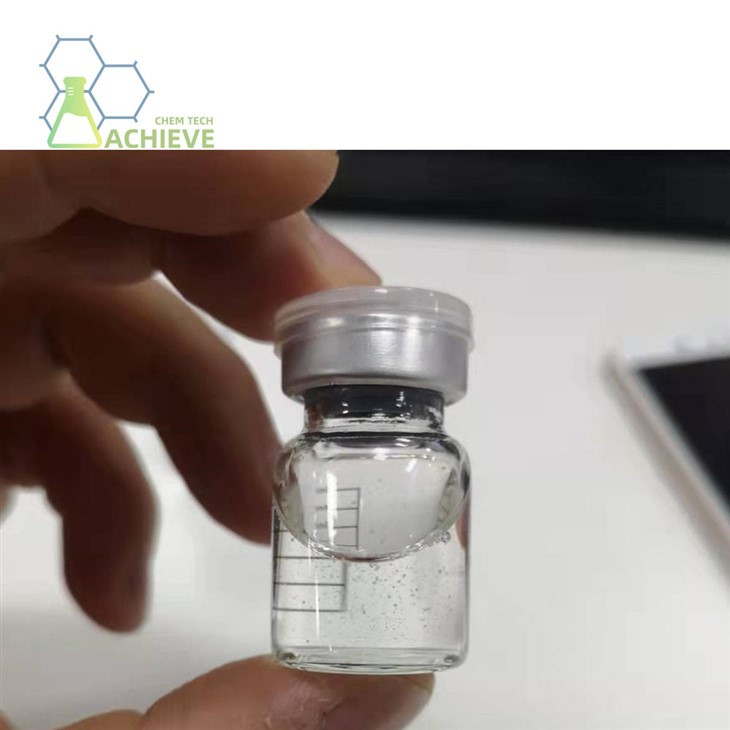
GS-441524 Injection
1.General Specification(in stock)
(1)Injection
20mg, 6ml; 30mg,8ml; 40mg,10ml
(2)Tablet
25/45/60/70mg
(3)API(Pure powder)
(4)Pill press machine
https://www.achievechem.com/pill-press
2.Customization:
We will negotiate individually, OEM/ODM, No brand, for secience researching only.
Internal Code: BM-3-001
GS-441524 CAS 1191237-69-0
Analysis: HPLC, LC-MS, HNMR
Technology support: R&D Dept.-4
We provide GS-441524 Injection, please refer to the following website for detailed specifications and product information.
Product:https://www.bloomtechz.com/oem-odm/injection/gs-441524-injection.html

How GS-441524 Injection Became a Core Tool in Veterinary Antiviral Protocols?
It wasn't by chance that GS-441524 injection became common in animal medicine. This chemical works by changing into an active triphosphate molecule inside of sick cells, which has been studied in detail. The replication cycle of the feline coronavirus is stopped by this molecule, which competes with viral RNA-dependent RNA polymerase. This clear system is appreciated by veterinarians because it lets them plan treatments logically, based on known drug principles rather than guessing.
Clinical vets like that the compound's antiviral activity changes with dose, which means that careful dosing methods can improve the results of treatment. This level of reliability is very different from the symptomatic treatments that were the only choices for managing FIP in the past. The subcutaneous route is more useful in clinical settings because it allows for regular delivery without the need for special tools or treatment for most patients.
The strict standards that medical workers expect can be seen in how this antiviral drug went from being made in a lab to being used all the time in hospitals. The first studies showed that blocking the growth of the feline coronavirus in vitro was very effective, which laid the groundwork for future human trials. As vets saw constant good responses in a wide range of patients, including cats with both effusive and non-effusive disease forms, trust in the treatment grew naturally within the medical community.
Especially important to veterinarians is that treatment reactions can be repeated. Cats that show up with similar stages of disease and are handled with similar methods tend to have similar clinical courses. This stability lets vets give pet owners realistic diagnoses and treatment goals, which are important parts of doing medical work in a responsible way. The substance is stable enough to meet medicinal needs; it stays active under the right storage conditions and can be used to make treatment doses reliably.
Evidence-based methods are very important in modern veterinary medicine, and the use of GS-441524 injection in FIP treatment plans is a good example of this. Veterinary doctors believe this treatment choice because more and more clinical evidence shows that it works in a number of ways, including lowering the volume of the effusion, restoring normal biochemical markers, improving clinical signs, and increasing the length of survival times. These measured results are in line with the objective standards that veterinarians use to judge different treatment options.
Veterinary trust has grown a lot thanks to the compound's success in cases that were thought to be useless before. As a result of direct clinical experience, professionals who have seen cats with advanced FIP react to treatment gain trust. This hands-on experience, along with the rising body of written work, makes for a strong foundation for professional acceptance. Veterinarians no longer have to give always bad news to their clients; instead, they can now give them advice based on facts.

GS-441524 Injection and Its Predictable Mechanism-Based Treatment Response
GS-441524 injection acts as a ribonucleotide analog targeting viral RNA-dependent RNA polymerase. Intracellular phosphorylation produces active triphosphate form that terminates viral RNA chain elongation. This mechanism selectively inhibits viral replication without disrupting host cell functions. Veterinarians appreciate this clear mechanism allowing logical treatment planning based on known pharmacology rather than empirical approaches, with predictable dose-response relationships guiding therapeutic decisions.

Pharmacokinetic Properties Supporting Clinical Use

Subcutaneous administration provides reliable bioavailability with consistent absorption patterns enabling standardized dosing protocols. Sustained therapeutic levels support once-daily dosing, balancing efficacy with owner convenience. Tissue distribution reaches effusion fluid, abdominal tissues, and affected organs where virus replicates. Monitoring fluid volume, inflammatory markers, and clinical signs allows veterinarians to correlate response with expected drug behavior, reinforcing confidence in the therapeutic approach.
Full diagnostic evaluation including clinical assessment, laboratory testing, imaging, and genetic diagnostics precedes antiviral treatment initiation. Treatment response provides diagnostic information, as cats with confirmed FIP show measurable clinical improvement within days to weeks. This response pattern helps differentiate FIP from other conditions with similar presentations. The availability of effective treatment influences decision-making in diagnostically challenging cases with high clinical suspicion.

Risk-Benefit Analysis in Treatment Planning

GS-441524 injection demonstrates favorable risk-benefit profile with generally good tolerability. Injection site reactions are managed through proper technique and site rotation. Systemic side effects remain uncommon with appropriate dosing. This tolerability compares favorably with untreated FIP's uniform fatality. Rapid clinical improvement including reduced lethargy, improved appetite, and fever resolution provides visible benefits encouraging owner compliance and treatment completion.
Structured monitoring through regular complete blood counts, serum biochemistry, and acute phase protein measurements tracks treatment progress. Veterinarians expect gradual inflammatory marker normalization, anemia improvement, and organ function stabilization. Clinical parameters including body weight, condition scores, activity, and appetite provide additional assessment. Multi-parameter monitoring enables informed decisions about treatment duration and protocol modifications for optimal outcomes.


Veterinary Use Cases Supporting GS-441524 Injection in FIP Management

GS-441524 injection transformed effusive FIP outcomes from days-to-weeks survival to complete recovery. Effusion resolution, respiratory normalization, and return to normal activity occur with proper treatment. Initial dosing typically ranges from 5-7 mg/kg daily adjusted based on response. Pleural effusion cases show rapid respiratory improvement as fluid decreases. This consistent response pattern across numerous cases builds individual practitioner confidence and field-wide acceptance.
Non-effusive FIP involving ocular, renal, hepatic, or central nervous system granulomatous inflammation requires longer treatment courses or higher doses than effusive disease. Neurological FIP shows good response with higher doses (7-10 mg/kg daily) ensuring CNS penetration. Ocular inflammation resolves with systemic antiviral treatment sometimes combined with local anti-inflammatory therapy. These responses challenge previously fatal prognoses, demonstrating treatment versatility.

Challenging Cases Demonstrating Treatment Versatility

GS-441524 injection shows efficacy across diverse patient populations including kittens, geriatric cats, and those with comorbidities, often requiring protocol modifications. Relapse cases respond to retreatment with extended or higher-dose protocols. Pre-existing renal damage may limit functional recovery despite viral suppression. These experiences refine prognostic expectations and patient selection criteria, demonstrating the compound's robust therapeutic value.
Comprehensive FIP management integrates GS-441524 injection with nutritional support, anemia management, and sometimes immunomodulation. Nutritional interventions include appetite stimulants, high-calorie supplements, or feeding tubes. Anemia monitoring with potential erythropoiesis-stimulating agents supports recovery. Inflammatory anemia typically improves as antiviral treatment controls viral replication, though resolution may lag behind other clinical improvements.


How GS-441524 Injection Fits Into Structured Antiviral Care Frameworks?
Antiviral treatment is only one part of effective FIP care. Veterinarians use complete treatment plans that include GS-441524 injections along with supporting care measures like feeding, watering, managing anemia, and sometimes immune modulation. This combined method knows that good results depend on improving the patient's health as a whole, while the antiviral substance stops the virus from replicating.In veterinary FIP procedures, nutritional support gets extra care. A lot of cats that are affected have bad body health, low albumin levels, and less hunger. To make sure that animals get enough calories while they are being treated, veterinarians use methods such as hunger boosters, high-calorie nutritional supplements, and sometimes putting in feeding tubes.
The compound's quick ability to increase appetite helps with nutritional recovery, making antiviral treatment and metabolic support work better together.
Taking care of anemia is another important part of supporting care. Chronic inflammation, bone marrow suppression, or blood loss can all lead to FIP-associated anemia. During treatment, veterinarians keep a close eye on the packed cell volume or hemoglobin concentrations and may use erythropoiesis-stimulating drugs or food supplements to help the body make more red blood cells. As the antiviral stops the virus from spreading, inflammatory anemia usually gets better over time, though healing may be slower than other clinical changes.
Figuring out the right length of medicine is an important part of managing FIP that vets do in a planned way. Standard standards usually say that treatment should last at least 12 weeks, but depending on the case, it may need to last longer if the reaction is monitored. Veterinarians like that the compound has a good safety rating that lets them use longer treatment rounds without worrying too much about toxicity.The length of treatment depends on the type of disease, how bad it is at first, and how quickly the body responds to treatment. Cats that have problems with their eyes or nerves usually need longer rounds of treatment, sometimes up to 16 to 20 weeks. Veterinarians keep an eye on both clinical factors and laboratory markers to decide how long to treat an animal.
They look for long-term normalization of inflammatory markers and full healing of clinical signs before they decide to stop treatment.
The idea of continuing treatment after recovery affects how the plan is made. Some doctors say that treatment should continue for a few weeks after clinical and laboratory remission is visible to make sure that the virus is completely gone and to lower the risk of return. This cautious approach comes from clinical experience that shows stopping treatment too soon may make it more likely that the person will return. To find the right balance between accuracy, treatment load, and cost, each case needs its own unique set of decisions.
More training materials and sharing of professional knowledge have helped vets trust the GS-441524 injection. Sharing clinical experience and treatment plans has become easier thanks to workshops, conferences, journal articles, and informal professional networks. This shared knowledge base lets vets learn from each other's wins and failures, which speeds up the process of improving treatment methods.
The discovery of the substance has sparked new interest in diagnosing and treating FIP in the medical community. Practitioners who were once put off by the fact that the disease always killed its victims are now actively seeking skills in diagnosis proof and treatment plans. This project has improved professionals' general skills in handling complicated feline infectious diseases and shown how effective therapies can change the way doctors practice.
Conclusion
Veterinarians trust the GS-441524 injection for FIP care because it has a strong scientific basis, consistent clinical results, and can be used in real life. There is a lot of evidence that this chemical can kill viruses because it targets viral RNA polymerase in a well-known way. Over thousands of cases, clinical experience has shown that treatments work consistently for a wide range of disease types, from aggressive to cerebral.
The change from a disease that always killed animals to one that could be treated has completely changed how veterinarians deal with FIP. Practitioners no longer just provide palliative care; they also do organized treatment plans, systematic reaction tracking, and confirmation of the diagnosis. This change shows how effective therapies can change professional practice and give people hope when they had lost it.
Veterinarians will continue to have more faith in this therapeutic method as more clinical experience builds and more study reveals the best ways to treat animals. The compound has become an important part of veterinary medicine's antiviral arsenal. Veterinarians all over the world trust it to control a disease that has generally been very bad for cats.
FAQ
1. Why is GS-441524 injection the best antiviral for treating FIP in animals?
+
-
Veterinarians like this compound because it works well against both effusive and non-effusive kinds of disease, has a well-known mode of action targeting viral RNA polymerase, and has pharmacokinetics that can be predicted. It can be given subcutaneously, has a good safety rating, and works the same way on a wide range of patients, so it is suitable for regular therapeutic use. Because the substance can remit a disease that has usually killed people, it has become the standard of care.
2. How do vets figure out the right dose schedule for each cat?
+
-
Dosage plans are tailored to each person's body weight, type of disease, intensity, and organ participation. As a general rule, 5-7 milligrams per kilogram per day are used for effusive disease and 7–10 milligrams per kilogram per kilogram for brain or eye involvement. Veterinarians change amounts based on watching the animal's behavior, lab results, and its ability to handle the medicine. Treatment usually lasts at least 12 weeks, but can go on longer if the case is complicated.
3. What kinds of checks do vets do while FIP treatment is going on?
+
-
Regular clinical checks that look at body weight, food, exercise level, and disease-specific signs like effusion volume or neurological state are part of comprehensive tracking. Serial full blood counts, serum biochemistry panels, and inflammation markers like acute phase proteins are used in the lab to keep an eye on the patient. During treatment, veterinarians usually check on patients every two to four weeks and change their care plans based on how the animals are responding and if any side effects appear.

Partner with BLOOM TECH for Superior GS-441524 Injection Supply
When veterinary professionals and drug dealers need a trusted source for GS-441524 injections, BLOOM TECH is ready to provide top-notch quality and service. We make pharmaceutical-grade chemicals that doctors trust. Our GMP-certified production facilities meet US, EU, JP, and CFDA standards, and we've been doing organic synthesis for more than 12 years. Triple-tier analysis-factory testing, internal QA/QC verification, and third-party certification-is part of our thorough quality assurance process. It makes sure that every batch meets the strictest purity standards. We know how important it is to treat FIP correctly, so we keep our supply lines consistent with clear prices and quality certificates that make customs clearing easy. Whether you need small amounts for study or a lot of products, our experienced team can help you from the first question to the delivery. Get in touch with our experts at Sales@bloomtechz.com to talk about your needs and find out how BLOOM TECH's dedication to quality and dependability can meet your veterinarian medicine requirements.
References
1. Pedersen NC, Perron M, Bannasch M, Montgomery E, Murakami E, Liepnieks M, Liu H. Efficacy and safety of the nucleoside analog GS-441524 for treatment of cats with naturally occurring feline infectious peritonitis. Journal of Feline Medicine and Surgery. 2019;21(4):271-281.
2. Dickinson PJ, Bannasch M, Thomasy SM, Murthy VD, Vernau KM, Liepnieks M, Montgomery E, Knickelbein KE, Murphy B, Pedersen NC. Antiviral treatment using the adenosine nucleoside analogue GS-441524 in cats with clinically diagnosed neurological feline infectious peritonitis. Journal of Veterinary Internal Medicine. 2020;34(4):1587-1593.
3. Murphy BG, Perron M, Murakami E, Bauer K, Park Y, Eckstrand C, Liepnieks M, Pedersen NC. The nucleoside analog GS-441524 strongly inhibits feline infectious peritonitis virus in tissue culture and experimental cat infection studies. Veterinary Microbiology. 2018;219:226-233.
4. Krentz D, Zenger K, Alberer M, Felten S, Bergmann M, Dorsch R, Matiasek K, Kolberg L, Hofmann-Lehmann R, Meli ML, Spiri AM, Rieger A, Leutenegger CM, Hartmann K. Curing cats with feline infectious peritonitis with an oral multi-component drug containing GS-441524. Viruses. 2021;13(11):2228-2245.
5. Jones S, Novicoff W, Nadeau J, Evans S. Unlicensed GS-441524-like antiviral therapy can be effective for at-home treatment of feline infectious peritonitis. Animals. 2021;11(8):2257-2272.
6. Tasker S. Diagnosis of feline infectious peritonitis: Update on evidence supporting available tests. Journal of Feline Medicine and Surgery. 2018;20(3):228-243.