


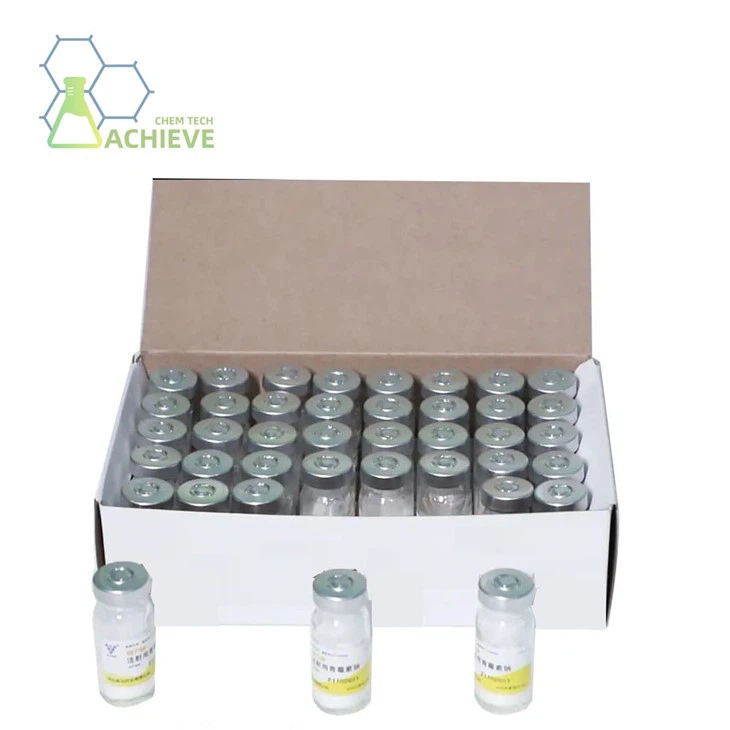



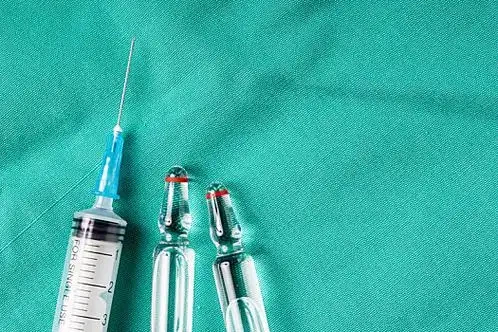
Shaanxi BLOOM Tech Co., Ltd. is one of the most experienced manufacturers and suppliers of amprolium injection in China. Welcome to wholesale bulk high quality amprolium injection for sale here from our factory. Good service and reasonable price are available.
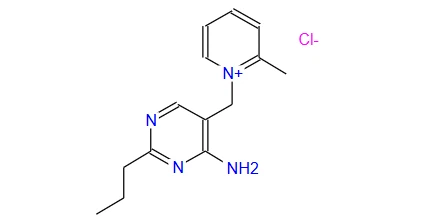
Amprolium injection is usually used in oral form for the prevention and treatment of livestock and poultry coccidiosis. Its chemical name is 1- [[4-amino-2-propyl-5-pyrimidinyl] methyl] -2-methylpyridine chloride hydrochloride, with a molecular formula of C14H19ClN4 and a molecular weight of 278.78. It is easily soluble in water, stable in properties, and can be stored at room temperature and below 40 ℃ for 5 years without significant changes, providing the basic conditions for the preparation and storage of injections. However, the conventional dosage form of Amproline is an oral formulation, and the injectable form may require additional consideration of the formulation process (such as pH adjustment, excipient selection) to ensure safety and efficacy during injection.
Amproline injection, as a potential new formulation of anti coccidiosis drugs, has advantages such as rapid onset, high bioavailability, and precise treatment. In the prevention and control of coccidiosis in poultry and ruminants, injection forms can be used for acute outbreak treatment, severe case treatment, and special group health care scenarios. However, further research and evaluation are needed to address issues such as safety, compatibility contraindications, residue, and discontinuation period.
At the same time, our company not only provides amproline stromectol injection and powders. If needed, please feel free to contact us at any time.
Our product


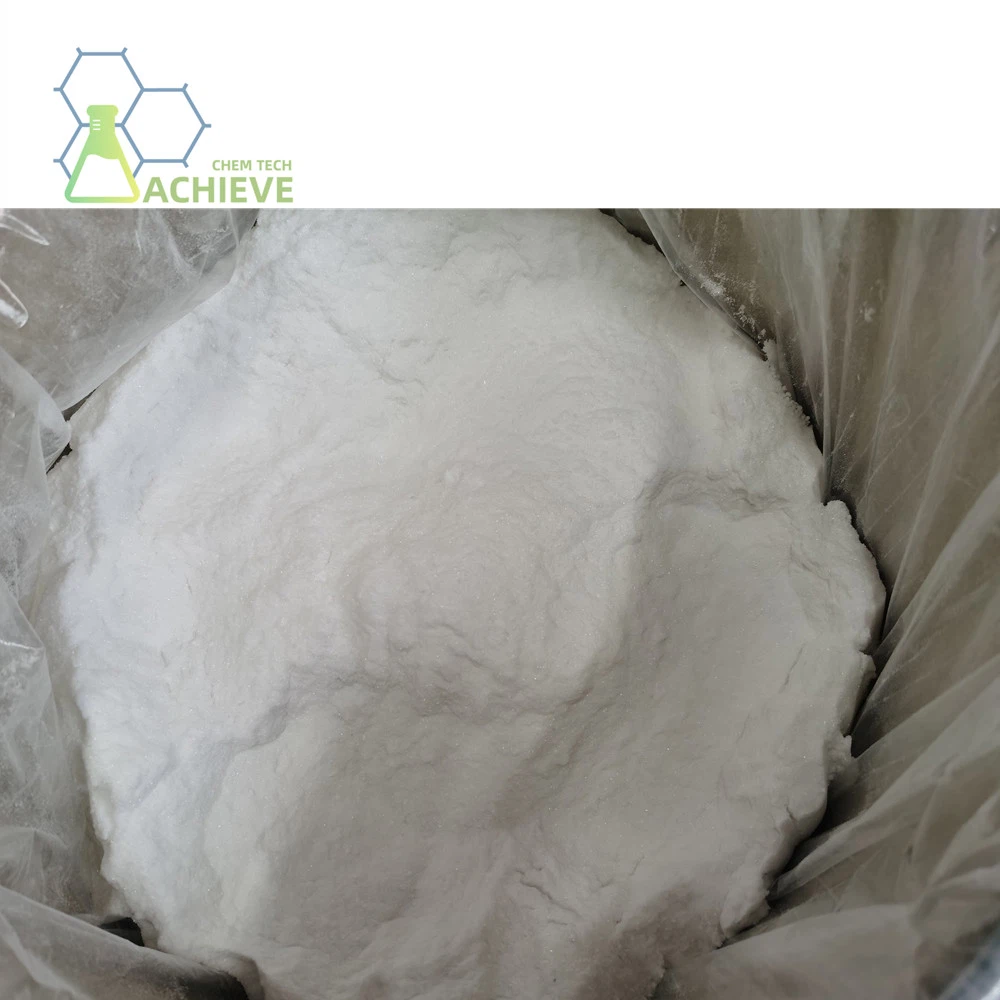


Additional information of chemical compound:
| Product Name | Amprolium powder | Amprolium injection |
| Product Type | Powder | Injection |
| Product Purity | HPLC≥99.0% | ≥99% |
| Product Specifications | 100g/1kg/etc. | 360mg/Tablet |
| Product Package | PE/Al foil bag/ paper box for Pure powder |
100 tablets/Bottle 80 bottles/Box |
|
|
|

Amprolium+. COA
 |
||
Certificate of Analysis |
||
|
Compound name |
Amprolium | |
|
CAS No. |
121-25-5 | |
|
Grade |
Pharmaceutical grade | |
|
Quantity |
Customized | |
|
Packaging standard |
Customized | |
| Manufacturer | Shaanxi BLOOM TECH Co., Ltd | |
|
Lot No. |
20250109001 |
|
|
MFG |
Jan 12th 2025 |
|
|
EXP |
Jan 8th 2028 |
|
|
Structure |
 |
|
| TEST STANDARD | GB/T24768-2009 Industry. Stnndard | |
|
Item |
Enterprise standard |
Analysis result |
|
Appearance |
White or almost white powder |
Conformed |
|
Water content |
≤4.5% |
0.30% |
| Loss on drying |
≤1.0% |
0.15% |
|
Heavy Metals |
Pb≤0.5ppm |
N.D. |
|
As≤0.5ppm |
N.D. | |
|
Hg≤0.5ppm |
N.D. | |
|
Cd≤0.5ppm |
N.D. | |
|
Purity (HPLC) |
≥99.0% |
99.5% |
|
Single impurity |
<0.8% |
0.48% |
|
Residue on ignition |
<0.20% |
0.064% |
|
Total microbial count |
≤750cfu/g |
80 |
|
E. Coli |
≤2MPN/g |
N.D. |
|
Salmonella |
N.D. | N.D. |
|
Ethanol (by GC) |
≤5000ppm |
400ppm |
|
Storage |
Store in a sealed, dark and dry place at-20 degrees |
|
 |
||
|
|
||

Amprolium, as a classic anti coccidioid drug, has been widely used in the global livestock and poultry industry since its development and launch by Merck in the 1960s. Its conventional dosage form is an oral preparation, but in recent years, with the increasing demand for rapid onset and precise treatment of drugs, research on Amproline injection has gradually received attention.
Mechanism of Action
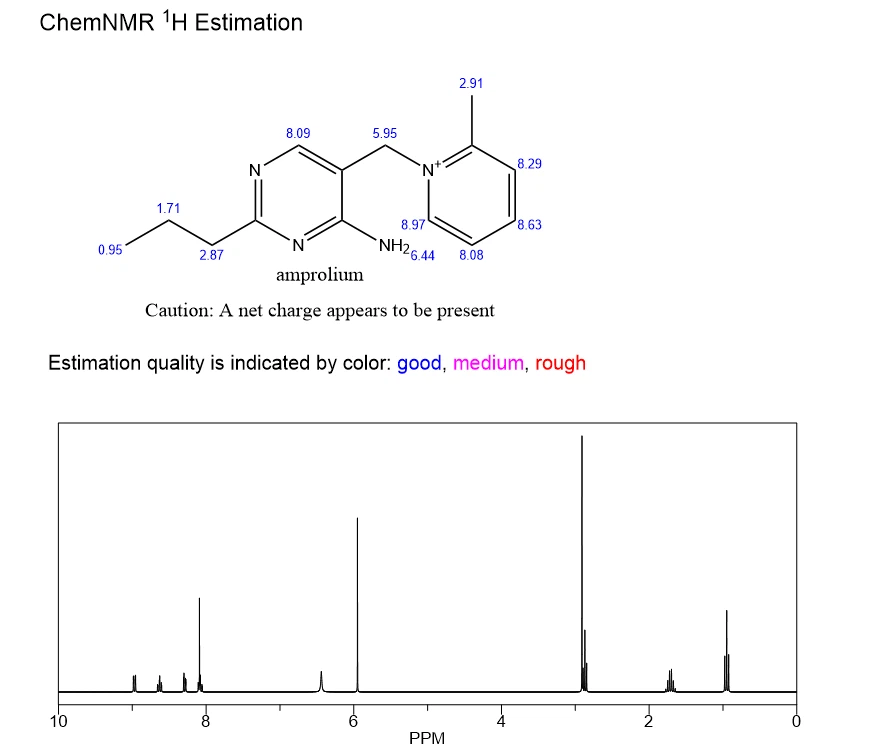
The chemical structure of Amprolium injection is highly similar to vitamin B ₁ (thiamine), which enables it to competitively inhibit the uptake of thiamine by nematodes. Thiamine is pyrophosphorylated into Thiamine pyrophosphate (TPP) in the body of nematodes, which serves as a coenzyme in the α - keto dehydrogenase system and participates in key reactions of sugar metabolism. Amproline lacks the hydroxyethyl group of thiamine, which prevents pyrophosphorylation and hinders TPP synthesis, thereby inhibiting enzyme activities such as pyruvate dehydrogenase and α - ketoglutarate dehydrogenase, blocking the tricarboxylic acid cycle, and ultimately leading to the breakdown of energy metabolism in nematodes. This mechanism is also applicable in the form of injections, as injection administration can bypass the gastrointestinal absorption barrier and directly enter the bloodstream, rapidly achieving effective blood drug concentration.
First generation schizonts: The peak of action is on the third day after infection, mainly affecting the first generation schizonts. By inhibiting the synthesis of schizonts DNA and nuclear division, preventing the formation of merozoites, and reducing the number of offspring nematodes.
Sexual reproduction stage: It has a certain inhibitory effect on the formation of gametophytes and egg sacs, as drugs can be more quickly distributed to tissues throughout the body, including reproductive organs, thereby reducing the risk of environmental egg sac contamination.
Spore stage: In vitro experiments have shown that high concentrations of ampicillin can interfere with the invasion of spores into host cells, but clinical applications require the combination of other drugs to enhance the effect.
Broad spectrum anti coccidiosis activity: Effective against common pathogens such as Eimeria tenella, heap type Eimeria, and toxic Eimeria, especially with IC ₅₀ (half maximal inhibitory concentration) as low as 0.5 μ g/mL for Eimeria tenella.
Residual safety: It metabolizes rapidly in livestock and poultry products, with a 7-day rest period for broiler chickens and a 1-day rest period for beef cattle, meeting international food safety standards.
Synergistic potential: When used in combination with ethoxylated benzyl ester and sulfaquinoxaline, it can expand the spectrum of anti coccidiosis through different targets and reduce the risk of drug resistance.
Quick onset: Injection administration can bypass the gastrointestinal absorption barrier and directly enter the bloodstream, shortening the drug's onset time.
High bioavailability: avoids first pass effects during oral administration and increases drug concentration in target tissues.
Precision treatment: For animals with severe infections or inability to eat independently, injections can ensure medication intake and improve treatment effectiveness.

(1) Prevention and control of poultry coccidiosis
Prevention plan:
Broiler: Add 500g of Anprolin per 1000kg of feed and use continuously until 7 days before slaughter.
Chickens/laying hens: Amproline monotherapy is prohibited, and compound preparations containing sulfonamides or ethoxylated benzyl esters should be selected to avoid drug residues affecting egg quality.
Treatment plan:
Acute outbreak: Administer medication in water at a concentration of 0.0125% for 5-7 consecutive days, in combination with intestinal mucosal repair agents (such as glutamine).
Mixed infection: Combined with sulfaquinoxaline (0.006%) to enhance control of secondary bacterial infections.


(2) Prevention and control of coccidiosis in ruminants
Calf Eimeria:
Prevention: Mix at a rate of 5mg/kg body weight per day for 21 consecutive days.
Treatment: Mix 10mg/kg body weight per day for 5 consecutive days, and in severe cases, it can be extended to 7 days.
Lamb Eimeria:
Mix the feed at a dose of 55mg/kg body weight per day for 14-19 consecutive days. Pay attention to the gastrointestinal sensitivity of lambs and avoid high doses causing diarrhea.
(3)Special scenario applications
Mink coccidiosis: Continuous use of 120mg/L drinking water concentration for 30 days can significantly reduce the excretion of egg sacs.
Turkey coccidiosis: Continuous use of 120mg/L drinking water concentration for 7 days has a cure rate of over 90% for heap type Eimeria.
(4) Prevention and control of poultry coccidiosis
Acute outbreak treatment: In cases of acute outbreak of coccidiosis and limited oral administration, injections can quickly reach effective blood drug concentrations and control the progression of the disease.
Severe cases: For chickens with severe infections and inability to eat independently, injections can ensure medication intake and improve the cure rate.
Special groups: such as young chickens or individuals with impaired digestive system function, injections can avoid oral absorption disorders and achieve precise treatment.
(5) Prevention and control of coccidiosis in ruminants
Calf Eimeria: Amprolium injection form can more quickly control calf coccidiosis, reduce symptoms such as diarrhea and bloody stools, and lower mortality rate.
Lamb Eimeria: For sensitive populations such as lambs, injections can reduce gastrointestinal irritation and improve medication safety.


(6) Special scenario applications
Pre - and post-operative prevention: Injections can be used to prevent coccidiosis infection and reduce the risk of postoperative complications before and after livestock and poultry surgery.
Transportation stress: During long-distance transportation, livestock and poultry are prone to immune decline due to stress reactions. Injections can quickly enhance the body's resistance and prevent the outbreak of coccidiosis.
Livestock and poultry health care: For high-value livestock and poultry such as breeding chickens and cattle, injections can be used for regular health care to reduce the impact of coccidiosis on reproductive performance.

safety
(1) Toxicity assessment
Amproline injection is used at the recommended dosage, with low toxicity and a wide safety range. However, the following potential risks still need to be noted:
Local reactions: The injection site may cause pain, swelling, or inflammation, and appropriate injection site and operation method need to be selected.
Allergic reactions: Although rare, there is an allergic risk associated with any medication injection. It is necessary to closely monitor animal reactions and prepare anti allergic drugs.
Dose control: Injections need to be accurately calculated to avoid overdose causing poisoning or insufficient effects on efficacy.
(2) Compatibility taboos
Amprolium injection should be avoided from being mixed with other drugs to prevent chemical reactions or reduce efficacy. Especially when used in combination with alkaline drugs, vitamin B supplements, etc., special attention should be paid to the interactions between drugs.
(3)Residue and discontinuation period
Although the residual amount of Amproline oral formulation is small and does not require a discontinuation period, the injection form may affect the metabolism and excretion of the drug in the body due to different administration methods. Therefore, it is necessary to develop a reasonable rest period based on specific dosage forms and administration plans to ensure that livestock and poultry products meet food safety standards.
Current situation of drug resistance and response strategies
(1) Current status of drug resistance
Global Epidemic Situation: According to the 2024 World Organization for Animal Health (OIE) report, the global resistance rate of Eimeria tenella to ampicillin has reached 15% -20%, with some regions (such as Southeast Asia) exceeding 30%.
Drug resistance mechanism:
Target mutation: A point mutation occurs in the thiamine transporter gene (THTR) of coccidiosis, reducing the binding affinity of ampicillin.
Metabolic enhancement: Upregulate the expression of enzymes related to thiamine synthesis to compensate for exogenous thiamine deficiency.
Overexpression of efflux pumps: Overexpression of ABC transporter genes (such as CgABC1) accelerates drug efflux.
(2) Response strategy
Rotation of medication: Change the type of anti coccidiosis drugs (such as Nicarbazine and Dictuzumab) every quarter to avoid long-term use of a single drug.
Shuttle medication: Use drugs with different mechanisms of action in stages during the breeding cycle (such as ampicillin in the early stage and monensin in the later stage).
Combination therapy: Amproline is used in a 1:1:1 ratio with sulfaquinoxaline and ethoxylated benzyl ester to reduce resistance selection pressure.
Vaccine immunization: promoting live vaccines against coccidiosis (such as Coccivac) ®) Vaccination combined with drug prevention and control to achieve "vaccine+drug" dual insurance.
Hot Tags: amprolium injection, suppliers, manufacturers, factory, wholesale, buy, price, bulk, for sale, 5 1 1 biphenyl 4 yl 5 8 dihydroindolo 2 3 c carbazole, benzoyl peroxide powder, 4 4 2 4 4 6 diphenyl 1 3 5 triazin 2 yl phenyl naphthalen 1 yl phenyl 2 phenylbenzo 4 5 thieno 3 2 d pyrimidine, 6 4 bromopyridin 2 yl phenanthridine, Dibenzothiophene 6 bromo 3 chloro , tetramisole hcl powder