



Lactoferrin injection, as a new type of biological agent, has shown significant therapeutic potential in the fields of low immune function, iron deficiency anemia and severe infection due to its multiple functions such as antibacterial, antiviral, immunomodulatory and iron metabolism regulation. However, problems such as its high production cost, insufficient clinical research and regulatory policy restrictions still need to be solved. In the future, with the advancement of technology and the deepening of research, this product is expected to become an important drug in fields such as anti-infection, immune regulation, and iron metabolism regulation, providing new solutions for human health.
Applicable population
People with weakened immune systems: such as cancer patients, AIDS patients, premature infants, etc.
Patients with iron deficiency anemia: Especially suitable for those who are intolerant to or have poor absorption of oral iron supplements.
Patients with severe infections: such as sepsis, severe pneumonia, etc.
Perioperative patients: By enhancing immune function, the risk of postoperative infection can be reduced.
 |
 |


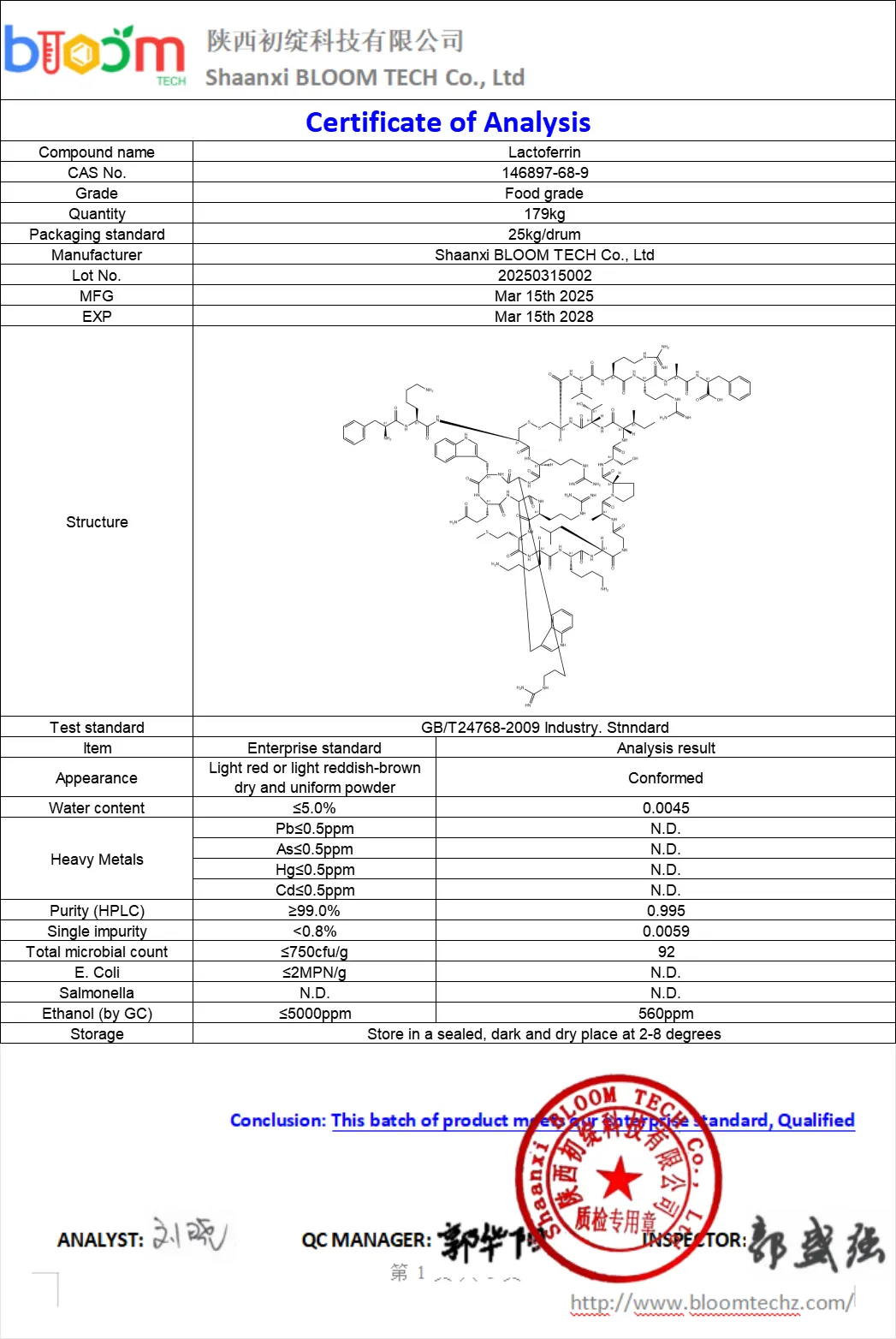
Lactoferrin powder COA
R&D background and clinical positioning
Research and Development Background

Lactoferrin (LF) is a non-heme iron-binding glycoprotein that is widely present in exocrine fluids such as milk, saliva and tears of mammals, with a molecular weight of approximately 80 kDa. Since red protein was first isolated from milk in 1939, scientists have gradually revealed that it has multiple functions such as antibacterial, antiviral, immune regulation, iron metabolism regulation, antioxidant and anti-inflammatory. Lactoferrin inhibits bacterial growth by binding to iron ions, blocks viral infection by binding to viral receptors, and can also stimulate lymphocyte proliferation, promote red blood cell maturation, and regulate the function of the immune system.
People with weakened immune systems: Groups such as cancer patients, AIDS patients, and premature infants are prone to infections due to impaired immune systems and urgently need new immunomodulatory drugs.
The treatment dilemma of iron deficiency anemia: Traditional oral iron supplements may cause gastrointestinal discomfort, and some patients are intolerant to iron supplements. It is necessary to develop safer and more effective ways to supplement iron.
Antibiotic resistance issue: With the increase of bacterial resistance, the efficacy of traditional antibiotics declines. Lactoferrin, due to its broad-spectrum antibacterial properties, has become a potential alternative.
Treatment needs for severe infections: Patients with sepsis, severe pneumonia, etc. need adjuvant treatment methods to shorten the course of the disease and reduce the mortality rate.

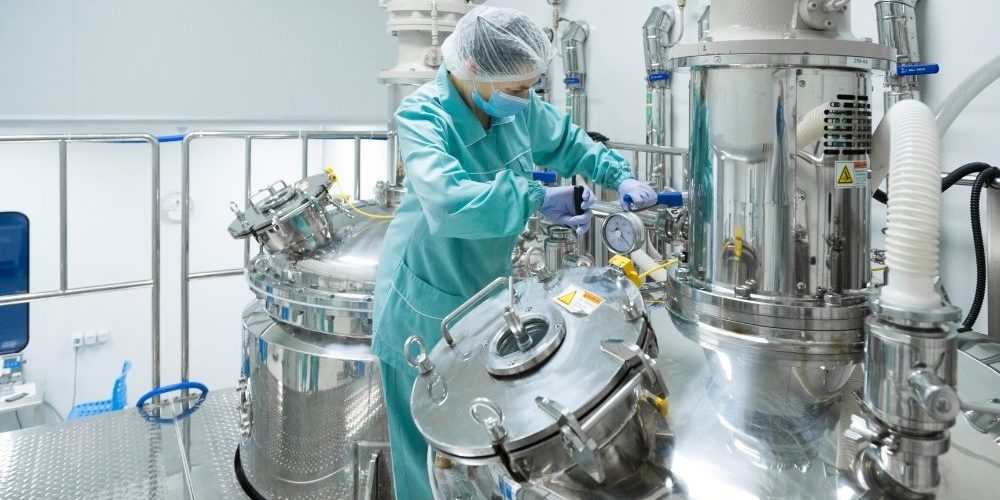
Genetic engineering and bioreactor technology: Producing recombinant human lactoferrin through transgenic bovine mammary gland bioreactors to achieve large-scale industrial production. For instance, by introducing the human lactoferrin gene into bovine fertilized eggs and allowing it to be expressed in milk, several grams of lactoferrin can be produced per liter of milk.
Preparation process optimization: Develop lactoferrin injection, and through processes such as dissolution, sterilization, and filtration, produce a sterile preparation to solve the problem of easy degradation of natural lactoferrin in the gastrointestinal tract and improve bioavailability.
Clinical Positioning

Immune regulation in people with weakened immune function
Tumor patients: Lactoferrin can enhance the proliferation ability of lymphocytes, improve the phagocytic function of macrophages, promote the secretion of immunoglobulins, and assist in enhancing the body's immune defense capacity.
Premature infants and newborns: Supplementing lactoferrin can reduce the risk of sepsis and necrotizing enterocolitis, and shorten the length of hospital stay.
AIDS patients: By regulating immune function, the occurrence of opportunistic infections can be reduced.
Treatment of iron deficiency anemia
Patients intolerant to oral iron supplements: Lactoferrin injection is administered by injection to directly supplement iron, avoiding gastrointestinal irritation and improving patient compliance.
Patients with iron malabsorption: Lactoferrin promotes iron absorption in the intestines, rapidly increases hemoglobin levels, and improves anemia symptoms.
Pregnant women: Effectively improve iron deficiency anemia during pregnancy and reduce the risk of complications for both mother and baby.


Adjuvant treatment for severe infections
Sepsis: The antibacterial and antiviral effects of lactoferrin can inhibit the growth of pathogenic bacteria, alleviate inflammatory responses, and assist in antibiotic treatment.
Severe pneumonia: By regulating immune function, reducing pulmonary infection and improving the prognosis of patients.
Drug-resistant bacterial infection: It has an inhibitory effect on multi-drug resistant bacteria (such as MRSA), providing a new option for anti-infection treatment.
Other clinical application potentials
Perioperative patients: Enhance immune function, reduce the risk of postoperative infection, and promote wound healing.
Inflammatory diseases: Inhibit the release of inflammatory factors and alleviate the inflammatory response in diseases such as rheumatoid arthritis.
Adjuvant therapy for COVID-19: Studies have shown that lactoferrin can shorten the time for the virus to turn negative, reduce inflammatory parameters, and improve clinical symptoms.

Summary
The development of lactoferrin injection is based on the multiple biological functions of lactoferrin, aiming to solve clinical problems such as low immune function, iron deficiency anemia and severe infection. Its clinical positioning is clear and it is suitable for groups such as cancer patients, premature infants, patients with iron deficiency anemia, and patients with severe infections, and has broad application prospects. With the deepening of research and the advancement of technology, this product is expected to become an important drug in fields such as anti-infection, immune regulation, and iron metabolism regulation, providing new solutions for human health.
Clinical application expansion
Lactoferrin (LF) is an iron-binding glycoprotein widely present in exocrine fluids such as milk, saliva and tears of mammals. It has multiple functions including antibacterial, antiviral, immune regulation, iron metabolism regulation, antioxidant and anti-inflammatory. In recent years, with the in-depth research, the clinical application of lactoferrin injection has been continuously expanded, showing broad prospects.



Newborns and Infants Field
In the field of neonatal health, the clinical application value of this product is remarkable. Premature infants have underdeveloped immune systems and are vulnerable to infection threats.Supplementing lactoferrin can reduce the risk of sepsis and necrotizing enterocolitis, and shorten the length of hospital stay. Studies have shown that daily supplementation of 100-300mg of lactoferrin in premature infants can significantly improve health outcomes.
For infants, toddlers and children, this injection plays an important role in the prevention and treatment of respiratory and gastrointestinal diseases.Supplementing lactoferrin can reduce the incidence of these diseases and shorten the course of the disease. Clinical studies have shown that the dosage of lactoferrin is positively correlated with its effect. Daily supplementation of 100-800mg of lactoferrin can significantly improve the health status of infants and young children. In addition, lactoferrin can also improve the anemia status of infants and young children, regulate iron metabolism, and promote the synthesis of hemoglobin.
Obstetrics and Gynecology Field
This product has shown remarkable therapeutic effects in the prevention and treatment of iron deficiency anemia during pregnancy. Iron deficiency anemia during pregnancy has adverse effects on the health of both the mother and the baby. Lactoferrin can improve hematological indicators and iron biochemical parameters. Its therapeutic effect is comparable to that of traditional intravenous iron infusion, and it has fewer side effects. Compared with oral ferrous sulfate, lactoferrin is more conducive to increasing hemoglobin levels and has a lower incidence of gastrointestinal adverse events. Therefore, this injection has become one of the preferred treatment options for patients with iron deficiency anemia during pregnancy.
Field of Digestive system diseases
This product has an auxiliary therapeutic effect on Helicobacter pylori infection.Helicobacter pylori infection is a common stomach disease. The combination of lactoferrin and standard triple/quadruple therapy can increase the eradication rate and reduce the incidence of adverse reactions. Supplementing 200mg of lactoferrin daily and taking it dissolved in milk for a course of 2 to 4 weeks can significantly improve the therapeutic effect and provide a new treatment option for patients with Helicobacter pylori infection.
Field of Tumor Treatment
This product shows the potential for treating tumors.It can not only enhance the therapeutic effect in synergy with traditional drugs, but also reduce side effects. In the treatment of breast cancer, the combined use of lactoferrin and paclitaxel, compared with the use of paclitaxel alone, significantly reduced the tumor volume in the combined treatment group, and decreased the incidence of adverse reactions in patients. In addition, lactoferrin exerts its anti-cancer effects through pathways such as inducing apoptosis of tumor cells, inhibiting the migration and invasion of tumor cells, and suppressing tumor angiogenesis. It can also regulate the immune function and enhance the body's ability to kill tumor cells.

Field of Infectious Diseases
This product plays an important role in the adjuvant treatment of severe infections.For diseases such as sepsis and severe pneumonia, the antibacterial and antiviral effects of lactoferrin can assist antibiotic treatment, shorten the course of the disease and reduce the mortality rate. It can inhibit the growth of various microorganisms, including bacteria, fungi and viruses, and promote cell apoptosis by activating the apoptotic signaling pathways within cells. In addition, lactoferrin can also regulate the immune function and enhance the body's resistance to infection.
Field of Cardiovascular and Cerebrovascular Diseases
This injection has potential application value in the prevention and treatment of cardiovascular and cerebrovascular diseases.It has a significant protective effect on myocardial ischemia-reperfusion injury and can reduce myocardial cell apoptosis and inflammatory responses. Meanwhile, lactoferrin can also improve vascular function by regulating vascular endothelial function and promoting the proliferation and migration of vascular endothelial cells. In addition, it has antioxidant and anti-inflammatory effects, which can reduce oxidative stress and inflammatory responses, and protect the health of the cardiovascular and cerebrovascular systems.


Field of Neurological Diseases
This product has shown certain effects in the adjuvant treatment of neurodegenerative diseases.For neurodegenerative diseases such as Alzheimer's disease and Parkinson's disease, lactoferrin protects dopamine neurons from oxidative stress damage by regulating mitochondrial calcium homeostasis. It can also promote the non-amyloid processing of β -amyloid protein and reduce the deposition of Aβ, thereby delaying the progression of Alzheimer's disease. This provides new treatment ideas for patients with neurodegenerative diseases.
Field of COVID-19 Prevention and Control
This product can play an auxiliary therapeutic role in the prevention and treatment of COVID-19. It can bind to the receptor of the coronavirus, prevent the virus from entering the host cell, and exert immunomodulatory and anti-inflammatory effects. By regulating the immune function, lactoferrin can enhance the body's resistance to viruses and alleviate inflammatory responses. This provides new treatment options for COVID-19 patients and helps improve prognosis.

Lactoferrin, a multifunctional protein with iron-binding, antimicrobial, anti-inflammatory, and immunomodulatory properties, holds immense therapeutic potential. Its ability to regulate iron homeostasis, enhance the immune response, and combat infections makes it a promising candidate for treating a wide range of diseases, from infectious disorders to cancer. While generally safe, considerations such as allergic reactions and iron overload must be addressed.
Frequently Asked Questions
Where is lactoferrin found?
+
-
Milk.
A protein that is found in milk, tears, mucus, bile, and some white blood cells and is being studied in the treatment and prevention of cancer. It is involved in fighting against infection and inflammation and it acts as an antioxidant.
Is lactoferrin a probiotic?
+
-
Lactoferrin is a multifunctional glycoprotein showing multiple biological properties (antimicrobial, antiviral, antioxidant, antigenotoxic, prebiotic, probiotic) that play an essential role in maintaining host physiological homeostatic condition by exerting immunomodulatory and anti-inflammatory activities.
What is healthier for breakfast, Greek yogurt or eggs?
+
-
If you want a warm, savory breakfast that offers lasting fullness and nutrients like vitamin D and choline, eggs may be your best bet. If you're looking for a high-protein breakfast with probiotics, calcium and a gut-health boost, yogurt is an excellent option.
Hot Tags: lactoferrin injection, suppliers, manufacturers, factory, wholesale, buy, price, bulk, for sale