




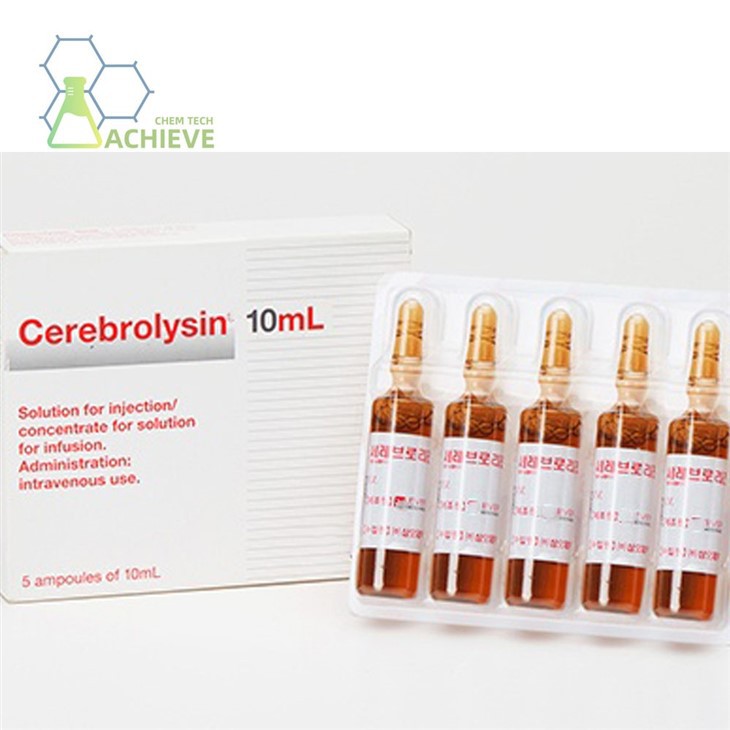
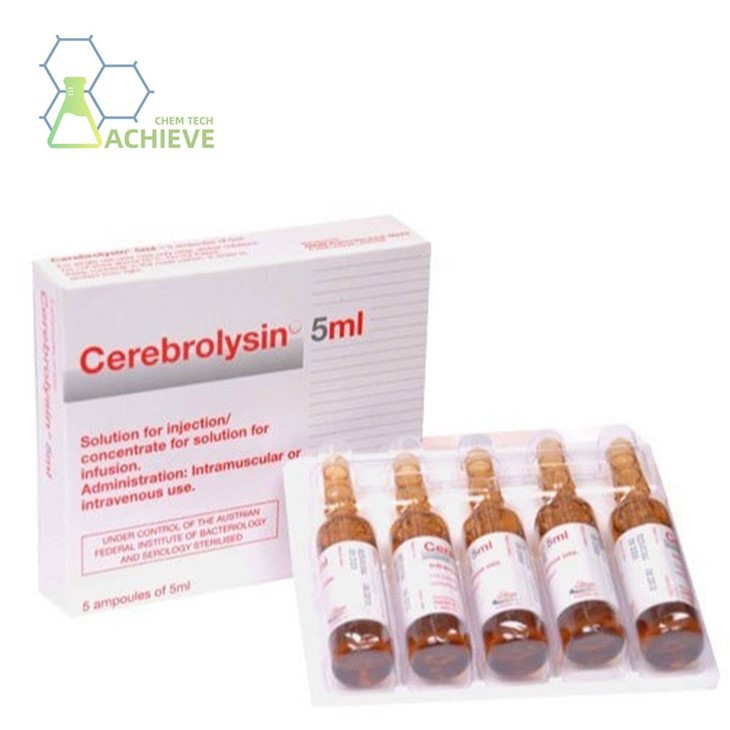
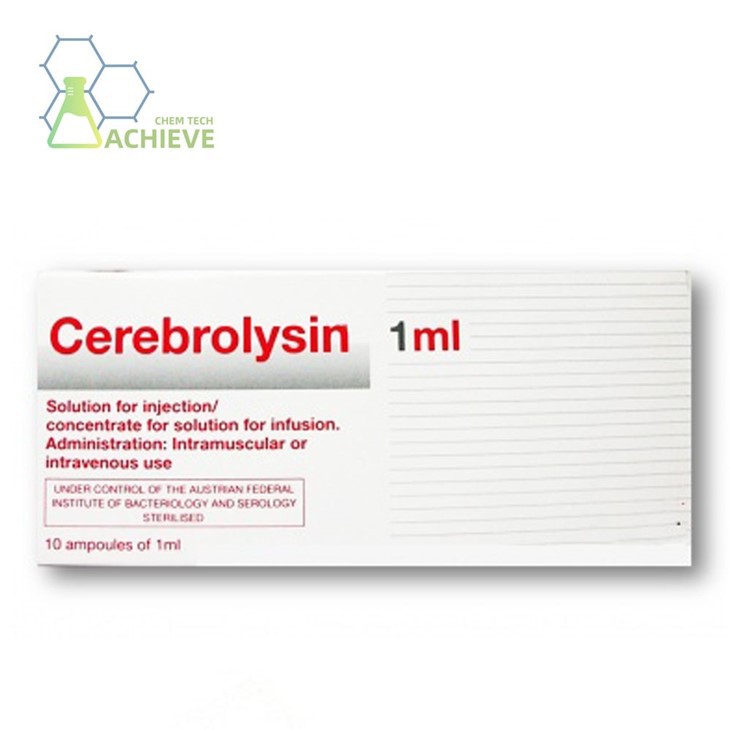

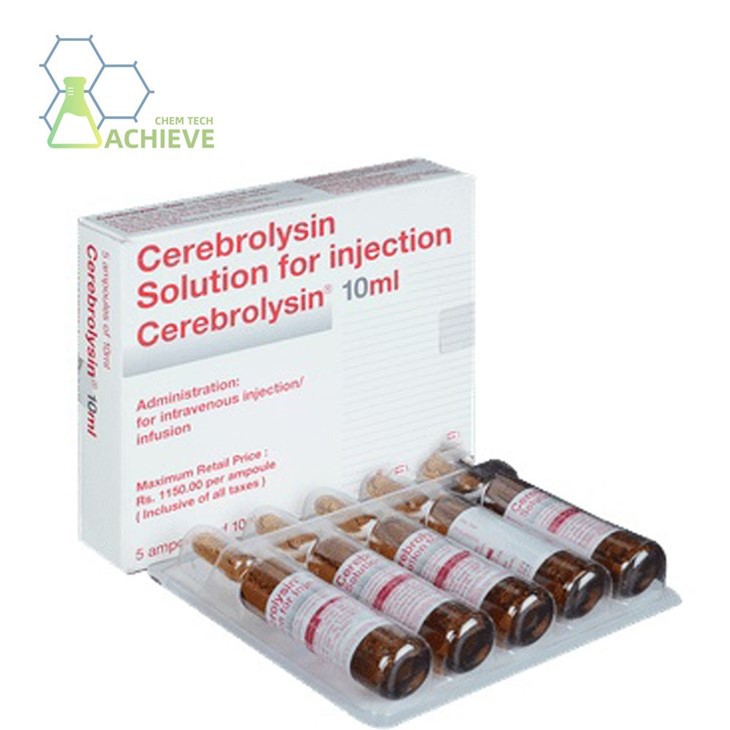
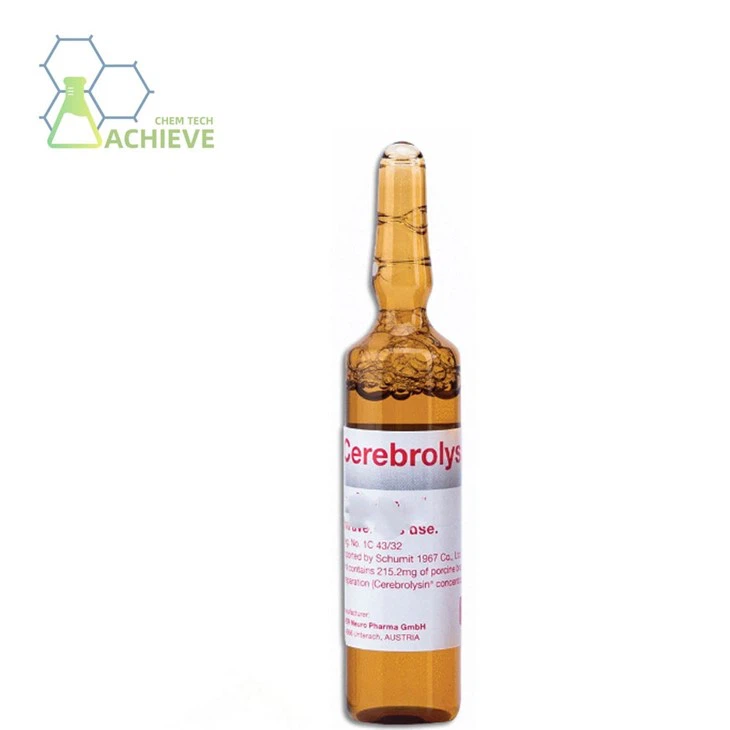
Shaanxi BLOOM Tech Co., Ltd. is one of the most experienced manufacturers and suppliers of cerebrolysin injection in China. Welcome to wholesale bulk high quality cerebrolysin injection for sale here from our factory. Good service and reasonable price are available.
Cerebrolysin Injection has emerged as a peptide mixture drug. It provides a supportive microenvironment for neurons by simulating the function of neurotrophic factors, becoming an important means of treating cerebrovascular diseases, neurodegenerative diseases, and traumatic brain injury. In the treatment of central nervous system diseases, neuroprotection and repair have always been core challenges. With the in-depth study of brain injury mechanisms, scientists have discovered that neurotrophic factors (such as BDNF, NGF) play a critical role in neuronal survival, synaptic formation, and functional recovery. However, endogenous neurotrophic factors are not expressed enough after brain injury and are difficult to directly exert their effects through exogenous supplementation. The appearance is generally an orange yellow clear liquid, and its excipients are sodium hydroxide (adjusted to neutral pH) and injection water to ensure drug stability.
Our products
|
|
|
|
|


Cerebrolysin COA

Molecular transport mechanism of blood-brain barrier and utilization strategy
The Blood Brain Barrier (BBB) is a critical barrier between the central nervous system (CNS) and peripheral circulation, composed of brain microvascular endothelial cells, basement membrane, astrocyte terminals, and peripheral cells. Its core function is to selectively regulate substance exchange through physical barriers (tight junctions) and biochemical barriers (efflux pumps, enzyme degradation systems), protecting brain tissue from pathogens and toxins. However, this characteristic also leads to over 98% of small molecule drugs and all large molecule drugs being unable to effectively enter the brain parenchyma, becoming the main bottleneck in the treatment of CNS diseases. It is a neuropeptide preparation extracted from pig brain protein, containing free amino acids and low molecular weight peptides with a molecular weight of less than 10000 Da, and its composition ratio is highly similar to that of human brain tissue. Clinical studies have shown that this drug can improve brain metabolism, promote neural repair, and significantly enhance cognitive function in patients with Alzheimer's disease, vascular dementia, and stroke through a multi-target mechanism of action.
Molecular transport mechanism of blood-brain barrier
The transport mechanism of BBB can be divided into three categories: passive diffusion, active transport, and phagocytosis, and its selectivity is closely related to the polarization characteristics of brain endothelial cells.
The cell membrane of BBB is composed of phospholipid bilayers, and lipophilic small molecules (such as oxygen, carbon dioxide, ethanol, and certain anesthetics) can penetrate the cell membrane through simple diffusion along a concentration gradient. The efficiency of this process depends on the lipid water partition coefficient (LogP) and molecular weight of the drug:
Molecular weight threshold: It is generally believed that drugs with a molecular weight less than 400-600 Da can enter the brain parenchyma through passive diffusion.

LogP optimization: Excessive lipid solubility may lead to drug accumulation in brain tissue, causing neurotoxicity; However, if the water solubility is too strong, it cannot penetrate the cell membrane. For example, the antiepileptic drug valproic acid (LogP=2.8) can effectively penetrate the BBB, while the water-soluble antibiotic penicillin G (LogP=-1.3) relies on other mechanisms.
The free amino acids (such as glutamic acid and gamma aminobutyric acid) and short peptides (such as dipeptides and tripeptides) in collaboration have moderate lipid solubility and can partially penetrate the BBB through passive diffusion. However, its brain concentration is still limited by plasma protein binding rate and metabolic stability.

Active transportation: carrier mediated precise transportation
BBB expresses multiple specific transporters that can actively transport endogenous nutrients (such as glucose and amino acids) and exogenous drugs. According to the direction of transportation, it can be further divided into:
Influx Transporters
Glucose transporter 1 (GLUT1): responsible for the uptake of glucose in the brain, it is a key channel for brain energy metabolism.
Large Neutral Amino Acid Transporter 1 (LAT1): Transports essential amino acids such as phenylalanine and tyrosine, while recognizing structurally similar drugs such as levodopa and melphalan.
Organic cation transporter (OCT): Involved in the transport of neurotransmitter precursors such as dopamine and serotonin. Short peptides in collaboration may enter the brain parenchyma through LAT1 or peptide transporter (PEPT1/2). For example, dipeptidyl glycyl-L-glutamine (Gly Gln) can be transported across membranes in an electrically neutral form through PEPT1, with a transport efficiency 100-1000 times that of free amino acids.
BBB expresses a variety of ATP binding cassette (ABC) superfamily efflux pumps, such as P-glycoprotein (P-gp), breast cancer resistance protein (BCRP) and multidrug resistance related protein (MRP), which can pump potential neurotoxic substances (such as beta amyloid protein, metabolic waste) and drugs back into the blood.
P-gp substrates: including digoxin, paclitaxel, morphine, etc., whose brain concentration can be reduced by more than 90% due to P-gp overexpression.
Inhibition strategy: Combination use of P-gp inhibitors (such as verapamil and quinidine) can increase drug exposure in the brain, but may increase the risk of neurotoxicity.

The intracerebral delivery of Cerebrolysin Injection is not significantly restricted by efflux pumps, which may be related to the non P-gp substrate properties of its peptide components. Animal experiments have shown that the concentration of Shipushan in cerebrospinal fluid is linearly correlated with plasma concentration, indicating that its transport process is not affected by the saturation effect of efflux pumps.

Cytophagy: The Trojan Horse Strategy of Large Molecule Drugs
For large molecules with a molecular weight greater than 1000 Da, such as proteins, nucleic acids, and nanoparticles, BBB mainly achieves transmembrane transport through receptor-mediated endocytosis (RMT) and adsorption mediated endocytosis (AMT). Receptor mediated endocytosis (RMT): RMT relies on surface specific receptors of brain endothelial cells (such as transferrin receptor, insulin receptor, low-density lipoprotein receptor) to recognize ligands and form clathrin coated vesicles to complete the endocytosis transport release process. Transferrin receptor (TfR): It is the most extensively studied target of RMT. Anti TfR antibodies (such as OX26) or transferrin drug conjugates can significantly improve brain delivery efficiency. For example, the concentration of OX26 coupled nerve growth factor (NGF) in the brain of macaque models increased by 10 times.
Insulin receptor: used for delivering insulin analogs and anti Alzheimer's disease antibodies (such as monoclonal antibodies).The intracerebral delivery of collaboration may be partially dependent on the RMT mechanism. Its peptide components may mimic endogenous neuropeptides such as brain-derived neurotrophic factor (BDNF), triggering RMT by binding to neurotrophic factor receptors (TrkB) on the surface of endothelial cells. Animal experiments have shown that Shipushan can significantly upregulate the expression of BDNF in the brain, suggesting that its components may enter the brain parenchyma through similar pathways.
AMT relies on the electrostatic interaction between ligands and negatively charged cell membranes (such as heparan sulfate proteoglycans) to form non-specific vesicular transport. Cationized albumin and polyethyleneimine (PEI) modified nanoparticles can penetrate the blood-brain barrier (BBB) through AMT, but they are prone to inflammatory reactions and increased blood-brain barrier permeability.
Collaboration did not adopt the AMT strategy, and its brain delivery mainly relies on the synergistic effect of passive diffusion and RMT. This design avoids the potential neurotoxicity of AMT and meets the safety requirements for long-term use.

The alternative route is nasal administration: drugs bypass the BBB and enter the brain parenchyma directly through the olfactory nerve or trigeminal nerve. For example, insulin nasal spray can significantly increase CSF insulin concentration within 15 minutes.
Intrathecal injection: Directly injecting drugs into cerebrospinal fluid, but with high operational risk and uneven distribution.

It is administered intravenously and intramuscularly without relying on bypass routes, but its brain bioavailability is still superior to most similar drugs, indicating that its molecular design has optimized BBB penetration efficiency.
Physical interventions include focused ultrasound (FUS): combined with microbubbles to disrupt the tight junctions of the blood-brain barrier, achieving instantaneous drug delivery. FUS can increase the concentration of trastuzumab in brain tumors by 10 times, but may cause brain edema and neuroinflammation.
High osmotic solution opens BBB: Injecting 25% mannitol into the carotid artery can temporarily contract endothelial cells and open tight junctions through changes in osmotic pressure. This method can increase the concentration of carboplatin in brain tumors by three times, but the treatment window is only 40-60 minutes.
It can achieve effective brain delivery without physical intervention, avoiding the safety risks caused by BBB damage and making it more suitable for the treatment of chronic CNS diseases.
BBB penetration strategy
The delivery efficiency of Cerebrolysin Injection in the brain is attributed to its unique molecular design and multi-target mechanism, with the following specific strategies:
Optimization of molecular weight and lipid solubility
Cerebrolysin contains free amino acids and short peptides with a molecular weight of less than 10000 Da, of which over 80% are dipeptides to pentapeptides. This molecular weight range (200-600 Da) balances the efficiency of passive diffusion and metabolic stability:
Passive diffusion contribution: Short peptides (such as Leu Enkephalin, MW=573 Da) can freely diffuse through the phospholipid bilayer, and their brain concentration is positively correlated with plasma concentration.
Metabolic stability: The half-life of short peptides in plasma (t1/2 ≈ 30 minutes) is significantly longer than that of free amino acids (t1/2 ≈ 3 minutes), which can maintain effective brain exposure time.
Utilization of RMT mechanism
The neuropeptide components in collaboration, such as BDNF like peptides and NGF like peptides, may trigger RMT transport by binding to TrkB or p75NTR receptors on the surface of endothelial cells
Animal experimental evidence shows that Shipushan can significantly upregulate the expression of BDNF and NGF in the brain, while increasing the density of TrkB receptors in brain microvascular endothelial cells, suggesting that its components may enhance RMT efficiency through positive feedback loop.
Clinical relevance: The decrease in BDNF levels in the brain of Alzheimer's disease patients is associated with cognitive decline. Supplementing with BDNF like peptides may improve synaptic plasticity and neural network function.
Avoid identifying the external discharge pump
The peptide components of collaboration are not P-gp or BCRP substrates, and their brain delivery is not limited by efflux pumps
Pharmacokinetic study: After intravenous infusion of salbutamol in healthy volunteers, the drug concentration in cerebrospinal fluid reached its peak within 2 hours (Cmax ≈ 0.5 μ g/mL), and the elimination half-life (t1/2 ≈ 6 hours) was consistent with plasma, indicating no significant efflux pump mediated drug clearance.
Comparative advantage: Traditional anti dementia drugs (such as donepezil) have a brain concentration of only 10% -20% of plasma due to the efflux effect of P-gp, while the brain/plasma concentration ratio of prazosin can reach 0.8-1.2.
Multi target neuroprotective effect
Cerebrolysin indirectly maintains its barrier function by reducing BBB permeability, minimizing neuroinflammation and oxidative stress damage to the BBB through the following mechanisms:
Inhibition of β - amyloid deposition: Shipushan can reduce A β 1-42-induced apoptosis of brain microvascular endothelial cells and decrease BBB permeability.
Clearing free radicals: Its antioxidant components (such as glutathione precursors) can neutralize superoxide anions and hydrogen peroxide, reducing the damage to tight junctions caused by oxidative stress.
Frequently Asked Questions
What are the risks of Cerebrolysin?
+
-
Generally, the side effects of Cerebrolysin ® are rare and of mild intensity. The most frequently reported adverse reactions with Cerebrolysin ® are dizziness, headache, sweating, and nausea.
Is Cerebrolysin natural?
+
-
Cerebrolysin is a mixture of proteins purified from the brains of pigs. Some of the proteins in Cerebrolysin are found naturally in the human brain and may help to protect and repair brain cells. Cerebrolysin is commonly used in some countries as a treatment for stroke.
Is Cerebrolysin anti-inflammatory?
+
-
Cerebrolysin (CBL) has been reported to be anti-inflammatory by reducing reactive oxygen species (ROS) production. However, the neuroprotection of CBL in TBI and the potential mechanism are unclear.
Hot Tags: cerebrolysin injection, suppliers, manufacturers, factory, wholesale, buy, price, bulk, for sale