




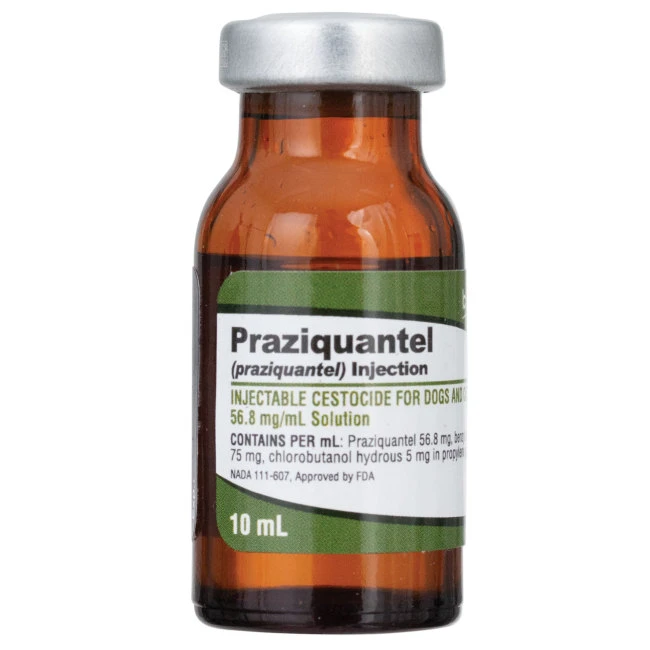
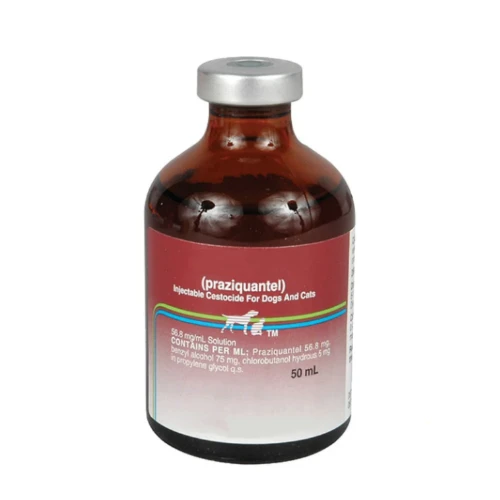
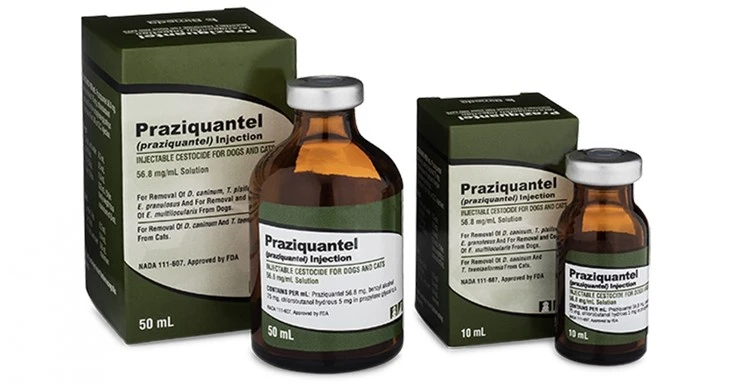
Shaanxi BLOOM Tech Co., Ltd. is one of the most experienced manufacturers and suppliers of praziquantel injection in China. Welcome to wholesale bulk high quality praziquantel injection for sale here from our factory. Good service and reasonable price are available.
Praziquantel(biltricide), a synthetic isoquinoline-pyrazine derivative, has revolutionized the treatment of parasitic infections since its discovery in the 1970s. While oral formulations dominate clinical use, it offer unique advantages in severe or systemic infections, particularly in veterinary and aquaculture settings. This article examines the pharmacodynamics, clinical applications, safety profile, and regulatory considerations of praziquantel injections, integrating insights from preclinical studies, human trials, and real-world usage data.
1.General Specification
(1)Injection
Customizable
(2)Paste
Customizable
(3)Sirop
Customizable
2.Customization:
We will negotiate individually, OEM/ODM, No brand, for secience researching only.
Internal Code: BM-3-045
Praziquantel CAS 55268-74-1
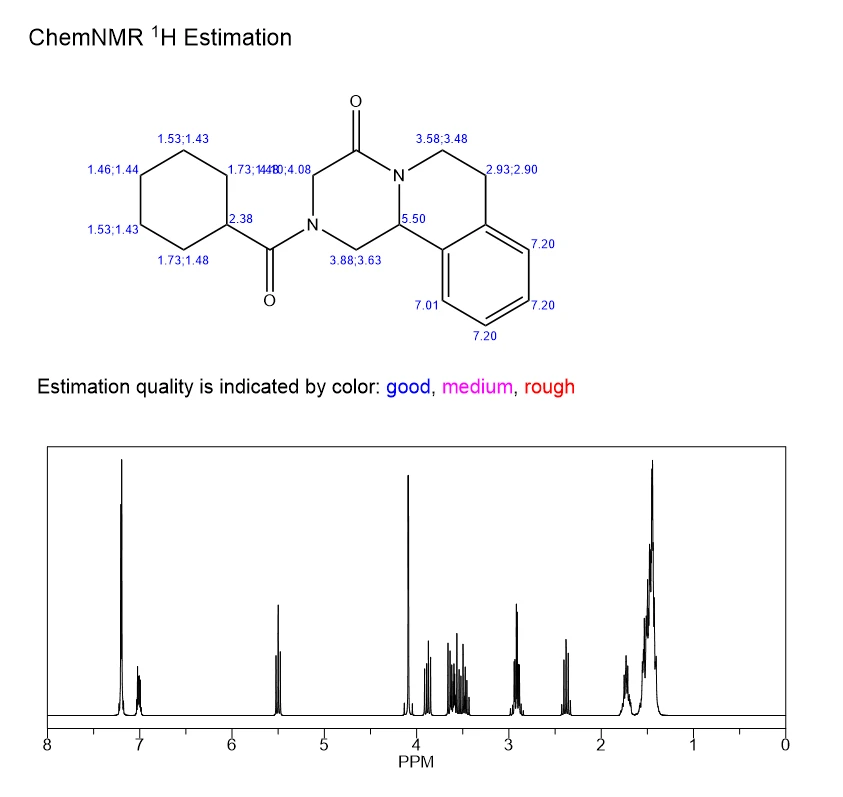
Analysis: HPLC, LC-MS, HNMR
Technology support: R&D Dept.-4

Additional information of chemical compound:
| Product Name | Praziquantel Injection | Praziquantel Paste | Praziquantel Sirop |
| Product Type | Injection | Paste | Sirop |
| Product Purity | ≥99% | ≥99% | ≥99% |
| Product Specifications | Customizable | Customizable | Customizable |
| Product Package | Customizable | Customizable | Customizable |
praziquantel +. COA
|
|
||
| Certificate of Analysis | ||
| Compound name | Praziquantel | |
| CAS No. | 55268-74-1 | |
| Quantity | 50kg | |
| Manufacturer | Shaanxi BLOOM TECH Co., Ltd | |
| Lot No. | 20250415012 | |
| MFG | May.19th2025 | |
| EXP | May.19th2028 | |
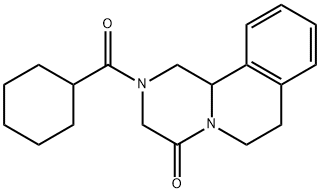
| Structure |
|
|
| Item | Enterprise standard | Analysis result |
| Appearance | White to off-white | Conformed |
| Water content | ≤5.0% | 0.12% |
| Heavy Metals | Pb≤0.5ppm | N.D. |
| As≤0.5ppm | N.D. | |
| Hg≤0.5ppm | N.D. | |
| Cd≤0.5ppm | N.D. | |
| Purity (HPLC) | >95%% | 99.93% |
| Single impurity | <0.8% | 0.13% |
| Total microbial count | ≤750cfu/g | 20 |
| E. Coli | ≤2MPN/g | N.D. |
| Salmonella | N.D. | N.D. |
| Ethanol (by GC) | ≤5000ppm | 200ppm |
| Storage | -80°C, 2 years; -20°C, 1 year (Sealed storage, away from moisture) | |
|
|
||
|
|
||

Chemical and Pharmacological Properties
Molecular Structure and Mechanism of Action
Biltricide (C₁₉H₂₄N₂O₂) is a white crystalline powder with a molecular weight of 312.41 g/mol. Its mechanism of action involves two primary pathways:
Muscular Paralysis: PZQ increases calcium ion permeability in parasite membranes, causing hypercontraction and spastic paralysis. This disrupts the worm's attachment to host tissues, facilitating clearance by the immune system.
Tegumental Damage: The drug induces vacuolization and rupture of the parasite's outer tegument, exposing antigens that trigger host immune responses, including eosinophil infiltration and antibody-dependent cytotoxicity.
In vitro studies demonstrate that PZQ achieves 100% lethality against Schistosoma mansoni adults at concentrations as low as 0.1 μg/mL within 30 minutes.
Pharmacokinetics of Injectable Formulations
Unlike oral PZQ, which undergoes extensive first-pass metabolism, injectable formulations (e.g., intravenous, intramuscular) bypass hepatic degradation, achieving:
Higher Bioavailability: Intravenous administration results in near-complete absorption (95–100%), compared to 80% for oral doses.
Rapid Onset: Peak plasma concentrations occur within 1–2 hours post-injection, versus 2–4 hours for oral tablets.
Extended Half-Life: In dogs, the elimination half-life of injectable PZQ is 3.2 hours, compared to 1.5–2.5 hours for oral formulations, enabling sustained antiparasitic activity.
These properties make injections preferable for critically ill patients or when oral intake is compromised.
Pharmacological mechanism
As a broad-spectrum antiparasitic drug, the pharmacological mechanism of biltricide injection is mainly through the synergistic effect of interfering with the calcium ion balance of parasites, destroying the epidermal structure and inhibiting the energy metabolism and other multi-pathways, to realize the high efficiency of killing trematodes and tapeworms. The following is a detailed description of its core pharmacological mechanism:
By specifically binding to voltage-gated calcium channels on the surface of the parasite, it induces a large amount of extracellular calcium ions to flow inward, leading to a sharp rise in the concentration of calcium ions in the body of the worm (calcium overload). This process directly triggers tonic spasms in the worm muscles, causing it to lose its ability to adsorb host tissues (e.g., blood vessel walls, intestinal mucosa), which are ultimately flushed by the bloodstream to the liver or excreted with intestinal peristalsis.

For example, Schistosoma haematobium develops spasmodic paralysis within minutes of exposure to biltricide, and 95% of the worms are transferred from the mesenteric vein to the liver where they die.

Calcium channel activation and muscle spasm
By specifically binding to voltage-gated calcium channels on the surface of the parasite, it induces a large amount of extracellular calcium ions to flow inward, leading to a sharp rise in the concentration of calcium ions in the body of the worm (calcium overload).
This process directly triggers tonic spasms in the worm muscles, causing it to lose its ability to adsorb host tissues (e.g., blood vessel walls, intestinal mucosa), which are ultimately flushed by the bloodstream to the liver or excreted with intestinal peristalsis. For example, Schistosoma haematobium develops spasmodic paralysis within minutes of exposure to biltricide, and 95% of the worms are transferred from the mesenteric vein to the liver where they die.
It inhibits adenosine triphosphate (ATP) synthesis by interfering with the parasite's mitochondrial function:
Oxidative phosphorylation blockade: The drug inhibits the mitochondrial respiratory chain complex and reduces ATP production, leading to diminished motility of the worms and atrophy of reproductive organs.
Glucose uptake inhibition: It blocks glucose uptake by the worm and inhibits lactate production, further exacerbating energy depletion.

For example, after exposure to biltricide, the cortex of Schistosoma oryzae appeared balloon-like vacuoles and collapsed, and eventually died due to the collapse of energy metabolism.

Reproductive cycle blockage
It has a significant inhibitory effect on the reproductive system of parasites:
Female oviposition inhibition: the drug interferes with the development of yolk glands and the synthesis of egg shell proteins, resulting in abnormal egg morphology or reduced emission. For example, schistosome females' ability to lay eggs is significantly reduced under the effect of praziquantel, and the hatching rate of eggs is reduced.
Testicular damage of male worms: It can damage the testicular structure of male worms and block spermatogenesis, thus blocking the reproductive cycle of Schistosoma haematobium.
Enhanced host immune regulation
It enhances the clearance of parasites by regulating the host immune system:
Macrophage activation: the drug promotes macrophage aggregation and phagocytosis, improving the clearance efficiency of worm fragments.
Increased antibody production: It can stimulate the proliferation of B-lymphocytes, promote the production of specific antibodies (e.g. IgG, IgM), and enhance the antibody-dependent cytotoxic effect.
High selectivity: safety for mammals
It has no such damaging effect on mammalian cell membranes, and its selectivity stems from:
Calcium channel differences: parasite voltage-gated calcium channels have different structures from mammalian channels, and it has a higher affinity for the former.
Rapid metabolism: the drug is rapidly hydroxylated and inactivated in mammalian liver, with a half-life of only 1-1.5 hours, reducing the potential effects on host cells.
Clinical Applications
Human Medicine:
1) Neurocysticercosis
Neurocysticercosis (NCC), caused by Taenia solium larvae in the brain, is a leading cause of acquired epilepsy in endemic regions. While oral PZQ is first-line therapy, injections are reserved for:
Coma or Seizures: Intravenous PZQ (50 mg/kg/day divided into 3 doses) reduces cerebral edema and parasite burden more rapidly than oral regimens.
Malabsorption Syndromes: Patients with cysticercotic encephalitis or gastrointestinal dysfunction benefit from parenteral administration to ensure therapeutic drug levels.
A 2023 meta-analysis of 12 trials found that injectable PZQ reduced seizure frequency by 68% in NCC patients, compared to 52% with oral therapy.
2) Severe Schistosomiasis
Acute schistosomiasis (Katayama fever) is characterized by systemic inflammation and pulmonary hypertension. Oral PZQ may exacerbate symptoms due to rapid parasite death and antigen release. Injectable corticosteroids combined with low-dose intravenous PZQ (10–20 mg/kg) mitigate inflammatory responses while eradicating worms.
Veterinary Medicine:
1) Livestock Infections
Cattle and sheep infected with Fasciola hepatica (liver flukes) exhibit weight loss, anemia, and reduced milk production. Injectable PZQ (7.5–10 mg/kg) administered subcutaneously achieves 98% efficacy, compared to 92% for oral paste formulations.
2) Companion Animals
Dogs with Dipylidium caninum (tapeworm) infections often require injectable PZQ (5.5 mg/kg) due to vomiting or owner non-compliance with oral medications. A 2024 study reported 100% cure rates in 120 treated dogs, with no recurrences at 6-month follow-up.
Aquaculture:
Aquatic parasites like Dactylogyrus (gill flukes) and Bothriocephalus (tapeworms) cause mass mortality in fish farms. PZQ injections (0.05–0.1 mg/kg) delivered via intramuscular or bath treatments eradicate infections within 72 hours. In trout farms, injectable PZQ reduced mortality by 89% and improved growth rates by 23% compared to untreated controls.
Safety and Tolerability

Adverse Effects
Common side effects of injectable PZQ include:
Local Reactions: Pain or swelling at the injection site (12–15% of cases).
Systemic Symptoms: Headache (8%), dizziness (5%), and transient fever (3%) due to parasite antigen release.
Neurological Risks: Seizures occur in <1% of patients with pre-existing NCC, necessitating pre-treatment with anticonvulsants.
Contraindications
Pregnancy: PZQ is teratogenic in animal models; use is avoided during the first trimester unless benefits outweigh risks.
Ocular Cysticercosis: Injections may trigger irreversible retinal damage due to inflammation.
Hypersensitivity: Prior anaphylaxis to PZQ or isoquinoline derivatives precludes readministration.


Drug Interactions
Corticosteroids: Concurrent use enhances anti-inflammatory effects but may mask early signs of infection.
Antiepileptics: Phenytoin and carbamazepine reduce PZQ plasma levels by 30–40%, requiring dose adjustments.
Chloroquine: Co-administration increases PZQ's neurotoxicity in rodent models, though clinical relevance remains unclear.
Long-term effects of Praziquantel on gut microbiota Changes in microbial diversity: Long-term use of Praziquantel may reduce gut microbial diversity, leading to a decrease in dominant bacteria (such as Firmicutes) and an increase in opportunistic pathogens (such as Bacteroidetes and Proteobacteria). This microbial imbalance may increase the risk of secondary infections (such as Clostridium difficile infection). Emergence of resistant bacteria: Gut microbes may acquire resistance to Praziquantel through horizontal gene transfer. Although there is currently no direct evidence, similar phenomena have been widely reported with other antibiotics. The spread of resistant bacteria may reduce the future efficacy of Praziquantel.
Frequently Asked Questions
How is praziquantel administered?
+
-
Swallow the tablets whole with water during meals. If your child cannot swallow the tablet, you may crush or dissolve and mix it with semi-solid food or liquid. Take the mixture within 1 hour of mixing. Do not break the tablet unless your doctor tells you to.
What happens after taking praziquantel?
+
-
The most common side effects are stomach discomfort, a general feeling of being unwell, headache, dizziness, fever, and itching. Before taking praziquantel, make sure to tell your healthcare provider about any health conditions or medicines you are taking.
How quickly do side effects happen?
+
-
You can get a side effect from a medicine straight away or later. Sometimes side effects of medicines get better over time. For example, a new medicine might make you feel nauseous at first but this will go away after you take the medicine for a while. Sometimes side effects don't happen right away.
Can side effects go away?
+
-
"Your provider can often adjust your dosage, switch you to a different medication or suggest ways to reduce symptoms," Dr. Makelky said. Give it time: Some side effects are temporary and may go away as your body adjusts to the medication.
Is it safe in pregnant dogs?
+
-
Praziquantel iseffective against nearly all tapeworms (Diplydium, Taenia, Echinococcus, Diphyllobothrium). It can be given to pregnant animals, but should not be used in puppies/kittens younger than 4 weeks.
Hot Tags: praziquantel injection, suppliers, manufacturers, factory, wholesale, buy, price, bulk, for sale