




Shaanxi BLOOM Tech Co., Ltd. is one of the most experienced manufacturers and suppliers of fluralaner injection in China. Welcome to wholesale bulk high quality fluralaner injection for sale here from our factory. Good service and reasonable price are available.
Fluralaner Injection is a long-acting systemic antiparasitic drug belonging to the isoxazoline class. It works by inhibiting ligand gated chloride ion channels (GABA receptors and glutamate receptors) in the nervous system of arthropods, leading to parasite paralysis and death. It interferes with parasitic nerve signal transmission by blocking GABA receptors and glutamate receptors, causing rapid paralysis and death. It has high safety for the nervous system of mammals (such as cats and dogs), as drugs are difficult to penetrate the blood-brain barrier and there are significant differences in receptor structures between mammals and parasites. It kills over 90% of fleas within 4 hours after administration and reaches 100% within 12 hours; Kill over 99% of attached ticks within 48 hours. A single injection can maintain protection against fleas, black legged ticks, American dog ticks, and brown dog ticks for 12 months; The protection period for solitary ticks is 8 months.
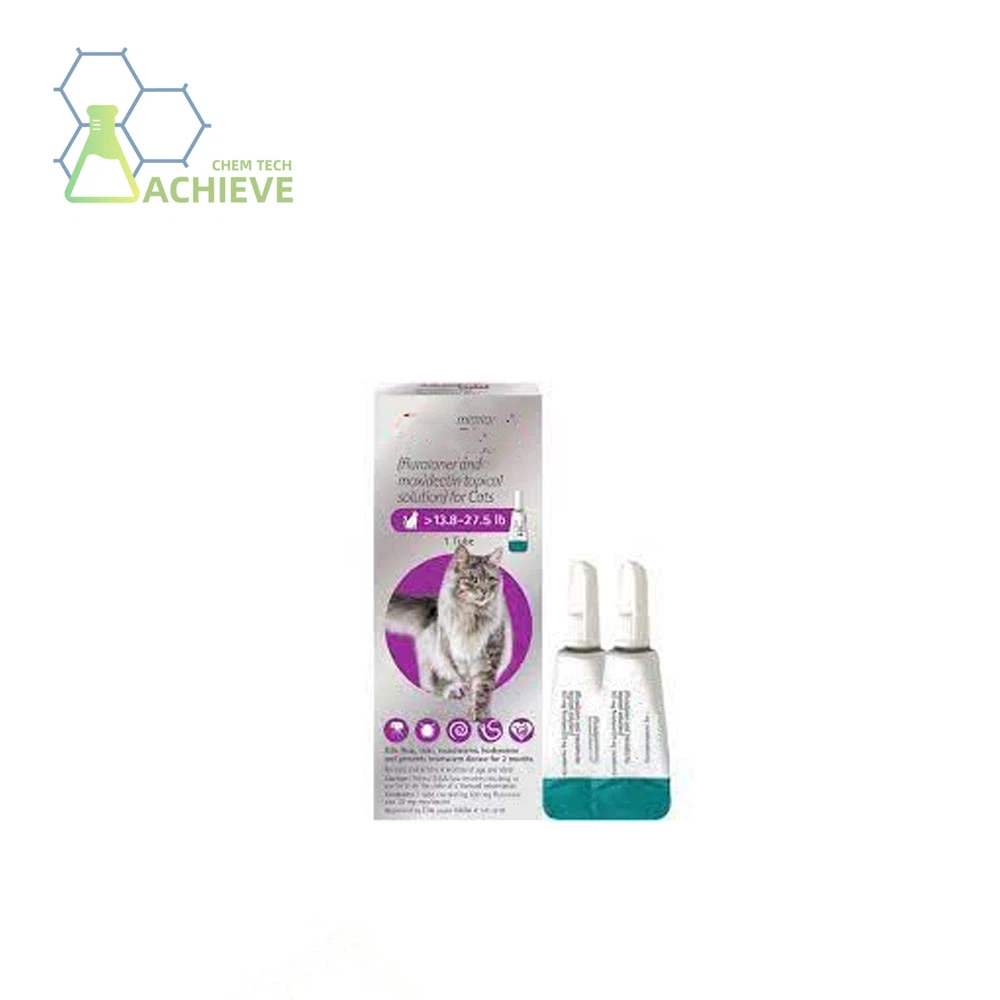
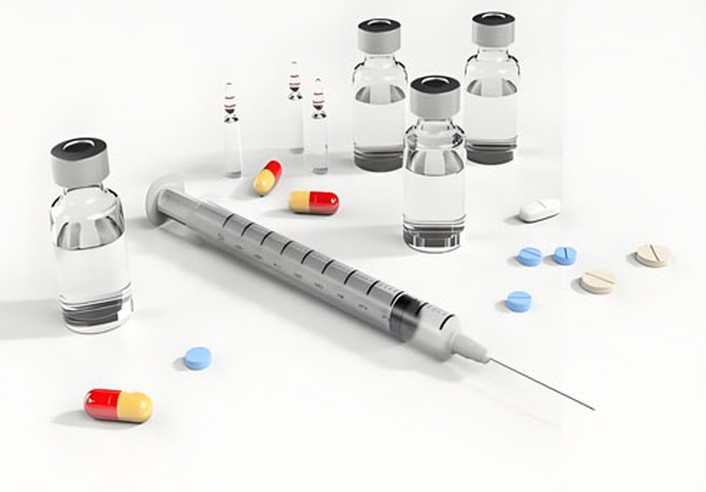
At the same time, our company not only provides pure powders, but also tablets and injections. If needed, please feel free to contact us at any time.
Our products




 |
 |
Fluralaner COA


Fluralaner is an isoxazoline compound that works by inhibiting ligand gated chloride ion channels (GABA receptors and glutamate receptors) in the nervous system of arthropods, leading to parasite paralysis and death. Fluralaner injection is a long-acting systemic antiparasitic drug that can maintain a protective effect against fleas and ticks for up to 12 months with a single injection, significantly improving pet treatment compliance and reducing the risk of zoonotic disease transmission.
Raw materials and auxiliary materials
Active ingredient
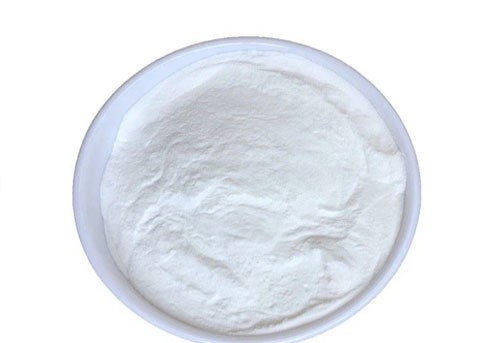
Fluremina powder: Each bottle contains 2.51g of Fluremina (purity ≥ 99.9%), chemical name is (±) -4- [5- (3,5-dichlorophenyl) -5- (trifluoromethyl) -4,5-dihydroisoxazol-3-yl] -2-methyl-N - [2-oxo-2- (2,2,2-trifluoroethylamino) ethyl] benzamide, CAS number 864731-61-3, molecular weight 556.29 g/mol.
Preparation process: Obtain large particles of Frellana (LPS) through recrystallization method to ensure that the powder particle size meets the requirements of the injection, avoiding needle blockage or affecting drug efficacy release.

Solvent composition
Basic solvent: Water for Injection.
Thickener: Sodium carboxymethyl cellulose (20 mg/mL) to enhance suspension stability.
Preservative: Benzyl alcohol (20 mg/mL), inhibits microbial growth.
Buffer: Anhydrous disodium hydrogen phosphate (7 mg/mL), adjust pH to neutral range.
Surfactant: Poloxamer 124 (1 mg/mL), promotes powder dissolution and uniform dispersion.
PH regulator: Hydrochloric acid and sodium hydroxide, ensuring that the final pH meets pharmacopoeial standards (usually 5.5-7.5).
Packaging materials
Powder bottle: Neutral borosilicate glass bottle, resistant to chemical corrosion and protected from light.
Solvent bottle: also made of neutral borosilicate glass, equipped with purple rubber stopper and aluminum cap.
Accessories: 25G ventilation needle (for powder bottle exhaust), 18G injection needle (for solvent extraction), 20mL syringe (for precise solvent measurement).
Production process flow
Powder Preparation
Pre screening: The recrystallized Frellana powder is passed through a vibrating screening machine to screen out uniformly sized particles (usually 50-150 μ m).
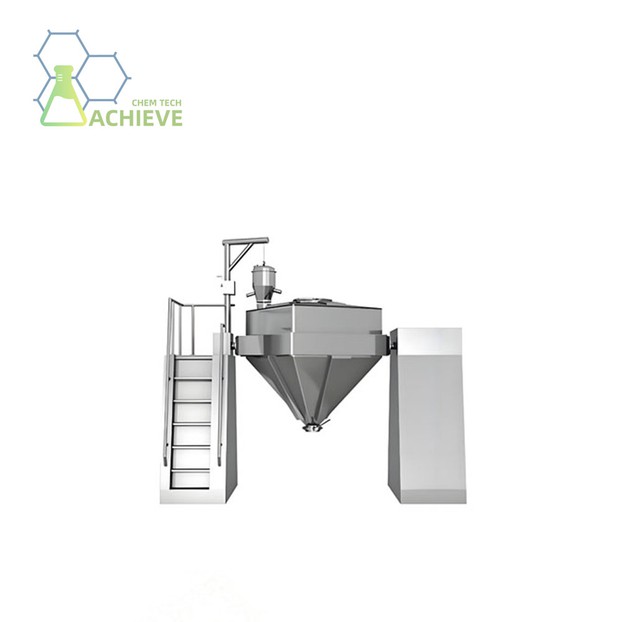
Mixing: Mix the pre screened powder with a small amount of carboxymethyl cellulose sodium to prevent clumping.
Packaging: Fill the mixed powder quantitatively into glass bottles in a Class 100 clean area, with 2.51g per bottle.
Sterilization: Terminal sterilization method (121 ℃ high-pressure steam sterilization for 15 minutes) is used to ensure sterility.
Solvent preparation
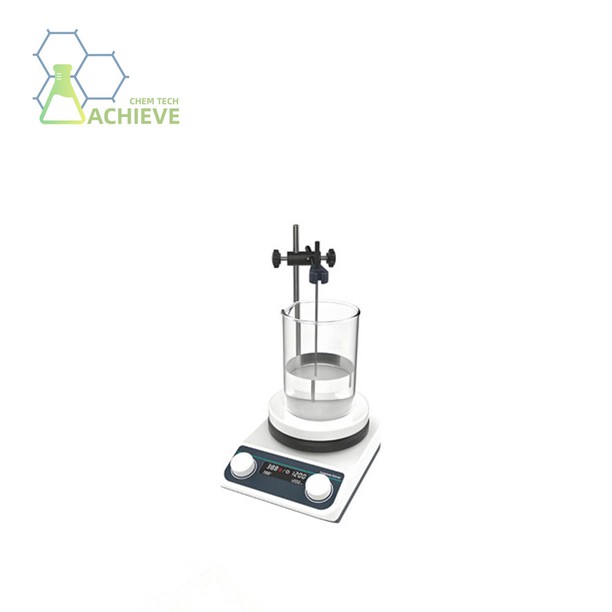
Dissolve: Add injection water to the preparation tank, and sequentially add sodium carboxymethyl cellulose, benzyl alcohol, anhydrous disodium hydrogen phosphate, and poloxamer 124, stirring until completely dissolved.
PH adjustment: Slowly add hydrochloric acid or sodium hydroxide solution dropwise and monitor the pH value to the target range.
Filtration: Filter through a 0.22 μ m microporous membrane to remove insoluble particles.
Packaging: Fill the solvent quantitatively into glass bottles, with 16mL per bottle (15mL is actually required, with air space reserved).
Sterilization: The circulating steam sterilization method (100 ℃ for 30 minutes) is used to avoid high temperature damage to the stability of auxiliary materials.
Mixing and suspension preparation
Preparation before operation: Check the sealing of the powder bottle and solvent bottle to ensure no damage or leakage.
Solvent extraction:
Pierce the purple rubber stopper of the solvent bottle with an 18G needle and inject 14mL of air (at equilibrium pressure).
Extract 15mL of solvent, be sure to immerse the needle below the liquid level to avoid inhaling air.
Powder dissolution:
Slowly inject the solvent into the powder bottle to avoid direct impact on the bottom of the bottle causing powder splashing.
Insert a 25G ventilation needle to the top of the powder bottle and release the pressure inside the bottle.
Mixing and suspension preparation
Suspension preparation:
Shake the powder bottle vigorously for at least 30 seconds to fully disperse the powder.
Let it stand for 1-2 minutes, observe the uniformity of the suspension, and shake again if necessary.
Final inspection: The suspension should be opaque white to light yellow, slightly viscous, without visible particles or layers.
Quality Control Standards
Raw material inspection
Purity of Fluralaner Injection: detected by high-performance liquid chromatography (HPLC), purity ≥ 99.9%.
Accessory content: Verify whether the content of each accessory meets the standard through titration or spectrophotometry.
Microbial limit: According to the 2025 edition of the Chinese Pharmacopoeia, if the total bacterial count is ≤ 100 CFU/g, and the mold and yeast count is ≤ 50 CFU/g, no Escherichia coli shall be detected.
Intermediate inspection
Powder particle size: detected by laser diffraction method, D50 (median particle size) should be within the range of 75-125 μ m.
Solvent pH value: measured by precision pH test paper or pH meter, with a range of 5.5-7.5.
Suspension uniformity: After sampling, let it stand for 30 minutes to observe whether there is stratification or precipitation.
Finished product inspection
Aseptic examination: According to the 2025 edition of the Chinese Pharmacopoeia, membrane filtration method is used to ensure sterility.
Content determination: HPLC method should be used to detect the content of Frellana, which should be 90.0% -110.0% of the labeled amount.
Related substances: Total impurities detected by HPLC method ≤ 1.0%, individual impurities ≤ 0.5%.
Quantity difference: For weighing method detection, the quantity should not be less than 95% of the labeled quantity.
Equipment and process validation
Key equipment
Screening machine: Model XS-500, adjustable vibration frequency to ensure uniform powder particle size.
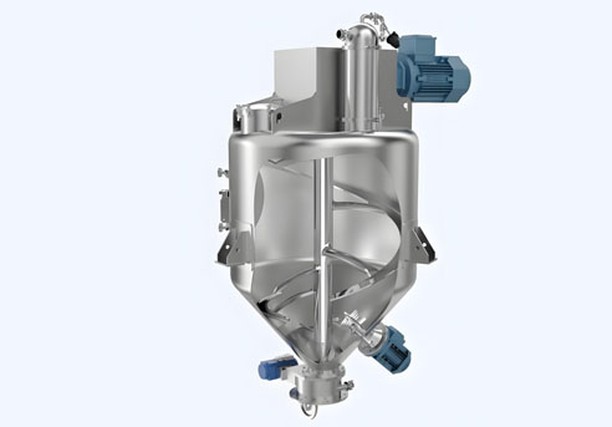
Preparation tank: made of 316L stainless steel material, equipped with stirring blades and temperature control system.
Filtration system: 0.22 μ m polyethersulfone (PES) filter membrane, resistant to chemical corrosion and low protein adsorption.
Sterilization cabinet: pulsating vacuum high-pressure steam sterilization cabinet, temperature uniformity ± 1 ℃.
Clean area: Complies with ISO Level 5 (Class 100) standards, with a dynamic monitoring particle count of ≤ 3520 particles/m ³ (≥ 0.5 μ m).
Process validation
Powder mixing verification: Verify the effect of mixing time (≥ 15 minutes) and speed (50-100 rpm) on uniformity through simulated production.
Sterilization validation: Use a biological indicator (Bacillus subtilis spores) to validate the sterilization effect, and the D value (sterilization time) should be ≤ 1.5 minutes.
Suspension stability verification: Place for 6 months under accelerated testing (40 ℃± 2 ℃, RH 75% ± 5%) to detect changes in content, related substances, and pH value.
Packaging and Storage
Package
Single box configuration: 1 bottle of powder (2.51g), 1 bottle of solvent (16mL), 1 25G ventilation needle, 1 18G injection needle, and 1 20mL syringe.
Label information: including product name, specifications, batch number, expiration date, storage conditions, instructions for use, and warning language.
Storage conditions
Unmixed products: Powder bottles and solvent bottles should be stored in a dry place below 25 ℃, away from light.
Mixed product: The suspension should be refrigerated at 2-8 ℃ and used up within 14 days (to avoid microbial contamination).
Transportation requirements: Cold chain transportation should be used, with temperature controlled between 2-8 ℃ to prevent drug degradation.
Precautions for use
Operating specifications
Personal protection: Operators should wear masks, gloves, and protective clothing to avoid direct contact with medication.
Aseptic operation: The mixing and extraction process is completed in a Class 100 cleanroom to prevent microbial contamination.
Waste disposal: Used needles and syringes should be placed in sharp instrument boxes, and glass bottles should be treated as medical waste.
Applicability to animals
Applicable objects: Only for dogs over 6 months old, strictly follow veterinary guidance for cat use (some products have not been approved for cat use).
Dose calculation: Administer according to the weight of the dog, inject 1mL of suspension (containing 150mg of Frellana) every 10kg of body weight.
Contraindications: It is contraindicated for individuals allergic to fluoroquinolones or isoxazolines; Pregnant/lactating animals should be used with caution.
ADR monitoring
Common reactions: vomiting (3% -5%), diarrhea (1% -2%), loss of appetite (2% -3%).
Serious reactions: tremor (0.1% -1%), ataxia (0.05% -0.5%), immediate discontinuation of medication and medical attention are required.
Long term monitoring: It is recommended to undergo blood routine and liver and kidney function tests every 6 months to evaluate drug safety.

Fluralaner belongs to the class of isoxazoline compounds, which were discovered through systematic exploration of novel antiparasitic active molecules.
At the end of the 20th century and the beginning of the 21st century, researchers in the fields of pesticides and veterinary drugs were committed to finding compounds that had efficient killing effects on insects and arthropods, while being safer for mammals. Isoxazoline compounds are considered to have potential pharmacological activity due to their unique chemical structure (containing an isoxazoline ring).
During the synthesis process, researchers generated a large number of derivatives by adjusting the substituents on the isoxazoline ring (such as fluorine atoms, chlorine atoms, alkyl chains, etc.), and screened their activity against common parasites (such as fleas, ticks, mites, etc.) one by one. In the chemical structure of Fluralaner, the introduction of 3,5-dichlorophenyl and trifluoromethyl significantly enhances its lipid solubility and metabolic stability, while the benzamide side chain optimizes its binding ability to target receptors.
At the end of the 20th century, global agriculture faced the challenge of increasing resistance to traditional insecticides. Compounds such as organochlorine (such as dieldrin) and phenylpyrazoles (such as fipronil) have significantly decreased control effectiveness due to long-term use, which leads to mutations in the GABA receptor gene of pests. According to the Food and Agriculture Organization of the United Nations, crop losses caused by pest resistance reached $120 billion worldwide in 2000, forcing the scientific community to search for compounds with new targets.
In 1998, Nissan Chemical Industries in Japan accidentally discovered a class of intermediates with a unique isoxazoline ring structure that exhibited potent insecticidal activity against insects while studying phthalamide compounds. After further structural optimization, compound A1443 (Fluralaner) was synthesized in 2004 with the chemical name 4- [5- (3,5-dichlorophenyl) -5- (trifluoromethyl) -4H-1,2-oxazole-3-yl] -2-methyl-N - {2-oxo-2- [(2,2,2-trifluoroethyl) amino] ethyl} benzamide.
At the same time, the pet economy is thriving globally. In 2010, the global pet market reached a size of 98 billion US dollars, of which parasitic control drugs accounted for about 15%. Traditional monthly dosage form products have problems such as poor compliance and short protection period, and the market urgently needs long-acting and safe innovative drugs. Fluralaner's R&D team has keenly captured this demand and shifted their research focus from agriculture to the field of veterinary medicine.
Hot Tags: fluralaner injection, suppliers, manufacturers, factory, wholesale, buy, price, bulk, for sale