




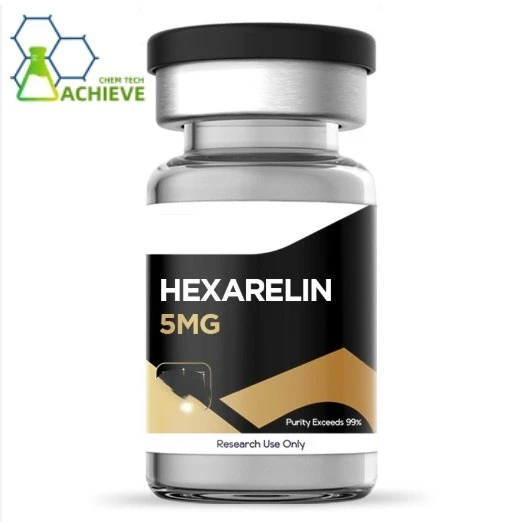


Shaanxi BLOOM Tech Co., Ltd. is one of the most experienced manufacturers and suppliers of hexarelin injection in China. Welcome to wholesale bulk high quality hexarelin injection for sale here from our factory. Good service and reasonable price are available.
Hexarelin Injection, as a synthetic growth hormone releasing peptide (GHRP), has a non growth hormone (GH) - dependent core neuroprotective effect, which is mainly reflected in targeted regulation of the inflammatory microenvironment in the brain, precise restoration of neuronal calcium homeostasis, and strong antagonism of oxidative stress damage. The three functions are not independent, but interrelated, forming a cascade regulatory loop to block the pathological process of central nervous system damage. The following provides a detailed and systematic explanation of this comprehensive effect from the perspectives of mechanism of action, core regulatory pathways, and biological effects.
Our Products Form

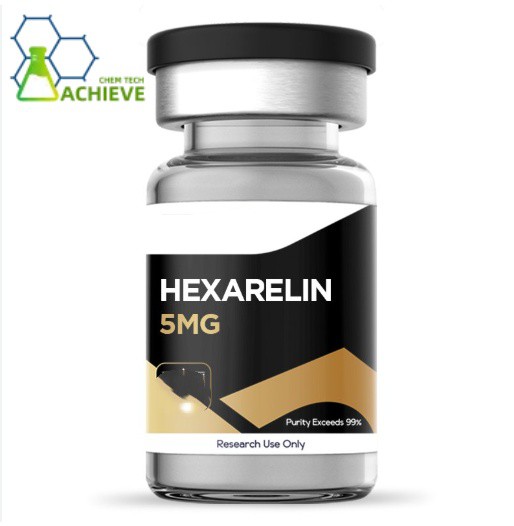
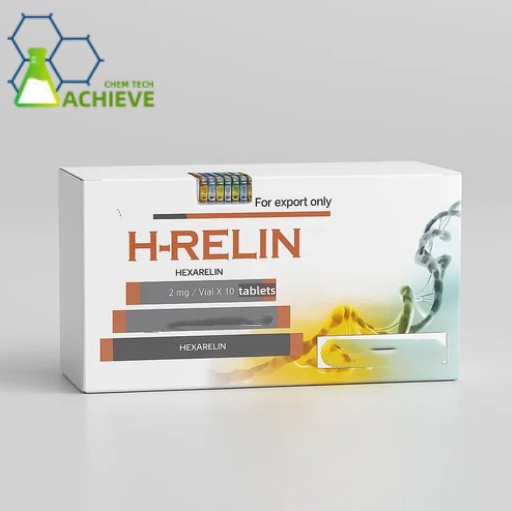
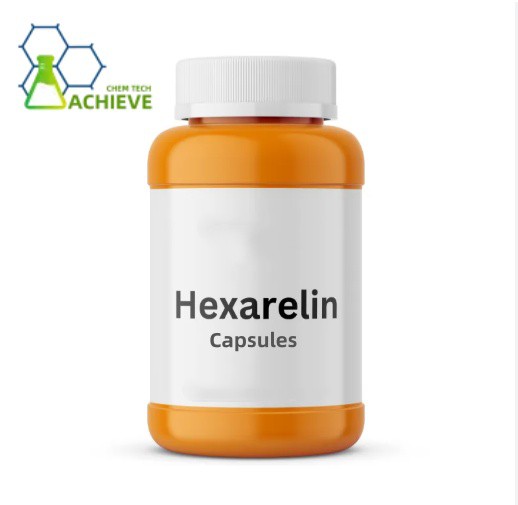


Hexarelin COA
 |
||
| Certificate of Analysis | ||
| Compound name | Hexarelin | |
| Grade | Pharmaceutical grade | |
| CAS No. | 140703-51-1 | |
| Quantity | 35g | |
| Packaging standard | PE bag+Al foil bag | |
| Manufacturer | Shaanxi BLOOM TECH Co., Ltd | |
| Lot No. | 202501090069 | |
| MFG | Jan 9th 2025 | |
| EXP | Jan 8th 2028 | |
| Structure |
|
|
| Item | Enterprise standard | Analysis result |
| Appearance | White or almost white powder | Conformed |
| Water content | ≤5.0% | 0.54% |
| Loss on drying | ≤1.0% | 0.42% |
| Heavy Metals | Pb≤0.5ppm | N.D. |
| As≤0.5ppm | N.D. | |
| Hg≤0.5ppm | N.D. | |
| Cd≤0.5ppm | N.D. | |
| Purity (HPLC) | ≥99.0% | 99.98% |
| Single impurity | <0.8% | 0.52% |
| Total microbial count | ≤750cfu/g | 95 |
| E. Coli | ≤2MPN/g | N.D. |
| Salmonella | N.D. | N.D. |
| Ethanol (by GC) | ≤5000ppm | 500ppm |
| Storage | Store in a sealed, dark, and dry place below -20°C | |
|
|
||
|
|
||


| Chemical Formula | C47H58N12O6 |
| Exact Mass | 886.46 |
| Molecular Weight | 887.06 |
| m/z | 886.46 (100.0%), 887.46 (50.8%), 888.47 (12.6%), 887.46 (4.4%), 888.46 (2.3%), 889.47 (1.2%), 888.46 (1.2%) |
| Elemental Analysis | C, 63.64; H, 6.59; N, 18.95; O, 10.82 |

Targeted Brain Inflammation Control & Immune Balance
Hexarelin injection primarily activates the growth hormone secretagogue receptor-1a (GHSR-1a) on central neurons and glial cells, inhibiting the initiation and amplification of intracerebral inflammation through three dimensions: pathway suppression, cell polarization, and tissue protection. It exhibits significant regulatory effects, particularly on chronic/acute neuroinflammation triggered by neurodegenerative diseases and cerebral ischemia.
Upon specific binding to GHSR-1a, it directly downregulates the activation of the nuclear factor-kappa B (NF-κB) pathway by inhibiting NF-κB translocation from the cytoplasm to the nucleus and reducing its binding to promoters of pro-inflammatory genes. This significantly decreases the transcription and secretion of key pro-inflammatory cytokines such as tumor necrosis factor-alpha (TNF-α), interleukin-1β (IL-1β), and interleukin-6 (IL-6), thereby blocking the triggering of the inflammatory cascade at its source. Additionally, Hexarelin inhibits excessive phosphorylation of the p38, ERK, and JNK subtypes within the mitogen-activated protein kinase (MAPK) pathway, reducing downstream transmission of inflammatory signals and preventing persistent stimulation of neurons by inflammatory mediators.


Polarization Regulation of Microglia:
Microglia, as the primary immune cells in the brain, exhibit pro-inflammatory M1 polarization, which forms the core cellular basis of intracerebral inflammation. Through GHSR-1a-mediated signaling, Hexarelin promotes the shift of abnormally activated M1 microglia toward the anti-inflammatory M2 phenotype. This process reduces the release of inflammatory mediators such as inducible nitric oxide synthase (iNOS) and cyclooxygenase-2 (COX-2) from M1 microglia while enhancing the secretion of anti-inflammatory factors like interleukin-10 (IL-10) and transforming growth factor-beta (TGF-β) from M2 microglia. Consequently, it helps remodel the brain's immune microenvironment and alleviates persistent neuronal damage caused by chronic neuroinflammation.
Intracerebral inflammation can disrupt the tight junction structure of the blood-brain barrier (BBB), allowing peripheral inflammatory cells and macromolecules to infiltrate the central nervous system and exacerbate inflammatory responses. Hexarelin protects the BBB by inhibiting inflammatory pathway-induced damage to endothelial cells, thereby maintaining the expression and functional integrity of tight junction proteins (e.g., occludin and claudin-5). This prevents the central infiltration of peripheral inflammatory factors and establishes a "peripheral-central" inflammatory isolation barrier, averting the amplification of inflammation across the BBB.

Precision Control of Neuronal Calcium & Restoring Cellular Balance
Calcium homeostasis is fundamental for neuronal excitability, signal transduction, and organelle function. Intracerebral inflammation, ischemia, and oxidative stress can all induce neuronal calcium overload-characterized by abnormal extracellular Ca²⁺ influx and pathological release from intracellular calcium stores-ultimately triggering neuronal apoptosis/necrosis. Hexarelin restores neuronal calcium homeostasis by multi-target regulation of calcium transport and metabolism, blocking calcium overload across four key processes: influx, release, extrusion, and storage.
Hexarelin injection directly inhibits the excessive opening of voltage-gated calcium channels (primarily L-type and N-type) on the neuronal cell membrane, decreasing channel permeability and reducing the influx of extracellular Ca²⁺ along its concentration gradient. Concurrently, it suppresses the overactivation of glutamatergic receptors (NMDA receptors), preventing the receptor-mediated increase in calcium influx, thereby reducing abnormal calcium uptake at its source.

2. Inhibition of Pathological Release from Intracellular Calcium Stores

The endoplasmic reticulum is the primary intracellular calcium store in neurons. Hexarelin blocks the abnormal activation of inositol trisphosphate receptors (IP3R) and ryanodine receptors (RyR) on the endoplasmic reticulum membrane, reducing the release of stored Ca²⁺ from the endoplasmic reticulum into the cytoplasm and preventing a secondary sharp rise in intracellular calcium concentration.
Hexarelin upregulates the expression and activity of the plasma membrane calcium ATPase (PMCA) and the sarco/endoplasmic reticulum calcium ATPase (SERCA) on the neuronal membrane. The former actively pumps excess cytoplasmic Ca²⁺ out of the cell against its concentration gradient, while the latter recycles cytoplasmic Ca²⁺ back into the endoplasmic reticulum for storage. This dual pathway rapidly reduces the concentration of free intracellular Ca²⁺ and restores calcium homeostasis.

4. Blockade of Downstream Damage Pathways Triggered by Calcium Overload

Even in the presence of mild abnormal calcium accumulation, Hexarelin injection can inhibit the overactivation of calcium-dependent proteases (e.g., calpain) and calcineurin. It reduces calpain-mediated degradation of neuronal cytoskeletal proteins (e.g., microtubule-associated protein tau) and mitochondrial membrane proteins, while also suppressing calcineurin-mediated activation of apoptotic signaling pathways. This blocks the pathological cascade of "calcium overload → protein degradation → neuronal apoptosis."
Potent Antagonism of Neuronal Oxidative Stress and Maintenance of Redox Balance
Oxidative stress is a core pathological process in central nervous system injury. It involves the excessive production of reactive oxygen species (ROS), such as superoxide anions, hydroxyl radicals, and hydrogen peroxide, which overwhelms the neuron's intrinsic antioxidant defense system, leading to oxidative damage to lipids, proteins, and DNA. Furthermore, oxidative stress can further induce inflammatory activation and calcium overload. Hexarelin employs a dual strategy of direct scavenging and indirect upregulation to counteract oxidative stress while protecting mitochondria-the primary site of ROS production-forming a closed-loop regulatory system for antioxidant defense.
Direct Scavenging of Excessive Brain ROS:
The Hexarelin molecule itself possesses inherent free radical scavenging capacity. It can directly engage in redox reactions with excessive ROS in the brain, neutralizing highly oxidizing substances like superoxide anions and hydroxyl radicals. This reduces ROS-induced lipid peroxidation damage to neuronal membrane phospholipids, helping maintain the integrity and permeability of the cell membrane. This prevents membrane structure disruption and the subsequent calcium influx and signaling pathway dysregulation.


Upregulation of Endogenous Antioxidant System Function:
Hexarelin activates the nuclear factor erythroid 2–related factor 2 (Nrf2) pathway. It promotes the translocation of Nrf2 from the cytoplasm to the nucleus, where it binds to the antioxidant response element (ARE). This binding initiates the transcription and expression of various downstream antioxidant enzymes, including superoxide dismutase (SOD), glutathione peroxidase (GSH-Px), and catalase (CAT). Simultaneously, it enhances the synthesis of glutathione (GSH) within neurons, bolstering the neuron's intrinsic antioxidant reserve capacity. This shifts the defense mechanism from "passive scavenging" to "active protection."
Protection of Mitochondrial Function and Reduction of Mitochondrial ROS Production:
Mitochondria are both the primary source of neuronal ROS and a major target of oxidative stress. Hexarelin helps maintain the stability of the mitochondrial membrane potential and inhibits the opening of the mitochondrial permeability transition pore (mPTP). This prevents the release of apoptogenic factors like cytochrome c from the mitochondrial matrix.

Additionally, it promotes the normal function of the mitochondrial respiratory chain, improving ATP synthesis efficiency and reducing ROS generation caused by electron leakage from the chain. This action breaks the vicious cycle of "mitochondrial damage → excessive ROS production → more severe mitochondrial damage," thereby reducing the occurrence of oxidative stress at its source.
Synergistic Regulatory Effects of the Three Mechanisms
The actions of Hexarelin in mitigating intracerebral inflammation, inhibiting calcium overload, and antagonizing oxidative stress are not isolated events. Instead, they form a synergistic network of mutual regulation and reciprocal inhibition:

Interplay between Inflammation and Other Pathways
Inflammation activation can induce neuronal calcium overload and excessive ROS production. Hexarelin's inhibition of the NF-κB and MAPK pathways directly reduces inflammation-mediated calcium channel activation and mitochondrial ROS release.

Role of Calcium Overload
Calcium overload exacerbates mitochondrial membrane potential imbalance, promotes ROS generation, and activates inflammation-associated proteases. It's restoration of calcium homeostasis indirectly diminishes the cascade amplification of oxidative stress and inflammation.

Impact of Oxidative Stress
Oxidative stress can impair GHSR-1a receptor function, damage the structure of calcium channels and calcium pumps, and activate the NF-κB pathway. Hexarelin's antioxidant effects protect the structure and function of these targets, ensuring the proper execution of its anti-inflammatory and anti-calcium overload actions.
This multi-target, multi-pathway synergistic regulation is the key to Hexarelin's highly effective neuroprotective properties. It also positions this as a significant candidate for research into potential therapeutic interventions for central nervous system diseases such as Alzheimer's disease, Parkinson's disease, and cerebral ischemia-reperfusion injury.
FAQ
- Does Hexarelin increase HGH?
This is a powerful GH-releasing peptide, is capable of causing profound GH release in normal subjects after oral, intranasal, iv, and sc administration.
- How long does hexarelin last?
Stability & Storage.It although stable at room temperature for 3 weeks, should be stored desiccated below -18°C. Upon reconstitution this drug should be stored at 4°C between 2-7 days and for future use below -18°C. For long term storage it is recommended to add a carrier protein (0.1% HSA or BSA).
- Does hexarelin build muscle?
GH plays a pivotal role in protein synthesis, helping cells rebuild and grow muscle tissue after training. Athletes and bodybuilders often favor this for faster recovery, increased lean mass, and improved training outcomes.
Hot Tags: hexarelin injection, suppliers, manufacturers, factory, wholesale, buy, price, bulk, for sale