




Shaanxi BLOOM Tech Co., Ltd. is one of the most experienced manufacturers and suppliers of teduglutide injection in China. Welcome to wholesale bulk high quality teduglutide injection for sale here from our factory. Good service and reasonable price are available.
Teduglutide injection is a glucagon-like peptide 2 (GLP-2) analogue produced by recombinant DNA technology using modified Escherichia coli strains. Currently, the drug is mainly indicated for the treatment of short bowel syndrome, addressing core needs such as post-adaptation therapy in patients with short bowel syndrome, optimization of parenteral nutrition dependence, and recovery of enteric function.
Our Products Form

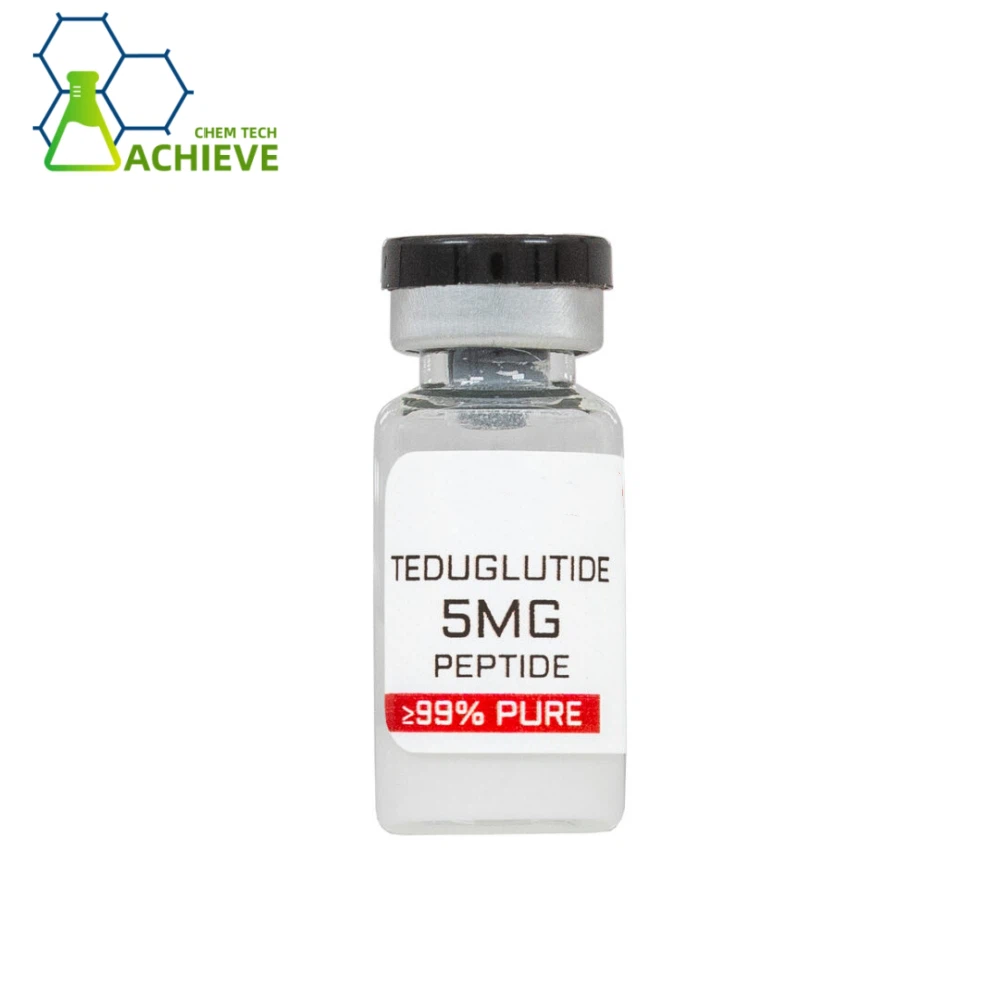
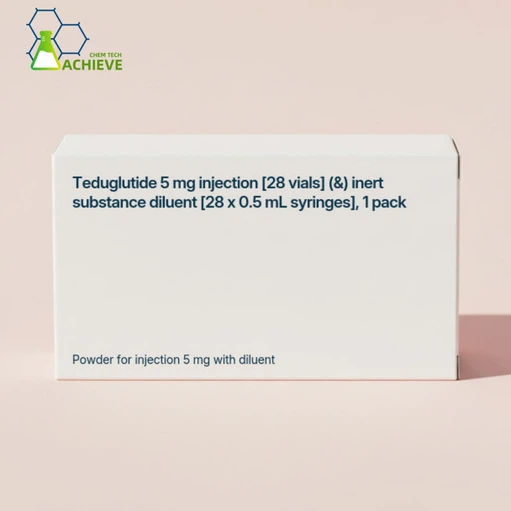
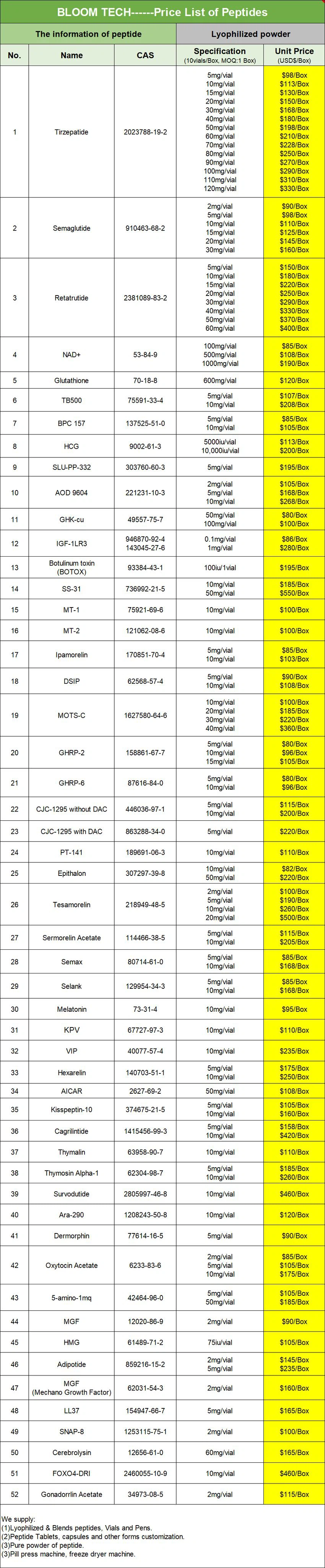
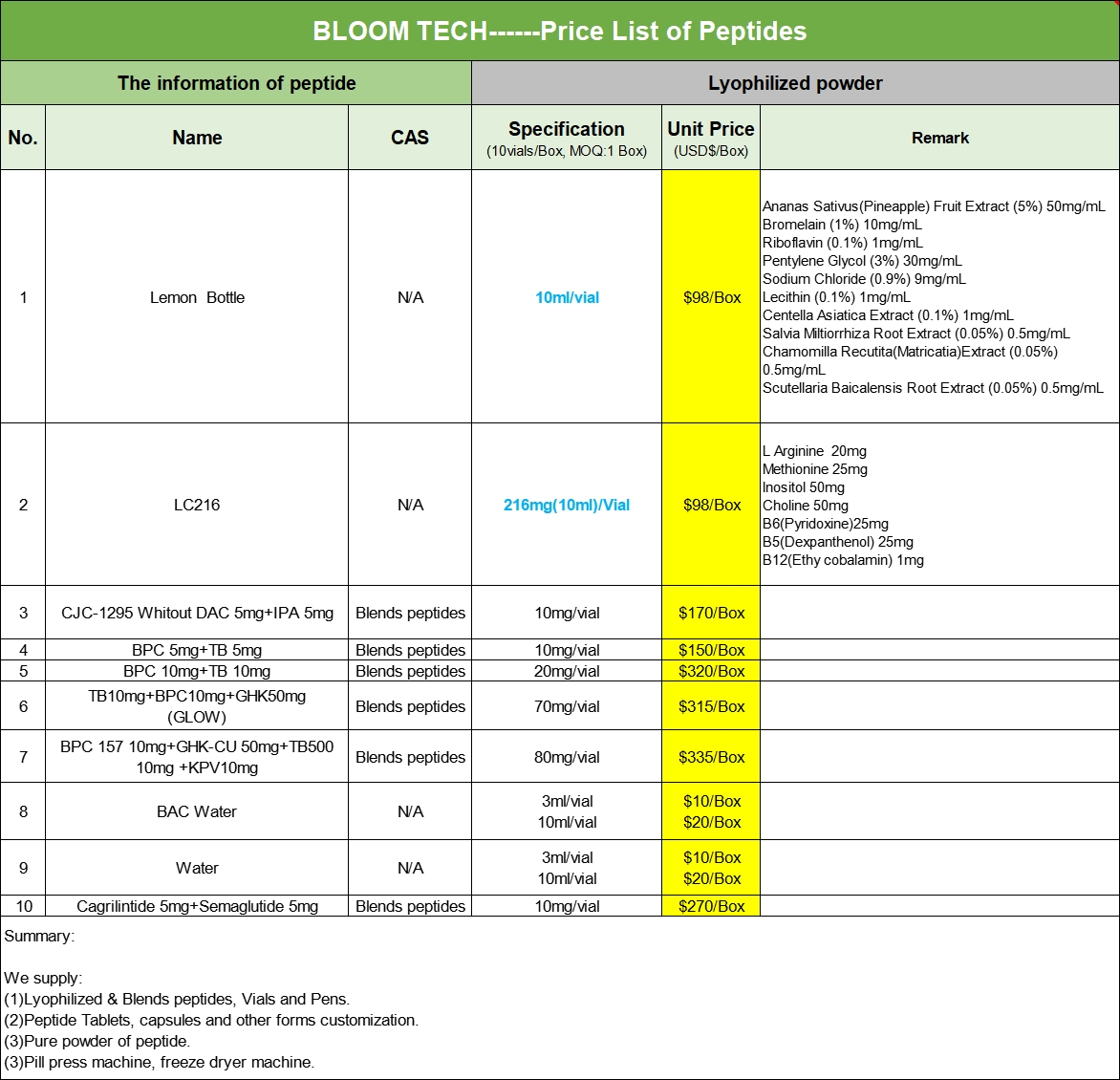

Teduglutide COA
 |
||
| Certificate of Analysis | ||
| Compound name | Teduglutide | |
| Grade | Pharmaceutical grade | |
| CAS No. | 197922-42-2 | |
| Quantity | 62g | |
| Packaging standard | PE bag+Al foil bag | |
| Manufacturer | Shaanxi BLOOM TECH Co., Ltd | |
| Lot No. | 202601090088 | |
| MFG | Jan 9th 2026 | |
| EXP | Jan 8th 2029 | |
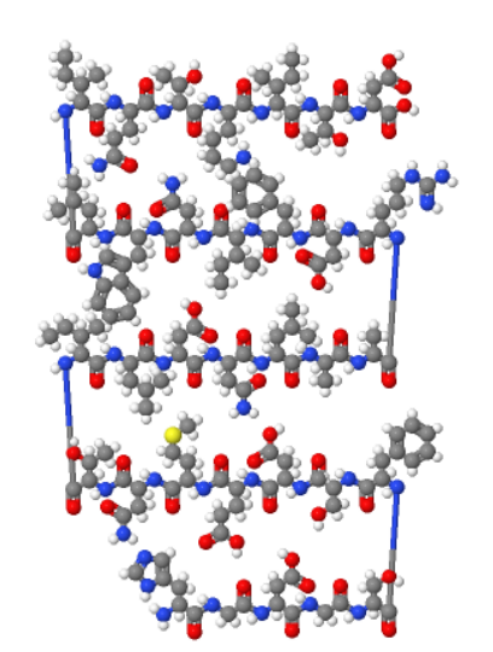
| Structure |
|
|
| Item | Enterprise standard | Analysis result |
| Appearance | White or almost white powder | Conformed |
| Water content | ≤5.0% | 0.36% |
| Loss on drying | ≤1.0% | 0.41% |
| Heavy Metals | Pb≤0.5ppm | N.D. |
| As≤0.5ppm | N.D. | |
| Hg≤0.5ppm | N.D. | |
| Cd≤0.5ppm | N.D. | |
| Purity (HPLC) | ≥99.0% | 99.80% |
| Single impurity | <0.8% | 0.27% |
| Total microbial count | ≤750cfu/g | 250 |
| E. Coli | ≤2MPN/g | N.D. |
| Salmonella | N.D. | N.D. |
| Ethanol (by GC) | ≤5000ppm | 510ppm |
| Storage | Store in a sealed, dark, and dry place below 2-8°C | |
|
|
||


Routine Therapy After Intestinal Adaptation in Patients with Short Bowel Syndrome

Short Bowel Syndrome (SBS) is a clinical syndrome resulting from extensive small bowel resection due to various causes, leading to a marked reduction in enteric absorptive surface area, impaired absorption of nutrients, water and electrolytes, and subsequent clinical manifestations including diarrhea, dehydration, malnutrition and weight loss. Its core complication is chronic intestinal failure, and patients often require long-term dependence on parenteral nutrition (PN) and intravenous fluid replacement to sustain life.
As a GLP-2 analogue, teduglutide injection mimics the physiological effects of endogenous GLP-2, promoting the proliferation and differentiation of small enteric mucosal cells, increasing intestinal villus height and crypt depth to expand the absorptive surface area, and improving enteric motility and barrier function. It is an indispensable routine therapeutic agent for patients with short bowel syndrome after enteric adaptation.


The term "after enteric adaptation" refers to the stage when patients, following small bowel resection and a period of clinical intervention, achieve stable enteric function and tolerance to basic nutritional support. Initiation of the product at this stage further promotes compensatory intestinal adaptation and helps patients gradually restore autonomous enteric absorption. The primary goal of this therapeutic setting is to enhance nutrient absorption efficiency, reduce the frequency and severity of symptoms such as diarrhea and dehydration, and lay the foundation for gradual reduction of parenteral nutrition dependence.
Information source: China Pharmaceutical Information Query Platform, Package Insert for Teduglutide for Injection; Takeda US, Package Insert for Teduglutide for Injection.
Optimization of Parenteral Nutrition Dependence in Patients with Short Bowel Syndrome
Long-term dependence on parenteral nutrition is one of the main clinical characteristics of patients with short bowel syndrome. However, chronic parenteral nutrition is associated with a range of complications, including central venous catheter-related infections, cholestasis, liver injury and metabolic disorders, which severely impair patients' quality of life and long-term survival. One of the core indications of the product is to optimize parenteral nutrition dependence in these patients. By improving enteric absorption, it gradually reduces the requirement for parenteral nutrition and may even help some patients achieve complete weaning from parenteral nutrition.

Information source: PMC, Effectiveness and Safety of Teduglutide Treatment in Adult Patients with Short Bowel Syndrome: A Case Series and Review of Current Evidence.
Adjunctive Therapy for Intestinal Function Recovery in Patients with Short Bowel Syndrome
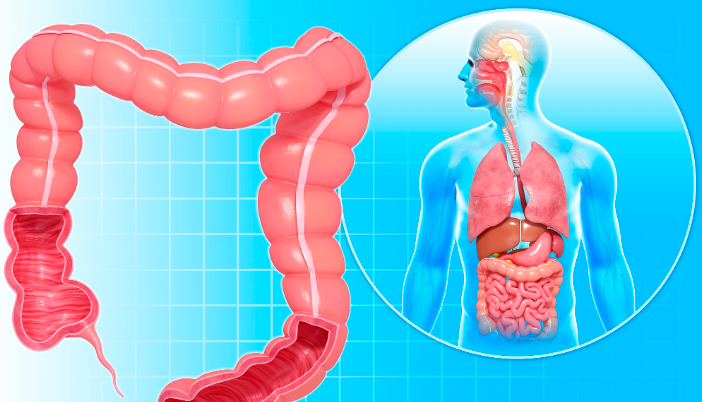
Patients with short bowel syndrome, due to extensive small bowel resection, not only suffer from insufficient absorptive surface area but also frequently present with enteric dysmotility and impaired intestinal barrier function, manifested as chronic diarrhea, enteric dysbacteriosis and malnutrition, which severely hinder enteric functional recovery. As an intestinal trophic agent, teduglutide injection assists intestinal recovery through multiple pathways and serves as an important adjunctive medication in intestinal rehabilitation.
On the one hand, the product promotes enteric mucosal repair and regeneration, increases villus height and crypt depth, improves mucosal integrity, strengthens the enteric barrier, reduces endotoxin absorption and lowers the risk of intestinal inflammation, thereby alleviating chronic diarrhea and abdominal pain. Improved barrier function also reduces intestinal dysbacteriosis, maintains gut microecological balance, and further supports enteric recovery. On the other hand, the drug modulates enteric motility and transit time, preventing overly rapid passage of nutrients that impairs absorption, while decreasing the frequency and severity of diarrhea and helping restore normal intestinal elimination patterns.

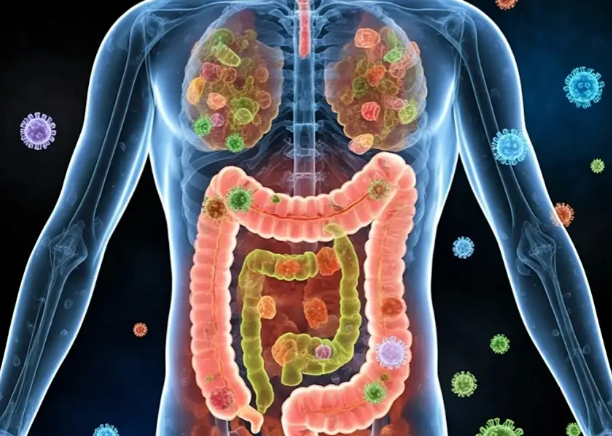
In this setting, the product is commonly combined with enteric rehabilitation therapies, including dietary management, intestinal flora modulation and rehabilitative exercises, to form a comprehensive treatment regimen. Dietary management involves gradual increases in oral intake volume and variety based on residual enteric function, with easily digestible, high-nutrient and high-energy foods to enhance the absorptive effects of the drug. Intestinal flora modulation uses probiotics to optimize the gut microenvironment and improve digestive and absorptive capacity. This integrated approach more efficiently promotes enteric recovery, reduces parenteral nutrition dependence, and enables patients to return to normal diet and daily life.
Information source: PMC, Effectiveness and Safety of Teduglutide Treatment in Adult Patients with Short Bowel Syndrome: A Case Series and Review of Current Evidence.
Symptomatic Treatment of Chronic Intestinal Failure Associated with Short Bowel Syndrome
The most severe complication of short bowel syndrome is chronic enteric failure, defined as the inability of the intestine to absorb sufficient nutrients and water to meet physiological needs, necessitating lifelong dependence on parenteral nutrition and intravenous fluids. Chronic intestinal failure leads to severe malnutrition, dehydration, electrolyte disturbances, and increased risks of infection and liver injury, posing a serious threat to survival. As a targeted therapy for short bowel syndrome, the product is an important modality for the symptomatic treatment of chronic intestinal failure.
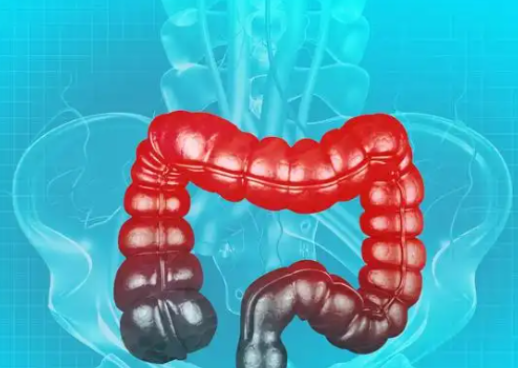

Furthermore, long-term treatment with teduglutide injection helps maintain stable enteric function and prevents further deterioration in patients with chronic intestinal failure, providing additional therapeutic opportunities. Although evidence on the comparative long-term efficacy of the drug is still evolving, existing clinical data have verified its efficacy and safety in the symptomatic treatment of chronic intestinal failure, offering a valuable therapeutic option for patients with short bowel syndrome-related chronic enteric failure.
Information source: PMC, Effectiveness and Safety of Teduglutide Treatment in Adult Patients with Short Bowel Syndrome: A Case Series and Review of Current Evidence.

I. Discovery Background
From the 1980s to the 1990s, advances in intestinal physiology research revealed the physiological functions of endogenous GLP-2, a hormone secreted by intestinal L cells that stimulates small intestinal mucosal proliferation and improves intestinal absorption. At that time, patients with short bowel syndrome, following extensive small bowel resection, experienced a drastic reduction in absorptive surface area and required long-term parenteral nutrition, which carried severe complications such as infection and liver injury, with no effective pharmacotherapy for intestinal functional restoration. This unmet clinical need drove the development of GLP-2 analogues to mimic endogenous GLP-2, restore autonomous intestinal absorption, and reduce parenteral nutrition dependence, initiating the research and development of teduglutide.
II. Research and Development Process
The core of teduglutide development was molecular modification of native GLP-2 to overcome its short half-life and susceptibility to degradation. Using recombinant DNA technology, researchers optimized the amino acid sequence of native GLP-2 to enhance resistance to dipeptidyl peptidase 4 (DPP-4), prolong its in vivo half-life, while preserving its core activity in promoting enteric mucosal growth. Large-scale production was subsequently achieved using Escherichia coli strains to ensure drug purity and biological activity.
In clinical development, multicenter, multi-cohort trials were conducted to progressively establish the efficacy and safety of teduglutide. Early trials focused on enteric functional improvement in short bowel syndrome, while later long-term follow-up studies validated its efficacy in reducing parenteral nutrition requirements and complication risks, laying a solid foundation for regulatory approval. Similar to the developmental rationale of concurrent GLP-1 analogues (e.g., exenatide), teduglutide acts by mimicking endogenous incretin effects combined with molecular optimization of pharmaceutical properties.
III. Marketing and Clinical Application
In 2012, teduglutide was first approved by the FDA in the United States and Europe, becoming the world's first GLP-2 analogue indicated for short bowel syndrome, filling a therapeutic gap in enteric rehabilitation. It was later approved in other regions including Japan, with the indication expanded to pediatric patients aged 1 year and above. In 2024, teduglutide was approved in China, and in 2025 it was included in the Commercial Health Insurance Innovative Drug List, gradually improving access and helping more patients with short bowel syndrome reduce parenteral nutrition dependence and resume normal life. Its discovery and development, centered on clinical needs, achieved successful translation from basic physiological research to a breakthrough therapeutic agent.
Information source: China Daily, Shanghai hospital issues China's first adult prescription for Teduglutide; Qilu Yidian, New treatment option for short bowel syndrome! Teduglutide for Injection included in commercial insurance innovative drug list.
Hypersensitivity Reactions
Contraindicated in patients with hypersensitivity to teduglutide or excipients (histidine, mannitol, phosphates).Discontinue treatment immediately and initiate emergency care if rash, pruritus, dyspnea or facial swelling occurs.
Information source: Chinese package insert; FDA package insert.
FAQ
Is teduglutide a GLP-1?
+
-
Teduglutide is a glucagon-like peptide-2 (GLP-2) analog that has been approved for the treatment of patients ≥1 year of age with short bowel syndrome (SBS) who are dependent on parenteral support.
What is the drug teduglutide used for?
+
-
Teduglutide (brand name Gattex) is a prescription medication used to treat Short Bowel Syndrome (SBS) in adults and children (1 year and older) who rely on intravenous (IV) nutrition. It is a GLP-2 analog that improves intestinal absorption of fluids and nutrients, reducing the need for parenteral support (TPN).
Hot Tags: teduglutide injection, suppliers, manufacturers, factory, wholesale, buy, price, bulk, for sale