




Shaanxi BLOOM Tech Co., Ltd. is one of the most experienced manufacturers and suppliers of exenatide injection in China. Welcome to wholesale bulk high quality exenatide injection for sale here from our factory. Good service and reasonable price are available.
The main component of Exenatide Injection is Exenatide, an artificially synthesized peptide consisting of 39 amino acids that acts similarly to endogenous glucagon like peptide-1 (GLP-1). The drug excipients include mannitol, sodium acetate trihydrate, meta cresol, glacial acetic acid, and injection water, which are colorless and clear liquids. Its chemical structure is complex, with a molecular formula of C184H282N50O60S and a molecular weight of up to 4186.6.
Our Products Form



Exenatide/Exenatide acetate COA
 |
||
| Certificate of Analysis | ||
| Compound name | Exenatide/Exenatide acetate | |
| Grade | Pharmaceutical grade | |
| CAS No. | 141732-76-5 | |
| Quantity | 15g | |
| Packaging standard | PE bag+Al foil bag | |
| Manufacturer | Shaanxi BLOOM TECH Co., Ltd | |
| Lot No. | 202601090060 | |
| MFG | Jan 9th 2026 | |
| EXP | Jan 8th 2029 | |
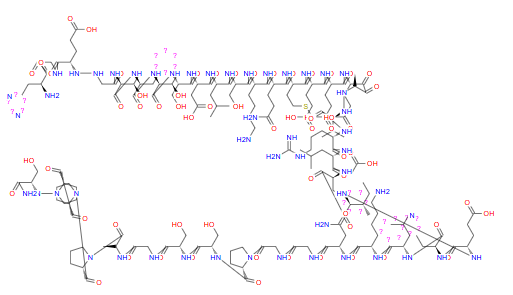
| Structure |
|
|
| Item | Enterprise standard | Analysis result |
| Appearance | White or almost white powder | Conformed |
| Water content | ≤5.0% | 0.50% |
| Loss on drying | ≤1.0% | 0.40% |
| Heavy Metals | Pb≤0.5ppm | N.D. |
| As≤0.5ppm | N.D. | |
| Hg≤0.5ppm | N.D. | |
| Cd≤0.5ppm | N.D. | |
| Purity (HPLC) | ≥99.0% | 99.90% |
| Single impurity | <0.8% | 0.58% |
| Total microbial count | ≤750cfu/g | 170 |
| E. Coli | ≤2MPN/g | N.D. |
| Salmonella | N.D. | N.D. |
| Ethanol (by GC) | ≤5000ppm | 400ppm |
| Storage | Store in a sealed, dark, and dry place below 2-8°C | |
|
|
||

As the first glucagon like peptide-1 (GLP-1) receptor agonist approved for marketing in the world, Exenatide Injection has one of its core pharmacological effects to specifically inhibit the abnormal secretion of glucagon in patients with type 2 diabetes, which is also one of the key mechanisms to achieve accurate glucose reduction and reduce blood glucose fluctuations. As the main glucocorticoid in the body, glucagon has secretion disorder in type 2 diabetes patients (excessive secretion on an empty stomach and after meals, and decreased sensitivity to regulating changes in blood sugar), which leads to increased liver sugar output and blood glucose homeostasis imbalance, and is an important pathological factor that aggravates hyperglycemia.
The physiological function of glucagon
Glucagon is a peptide hormone synthesized and secreted by pancreatic islet alpha cells. It is composed of 29 amino acids and has a molecular weight of approximately 3485 Da. Together with insulin, it forms a "bidirectional regulatory system" for regulating blood glucose homeostasis in the body. Its core physiological function is to increase blood glucose levels to maintain energy supply during fasting and stress states. The specific mechanism of action is mainly reflected in the following three aspects:
Promote hepatic glucose output: This is the core physiological function of glucagon. After binding to glucagon receptors on the surface of liver cells, glucagon activates intracellular signaling pathways, promoting hepatic glycogen breakdown (converting liver stored glycogen into glucose) and gluconeogenesis (synthesizing glucose from non sugar substances such as lactate, pyruvate, and amino acids), thereby increasing liver glucose release and raising blood glucose levels. Under normal physiological conditions, the secretion of glucagon slightly increases on an empty stomach, maintaining fasting blood glucose within the normal range (3.9-6.1 mmol/L) to avoid hypoglycemia.


Regulating fat metabolism: Glucagon can promote the breakdown of adipose tissue, releasing fatty acids and glycerol. Fatty acids are oxidized and broken down in the liver to produce ketone bodies, providing additional energy to the body. This effect is particularly significant in stress states such as hunger and fasting.
Feedback regulation of pancreatic islet function: Glucagon can regulate insulin secretion of pancreatic beta cells through paracrine action. When blood sugar increases, glucagon secretion decreases, indirectly promoting insulin secretion;


When blood sugar decreases, glucagon secretion increases while inhibiting insulin secretion, forming a negative feedback regulatory loop of "blood glucose glucagon insulin" to maintain blood sugar homeostasis.
Reference information source:
1. The physiological function of glucagon and the abnormal mechanism in diabetes Chinese Journal of Endocrinology and Metabolism, 2024
2. Glucagon secretion dysregulation in type 2 diabetes: Mechanisms and therapeutic targets. Nature Reviews Endocrinology, 2025.
3. The secretion characteristics and clinical significance of glucagon in type 2 diabetes patients Chinese Journal of diabetes, 2024
Core premise: Specific binding of exenatide to GLP-1 receptors in pancreatic alpha cells
The surface of pancreatic alpha cells highly expresses GLP-1 receptor (GLP-1 R), which belongs to the G protein coupled receptor (GPCR) B family and is a 7-fold transmembrane glycoprotein. Its extracellular domain is a ligand binding domain that can specifically recognize GLP-1 and exenatide, which is the basis for exenatide Injection to inhibit glucagon secretion.
The binding of exenatide to GLP-1 receptors in pancreatic alpha cells exhibits the following characteristics:
1. High affinity and specificity: The dissociation constant (Kd) of exenatide with GLP-1 receptor is about 0.3 nM, which is higher than that of natural GLP-1 (Kd is about 1.0 nM), and it only specifically binds to GLP-1 receptor, without cross binding to other related receptors such as glucagon receptor and GIP receptor, avoiding off target effects.


2. Increased blood glucose dependent binding: When blood glucose levels rise (>3.9 mmol/L), the expression of GLP-1 receptors on the surface of pancreatic alpha cells is upregulated, and the binding affinity between exenatide and receptors is further enhanced, resulting in a more significant inhibitory effect on glucagon secretion; When blood glucose is normal or decreased (<3.9 mmol/L), GLP-1 receptor expression is downregulated, and the binding of exenatide to the receptor is weakened, thereby reducing the inhibitory effect on glucagon secretion and preserving the compensatory secretion function of glucagon during hypoglycemia.
3. Persistence of receptor activation: Exenatide, located in the second position, is glycine (Gly) instead of the natural GLP-1 alanine (Ala), which can resist DPP-4 enzymatic degradation and has a half-life extended to 2.4 hours. After subcutaneous injection, it can continue to exert its effect in the body, continuously activating GLP-1 receptors and achieving long-term inhibition of glucagon secretion.


After binding to GLP-1 receptors, exenatide induces changes in receptor conformation, activates downstream signaling pathways within the cell, and inhibits the synthesis and secretion of glucagon. This process is consistent with the mechanism of action of natural GLP-1, but due to the stronger stability and longer duration of action of exenatide, the inhibitory effect is more significant.
Core mechanism: Regulation of intracellular signaling pathways (inhibition of glucagon synthesis and secretion)
The signaling pathway of glucagon secretion inhibits abnormal secretion of glucagon from both the "synthesis" and "secretion" levels. The specific mechanism is as follows:

Activate the Gs cAMP PKA signaling pathway and inhibit glucagon secretion
This is the core signaling pathway through which exenatide inhibits glucagon secretion, and the specific process is as follows:
1. The binding of exenatide to GLP-1 receptors on the surface of pancreatic alpha cells → receptor conformational changes → activation of intracellular Gs protein (alpha subunit dissociation);
2. The activated Gs protein alpha subunit binds and activates adenylate cyclase (AC) → AC catalyzes the conversion of ATP to cyclic adenosine monophosphate (cAMP), increasing intracellular cAMP concentration by 2-5 times;
3. cAMP binds and activates protein kinase A (PKA) → PKA catalyzes subunit dissociation and phosphorylation of downstream target proteins;


4. Phosphorylated target proteins can inhibit the release of Ca ² ⁺ in pancreatic alpha cells and suppress the extracellular release of glucagon granules, thereby directly reducing the secretion of glucagon.
Studies have shown that exenatide can significantly increase the cAMP concentration in the pancreatic islet α cells of type 2 diabetes patients, enhance the PKA activity, and reduce the glucagon secretion by 60%~80% (after meals), and this effect is dose dependent - when the dose of exenatide is 10 μ g twice a day, the inhibitory effect of exenatide on glucagon is significantly stronger than that of 5 μ g twice a day.
Inhibit the Ca ² ⁺ signaling pathway and block the release of glucagon granules
Ca ² ⁺ is a key signaling molecule for the extracellular release of glucagon granules: under normal circumstances, an increase in Ca ² ⁺ concentration in pancreatic alpha cells triggers the fusion of glucagon granules with the cell membrane, achieving secretion. Exenatide inhibits the Ca ² ⁺ signaling pathway and blocks glucagon secretion in two ways:


Through the Gs cAMP PKA signaling pathway, phosphorylate Ca ² ⁺ channels, inhibit Ca ² ⁺ influx, and reduce intracellular Ca ² ⁺ concentration;
2. Activate potassium channels (K ⁺ channels) to hyperpolarize the pancreatic alpha cell membrane, further inhibit Ca ² ⁺ influx, and thus block the release of glucagon granules.
In vitro experiments have confirmed that exenatide can reduce the intracellular Ca ² ⁺ concentration of pancreatic alpha cells by 30% to 40%, significantly inhibit the secretion of glucagon, and this inhibitory effect can be reversed by GLP-1 receptor antagonists (such as Exendin-9-39), proving that its effect depends on the activation of GLP-1 receptors.

Reference information source:
1. Molecular basis of exenatide-induced glucagon suppression in type 2 diabetes. Journal of Biological Chemistry, 2024.
2. The regulatory effect and mechanism of exenatide on pancreatic alpha cell function Chinese Pharmacological Bulletin, 2024
3. GLP-1 receptor agonists regulate glucagon secretion via cAMP-PKA signaling pathway. Diabetes, 2024.
4. FDA. Byetta (Exenatide Injection) Official Manual (2024 Edition)
Frequently Asked Questions
Is Ozempic the same as exenatide?
+
-
Ozempic is injected once a week, while exenatide is injected either twice a day before meals (Byetta) or once a week (Bydureon BCise). Additionally, Ozempic can help lower the risk of heart attack, stroke, and death in adults with Type 2 diabetes and heart disease.
What is exenatide used for?
+
-
EXENATIDE (ex EN a tide) treats type 2 diabetes. It works by increasing insulin levels in your body, which decreases your blood sugar (glucose). It also reduces the amount of sugar released into your blood and slows down your digestion. Changes to diet and exercise are often combined with this medication.
Has exenatide been discontinued?
+
-
Exenatide is part of a group of medications called GLP-1 agonists. Exenatide was available under the brand names Bydureon and Byetta, but both of these medications have been discontinued.
Hot Tags: exenatide injection, suppliers, manufacturers, factory, wholesale, buy, price, bulk, for sale