




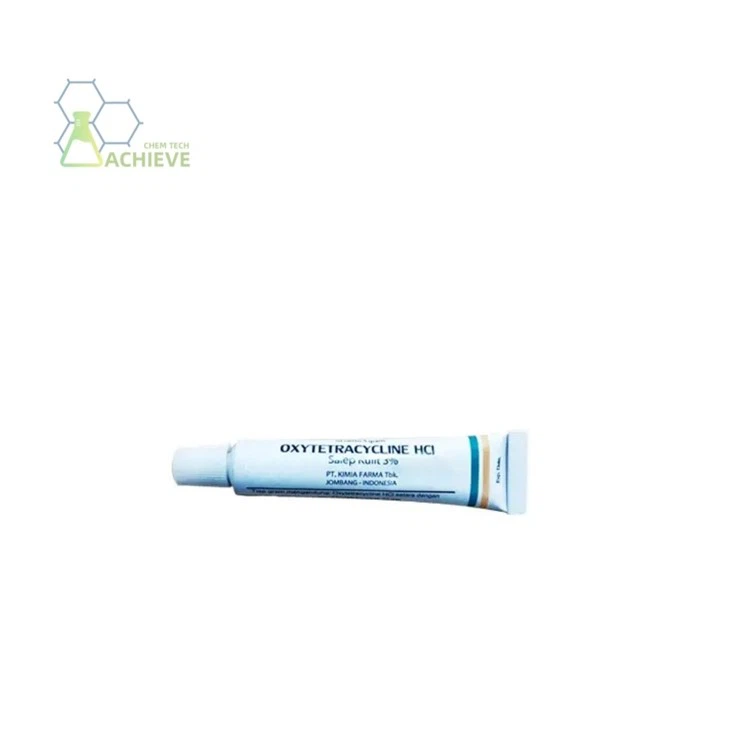


Shaanxi BLOOM Tech Co., Ltd. is one of the most experienced manufacturers and suppliers of oxytetracycline cream in China. Welcome to wholesale bulk high quality oxytetracycline cream for sale here from our factory. Good service and reasonable price are available.
The core component of oxytetracycline cream is Oxytetracyclne, with the chemical name 6-methyl-4- (dimethylamino) -3,5,6,10,12,12 α - hexaalkyl-1,11-dioxo-1,4,4 α, 5,5 α, 6,11,12 α - octahydro-2-tetrabenzamide. Its molecular formula is C22H24N2O9, with a molecular weight of 460.43, and it belongs to the tetracycline class broad-spectrum antibiotics. The formulation is in the form of light yellow or yellow ointment, with a common specification of 10g per vial (containing 3% oxytetracyclne). As a classic antibiotic, its use has expanded from simple bacterial infection tratment to complex scenarios such as immune regulation and bioterrorism defense. Faced with the challenge of drug-resistant bacteria, the value of oxytetracyclne in respiratory infections, intestinal infections, and skin and soft tissue infections will be further highlighted through precise pathogen detection, combination therapy strategies, and the development of new formulations.
Our product


Pharmacological mechanism of action
Oxytetracyclne specifically binds to the A site of the 30S subunit of bacterial ribosomes, blocking the docking of aminoacyl tRNA with mRNA, inhibiting peptide chain extension and protein synthesis, thereby exerting antibacterial effects. Its antibacterial spectrum covers:
Gram positive bacteria:
Staphylococcus aureus, Streptococcus (some drug-resistant strains require drug sensitivity guidance).
01
Gram negative bacteria:
Escherichia coli, Pseudomonas aeruginosa, Yersinia pestis (sensitive strains are effective).
02
Atypical pathogens:
Mycoplasma, Chlamydia, Rickettsia, spirochetes (highly sensitive).
03
Other pathogens:
Actinobacteria, Bacillus anthracis, Nocardia, Vibrio, Brucella.
04



Our Product

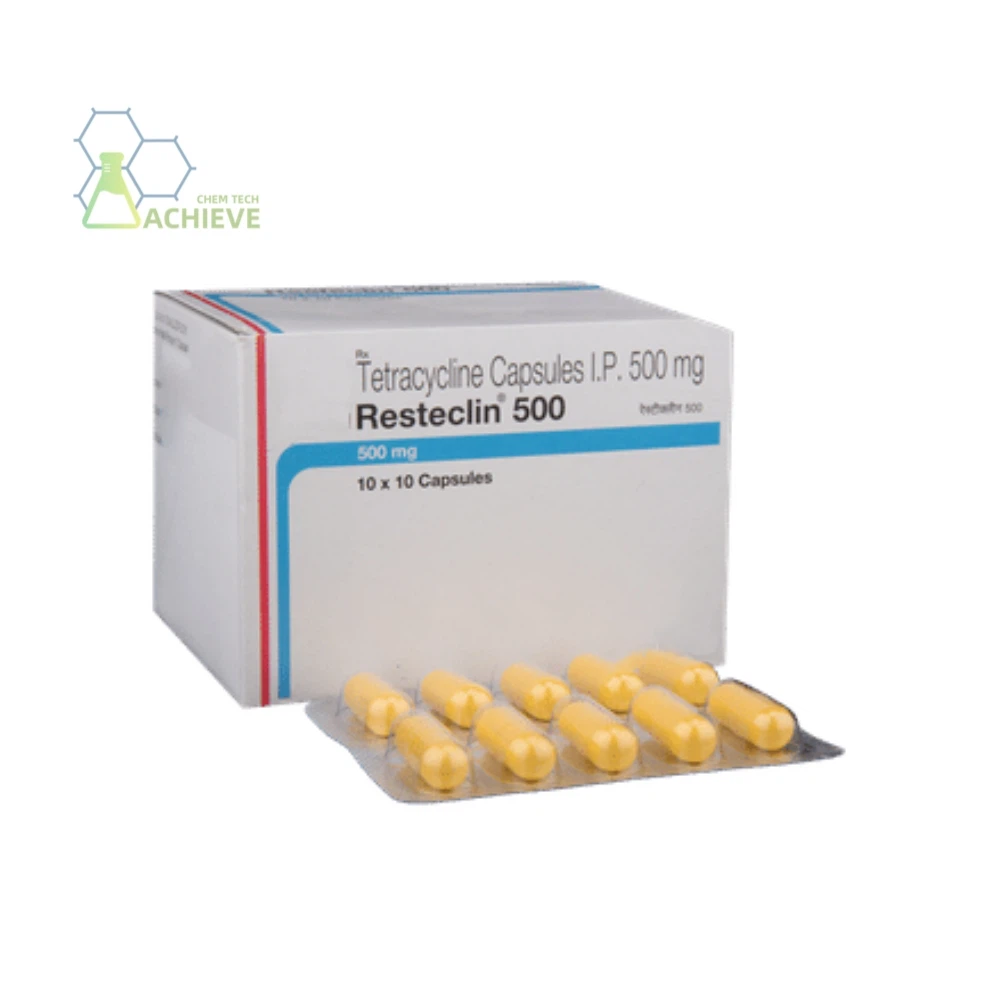


Oxytetracycline +. COA


Oxytetracycline cream, as a representative drug of tetracycline antibiotics, has been clinically applied for over half a century. Despite facing the challenge of drug-resistant strains, oxytetracyclne still demonstrates irreplaceable therapeutic value in respiratory infections, intestinal infections, and skin and soft tissue infections through precise pathogen localization, combination therapy strategies, and the development of new formulations.
(1) Core indications and pathogen coverage
The therapeutic effect of oxytetracyclne on respiratory infections stems from its precise targeting of common pathogens:
Community acquired pneumonia (CAP):
When infected with atypical pathogens such as Mycoplasma pneumoniae (MIC ≤ 0.5 μ g/mL), Chlamydia trachomatis (MIC ≤ 0.25 μ g/mL), and Legionella pneumophila (MIC ≤ 1 μ g/mL), oxytetracyclne inhibits intracellular bacterial growth by penetrating alveolar macrophages, and is more effective than beta lactams.
Some Gram negative bacteria have a sensitivity rate of 60% -70% to Haemophilus influenzae (non enzyme producing strains) and Moraxella catarrhalis, which can be used as a combination therapy option.


Hospital acquired pneumonia (HAP):
Combination therapy role: When used in combination with third-generation cephalosporins such as ceftriaxone, it can cover most pathogens other than Pseudomonas aeruginosa, especially for infections caused by multidrug-resistant bacteria.
Acute exacerbation of chronic obstructive pulmonary disease (COPD):
Etiological intervention: Effective in isolating Klebsiella pneumoniae (sensitive strains) and Streptococcus pneumoniae (non resistant strains) from the airways of COPD patients, it can reduce the need for mechanical ventilation.
(2) Clinical efficacy and symptom control
Fever and inflammation relief:
Oxytetracyclne can lower body temperature and shorten the duration of fever within 48-72 hours by inhibiting the release of bacterial endotoxins and the synthesis of cytokines such as IL-6 and TNF - α.
Improvement of cough and sputum production:
The combination of oxytetracyclne and dexmedetomidine can increase the cough relief rate to 85% (compared to 60% in the simple cough suppressant group) for the irritating dry cough caused by mycoplasma pneumonia.
For patients with purulent sputum, oxytetracyclne reduces bacterial load, reduces sputum viscosity by 30% -50%, and promotes expectoration.
Imaging improvement:
In the tratment of Mycoplasma pneumoniae pneumonia, the combination of oxytetracyclne and glucocorticoids can shorten the absorption time of pulmonary infiltrates from 14 days to 7 days.

Treatment of intestinal infections: adjuvant therapy from acute diarrhea to chronic inflammatory bowel disease

(1) Pathogenic localization and tratment mechanism
The efficacy of oxytetracyclne in treating intestinal infections stems from its dual effects:
Direct antibacterial:
Shigella genus: The sensitivity rate to Shigella flexneri and Shigella sonnei is 90%, which can shorten the course of dysentery by 2-3 days.
Salmonella genus: Effective against non typhoid Salmonella (such as Salmonella typhimurium), but caution should be taken as it may prolong the carrying status of typhoid Salmonella.
Vibrio cholerae: By inhibiting the secretion of enterotoxins, reducing diarrhea by 50% -70%, and in combination with fluid replacement therapy, it can reduce mortality.
Immune regulation:
Inhibiting the release of intestinal inflammatory factors (such as IL-1 β, IL-8), reducing intestinal mucosal edema, and having auxiliary therapeutic effects on acute exacerbation of ulcerative colitis.
(2) Clinical application scenarios and evidence of therapeutic efficacy
Acute infectious diarrhea:
Traveler's diarrhea: For enterotoxigenic Escherichia coli (ETEC) infection, a single dose of 3g of oxytetracyclne can shorten the duration of diarrhea by 12-24 hours.
Clostridium difficile infection: Combination with vancomycin can reduce the recurrence rate (from 25% to 10%), especially for mild to moderate cases.
Chronic intestinal diseases:
Inflammatory bowel disease (IBD): As an adjuvant drug of 5-aminosalicylic acid (5-ASA), oxytetracyclne can reduce the dosage of active Crohn's disease hormones (from 40mg/day to 20mg/day).
Small Intestinal Bacterial Overgrowth (SIBO): A 14 day course of tratment can alleviate symptoms of bloating and diarrhea, with an effective rate of 70%.

Treatment of skin and soft tissue infections: a step-by-step treatment from superficial abscess to necrotizing fasciitis

(1) Pathogenic characteristics and tratment options
The efficacy of Oxytetracycline cream in treating skin and soft tissue infections stems from its penetrability and broad-spectrum properties
Gram positive bacteria:
Staphylococcus aureus: sensitive to non enzyme producing strains, but resistant to TetK efflux pump producing strains up to 80%, requiring the combination of ampicillin.
Streptococcus genus: sensitive to Group A β - hemolytic streptococcus, but attention should be paid to the possibility of inducing acute rheumatic fever recurrence (long-term use should be combined with penicillin).
Gram negative bacteria:
Pseudomonas aeruginosa: Naturally resistant (due to the presence of OprM efflux pumps), monotherapy should be avoided.
Bacteroidetes: sensitive to fragile Bacteroidetes and can be treated in combination with metronidazole for mixed infections.
Atypical pathogens:
Actinobacteria genus: sensitive to Actinomyces aeruginosa, it is a second-line tratment option for actinomycosis (such as cervical and facial abscesses).
(2) Clinical application scenarios and efficacy evaluation
Superficial infection:
Boil and abscess: The combination of tetracycline and local hot compress can shorten the maturation time of abscess by 3 days and reduce the rate of incision and drainage.
Folliculitis: It is ineffective against Malassezia folliculitis, but can treat bacterial folliculitis (such as Staphylococcus aureus infection).


Deep infection:
Honeycomb inflammation: When used in combination with cefazolin, it can cover Streptococcus and Staphylococcus, reducing the time for redness and swelling to subside from 7 days to 4 days.
Necrotizing fasciitis: As an alternative to doxycycline, it requires a combination of debridement and clindamycin (to inhibit toxin production).
Special infection:
Animal bite infection: Sensitive to Pasteurella genus (such as canine biting carbon dioxide bacteria), can prevent wound suppuration.
Postoperative infection: It is ineffective against methicillin-resistant Staphylococcus aureus (MRSA), but can treat enzyme producing strain infections.

Clinical indications and medication plan
1. Core indications
Oxytetracycline cream is suitable for the following skin and soft tissue infections:
Pustular ulcer (yellow water ulcer): a purulent skin disease caused by Staphylococcus aureus or Streptococcus, characterized by blisters, pustules, and honey yellow scabs.
Follicular impetigo: Inflammation around hair follicles, accompanied by the formation of pustules, commonly found on the scalp and face.
Chronic ulcerative dermatitis: recurrent skin ulcers accompanied by bacterial infections.
Beard sores: purulent infections of hair follicles and surrounding tissues in the beard area.
Other infections: furuncle disease, wound infection, eczema combined infection, tinea combined infection, etc.
3. Optimization of medication methods
Cleaning the affected area: Wash the skin with physiological saline or mild detergent before medication to remove scabs and secretions.
Thin layer application: Take an appropriate amount of ointment and apply it evenly to the affected area to avoid excessive accumulation.
Avoid contact with mucous membranes: Do not apply to mucous membranes such as the eyes, nose, and mouth to prevent irritation or absorption poisoning.
Combination therapy: Severe infections can be treated with oral antibiotics (such as amoxicillin), but should be avoided in combination with other tetracyclines (cross resistance).
Hot Tags: oxytetracycline cream, suppliers, manufacturers, factory, wholesale, buy, price, bulk, for sale