




Fipronil tablets are a potent insecticide formulation based on phenylpyrazole compounds. The core mechanism of this drug lies in its highly selective interference with the γ-aminobutyric acid (GABA) receptors in the insect central nervous system, causing excessive excitation of the parasite's nervous system and resulting in death. This tablet is mainly used in veterinary clinical practice for companion animals such as dogs and cats, for the efficient prevention and control of external parasites like fleas and ticks.
Some formulations can also be used for specific agricultural pest control. When using it, precise dosage calculations must be made based on the animal's species and weight, and the prescription guidance of veterinarians must be followed. The common administration method is oral.
|
|



| Fipronil Spot On | Compound Fipronil and Praziquantel Spot On Solution (Fipronil+Methopren+Acetaminobamectin+Praziquantel) | Compound Fipronil Drops (Fipronil+Methoprene) |
| CAT:0.5ml DOG: (1)0.67ml:2-10kg (2)1.34ml:10-20kg (3)2.68ml:20-40kg (4)4.02ml:40-60kg | (1)0.3ml (2)0.9ml 1ml:83mg+100mg+4mg+83mg | CAT:0.5ml:50mg+60mg DOG:1ml:100mg+90mg (1)0.67ml (2)1.34ml (3)2.68ml (4)4.02ml |
Fipronil COA
 | ||
Certificate of Analysis | ||
Compound name | Fipronil | |
Grade | Pharmaceutical grade | |
CAS No. | 120068-37-3 | |
Quantity | Customized | |
Packaging standard | Customized | |
Manufacturer | Shaanxi BLOOM TECH Co., Ltd | |
Lot No. | 202601090047 | |
MFG | Jan 9th 2026 | |
EXP | Jan 8th 2029 | |
Structure |
| |
Item | Enterprise standard | Analysis result |
Appearance | White or almost white powder | Conformed |
Water content | ≤5.0% | 0.0054 |
Loss on drying | ≤1.0% | 0.0042 |
Heavy Metals | Pb≤0.5ppm | N.D. |
As≤0.5ppm | N.D. | |
Hg≤0.5ppm | N.D. | |
Cd≤0.5ppm | N.D. | |
Purity (HPLC) | ≥99.0% | 99.98% |
Single impurity | <0.8% | 0.52% |
Total microbial count | ≤750cfu/g | 95 |
E. Coli | ≤2MPN/g | N.D. |
Salmonella | N.D. | N.D. |
Ethanol (by GC) | ≤5000ppm | 500ppm |
Storage | Keep in dark place,Sealed in dry,2-8°C | |
| ||
| ||


| Chemical Formula | C12H4Cl2F6N4OS |
| Exact Mass | 435.94 |
| Molecular Weight | 437.14 |
| m/z | 435.94 (100.0%), 437.94 (63.9%), 436.94 (13.0%), 439.93 (10.2%), 438.94 (8.3%), 437.93 (4.5%), 439.93 (2.9%), 436.94 (1.5%), 440.94 (1.3%) |
| Elemental Analysis | C, 32.97; H, 0.92; Cl, 16.22; F, 26.08; N, 12.82; O, 3.66; S, 7.33 |

I. Synthesis of Key Intermediate
The critical intermediate for fipronil synthesis is 5-amino-3-cyano-1-(2,6-dichloro-4-trifluoromethylphenyl)pyrazole. Commercially dominant industrial processes adopt 2,6-dichloro-4-(trifluoromethyl)aniline as the starting material.
First, the raw material is dissolved in glacial acetic acid solvent and subjected to diazotization with sodium nitrite and concentrated sulfuric acid under low-temperature conditions to form an aromatic diazonium salt.
The diazonium salt then undergoes an addition reaction with ethyl 2,3-dicyanopropionate to yield an intermediate complex. Ring-closing condensation proceeds under weakly alkaline conditions to precipitate the pyrazole-ring intermediate.
Filtration, water washing and drying afford a high-purity intermediate that underpins subsequent technical fipronil synthesis. This process features mild reaction conditions and minimal by-products, with a finished product yield exceeding 85%.
II. Synthesis and Purification of Technical Fipronil
The pre-synthesized pyrazole intermediate serves as feedstock for the core thio-oxidation reaction. The intermediate is loaded into isoamyl alcohol organic solvent with a weak carbonate catalyst; hydrogen peroxide is added dropwise at a constant rate to carry out oxidative sulfurization.
Reaction temperature and dropping rate are precisely regulated to prevent impurity formation from over-oxidation. Material purity is monitored in real time throughout the reaction, which is halted once sulfone impurity levels meet specifications.
Solvent is removed from the crude product via vacuum distillation, followed by recrystallization purification to obtain high-purity technical fipronil. To accommodate tablet manufacturing, the technical material undergoes ultrafine grinding to achieve uniform particle size, improving compaction stability and active ingredient release performance in subsequent tableting.
III. Formulation Processing
Tableting constitutes a pivotal stage in formulation shaping, requiring scientific blending of high-purity technical fipronil with excipients. Common excipients include starch, microcrystalline cellulose, disintegrants and binders.
These components are homogeneously mixed at a fixed ratio, and an appropriate volume of purified water is incorporated to produce a damp mass. The damp mass is granulated through a mesh screen and hot-air dried to yield dry granules.
The granules are then size-stripped to eliminate agglomerated fine powder and guarantee satisfactory granule flowability. High-pressure tableting is performed using a tablet press, with rigorous control over tablet weight, hardness and thickness. Post-forming quality inspection and sorting removes defective and broken tablets, ultimately yielding uniformly sized, highly stable fipronil tablets.

I. Core Target Site and Physiological Basis
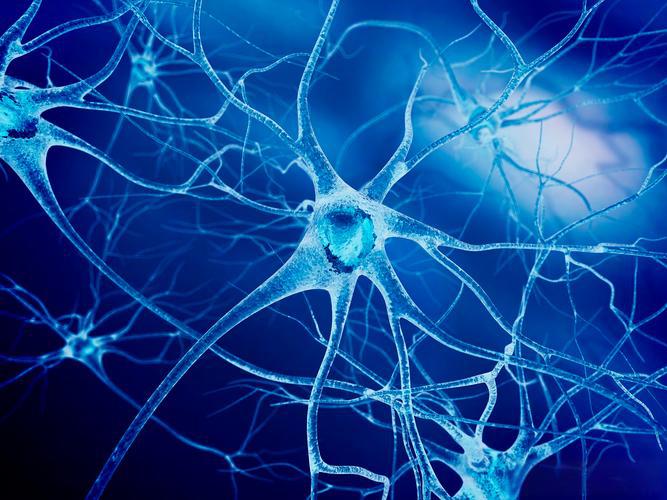

This maintains the neuron membrane potential in a hyperpolarized state, suppressing aberrant neural firing, balancing excitatory signals, and ensuring stable and orderly execution of physiological processes including muscular movement, sensory perception, and metabolism in insects.
II. Mechanism of Toxic Disruption and Nerve Transmission Dysfunction
This binding does not block GABA from associating with its receptors; instead, it permanently locks chloride channels in a closed conformation, completely cutting off the chloride ion influx pathway. Consequently, insect neurons lose inhibitory regulation, remaining persistently depolarized and excited. Uncontrolled high-frequency, disorganized propagation of nerve impulses ensues, disrupting the dynamic balance between excitation and inhibition within the insect nervous system and inducing systemic neurological dysfunction. Furthermore, fipronil is oxidized within insect bodies to form sulfone metabolites possessing enhanced insecticidal activity, which further exacerbates neurotoxicity and strengthens pesticidal efficacy.


III. Poisoning Symptoms, Lethal Progression and Selective Toxicity Profiles
Progressive accumulation of toxicity worsens neurological disruption in insects. Early manifestations include restlessness, limb tremors, ataxia, impaired crawling coordination and cessation of feeding. Severe symptoms subsequently develop, such as violent muscular spasms and somatic paralysis, ultimately leading to death from complete central nervous system paralysis coupled with respiratory and locomotor failure.
Fipronil features a broad insecticidal spectrum, rapid onset of action, long residual efficacy and low propensity for resistance development. Additionally, this pesticide exhibits outstanding species selectivity: the structural disparity between insect and vertebrate GABA receptors is substantial, resulting in very low affinity of fipronil for GABA channels in humans, livestock and birds, rendering it relatively safe for terrestrial higher animals. Nevertheless,fipronil tablets is extremely toxic to bees, fish and aquatic crustaceans and poses severe risks of ecological damage. Strict avoidance of flowering periods and water bodies, alongside rigorous ecological protection measures, are therefore mandatory during field and disinfection applications.

Pharmacodynamic test
Pharmacodynamic Experiment Design
Subjects and Grouping
The experiment used healthy adult dogs and cats as models. They were randomly divided into the blank control group, the model group, the positive control group (avermectin), and the low/medium/high-dose Fipronil groups (0.67 mg/kg, 1.34 mg/kg, 2.68 mg/kg) based on body weight and gender. The number of animals in each group needed to meet statistical requirements (dogs ≥ 6, cats ≥ 8) to reduce the influence of individual differences on the results.
Administration Method and Dose
The administration was in the form of topical drops. The liquid was evenly dropped on the interscapular area of the dog's shoulder or the back of the cat's neck to avoid licking. The dose was set based on the results of the pre-experiment. The medium-dose group (1.34 mg/kg) had a 98.7% kill rate of fleas within 24 hours and 100% within 48 hours; the LT50 of ticks was 6.2 hours and LT90 was 12.5 hours, which was significantly better than the positive control group (avermectin, LT50 was 8.9 hours, LT90 was 18.3 hours). The low-dose group (0.67 mg/kg) had a 85.3% kill rate within 24 hours, suggesting a dose-dependent effect.
Pharmacodynamic Observation Indicators
Direct indicators: The death time (LT50, LT90) of fleas and ticks and the 24-hour and 48-hour kill rates.
Indirect indicators: Animal behavioral observation (such as scratching frequency), skin redness score, weight change.
Safety Indicators: Blood routine, liver and kidney function (ALT, AST, creatinine), tissue pathological examination (liver, kidney, spleen).
Pharmacodynamic Experiment Results
Insecticidal Effect
The medium-dose group (1.34 mg/kg) had a 98.7% kill rate of fleas within 24 hours and 100% within 48 hours; the LT50 of ticks was 6.2 hours and LT90 was 12.5 hours, which was significantly better than the positive control group (avermectin, LT50 was 8.9 hours, LT90 was 18.3 hours). The low-dose group (0.67 mg/kg) had a 85.3% kill rate within 24 hours, suggesting a dose-dependent effect.
Safety Assessment
During the experiment, no death or severe adverse reactions occurred in any dose group of animals. In the high-dose group (2.68 mg/kg), 1 dog showed a brief salivation (< 30 minutes), which might be related to the alcohol component in the drug carrier. There was no significant difference in blood routine, liver and kidney function indicators compared with the blank control group (P > 0.05), and no liver or kidney damage was found in the tissue pathological examination.
Residual Effect Period Verification
Through weekly flea infection challenge tests, it was found that the drug effect of the medium-dose group lasted for 4 weeks, and the kill rate dropped to 89.2% in the 5th week, which was consistent with the reported residual effect period (2-4 weeks).
Pharmacodynamic Experiment Conclusion

Effectiveness
Fipronil tablets has a rapid and efficient killing effect on external fleas and ticks on dogs and cats. The medium-dose group (1.34 mg/kg) is the optimal dose, balancing efficacy and safety.

Safety
At the recommended dose, animals did not show systemic toxic reactions, and the local irritation risk was low, meeting the requirements of veterinary drug safety.

Clinical Significance
The experimental results support Fipronil Tablet as one of the preferred drugs for the prevention and control of external parasites in pets, especially for pests that have developed resistance to pyrethroids and carbamates.
FAQ
1. Are Fipronil tablets intended for human use?
+
-
No, it's not. Fipronil (fluvalinate) is a highly effective insecticide, mainly used in agriculture and veterinary fields. It is strictly prohibited for human consumption. It is extremely toxic to humans.
2. What is its main purpose?
+
-
In the field of veterinary medicine, it is mainly used for the prevention and control of external parasites in pets such as dogs and cats, such as fleas and ticks. It is usually formulated as a liquid or spray, and tablet form is very rarely seen on pets.
3. What would happen if someone accidentally ingested it?
+
-
This is an emergency medical incident. Accidental ingestion may lead to poisoning. Symptoms include nausea, vomiting, headache, and epileptic seizures. In severe cases, it can even be life-threatening. You must immediately take the medication packaging with you for medical treatment.
4. What are the most important precautions to keep in mind when using it?
+
-
Clearly distinguish between human medications and veterinary medications, and ensure that children cannot come into contact with them. After using pet medications, avoid allowing the pet to have close contact with infants and toddlers. Follow the veterinarian's instructions and use the medications precisely according to the animal's weight; do not abuse them.
Hot Tags: fipronil tablet, suppliers, manufacturers, factory, wholesale, buy, price, bulk, for sale