




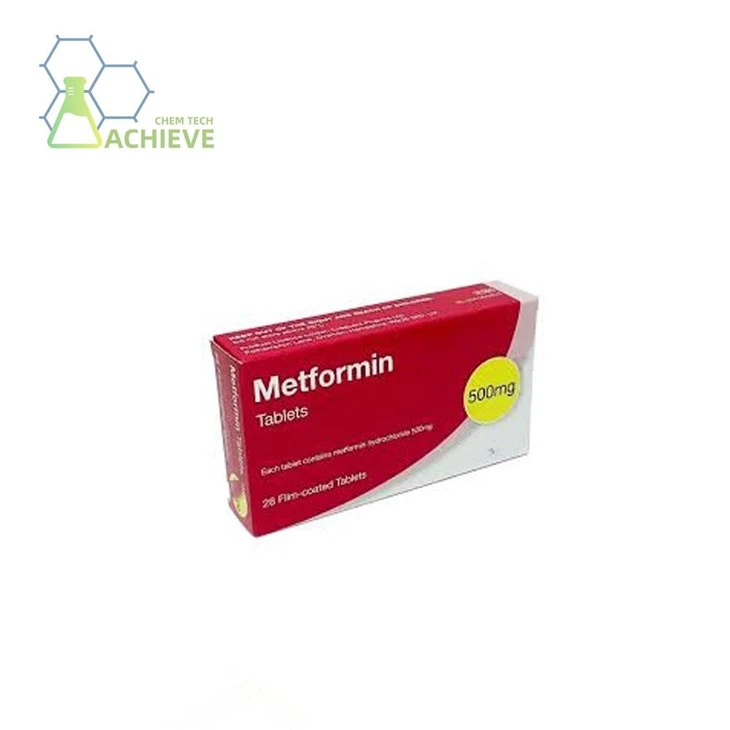


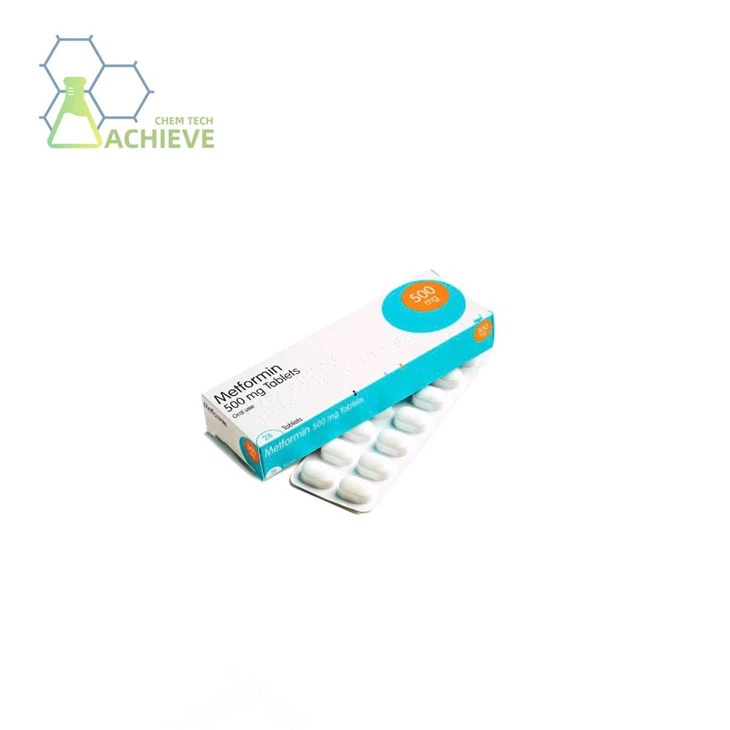


Shaanxi BLOOM Tech Co., Ltd. is one of the most experienced manufacturers and suppliers of metformin tablet 250mg in China. Welcome to wholesale bulk high quality metformin tablet 250mg for sale here from our factory. Good service and reasonable price are available.
Metformin tablet 250mg are a type of metformin hydrochloride tablet, with each tablet containing 250mg of the main ingredient metformin hydrochloride. It is applicable to polycystic ovary syndrome (PCOS): improving insulin resistance, regulating menstrual cycle, gestational diabetes (GDM), animal experiments show that it may prolong life (clinical evidence is not sufficient), and it can also be used in combination with chemotherapy, which may enhance the anti-tumor effect (the mechanism involves the regulation of bile acid metabolism). It can promote GLP-1 secretion, enhance satiety and suppress appetite, increase browning of adipose tissue, promote fatty acid oxidation, and improve metabolism related gene expression by inhibiting histone deacetylases (HDACs).



Additional information of chemical compound:

|
|
|


Metformin COA
 |
||
| Certificate of Analysis | ||
| Compound name | Metformin | |
| Grade | Pharmaceutical grade | |
| CAS No. | 657-24-9 | |
| Quantity | 337.3kg | |
| Packaging standard | 25kg/drum | |
| Manufacturer | Shaanxi BLOOM TECH Co., Ltd | |
| Lot No. | 202501090040 | |
| MFG | Jan 9th 2025 | |
| EXP | Jan 8th 2028 | |
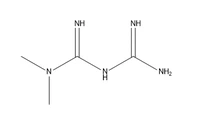
| Structure |
|
|
| Item | Enterprise standard | Analysis result |
| Appearance | White or almost white powder | Conformed |
| Water content | ≤5.0% | 0.38% |
| Loss on drying | ≤1.0% | 0.29% |
| Heavy Metals | Pb≤0.5ppm | N.D. |
| As≤0.5ppm | N.D. | |
| Hg≤0.5ppm | N.D. | |
| Cd≤0.5ppm | N.D. | |
| Purity (HPLC) | ≥99.0% | 99.80% |
| Single impurity | <0.8% | 0.47% |
| Total microbial count | ≤750cfu/g | 70 |
| E. Coli | ≤2MPN/g | N.D. |
| Salmonella | N.D. | N.D. |
| Ethanol (by GC) | ≤5000ppm | 400ppm |
| Storage | Store in a sealed, dark, and dry place below 2-8°C | |
|
|
||
|
|
||


Reprogramming of Metformin in Bile Acid (BAs) Metabolism
Metformin Tablet 250mg, as the cornerstone drug for the treatment of type 2 diabetes, its mechanism of action has long focused on the inhibition of liver gluconeogenesis and improvement of insulin sensitivity. However, with breakthroughs in multiple omics technologies, scientists have discovered that the core effect of the drug begins in the intestine, through systematic reshaping of the bile acid metabolism network, achieving multidimensional effects such as blood glucose regulation, immune balance, and tumor suppression. Bile acids, as the end products of cholesterol metabolism, are not only key mediators of lipid digestion and absorption, but also signaling molecules and immune modulators. Metformin redefines the treatment paradigm of metabolic diseases by regulating the synthesis, transport, and microbial metabolism of bile acids.
Bile acid metabolism network: dynamic circulation from liver to intestine
Synthesis and classification of bile acids
Bile acids are divided into primary bile acids (such as cholic acid CA, chenodeoxycholic acid CDCA) and secondary bile acids (such as deoxycholic acid DCA, lithocholic acid LCA), and their synthesis is regulated by key enzymes such as cholesterol 7 α - hydroxylase (CYP7A1). Primary bile acids are synthesized in the liver and combine with glycine or taurine to form conjugated bile acids (such as glycocholic acid GCA and taurodeoxycholic acid TUDCA), which are excreted into the intestine through the biliary tract.
Intestinal and hepatic circulation of bile acids
In the intestine, conjugated bile acids are hydrolyzed into free bile acids by bile salt hydrolases (BSH) expressed by the gut microbiota, and further undergo 7 α - dehydroxylation by the microbiota to generate secondary bile acids. About 95% of bile acids are reabsorbed through active transport via the terminal ileum (ASBT), while the remaining 5% is excreted with feces. This cycle is repeated 4-12 times a day, forming the core pathway of lipid metabolism in the body.
Signal function of bile acids
Bile acids regulate glucose and lipid metabolism, immune response, and energy balance by activating nuclear receptors such as farnesol X receptor (FXR) and G protein coupled bile acid receptor (TGR5). For example, FXR activation can inhibit CYP7A1 expression and reduce bile acid synthesis, while inducing fibroblast growth factor 19 (FGF19) secretion and inhibiting hepatic gluconeogenesis.
The reprogramming mechanism of metformin on bile acid metabolism
A study conducted by Jiang Changtao's team at Peking University found that metformin significantly increases the level of the binding bile acid glycoursodeoxycholic acid (GUDCA) by inhibiting the BSH enzyme activity expressed by Bacteroides fragilis in the gut. GUDCA, as an endogenous antagonist of FXR, can block FXR activation, thereby inhibiting hepatic gluconeogenesis and improving insulin resistance. Metformin inhibits the growth of Bacteroides fragilis by increasing the content of 5-methyl-tetrahydrofolate and reducing methionine levels, thereby reducing BSH enzyme expression. In vitro experiments have confirmed that after treatment with metformin, the BSH activity of Bacteroides fragilis decreased by 60%, leading to a 3-fold increase in intestinal GUDCA levels. In newly diagnosed type 2 diabetes patients, the level of fecal GUDCA significantly increased after 4 weeks of metformin treatment, and was positively correlated with the decrease of fasting blood glucose (r=-0.62, p<0.01). The microbiota transplantation experiment further demonstrated that transplanting the microbiota of patients treated with metformin into sterile mice can reduce blood glucose levels by 35% and improve glucose tolerance by 40% in recipient mice.

Regulating SIRT1-Foxa2 axis: maintaining bile acid homeostasis

Long term treatment with Metformin Tablet 250mg may lead to intrahepatic bile stasis in some patients, suggesting that it may interfere with bile acid metabolism homeostasis. Research has found that metformin can reduce the content of SIRT1 protein in primary liver cells and liver, leading to upregulation of bile acid synthesis and transport related genes (such as CYP7A1, BSEP) expression. SIRT1 inhibits the transcriptional activation of bile acid metabolism genes by deacetylating transcription factor Foxa2. In SIRT1 specific mutant mice, there was no significant change in bile acid levels after treatment with metformin, while serum bile acid levels increased by 2.3 times in wild-type mice. This indicates that SIRT1 is a key mediator of metformin in regulating bile acid metabolism. For patients with diabetes complicated with cholestasis, it is necessary to monitor the level of serum bile acid and adjust the dose of metformin. The combined use of FXR agonists (such as obeticolic acid) may partially counteract the bile acid elevation effect of metformin by activating the FXR-FGF19 pathway.
Cell Metabolism studies have revealed that metformin enhances the anti-tumor activity of natural killer (NK) cells by regulating bile acid metabolism. In hepatocellular carcinoma (HCC) models, metformin treatment can reduce serum isocholic acid (iso LCA) levels and restore the ability of NK cells to secrete IFN - γ and granzyme B. Metformin inhibits the conversion of primary bile acid CDCA to iso LCA by B.ovatus bacteria by reducing the abundance of Bacteroidetes in the gut. Macro genomic analysis showed that the abundance of B.ovatus in the feces of HCC patients was positively correlated with serum iso LCA levels (r=0.78, p<0.001), and negatively correlated with AKR1D1 expression. As a bile acid receptor GPBAR1 antagonist, spironolactone can reverse the inhibitory effect of iso LCA on NK cells. Combining metformin with spironolactone treatment can reduce tumor volume by 60% and prolong survival by 40% in HCC mice.

Clinical translational value of bile acid metabolism reprogramming

Management of metabolic syndrome
Metformin inhibits hepatic gluconeogenesis through the GUDCA-FXR axis, and its hypoglycemic effect is closely related to baseline microbiota composition. Patients with high abundance of high producing butyric acid bacteria (such as Rossella) showed a 30% increase in response rate to metformin treatment and a 25% increase in blood glucose reduction. Metformin improves insulin resistance and hepatic steatosis by increasing the abundance of Akkermansia muciniphila in the gut, promoting secondary bile acid production, and activating TGR5 receptors. Clinical studies have shown that combined probiotics supplementation can reduce liver fat content by 50% and restore normal transaminase levels in NAFLD patients.
Cardiovascular Protection
Metformin reduces vascular endothelial cell inflammation by lowering serum ceramide levels (associated with bile acid metabolism). In patients with coronary heart disease, metformin treatment can reduce carotid intima-media thickness (IMT) by 0.05mm per year and lower the risk of cardiovascular events by 22%. Heart failure management is achieved by increasing the abundance of butyrate producing bacteria in the intestine. Metformin can increase serum butyrate levels by 2.3 times, activate GPR43 receptors in the intestine, enhance vagal tone, and improve cardiac function. In heart failure patients with reduced ejection fraction (HFrEF), metformin treatment can increase left ventricular ejection fraction (LVEF) by 5% and increase 6-minute walking distance by 40 meters.


Tumor Immunotherapy
A study by Tianjin Medical University found that non-small cell lung cancer patients with high expression of C19orf12 gene are more sensitive to metformin treatment. C19orf12 synergistically induces tumor cell apoptosis with metformin by inhibiting the expression of mitochondrial respiratory chain complexes. In C19orf12 positive patients, metformin combined with chemotherapy can increase the objective response rate (ORR) to 65% and prolong median survival by 8 months. Metformin reduces the risk of DNA damage in colon mucosal cells by decreasing the production of deoxycholic acid (DCA) by the gut microbiota. Long term metformin treatment can reduce the recurrence rate of adenomas by 40% and the risk of cancer by 25% in high-risk populations for colorectal cancer.
The mechanism of microbial ecological oscillation
Metformin Tablet 250mg has a "bidirectional regulation" effect on gut microbiota: short-term use may cause a decrease in microbiota diversity and fluctuations in the abundance of specific bacterial genera; Long term medication restores the balance of the microbiota by selectively proliferating beneficial bacteria, such as myxophilic Ekman bacteria. The mechanism of initial oscillation mainly involves the following three aspects:
PH changes: Metformin can lower intestinal pH, inhibit the growth of alkaline environment dependent pathogens such as Clostridium perfringens, and promote the proliferation of acidic bacteria such as Lactobacillus. This pH fluctuation may disrupt the metabolic synergy between bacterial communities, leading to a decrease in short chain fatty acid (SCFA) synthesis and affecting host energy metabolism.
Bile acid metabolism interference: Metformin reduces the conversion of primary bile acids to secondary bile acids by inhibiting intestinal FXR receptors, leading to a decrease in the level of secondary bile acids (such as deoxycholic acid). Secondary bile acids are a key nutrient source for certain bacterial genera, such as Bacteroidetes, and their deficiency may lead to an imbalance in microbial community structure.

Direct interaction of microbial communities

Competitive inhibition: Metformin can inhibit the growth of certain Gram negative bacteria in the gut, interfering with bacterial metabolism by competitively binding to trace elements such as iron or zinc ions. For example, the proliferation of Escherichia coli is restricted due to the obstruction of iron carrier synthesis, which may lead to a decrease in bacterial diversity.
Metabolite regulation: Metformin can upregulate the host AMPK pathway, promote the secretion of mucin by intestinal epithelial cells, provide nutrition for mucin degrading bacteria such as mucin Ekman bacteria, and thus alter the composition of the microbiota. This selective proliferation may trigger short-term fluctuations in the microbiota.
Immune regulation: Metformin activates TLR4 receptors in intestinal macrophages, promotes the secretion of anti-inflammatory cytokines (such as IL-10), and inhibits the release of pro-inflammatory cytokines (such as TNF - α). This immune microenvironment change may screen for more tolerant bacterial genera, leading to a reshaping of the microbial community structure.
Metabolite cross feedback: The reduction of SCFAs (such as butyric acid) caused by microbial oscillation may weaken intestinal barrier function, increase the risk of endotoxin entering the bloodstream, further activate host inflammatory response, and form a vicious cycle of "dysbiosis inflammation exacerbation".

Clinical manifestations of microbial ecological oscillation
The clinical manifestations of initial microbiota oscillation are diverse, with mild cases only presenting as gastrointestinal discomfort, while severe cases may lead to metabolic disorders or increased risk of infection.
Gastrointestinal reactions
Diarrhea: The decrease in microbial diversity leads to abnormal carbohydrate fermentation, and unabsorbed sugars are excessively fermented by bacteria in the colon, causing osmotic diarrhea. Research has shown that about 15% of Metformin patients with initial treatment experience diarrhea, of which about 30% are related to microbiota fluctuations.
Abdominal distension/pain: An increase in the relative abundance of gas producing bacteria (such as methanogenic archaea) may lead to excessive intestinal gas production, causing abdominal distension; And intestinal motility disorders caused by dysbiosis (such as irritable bowel syndrome like changes) may manifest as abdominal pain.
Nausea/vomiting: Microbial oscillation may stimulate the vomiting center through vagus nerve reflex or fluctuations in serotonin (5-HT) levels, leading to nausea and vomiting.
Metabolic abnormalities
Vitamin B12 deficiency: Metformin inhibits the absorption of calcium dependent endogenous factor vitamin B12 complex, while microbial oscillation may reduce the abundance of vitamin B12 synthesizing bacteria (such as certain lactobacilli), leading to an increased rate of vitamin B12 deficiency in long-term drug users.
Blood glucose fluctuations: The reduction of SCFA caused by microbial oscillation may weaken intestinal barrier function, increase the risk of endotoxin entering the bloodstream, activate liver inflammatory response, and exacerbate insulin resistance, manifested as blood glucose fluctuations or poor control.
Increased risk of infection
Opportunistic infection: The decrease in microbial diversity may weaken the colonization resistance of pathogens, increase the risk of Clostridium difficile infection, and overgrowth of Candida albicans.
Urinary tract infection: Metformin may increase the adhesion ability of urinary tract pathogens such as Escherichia coli by altering the pH value and microbial composition of urine, leading to an increased risk of urinary tract infection.
Hot Tags: metformin tablet 250mg, suppliers, manufacturers, factory, wholesale, buy, price, bulk, for sale