


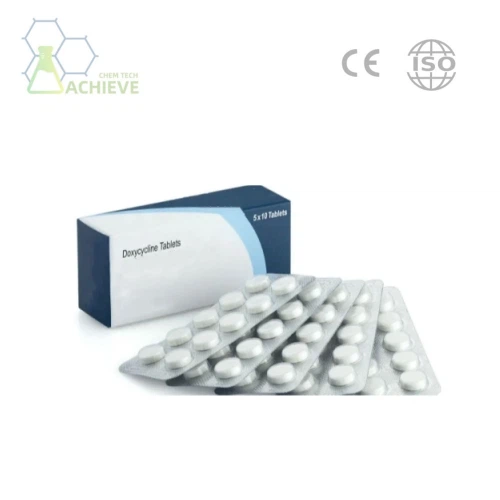


Doxycycline Tablet 200 Mg, a second-generation tetracycline antibiotic, has been a cornerstone of infectious disease treatment for decades. Its broad-spectrum activity against bacteria, protozoa, and even certain viruses makes it indispensable in clinical settings ranging from tropical medicine to dermatology. Among its formulations, the 200 mg tablet stands out for its versatility in managing severe infections, reducing dosing frequency, and improving patient adherence.


Core Indications
► Rickettsial Diseases
Including epidemic typhus, endemic typhus, Rocky Mountain spotted fever, scrub typhus, and Q fever. Doxy is the drug of choice for rickettsial infections due to its ability to effectively penetrate cell membranes and inhibit pathogen replication.
► Mycoplasma and Chlamydia Infections
Covers respiratory tract infections (e.g., Mycoplasma pneumonia), urogenital tract infections (non-gonococcal urethritis, cervicitis, trachoma), and sexually transmitted diseases (e.g., Neisseria gonorrhoeae urethritis; note resistance). Its antibacterial mechanism achieves protein synthesis inhibition by blocking the 30S ribosomal subunit of bacteria.
Relapsing fever, brucellosis, cholera, tularemia, and plague
Brucellosis and plague require combination therapy with aminoglycosides (e.g., streptomycin) to enhance efficacy, as monotherapy is prone to developing resistance.
► Alternative treatment for penicillin-allergic patients
Used for tetanus, gas gangrene, yaws, syphilis, gonorrhea, and leptospirosis, particularly suitable for patients allergic to β-lactam antibiotics.
► Adjuvant treatment for moderate to severe acne
Utilizing its anti-inflammatory and anti-Propionibacterium acnes effects, it is typically one of the options for systemic treatment.
Clinical Applications
|
The 200 mg dose is typically reserved for: 1) Severe infections: Brucellosis, tularemia, and plague (often combined with aminoglycosides). 2) Rapid symptom relief: Early Lyme disease (100–200 mg twice daily for 10–21 days). 3) Malaria prophylaxis: 100 mg daily, but 200 mg may be used for initial loading in high-risk travelers. 4) Acne vulgaris: 50–100 mg daily is standard, but 200 mg may be prescribed for refractory cases under close monitoring. |
|
|
|
Case Study: Brucellosis TreatmentA 2024 study in Clinical Infectious Diseases compared doxy 200 mg daily + gentamicin versus 100 mg twice daily + streptomycin in 120 patients. The 200 mg group achieved faster fever resolution (3.2 vs. 4.7 days) and lower relapse rates (5% vs. 12%), likely due to sustained tissue concentrations. |
Off-Label Uses1) Periodontitis: Local delivery via customized trays. 2) Cardiac sarcoidosis: 100–200 mg daily to suppress inflammation. 3) COVID-19 (investigational): Early trials showed no benefit, but research continues into its anti-inflammatory potential. |
 |


Doxycycline Tablet 200 Mg Secretly Intervenes in Extracellular Matrix Aging by Inhibiting Matrix Metalloproteinases
The extracellular matrix (ECM) is the microenvironment for cell survival, providing structural support and biochemical signals to cells. It plays a critical role in maintaining tissue homeostasis, regulating cell behavior, and organ function. However, as age increases, ECM gradually exhibits aging characteristics, manifested as excessive deposition of collagen, degradation of elastic fibers, increased abnormal cross-linking, and increased matrix hardness. These changes not only hinder cell migration and mechanical signal transduction, but are also closely related to tissue fibrosis, tumor development, and age-related diseases. Matrix metalloproteinases (MMPs) are the core enzymes that degrade ECM, and their activity imbalance is an important driving factor for ECM aging. Doxycycline Tablet 200 Mg (doxycycline hydrochloride tablets, 200mg), as a tetracycline antibiotic, has shown potential application value in the field of anti-aging due to its unique MMP inhibition properties.
The association between matrix metalloproteinases and extracellular matrix aging

Physiological Function and Pathological Imbalance of MMPs
MMPs are a family of zinc dependent endopeptidases, consisting of over 20 members that can degrade core ECM components such as collagen, elastin, and fibronectin. Under physiological conditions, MMPs participate in embryonic development, wound healing, angiogenesis, and other processes by precisely regulating ECM remodeling. However, under aging or pathological conditions, an imbalance in MMPs activity (such as excessive activation or insufficient inhibition) can lead to abnormal ECM degradation, manifested as:
Excessive deposition of collagen: The decreased activity of MMP-1 (collagenase-1) reduces the degradation of collagen, while the overactivation of MMP-2/9 (gelatinase) promotes collagen cross-linking, forming stiff fiber bundles.
Elastic fiber rupture: Overexpression of MMP-12 (macrophage elastase) degrades elastin, leading to skin laxity and decreased vascular elasticity.
Increased matrix hardness: abnormally cross-linked collagen forms a dense network with glycosaminoglycans (GAGs), hindering cell migration and mechanical signal transduction (such as YAP/TAZ pathway).

Driving mechanism of ECM aging
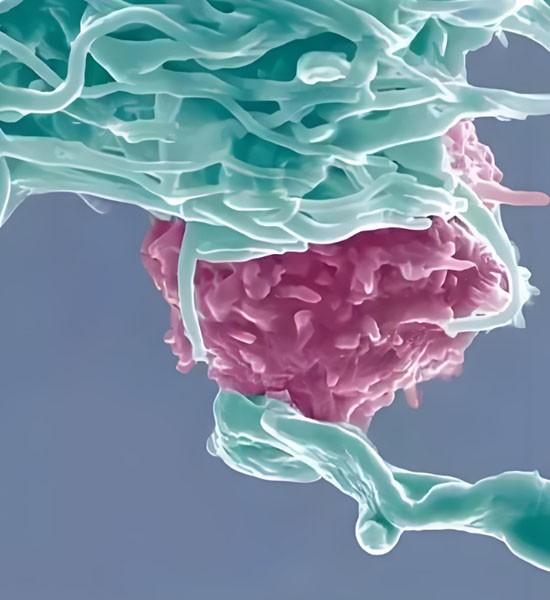
The driving factors of ECM aging include oxidative stress, accumulation of advanced glycation end products (AGEs), chronic inflammation, and dysregulation of MMPs activity. Among them, the dual role of MMPs is particularly crucial:
Senescence promoting effect: overexpression of MMP-9 can destroy vascular basement membrane and promote atherosclerosis; MMP-3 activation can induce degradation of cartilage ECM and exacerbate osteoarthritis.
Anti aging effect: Moderate MMP-2/9 activity can clear damaged ECM and promote tissue repair; MMP-14 (membrane MMP) regulates stem cell differentiation by cleaving Notch ligands.
During the aging process, the "pro aging" effect of MMPs gradually dominates, causing ECM to shift from dynamic balance to a rigid and inactive state, forming a vicious cycle.
MMP inhibitory properties and mechanism of action of Doxycycline

Chemical structure and pharmacological properties of Doxycycline
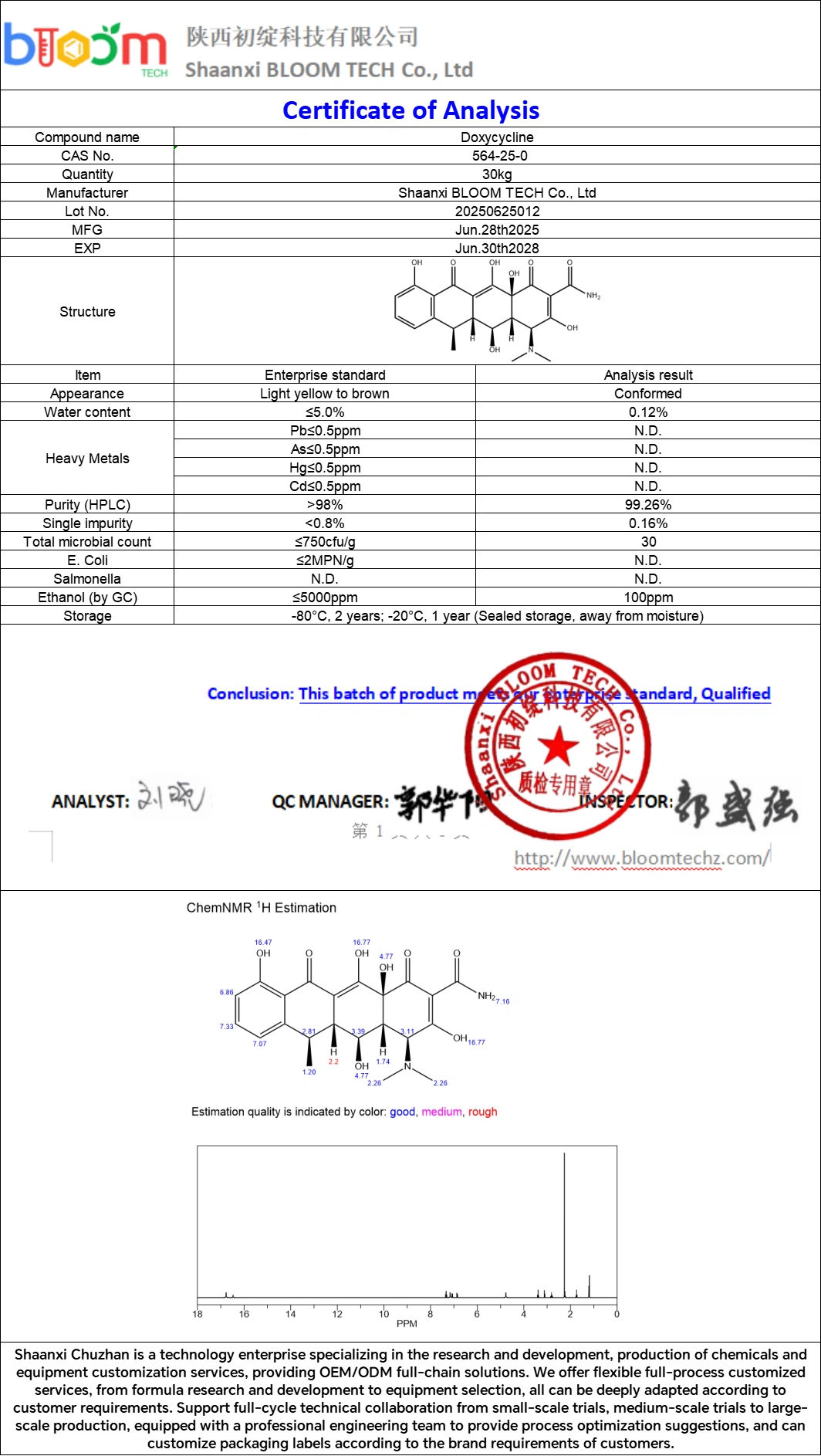
Doxycycline is a second-generation tetracycline antibiotic, whose chemical structure consists of a planar ring with four conjugated double bonds, which can chelate with the zinc ion in the active center of MMPs, thereby inhibiting enzyme activity. Compared with the first generation tetracycline (such as oxytetracycline), Doxycycline has the following advantages:
Higher oral bioavailability (about 70%) and longer serum half-life (15-25 hours), suitable for long-term medication.
Stronger tissue permeability, able to penetrate the blood-brain barrier and inflammatory tissues, targeting the inhibition of local MMPs.
Non antibacterial effects at low doses: At doses of 20-50 milligrams per day, Doxycycline primarily exerts MMP inhibitory effects rather than antibacterial activity, reducing the risk of drug resistance.


Inhibition mechanism of Doxycycline on MMPs
Doxycycline inhibits MMP activity through multiple targets:
Direct chelation of zinc ions: Doxycycline's β - diketone structure binds to the Zn ² ⁺ active center of MMPs, blocking the formation of enzyme substrate complexes.
Inhibition of MMP synthesis: By downregulating transcription factors such as NF - κ B and AP-1, the gene expression of MMP-1/2/9 is reduced.
Regulating MMPs activation: Inhibiting tissue type plasminogen activator (tPA) and urokinase type plasminogen activator (uPA), reducing the activation of MMPs precursors.
ECM protective effect of Doxycycline
By inhibiting MMPs, Doxycycline can improve ECM aging in multiple dimensions:
Degradation of excessive deposition of collagen: Low dose Doxycycline (20 mg/day) can activate MMP-2/9 and promote ECM remodeling in periodontitis.
Inhibiting abnormal cross-linking: Blocking the activity of lysyl oxidase (LOXL2), reducing cross-linking between collagen and elastin, and lowering matrix hardness.
Restore matrix elasticity: By inhibiting MMP-12, protect elastin from degradation, and improve skin and vascular elasticity.
Reset mechanical signals: soften stiff ECM, restore normal conduction of YAP/TAZ pathway, promote cell proliferation and differentiation.

The MMP inhibition mechanism of Doxycycline: a cross-border function from antibacterial to anti-aging
Chemical structure basis: Zinc ion chelation and enzyme activity inhibition
The chemical structure of Doxycycline contains a β - diketone group, which can form a chelating complex with the zinc ion in the active center of MMPs, blocking the binding of the enzyme to the substrate. This mechanism is similar to classical MMP inhibitors such as malate, but Doxycycline has weaker chelating ability and requires higher concentrations (micromolar level) to significantly inhibit MMP activity. However, in chronic intervention scenarios (such as long-term low-dose use), Doxycycline can exert cumulative effects by continuously inhibiting MMPs.
Non chelating Mechanism: Regulating MMPs Expression and Inflammatory Pathways
In addition to directly inhibiting enzyme activity, Doxycycline can also indirectly regulate MMPs through the following pathways:

Inhibition of MMPs gene expression
Doxycycline can block the NF - κ B signaling pathway, reduce the release of pro-inflammatory factors such as IL-6 and TNF - α, and thus downregulate the expression of genes such as MMP-1 and MMP-9. For example, in atherosclerotic models, Doxycycline reduces the expression of MMP-9 in vascular smooth muscle cells by inhibiting the activation of NF - κ B and alleviating plaque instability.
Regulating oxidative stress
Doxycycline has antioxidant properties, reducing the generation of reactive oxygen species (ROS) and alleviating the activation of MMPs by oxidative stress. In the pulmonary fibrosis model, Doxycycline clears ROS, inhibits MMP-12 expression, and delays alveolar structural damage.

Intervention in TIMP balance
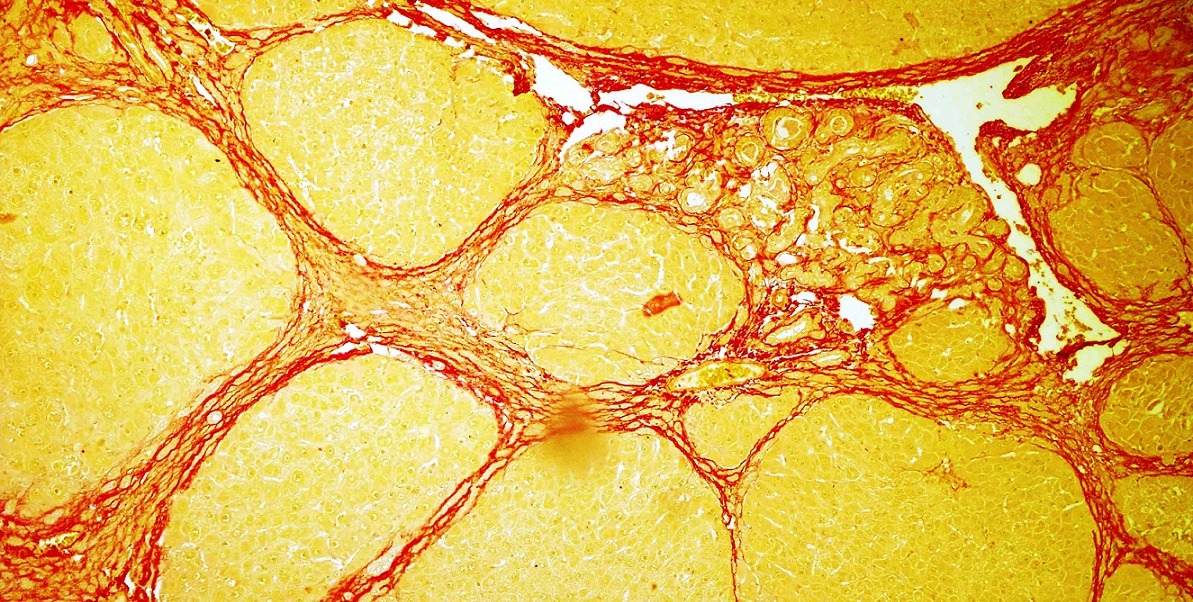
Doxycycline can upregulate the expression of TIMP-1 and enhance its inhibitory effect on MMPs. In the liver fibrosis model, Doxycycline reduces collagen deposition by restoring the TIMP-1/MMP-2 ratio.
Organizational specificity and dose-response: advantages of low-dose long-term intervention
The MMP inhibitory effect of Doxycycline is dose-dependent. High doses (antibacterial concentration,>10 μ M) mainly inhibit MMPs by directly chelating zinc ions, but may cause side effects such as gastrointestinal reactions and photosensitivity; Low doses (non antimicrobial concentrations, 0.1-2 μ M) exert anti fibrotic effects by regulating gene expression and inflammatory pathways, with higher safety. For example:
Periodontitis treatment
Low dose Doxycycline (20 mg/day, lasting for 3 months) can inhibit the expression of MMP-8 in gingival fibroblasts, improve alveolar bone resorption, and not cause dysbiosis of the microbiota.
Atherosclerosis intervention
In ApoE knockout mice, Doxycycline (100 mg/kg/day, 6 months after oral administration) reduces the collagen degradation in plaque and the risk of rupture by inhibiting the activity of MMP-9.
MMPs and ECM Aging: Pathological Transition from Balance to Imbalance
MMPs family: a double-edged sword for ECM dynamic balance
The MMPs family consists of 28 members, which are classified into subtypes based on substrate specificity, such as collagenase (e.g. MMP-1, MMP-8), gelatinase (e.g. MMP-2, MMP-9), and matrix metalloproteinase (e.g. MMP-3). Under physiological conditions, MMPs and tissue metalloproteinase inhibitors (TIMPs) form a dynamic balance, precisely regulating the degradation and remodeling of ECM. For example, during wound healing, MMP-1 degrades collagen fibers in the damaged area, providing space for new tissue formation; MMP-9 participates in angiogenesis and promotes nutrient supply.However, under the stimulation of aging or chronic inflammation, the balance of MMPs/TIMPs is disrupted, manifested as:
Overactivation of MMPs: Oxidative stress and pro-inflammatory factors (such as IL-6 and TNF - α) upregulate MMPs expression, accelerating ECM degradation. For example, in chronic obstructive pulmonary disease (COPD), overexpression of MMP-12 leads to alveolar wall destruction and the formation of emphysema.
TIMP functional inhibition: The senescence associated secretory phenotype (SASP) secreted by senescent cells contains TIMP inhibitors, further weakening the constraint on MMPs.
Abnormal cross-linking formation: MMPs degradation products (such as collagen fragments) can be catalyzed by lysyl oxidase (LOX) to form cross-linking, increasing ECM stiffness.
Hot Tags: doxycycline tablet 200 mg, suppliers, manufacturers, factory, wholesale, buy, price, bulk, for sale