




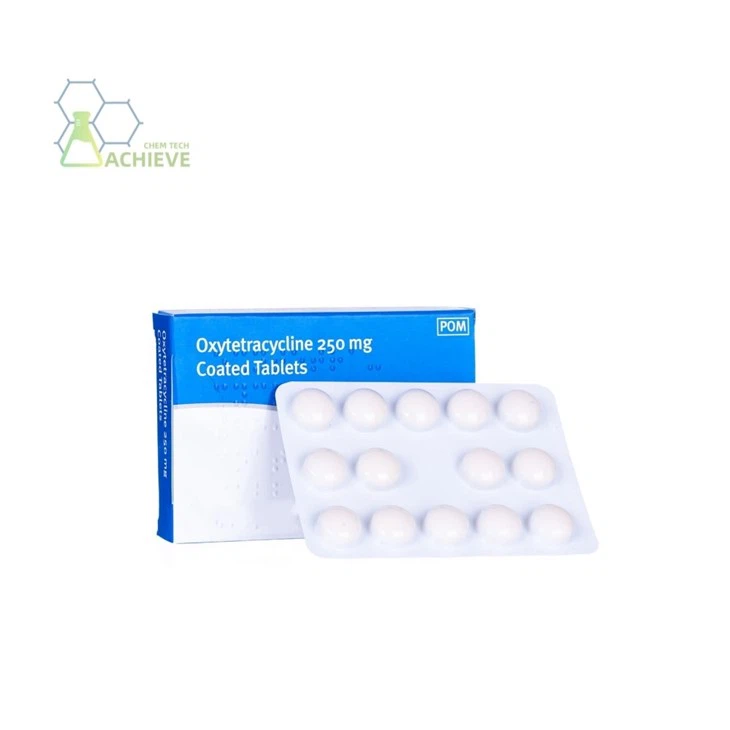


Shaanxi BLOOM Tech Co., Ltd. is one of the most experienced manufacturers and suppliers of oxytetracycline tablets in China. Welcome to wholesale bulk high quality oxytetracycline tablets for sale here from our factory. Good service and reasonable price are available.
Oxytetracycline Tablets, the core component is oxytetracycline, with the chemical name 6-methyl-4- (dimethylamino) -3,5,6,10,12,12a-hexahydroxy-1,11-dioxo-1,4,4a, 5,5a, 6,11,12a-octahydro-2-tetrabenzamide. Its molecular structure inhibits the binding of aminoacyl tRNA by specifically binding to the A site of the bacterial ribosome 30S subunit, thereby blocking peptide chain extension and protein synthesis, and exerting broad-spectrum antibacterial effects. The drug has inhibitory effect on a variety of gram-positive bacteria and gram-negative bacteria, including Streptococcus pneumoniae, hemolytic streptococcus, Staphylococcus, Escherichia coli, Pasteurella, etc., and can be used to treat a variety of bacterial infectious diseases. It has a certain therapeutic effect on mycoplasma and chlamydia infections, such as psittacosis and trachoma, and can interfere with the synthesis of pathogenic proteins, thereby achieving the therapeutic goal.
The main form of the preparation is sugar coated tablets or light yellow tablets, with a specification of 0.125g or 0.25g per tablet. The following is a detailed introduction:

Basic formulation form
Sugar coated tablets: Oxytetracyclin often use sugar coating technology. The sugar coating layer can mask the bitter taste of the drug itself, improve the patient's medication experience, and protect the drug from external environmental factors such as humidity and light, ensuring drug stability.
Light yellow tablets: Some oxytetracyclin directly appear light yellow, which is related to their chemical composition and preparation process. Light yellow tablets also have stability and are easy to identify.
Characteristics and advantages of the formulation
Stability: When stored under dry and dark conditions, it can effectively prevent the decomposition and deterioration of drugs, ensuring their efficacy.
Bioaccumulation: After oral administration, the bioavailability is about 30% when absorbed in the gastrointestinal tract. After absorption, it is widely distributed in tissues and body fluids such as the liver, kidneys, lungs, etc. It is easy to infiltrate pleural and ascites, but not easy to pass through the blood-brain fluid barrier.
Dosage accuracy: The tablet form facilitates precise control of dosage, and the commonly used dosage for adults is 1.5-2g per day, taken 3-4 times a day; Children over 8 years old should have their dosage calculated based on their weight to ensure safe and effective medication.

Our product




Additional information of chemical compound:
| Product Name | Oxytetracycline Powder | Oxytetracycline Tablets | Oxytetracycline Capsule | Oxytetracycline Cream |
| Product Type | Powder | Tablet | Capsule | Cream |
| Product Purity | ≥99% | ≥99% | ≥99% | ≥99% |
| Product Specifications | Customizable | Customizable | Customizable | Customizable |
| Product Package | Customizable | Customizable | Customizable | Customizable |
Our Product

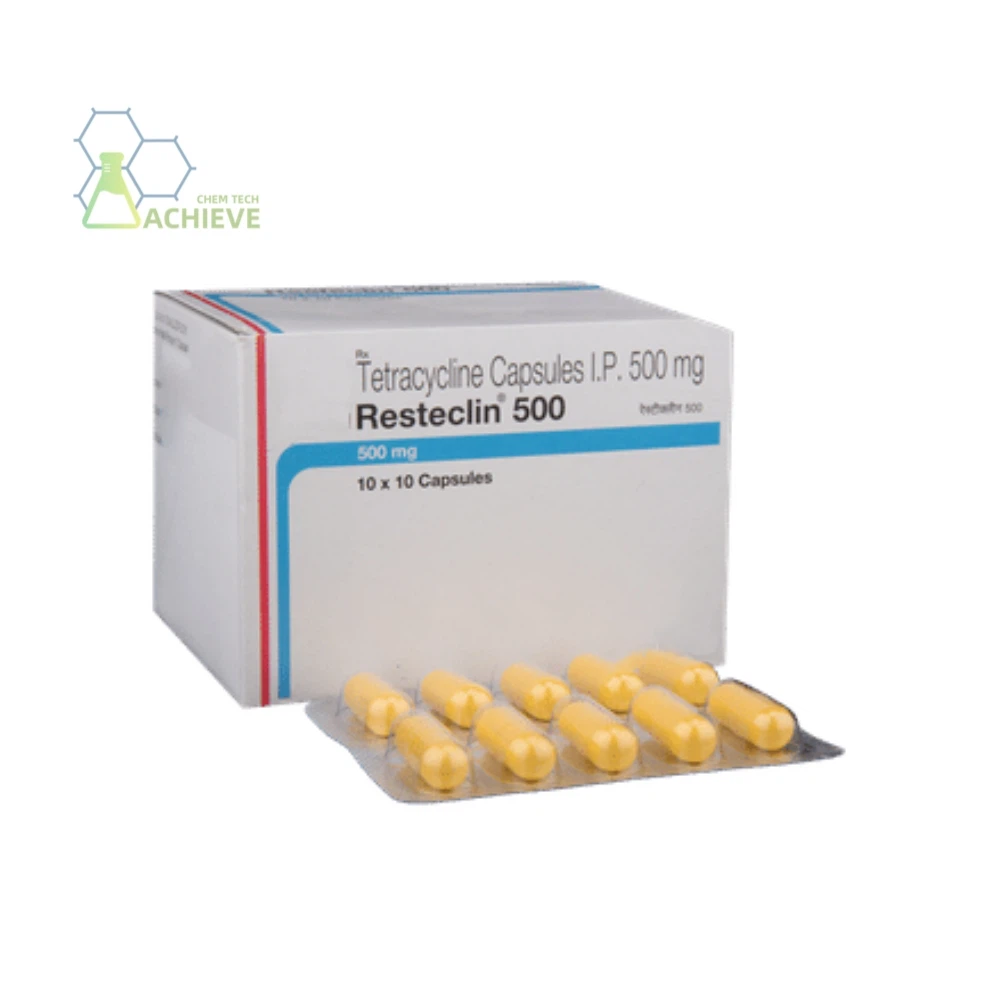


Toltrazuril +. COA
 |
||
Certificate of Analysis |
||
|
Compound name |
Oxytetracycline | |
|
CAS No. |
79-57-2 | |
|
Grade |
Pharmaceutical grade | |
|
Quantity |
Customized | |
|
Packaging standard |
Customized | |
| Manufacturer | Shaanxi BLOOM TECH Co., Ltd | |
|
Lot No. |
20250109001 |
|
|
MFG |
Jan 12th 2025 |
|
|
EXP |
Jan 8th 2029 |
|
|
Structure |
|
|
| TEST STANDARD | GB/T24768-2009 Industry. Stnndard | |
|
Item |
Enterprise standard |
Analysis result |
|
Appearance |
White or almost white powder |
Conformed |
|
Water content |
≤4.5% |
0.30% |
| Loss on drying |
≤1.0% |
0.15% |
|
Heavy Metals |
Pb≤0.5ppm |
N.D. |
|
As≤0.5ppm |
N.D. | |
|
Hg≤0.5ppm |
N.D. | |
|
Cd≤0.5ppm |
N.D. | |
|
Purity (HPLC) |
≥99.0% |
99.5% |
|
Single impurity |
<0.8% |
0.48% |
|
Residue on ignition |
<0.20% |
0.064% |
|
Total microbial count |
≤750cfu/g |
80 |
|
E. Coli |
≤2MPN/g |
N.D. |
|
Salmonella |
N.D. | N.D. |
|
Ethanol (by GC) |
≤5000ppm |
400ppm |
|
Storage |
Store in a sealed, dark and dry place at-20 degrees |
|
|
|
||


Oxytetracycline Tablets, as a representative drug of tetracycline broad-spectrum antibiotics, has clinical applications covering a variety of infectious diseases, especially when pathogens are sensitive to drugs, as an important treatment option. The following systematically summarizes the core indications and clinical application standards from three dimensions: infection type, pathogen characteristics, and medication precautions.
Oxytetracyclin have a clear therapeutic effect on acute infections caused by pathogenic microorganisms of the Rickettsia order, covering the following typical diseases:
Epidemic spotted typhoid fever: transmitted by Streptococcus pneumoniae through body lice, clinically manifested as high fever, headache, rash, and central nervous system symptoms. Oxytetracycline effectively shortens the course of the disease and reduces mortality by inhibiting the 30S subunit of the Rickettsia ribosome, blocking protein synthesis.
Localized spotted typhoid fever: transmitted by rickettsia morganii through mouse fleas, with milder symptoms than epidemic spotted typhoid fever, but oxytetracycline is still the preferred treatment drug, especially suitable for children and elderly patients.
Scrub typhus: transmitted by the oriental body of scrub typhus through the larvae of scrub mites, clinically characterized by scabs, swollen lymph nodes, and rash.


Oxytetracycline can significantly reduce the incidence of complications such as meningitis and myocarditis, and the treatment course should be continued for 3 days after the body temperature returns to normal.
Q fever: transmitted through the respiratory or digestive tract by the Benecoxon body, manifested as acute fever, headache, and pneumonia. The combination of oxytetracycline and doxycycline can improve therapeutic efficacy, especially for pregnant women and immunosuppressed patients.
Rocky Mountain fever: Rickettsia infection transmitted by ticks, clinically characterized by high fever, headache, and rash. Oxytetracycline can prevent serious complications such as disseminated intravascular coagulation through early intervention.
Medication standard: The adult dose is 1.5-2g per day, divided into 3-4 oral doses; Children are calculated based on their body weight of 30-40mg/kg/day. The treatment course usually lasts 7-14 days and needs to be adjusted according to the results of pathogen testing.
Has unique antibacterial activity against atypical pathogens and is suitable for the following infections:
Mycoplasma pneumonia: caused by Mycoplasma pneumoniae, clinically manifested as dry cough, low-grade fever, and extrapulmonary symptoms (such as rash, hemolytic anemia). Oxytetracycline effectively alleviates symptoms and shortens the detoxification period by inhibiting the function of mycoplasma ribosomes.
Mycoplasma genitalium infection: including Mycoplasma genitalium and Mycoplasma hominis infections, can cause non gonococcal urethritis, cervicitis, and pelvic inflammatory disease. The combination of tetracycline and local medication can improve the cure rate, especially for infections caused by drug-resistant strains.
Chlamydia psittaci pneumonia: transmitted through poultry by Chlamydia psittaci, clinically characterized by high fever, headache, and pneumonia.


Oxytetracycline inhibits chlamydial reproduction by penetrating cell membranes and requires combined treatment with glucocorticoids for severe cases.
Trachoma: Caused by Chlamydia trachomatis, local application of oxytetracycline eye ointment can significantly reduce infectivity, but oral formulations are suitable for systemic treatment of combined reproductive tract infections.
Sexually transmitted lymphogranuloma: caused by serotypes L1-L3 of Chlamydia trachomatis, oxytetracycline effectively controls complications such as inguinal lymph node enlargement and rectal stenosis by inhibiting the formation of Chlamydia inclusion bodies.
Medication standard: The dosage for adults is the same as before, and the dosage for children should be adjusted according to age. The treatment should last for 2 weeks after the symptoms disappear to prevent recurrence.
It has inhibitory effects on pathogenic microorganisms of the spirochete family and is suitable for the following emergency infections:
Return fever: transmitted by the return fever spirochete through lice or ticks, clinically characterized by periodic high fever, headache, and hepatosplenomegaly. Oxytetracycline tablets can significantly shorten the fever period and reduce the recurrence rate by killing spirochetes.
Brucellosis: a zoonotic disease caused by Brucella, characterized by long-term fever, excessive sweating, and joint pain. Oxytetracycline should be combined with streptomycin or rifampicin, and the course of treatment should last for more than 6 weeks to prevent chronicity.


Pestis: It is caused by Yersinia pestis, and is characterized by high fever, lymph node enlargement and bleeding tendency. Oxytetracycline combined with aminoglycosides (such as streptomycin) can reduce mortality, especially for pulmonary pestis and septicemic pestis.
Leptospirosis: Caused by Leptospira, oxytetracycline can alleviate symptoms such as muscle pain, jaundice, and kidney damage by inhibiting the movement and reproduction of the spirochetes. However, early application is necessary to prevent serious complications such as pulmonary hemorrhage.
Medication specification: Brucellosis and pestis need to be administered jointly. The adult dose is 2-3g per day, divided into four oral doses. The treatment course needs to be adjusted according to the results of pathogen testing, usually not less than 6 weeks.
Also applicable to the following special infection scenarios:
Cholera: Caused by Vibrio cholerae, oxytetracycline can shorten the duration of diarrhea and reduce the risk of dehydration by inhibiting the secretion of Vibrio cholerae enterotoxin, especially suitable for mild to moderate cases.
Rabbit fever: caused by the bacterium Tula Francisella, clinically characterized by high fever, lymphadenopathy, and ulcers. Oxytetracycline can effectively control the spread of infection by inhibiting bacterial ribosome function.
Soft chancre: caused by Haemophilus influenzae, oxytetracycline promotes ulcer healing by killing bacteria, but requires combined local treatment to prevent scar formation.
Meningitis: For meningitis caused by mycoplasma, chlamydia, and spirochetes, oxytetracycline can penetrate the blood-brain barrier (although at a low concentration), but it needs to be combined with intrathecal injection or high-dose oral administration to enhance efficacy.
Medication specifications: The adult dose for cholera and tularemia is 1.5-2g per day, divided into 3-4 oral doses; Soft chancre requires combined local medication, and the treatment course lasts for one week after ulcer healing.

Response strategies and combination therapy for drug-resistant bacterial infections
With the widespread spread of drug-resistant strains, the application of

oxytetracyclin should follow the following principles:
Guidance for drug susceptibility testing: Pathogen testing and drug susceptibility testing should be conducted before treatment, and only sensitive strains (such as MIC ≤ 4 μ g/mL) should be treated with tetracycline.
Combination therapy plan:
Brucellosis: Combination of tetracycline and streptomycin (1g/day, intramuscular injection) or rifampicin (600-900mg/day, oral administration).
Pestis: Oxytetracycline combined with streptomycin (1g/day, intramuscular injection) or gentamicin (160mg/day, intravenous drip).
Drug resistant Mycoplasma pneumonia: Combination of oxytetracycline and moxifloxacin (400mg/day, oral) or levofloxacin (500mg/day, oral).
Course optimization: adjust the course of treatment according to the infection site and severity. For example, brucellosis needs to be extended to more than 6 weeks, and pestis needs to continue to 10 days after normal temperature.

Oxytetracyclin, as a classic tetracycline antibiotic, have indications covering rickettsia, mycoplasma/chlamydia infections, spirochetes infections, and special infection scenarios. In the context of the widespread spread of drug-resistant strains, it is necessary to strictly follow the guidance of drug susceptibility testing, the principle of combination therapy, and individualized dose adjustment to maximize treatment efficacy and reduce the risk of adverse reactions. In the future, with the development of new formulations (such as nanocrystal technology) and combination therapy strategies, the value of oxytetracycline tablets in anti infective treatment will be further expanded.
Special situation medication management
1. Infection caused by drug-resistant bacteria
Due to the widespread presence of drug-resistant strains such as Staphylococcus aureus (MRSA detection rate of 75% -85%) and Escherichia coli (ESBLs detection rate of 50% -60%), it is recommended to:
Conduct drug susceptibility testing (CLSI standard) only for sensitive strains (MIC ≤ 4 μ g/mL).
Combined medication: Brucellosis/pestis needs to be combined with aminoglycosides (such as streptomycin 1g/d), cholera can be combined with doxycycline (300mg single dose).
2. Liver and kidney dysfunction
Liver dysfunction: Child Pugh grade A does not require dose adjustment, grade B is reduced by 25%, and grade C is contraindicated.
Renal insufficiency:
Creatinine clearance rate 30-50mL/min: 0.25g each time, once every 12 hours.
Creatinine clearance rate 10-30mL/min: 0.25g each time, once every 24 hours. Hemodialysis patients: 0.25g each time, supplemented with 50% dose after dialysis.
3. Perioperative prevention
Only for high-risk surgeries with specific infections (such as sheep slaughter surgery in brucellosis epidemic areas), 0.5g should be taken orally 0.5-1 hour before surgery, 0.25g every 6 hours after surgery, and the course of treatment should not exceed 72 hours.
Hot Tags: oxytetracycline tablets, suppliers, manufacturers, factory, wholesale, buy, price, bulk, for sale