




Shaanxi BLOOM Tech Co., Ltd. is one of the most experienced manufacturers and suppliers of 4,5-dimethylthiazole cas 3581-91-7 in China. Welcome to wholesale bulk high quality 4,5-dimethylthiazole cas 3581-91-7 for sale here from our factory. Good service and reasonable price are available.
4,5-Dimethylthiazole is an organic compound, colorless to light yellow liquid, molecular formula C5H7NS, soluble in water, ethanol, ether, benzene and other organic solvents, insoluble in petroleum ether. As chemical reagents and reaction intermediates, it has a wide range of applications in organic synthesis reactions. It has broad application prospects in the fields of food, medicine, agriculture and chemistry.

|
Chemical Formula |
C12H10O4S |
|
Exact Mass |
250 |
|
Molecular Weight |
250 |
|
m/z |
250 (100.0%), 251 (13.0%), 252 (4.5%) |
|
Elemental Analysis |
C, 57.59; H, 4.03; O, 25.57; S, 12.81 |


4,5-dimethylthiazole is an organic compound containing a thiazole ring structure, which is formed by embedding one sulfur atom and one nitrogen atom into a five membered carbon ring. It has unique chemical properties and biological activity. This unique structure enables it to demonstrate significant application value in numerous fields.
The product and its derivatives have antibacterial activity, and their mechanism of action mainly involves interference with bacterial cell structure and function. On the one hand, it can destroy the cell membrane structure of bacteria, increase the permeability of the cell membrane, and cause the leakage of substances inside the cell, thereby affecting the normal physiological functions of bacteria.


On the other hand, it may interfere with the protein synthesis process of bacteria. The thiazole ring structure can bind to bacterial ribosomes, prevent the correct binding of mRNA to ribosomes, or affect the extension and termination of peptide chains, thereby inhibiting bacterial protein synthesis and achieving the goal of inhibiting bacterial growth and reproduction.
In the development of antibacterial drugs, many compounds with it as the parent nucleus structure have been synthesized and tested for antibacterial activity. For example, certain derivatives exhibit strong inhibitory effects on common pathogens such as Staphylococcus aureus and Escherichia coli. By modifying and optimizing its structure, it is possible to further enhance its antibacterial activity and selectivity, reduce its toxic side effects on the human body, and develop new and efficient antibacterial drugs to address the increasingly serious problem of bacterial resistance.


The product also has certain potential in anti-tumor effects. Its anti-tumor mechanism may be related to inducing apoptosis of tumor cells. This compound can activate apoptosis signaling pathways within tumor cells, such as mitochondrial apoptosis pathway and death receptor apoptosis pathway. It can promote a decrease in mitochondrial membrane potential, release apoptosis related factors such as cytochrome C, activate caspase family proteins, and ultimately lead to tumor cell apoptosis.
In addition, it may also inhibit the proliferation and metastasis of tumor cells, by interfering with the cell cycle progression of tumor cells and causing them to stagnate at specific cell cycle stages, thereby suppressing the unlimited proliferation of tumor cells. In addition to its antibacterial and anti-tumor effects, 4,5-dimethylthiazole may also play a role in the development of anti-inflammatory and analgesic drugs.


Its anti-inflammatory mechanism may be related to the inhibition of the release of inflammatory mediators, by regulating the inflammatory signaling pathway in the body and reducing the production of inflammatory factors such as prostaglandins and interleukins, thereby alleviating the inflammatory response. In terms of analgesia, it may inhibit the transmission of pain signals by acting on pain signaling pathways in the central or peripheral nervous system, achieving analgesic effects. However, research in these areas is relatively scarce and requires further in-depth exploration.
The principle of action of it and its derivatives as insecticides is mainly to interfere with the nervous system function of insects. It can act on neurotransmitter receptors in insects, such as acetylcholine receptors, gamma aminobutyric acid receptors, etc., affecting the normal transmission of neural signals. For example, after binding to acetylcholine receptors, it may block the normal binding of acetylcholine to receptors, leading to obstruction of nerve impulse transmission and causing symptoms such as paralysis and convulsions in insects, ultimately resulting in death.


In addition, it may also affect the growth and development process of insects, disrupt their hormone balance, and inhibit processes such as molting and metamorphosis. In practical applications, some insecticides containing it structures have good control effects on various agricultural pests. For example, it exhibits high insecticidal activity against common pests such as aphids and cabbage caterpillars. Compared with traditional insecticides, some new derivatives have better selectivity and environmental friendliness, lower toxicity to non target organisms, and reduce pollution to the ecological environment.
The bactericidal mechanism of it fungicides mainly involves the destruction of fungal cell structure and metabolic processes. It can disrupt the cell wall synthesis of fungi, affecting the integrity and stability of the cell wall, making fungal cells vulnerable to damage from the external environment. At the same time, it may also interfere with the cell membrane function of fungi, alter the permeability of the cell membrane, lead to the outflow of substances from the cell, and affect the normal physiological metabolism of fungi.


In addition, such compounds may also inhibit fungal respiration and energy metabolism processes, blocking fungal growth and reproduction. In agricultural production, it fungicides are used to prevent and control various plant fungal diseases. For example, it has significant control effects on wheat powdery mildew, rice blast disease, etc. By using this type of fungicide reasonably, the spread and propagation of diseases can be effectively controlled, and the yield and quality of crops can be improved.
4,5-dimethylthiazole has unique optoelectronic properties, and its thiazole ring structure can absorb light of specific wavelengths, generate electronic transitions, and exhibit certain fluorescence and phosphorescence properties. At the same time, the compound also has good electron transfer properties and can effectively transfer electrons under the action of an electric field. These optoelectronic properties make it have potential application value in the field of organic optoelectronic materials.


In the development of organic light-emitting diodes (OLEDs), it and its derivatives can be used as luminescent layer materials or electron transport layer materials. By designing and synthesizing derivatives with specific structures, the emission color and efficiency can be adjusted to improve the performance of OLED devices. In addition, in organic solar cells, it may also serve as an electron acceptor material or interface modification material to improve the photoelectric conversion efficiency of the cell.
The product can be used as a ligand to construct metal organic framework materials. The nitrogen and sulfur atoms on its thiazole ring can form stable coordination bonds with metal ions, thereby connecting them to form MOFs with specific pore and topological structures. This unique structure gives MOFs advantages such as high specific surface area and good pore adjustability.


MOFs constructed based on it have broad application prospects in gas storage, separation, catalysis, and other fields. For example, in terms of gas storage, it can be used to store clean energy gases such as hydrogen and methane; In the field of separation, selective separation of gases such as carbon dioxide and nitrogen can be achieved.
In terms of catalysis, it can be used as a catalyst or catalyst carrier for various organic chemical reactions and environmental pollution control reactions. Adding it as an additive to polymer materials can improve their properties. It can interact with polymer chains, such as hydrogen bonding, van der Waals forces, etc., thereby changing the arrangement and motion state of polymer chains. This interaction can improve the thermal stability, mechanical properties, and oxidation resistance of polymer materials.


There are usually many methods for the synthesis of it, one of which is commonly used to synthesize ethyl methyl isothiocyanate and acetylacetone through multi-step reactions.
Following is the concrete synthetic route of this method:
1. Condensation reaction of ethyl methyl isothiocyanate and acetylacetone in acetic acid to obtain 1-(2-methylacetonyl)-4-methylthiazole.
2. Carry out N-methylation reaction of compound 1 with methyl bromide under basic conditions to obtain 1-(2-methylacetonyl)-4-methyl-N-methylthiazole.
3. Reduction of compound 2 with acetone under the catalysis of hydrogen to obtain the product.
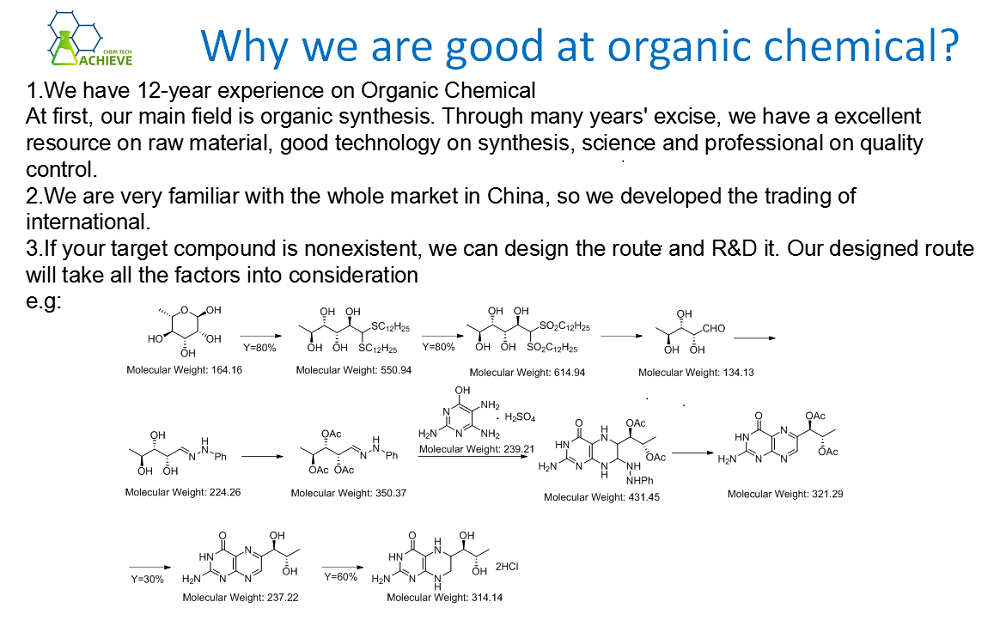
The laboratory synthesis route and a commonly used synthesis method of it are introduced below.
There are two main laboratory synthesis methods for product: through the reaction of thiazole aldehyde and formaldehyde, or through the reaction of phenylacetic acid and hydrogen sulfide.
Method: Through the reaction of thiazole aldehyde and formaldehyde:
1. Thiazole aldehyde and formaldehyde undergo condensation, oxidation and acidolysis reactions to obtain it.
2. Add thiazole aldehyde and formaldehyde into the reaction flask, add a certain amount of acetic acid catalyst, and stir evenly with a stirrer.
3. Put the reaction bottle in a water bath and heat it to 70-80°C for 4-6 hours.
4. Take out the reaction bottle, cool the reaction solution to room temperature, then add glacial acetic acid to cool the reaction solution until precipitation appears.
5. The precipitate was obtained by filtration, washed with water, and then dissolved in ethanol.
6. Add active carbon, filter and remove the solvent with a rotary evaporator to obtain it.

4,5-Dimethylthiazole has the following chemical properties:
1. Electrophilicity: The double bond in it has certain electrophilicity, and it is easy to undergo addition reaction with electrophilic reagents such as halogens.
2. Basicity: The N atom on the heterocycle in it has a certain basicity and can react with acid to form a salt.

The product has the following reactivity properties:
1. Electrophilic addition reaction: The double bond in it can undergo addition reaction with electrophilic reagents such as bromine and chlorine.
2. Oxidation reaction: Under the action of oxygen or oxidant, it can be oxidized to the corresponding ketone or aldehyde compound.
3. Base-catalyzed reaction: Under alkaline conditions, it can undergo addition reaction to generate compounds with various functional groups.
4. Nucleophilic substitution reaction: The N atom on the heterocycle in it can undergo a substitution reaction with nucleophilic reagents such as sodium sulfate and ammonia hydrate.
5. Alkylation reaction: it can undergo alkylation reaction with alkyl halides under alkaline conditions.
In conclusion, it has certain reactivity and can undergo various reactions under different reaction conditions, which provides the possibility of its application in the synthesis of organic compounds.

Early Synthetic Exploration: Late 19th to Early 20th Century
The discovery of it originated from early studies in heterocyclic chemistry. In 1893, the Italian chemist Miolati published research on the synthesis of thiazole derivatives in Gazzetta Chimica Italiana, in which he attempted to construct a dimethyl-substituted thiazole skeleton for the first time, but did not successfully isolate pure it. In 1910, the German chemist Gabriel and his collaborators optimized the thiazole cyclization pathway and initially obtained a mixture containing the target compound via the condensation of α‑haloketones with thioamides. However, limited by purification technologies at the time, its structure was not accurately characterized.
First Successful Synthesis and Characterization (1941)
In 1941, a study published in The Journal of Organic Chemistry described the first efficient synthesis of pure it using α‑bromoethyl methyl ketone and thioformamide as starting materials via the Hantzsch thiazole synthesis. Its molecular formula (C₅H₇NS) and structure were precisely determined by boiling point, refractive index, and elemental analysis. The compound was identified as a colorless to pale yellow liquid with a nutty and roasted meat aroma, laying the foundation for its subsequent applications.

Industrialization and Application Expansion (Mid-to-Late 20th Century)
In 1961, the Asinger team improved the synthetic process through sulfur-oxidative dehydrogenation of 4,5-dimethyl-2,5-dihydrothiazole, which increased yield and purity and promoted its large-scale production. In the 1970s, its unique flavor properties were recognized in the food flavor industry, leading to its registration as FEMA 3274 and widespread use in the formulation of nut and meat flavorings. During the same period, it became a key intermediate in the pharmaceutical industry for constructing thiazole pharmacophores in antibacterial and antifungal drugs, gradually establishing itself as an important compound in heterocyclic chemistry and fine chemical engineering.
Hot Tags: 4,5-dimethylthiazole cas 3581-91-7, suppliers, manufacturers, factory, wholesale, buy, price, bulk, for sale, L Carnitine Fumarate Powder, Sodium Polyacrylate Solution CAS 9003 04 7, Sorbic Acid Powder CAS 110 44 1, Hinokitiol powder, Alpha Amylase Powder CAS 9000 90 2, Natural Phytol