


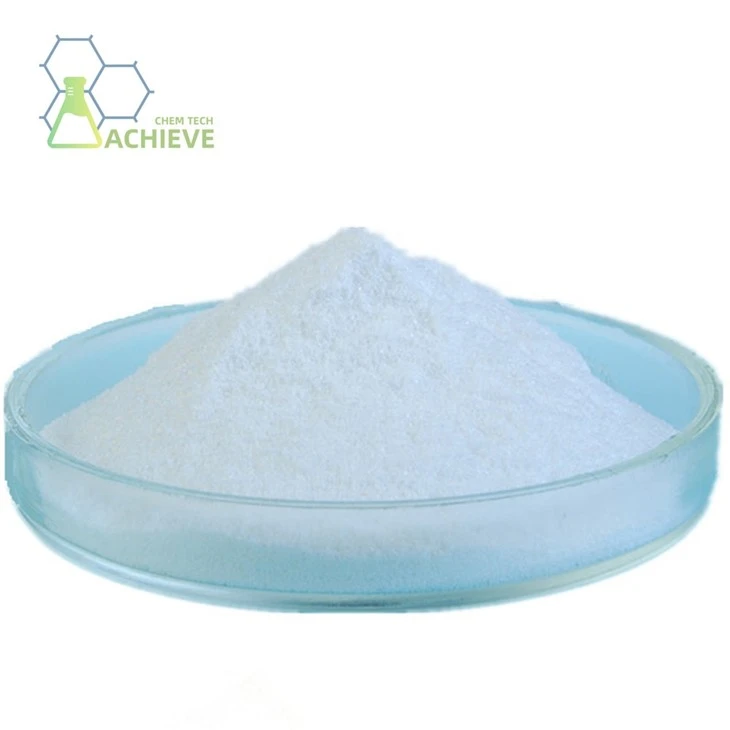




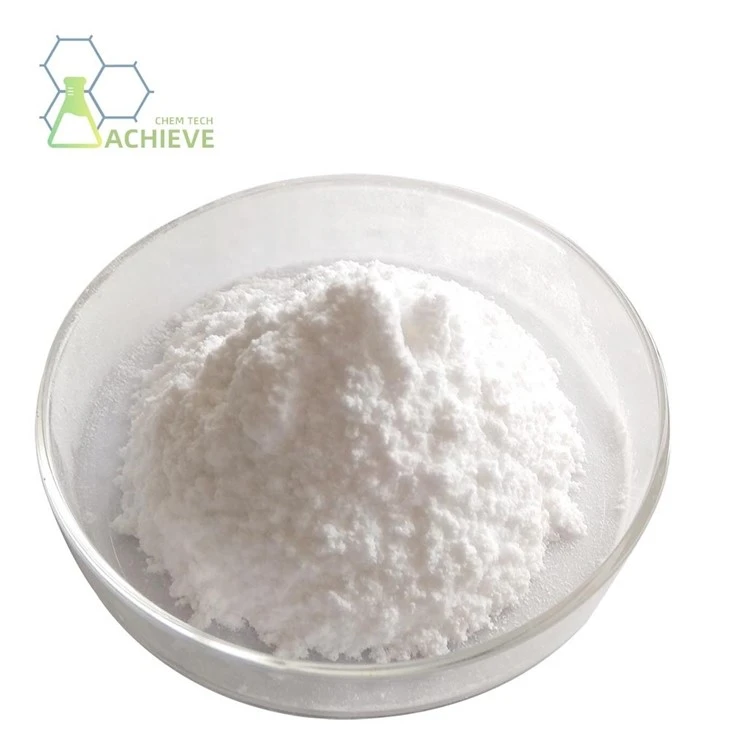
Shaanxi BLOOM Tech Co., Ltd. is one of the most experienced manufacturers and suppliers of carbidopa powder cas 38821-49-7 in China. Welcome to wholesale bulk high quality carbidopa powder cas 38821-49-7 for sale here from our factory. Good service and reasonable price are available.
Carbidopa Powder, also known as carbidopa or L - α - hydrazino - α - methyl - β - (3,4-dihydroxyphenyl) propionic acid monohydrate. The appearance is a white or off white crystalline powder, slightly soluble in water and easily soluble in dimethyl sulfoxide (DMSO) and methanol. It needs to be stored at low temperatures (such as -20 ℃) to avoid light and humid environments. Mainly used as an inhibitor of aromatic amino acid decarboxylase, it is often combined with levodopa (L-DOPA) to treat Parkinson's disease and related motor disorders. Kabidopa inhibits aromatic L-amino acid decarboxylase (DDC), preventing the conversion of levodopa to dopamine in peripheral tissues such as the liver and intestines, thereby reducing peripheral side effects such as nausea, vomiting, and arrhythmia. Enable more levodopa to enter the central nervous system through the blood-brain barrier and convert into dopamine, effectively alleviating symptoms of Parkinson's disease such as tremors, muscle rigidity, and bradykinesia When used in combination with levodopa, carbidopa can reduce the dosage of levodopa, prolong its half-life (from 50 minutes to 1.5 hours), reduce "end of dose phenomenon" and motor complications such as dyskinesia.

|
|
|

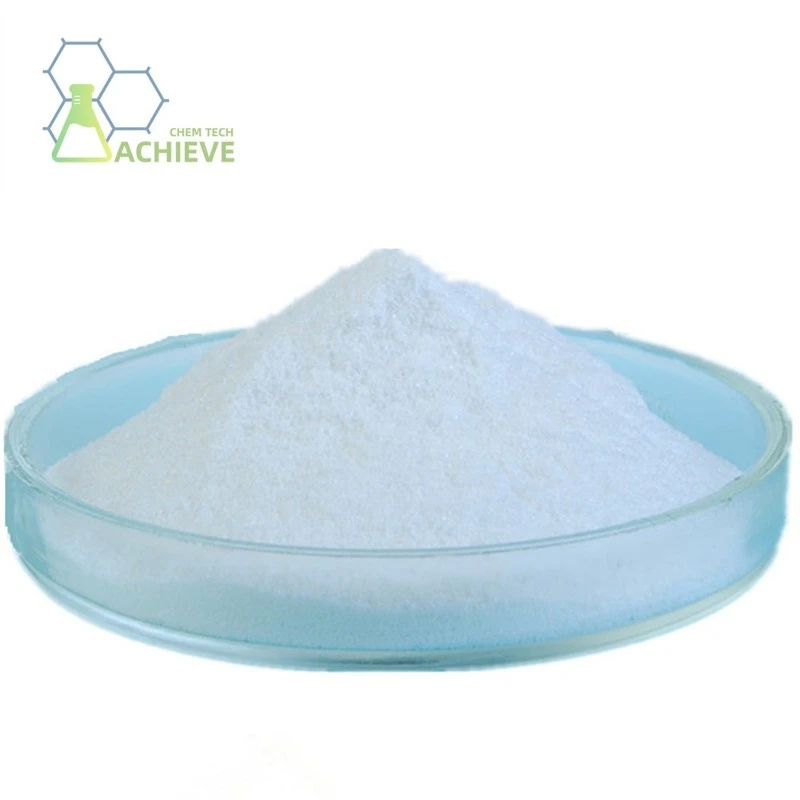

The core application of Carbidopa Powder is focused on the treatment of Parkinson's disease and related movement disorders. By inhibiting peripheral decarboxylase activity and optimizing the brain utilization efficiency of levodopa, it has become an indispensable adjuvant drug in the treatment of Parkinson's disease.
The core use of Carbidopa is in combination with levodopa for the treatment of Parkinson's disease (PD) and related movement disorders. Parkinson's disease is a neurodegenerative disease characterized by degeneration of dopaminergic neurons in the substantia nigra. Patients experience typical symptoms such as tremors, muscle rigidity, and bradykinesia due to a significant decrease in dopamine levels in the brain. As a precursor of dopamine, levodopa can penetrate the blood-brain barrier and enter the central nervous system, where it is converted into dopamine to supplement the deficiency. However, levodopa is easily metabolized into dopamine by aromatic L-amino acid decarboxylase (AADC) in peripheral tissues, leading to a decrease in effective dose entering the brain and causing peripheral side effects such as nausea, vomiting, and hypotension.
Carbidopa, as a peripheral type AADC inhibitor, irreversibly binds to peripheral AADC to block the metabolism of levodopa in the periphery, allowing more levodopa to enter the central nervous system and be converted into dopamine. This mechanism significantly improves the brain utilization rate of levodopa and reduces peripheral side effects, becoming the theoretical basis for the "levodopa carbidopa combination therapy" in the treatment of Parkinson's disease.
Mechanism of action: Optimize drug metabolism and improve treatment efficiency

The mechanism of action of Carbidopa can be summarized into the following three points:
Peripheral Decarboxylase Inhibition: Carbidopa has a similar molecular structure to levodopa and can competitively bind to the active site of peripheral AADC, inhibiting its conversion of levodopa to dopamine. Due to the inability of carbidopa to penetrate the blood-brain barrier, its inhibitory effect is limited to peripheral tissues and does not affect the metabolism of levodopa in the central nervous system.
Reduce peripheral side effects: Dopamine produced by peripheral metabolism of levodopa can stimulate dopamine receptors in the gastrointestinal tract, causing nausea and vomiting; Simultaneously activating dopamine receptors in blood vessels leads to hypotension. Kabidopa significantly reduced the incidence of these side effects by reducing peripheral dopamine production.
Increasing the concentration of levodopa in the brain: Clinical studies have shown that the combined use of carbidopa can increase the dose of levodopa entering the brain by about 5-10 times, thereby more effectively alleviating symptoms of Parkinson's disease and reducing the daily dose requirement of levodopa.
The indications for Carbidopa are not limited to primary Parkinson's disease, but also include the following secondary Parkinson's syndromes:
Vascular Parkinson's syndrome: Parkinson's like symptoms caused by cerebrovascular disease (such as multiple cerebral infarction), and the combination of carbidopa and levodopa can improve symptoms such as bradykinesia and muscle rigidity.
Drug induced Parkinson's syndrome: Parkinson's like symptoms caused by long-term use of antipsychotic drugs (such as haloperidol), dopamine receptor blockers (such as metoclopramide), or calcium channel blockers (such as flunarizine) can be partially relieved by the combination of carbidopa and levodopa, but the pathogenic drugs need to be gradually discontinued.
Toxic Parkinson's syndrome: basal ganglia damage caused by carbon monoxide poisoning or manganese poisoning. Kabidopa combined with levodopa can improve motor function, but the efficacy varies depending on the degree of poisoning.
Parkinson's superposition syndrome: such as multiple system atrophy (MSA), progressive supranuclear palsy (PSP), etc. Kabidopa combined with levodopa has short-term symptom improvement effects on some patients, but long-term efficacy is limited.

Innovative administration methods: from oral to inhalation, meeting diverse needs

Traditional Carbidopa is mainly administered orally and formulated as a compound with levodopa. In recent years, inhaled carbidopa levodopa compound powder has been developed and approved for marketing in response to the sudden symptoms of Parkinson's disease during the "off stage" (period of reduced drug efficacy).
Oral administration: Suitable for long-term maintenance treatment, sustained-release formulations can prolong the drug's action time and reduce the "end of dose phenomenon" (the drug efficacy decreases before the next administration).
Inhalation administration: In response to the rapid relief of "off period" symptoms, inhaled carbidopa levodopa powder is absorbed through the lungs, bypassing gastrointestinal metabolism, allowing levodopa to reach peak blood concentration within 10 minutes, significantly shortening the onset time (traditional oral administration takes 30-60 minutes).
Other administration methods: New formulations such as transdermal patches and nasal sprays under study aim to further improve drug bioavailability, reduce administration frequency, and enhance patient compliance.
Research progress: from adjuvant drugs to potential therapeutic targets
In addition to the treatment of Parkinson's disease, Carbidopa Powder has shown research potential in the following areas:
Regulation of 5-hydroxytryptophan (5-HTP) metabolism
Carbidopa can inhibit the decarboxylation reaction of 5-HTP in the periphery, reduce serotonin production, and thus reduce the gastrointestinal side effects (such as nausea) caused by 5-HTP. The combination of 5-HTP and carbidopa is used to treat depression, fibromyalgia, etc., but caution should be exercised regarding the risk of serotonin syndrome.
Aromatic hydrocarbon receptor (AhR) regulation
Carbidopa, as a selective AhR modulator, may affect neuroinflammation, oxidative stress, and other processes by regulating the AhR signaling pathway, providing new therapeutic strategies for Parkinson's disease and other neurodegenerative diseases.
Gene therapy assisted
In clinical trials of gene therapy for Parkinson's disease, carbidopa was used to reduce peripheral dopamine production, avoid non-specific expression of gene therapy vectors in peripheral tissues, and improve treatment safety.
Precautions in clinical application
Contraindications
It is contraindicated for individuals allergic to carbidopa or levodopa, patients with narrow angle glaucoma, and those with a history of severe mental illness.
Side effect management
Common side effects include movement disorders (such as dyskinesia), nausea, insomnia, hallucinations, etc. The dosage should be adjusted according to the patient's response, or a combination of dopamine receptor agonists, MAO-B inhibitors, etc. should be used.
Drug interactions
Carbidopa can enhance the antihypertensive effect of monoamine oxidase inhibitors (MAOIs), and should be avoided in combination; Combined use with vitamin B6 (pyridoxine) can weaken the efficacy of levodopa, as vitamin B6 can promote peripheral levodopa decarboxylation.
Long term treatment challenges
Long term use of carbidopa levodopa may lead to reduced efficacy (such as "dose end phenomenon" and "on-off phenomenon"), motor complications (such as dyskinesia), and non motor symptoms (such as cognitive impairment and psychiatric symptoms), requiring regular evaluation of treatment plans.
adverse reaction
Carbidopa Powder, as a key adjuvant drug in the treatment of Parkinson's disease, has adverse reactions involving multiple systems, ranging from common to severe, and from short-term to long-term.
Common adverse reactions: mainly gastrointestinal and neurological symptoms
Gastrointestinal reactions
Nausea and vomiting: Carbidopa inhibits peripheral levodopa metabolism and reduces dopamine production in peripheral tissues, but some patients may still experience nausea and vomiting due to stimulation of gastrointestinal dopamine receptors. Research shows that about 30% -50% of Parkinson's disease patients experience such symptoms during the initial use of carbidopa levodopa, which usually gradually alleviate with prolonged medication.
Dry mouth and constipation: Dopamine receptor stimulation may reduce saliva secretion, leading to dry mouth; Meanwhile, slow gastrointestinal motility may lead to constipation, especially in elderly patients.
Abdominal discomfort: Some patients report upper abdominal pain, bloating, or indigestion, which may be related to direct stimulation of the gastrointestinal mucosa by medication.
Neurological symptoms
Movement disorders (dyskinesia): Long term use of carbidopa levodopa may lead to involuntary movements such as dance like movements, muscle tone disorders, or worsening tremors. Research shows that about 40% of patients experience dyskinesia after 5 years of medication, which is related to the dosage of levodopa, duration of medication, and disease progression.
Dizziness and vertigo: Hypotension (especially orthostatic hypotension) or indirect effects of medication on the vestibular system may lead to dizziness, especially in elderly patients or during dose adjustment periods.
Sleep disorders: including insomnia, excessive dreaming, or daytime sleepiness (such as "sleep attacks"), may be related to the sustained stimulation of dopamine receptors by drugs.
Psychiatric symptoms
Anxiety and depression: Some patients may experience low mood, anxiety, or decreased interest, which may be related to the disease itself or the impact of medication on the central nervous system.
Illusions and delusions: About 10% -20% of patients experience visual or auditory hallucinations, even delusions, when using high-dose carbidopa levodopa, which need to be distinguished from cognitive impairment caused by disease progression.
Hot Tags: carbidopa powder cas 38821-49-7, suppliers, manufacturers, factory, wholesale, buy, price, bulk, for sale, procaine powder, 1,3-Dimethylpentylamine, Orlistat Powder CAS 96829 58 2, 4 BROMO 1 BUTYNE CAS 38771 21 0, Meglumine powder, Daidzin