




Shaanxi BLOOM Tech Co., Ltd. is one of the most experienced manufacturers and suppliers of orphenadrine hydrochloride cas 341-69-5 in China. Welcome to wholesale bulk high quality orphenadrine hydrochloride cas 341-69-5 for sale here from our factory. Good service and reasonable price are available.
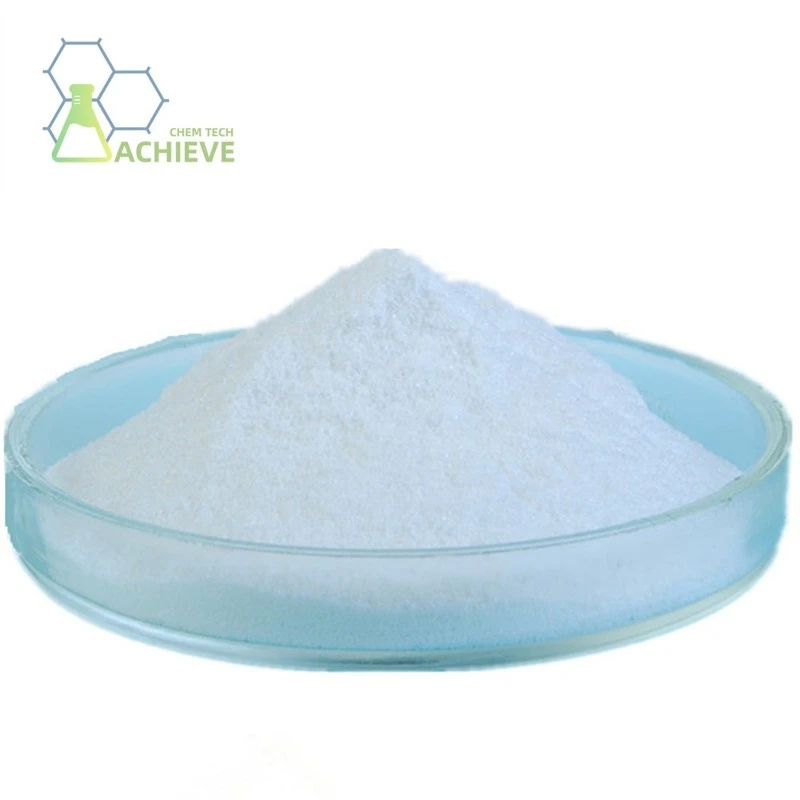
Orphenadrine hydrochloride (Mebedrol) is an oral central skeletal muscle relaxant with multiple pharmacological effects, including acting as a non competitive NMDA receptor antagonist, H1 receptor antagonist, and non selective muscarinic receptor (mAChR) antagonist. The appearance is usually white or off white crystalline powder, odorless, bitter and numb in taste, easily soluble in water and ethanol (96%), with high solubility in water, convenient for formulation, sensitive to light and air, and needs to be stored away from light; Incompatible with strong oxidants, avoid mixing and store at 2-8 ℃ to maintain stability.
This substance reduces muscle spasms and pain signal transmission by affecting the motor center or medulla oblongata of the brain, thereby relieving muscle tension.The characteristic is that it does not have a direct relaxation effect on skeletal muscles, but is regulated by the central nervous system. Inhibition of glutamate mediated excitatory nerve conduction by non competitive antagonism of N-methyl-D-aspartate (NMDA) receptors. May assist in relieving pain or spasm related symptoms by reducing neuroinflammation and excitotoxicity. It is also possible to alleviate symptoms such as itching and redness caused by allergic reactions by blocking the histamine H1 receptor.

|
|
|


Orphenadrine hydrochloride is clinically classified as a central skeletal muscle relaxant, and its mechanism of action is usually roughly attributed to its anticholinergic properties. However, this label seriously obscures its unique scientific value as a multi-target neurochemical probe.
Clinical indications
Acute musculoskeletal injury
Indications: Acute soft tissue injuries such as muscle strains, ligament sprains, contusions, etc
Mechanism of action: Relieve muscle spasms and alleviate secondary damage caused by spasms through central relaxation
Clinical evidence: Randomized controlled trials have shown that combined physical therapy can reduce patients' pain scores by 40% and shorten functional recovery time by 30%


Medication plan:
Oral: 100mg sustained-release tablets, twice daily (once in the morning and once in the evening)
Injection: 60mg intramuscular or intravenous, once every 12 hours (acute phase)
Chronic musculoskeletal disorders
Indications: cervical spondylosis, lumbar disc herniation, fibromyalgia syndrome, etc
Mechanism of action: Relieve persistent spasms of myofascial pain trigger points (MTrPs)
Combination therapy: often used in combination with NSAIDs (such as ibuprofen) and physical therapy (ultrasound, hyperthermia), with an effective rate of 65-75%
Medication plan: Take 50mg regular tablets orally, 3 times a day (after meals)
Parkinson's disease tremor
Mechanism of action:
Central relaxation effect alleviates muscle rigidity
Peripheral anticholinergic effect reduces resting tremor
Clinical status: second-line therapeutic drug, suitable for patients with reduced efficacy of levodopa or tolerance to anticholinergic side effects
Medication plan: Take 50mg orally, 3 times a day (cognitive function needs to be monitored)


Neuroprotection and chronic pain
Research progress: Animal experiments have shown that mebedrol can reduce glutamate induced neuronal apoptosis and has neuroprotective effects on Alzheimer's disease models
Clinical exploration: small-scale clinical trials have proved that it has certain efficacy in treating pain of diabetes peripheral neuropathy (NPS score reduced by 25%

mebedrol's' chemical network reset 'effect on direct pathways
The direct pathway enhances the excitability of cortical motor areas and promotes goal-directed movement through the loop of "cerebral cortex → striatum (D1 receptor) → GPi/SNr → thalamus → cerebral cortex". In Parkinson's disease, degeneration of dopaminergic neurons in the substantia nigra leads to reduced activation of the D1 receptor, inhibition of the direct pathway, and difficulty in initiating movement.

Regulatory mechanism of mebedrol

NMDA receptor antagonism: striatal interneurons (such as fast firing interneurons, FSIs) regulate the activity of MSNs (intermediate spiny neurons) through the release of GABA. Orphenadrine hydrochloride indirectly enhances the excitability of D1 MSNs by inhibiting the NMDA receptors of FSIs, reducing GABA release, and partially compensating for the direct pathway inhibition caused by dopamine deficiency.
MAChR antagonism: Cholinergic interneurons (CINs) activate M1 receptors by releasing acetylcholine, inhibiting D1 MSNs activity.
Mebedrol blocks M1 receptors, relieves the inhibition of direct pathways by CINs, and further enhances motor activation ability.
H1 receptor antagonism: The histaminergic system regulates striatal neuronal excitability through H1 receptors. Mebedrol blocks H1 receptors, reduces local inflammation in the striatum, improves neuronal microenvironment, and indirectly supports direct pathway functional recovery.

Clinical Evidence and Animal Experiments

Parkinson's disease model: In the 6-OHDA injury rat model, mebedrol (10 mg/kg, ip) significantly improved motor delay, with efficacy comparable to levodopa (10 mg/kg, ip), but with a lower incidence of dyskinesia. Immunofluorescence staining showed that the expression of D1 receptors in the striatum was upregulated and the activity of GABAergic interneurons was reduced in the mebedrol treatment group.
Primate study: In MPTP induced macaque Parkinson's disease model, mebedrol (5 mg/kg, im) combined with low-dose levodopa (2 mg/kg) can reduce the "on-off" phenomenon and prolong the improvement time of exercise, suggesting that it optimizes the treatment window by regulating the stability of the direct pathway.

mebedrol's' chemical network reset 'effect on indirect pathways

Physiological functions and pathological changes of indirect pathways
The indirect pathway inhibits cortical motor activity and suppresses unwanted movements through the loop of "cerebral cortex → striatum (D2 receptor) → GPe → STN → GPi/SNr → thalamus → cerebral cortex". In Parkinson's disease, excessive activation of D2 receptors leads to hyperactivity of indirect pathways and increased motor inhibition.
Regulation mechanism of mebedrol
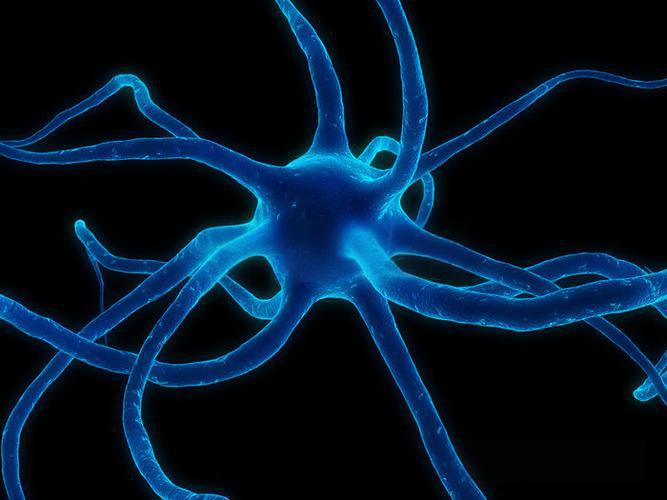
NMDA receptor antagonism: STN is a key glutamatergic nucleus in the indirect pathway, and its overactivation is an important cause of motor symptoms in Parkinson's disease.
Mebedrol alleviates motor inhibition by inhibiting NMDA receptors in STN neurons, reducing glutamatergic output, and decreasing GPi activity.MAChR antagonism: There is a large amount of cholinergic projection in GPe, and mebedrol blocks M2/M4 receptors, reducing spontaneous inhibition of GABAergic interneurons, enhancing GPe's inhibitory effect on STN, and further reducing indirect pathway activity.
Regulation mechanism of Orphenadrine
H1 receptor antagonism: The histaminergic system regulates the excitability of STN neurons through H3 receptors.

Mebedrol indirectly affects H3 receptor function (through compensatory effects induced by H1 receptor blockade), optimizing STN neuronal activity patterns.
Clinical Evidence and Animal Experiments
STN high-frequency stimulation (DBS) model: In Parkinson's disease patients, mebedrol (50 mg, oral) can enhance the efficacy of STN-DBS, reduce the need for stimulation intensity, and suggest that it simulates the "network reset" effect of DBS through chemical means.
Mouse model: In the Haloperidol induced muscle stiffness model, mebedrol (20 mg/kg, ip) significantly reduced muscle tone, and its mechanism was associated with downregulation of c-Fos expression in STN neurons and enhanced GPe-STN projection.
Regulation of mebedrol on the Integration Function of the Basal Ganglion Loop
Dynamic balance of direct indirect pathways
The pathological core of Parkinson's disease is the imbalance between direct pathway inhibition and indirect pathway hyperactivity. Mebedrol is achieved through:
Upregulation of direct pathways (D1 receptor activation, reduced GABA inhibition);
Downregulation of indirect pathways (STN glutamate inhibition, GPe GABA enhancement) to achieve "dual pathway synergistic reset" and restore flexibility in motor control.


Regulation of Ultra Direct Pathway and Edge Loop
Super direct pathway: STN receives direct glutamate projection from the cortex (Super direct pathway), and its overactivation is an important cause of tremors and motor fluctuations in Parkinson's disease. Mebedrol alleviates tremors by inhibiting NMDA receptors in STN neurons, reducing inputs through the super direct pathway.
Edge loop: Edge structures such as the nucleus accumbens (NAc) participate in motion decision-making and reward mechanisms. The H1 receptor antagonist effect of mebedrol can regulate dopamine release in the limbic loop, improving depression and apathy symptoms in Parkinson's disease patients.
Neuroplasticity and Long term Efficacy
Long term use of mebedrol may promote basal ganglia remodeling through the following mechanisms:
NMDA receptor antagonism: reduces glutamate toxicity and protects residual dopaminergic neurons;
BDNF signal regulation: Animal experiments have shown that Orphenadrine hydrochloride can upregulate the expression of brain-derived neurotrophic factor (BDNF) in the striatum, promoting neuronal survival and synaptic plasticity;
Glial cell regulation: inhibits the activation of microglia, reduces neuroinflammation, and optimizes the neural microenvironment.


Main Reaction: Etherification Condensation
The dominant industrial process uses 2-methyldiphenylchloromethane and N,N-dimethylethanolamine as core raw materials, with xylene serving as an inert solvent. Under nitrogen protection, materials are charged and stirred, then heated to 100–130 °C and held at this temperature for 2 hours to undergo nucleophilic substitution etherification.
The alcoholic hydroxyl group attacks the benzylic chlorinated carbon, eliminating hydrogen chloride to form crude orphenadrine free base. Excess N,N-dimethylethanolamine acts simultaneously as an acid scavenger to curb byproduct formation. Upon reaction completion, the mixture is cooled and filtered to remove solid ammonium chloride salt residues, yielding a xylene mother liquor containing the crude free base.
Purification and Refining of Free Base
The mother liquor is concentrated under reduced pressure to afford an oily crude product, which is dissolved in isopropanol before addition of an isopropanolic oxalic acid solution.
Crystalline orphenadrine oxalate precipitates out, and neutral impurities as well as residual aromatic solvents are removed via filtration and drying. The oxalate salt is suspended in aqueous potassium hydroxide solution for alkaline hydrolysis to liberate the free base.
The organic phase is extracted with anhydrous diethyl ether, washed with water to remove salts, dried and concentrated to obtain high-purity oily orphenadrine, which drastically reduces amine impurities and nitrosamine-related risks.
Salt Formation and Crystallization of Hydrochloride
The refined free base is dissolved in anhydrous isopropanol. An isopropanolic hydrogen chloride solution is slowly added under low-temperature stirring to adjust the system to acidic pH, triggering slow precipitation of white mebedrol crystals.
The slurry is aged at low temperature for 2 hours to improve crystal form purity. After suction filtration, the crystals are rinsed with cold isopropanol and vacuum-dried until moisture content meets specifications, yielding pharmaceutical-grade mebedrol with a melting point of 159–164 °C.
This process features readily available raw materials and consistent yields; no high-risk rearrangement steps are involved throughout the workflow, making it suitable for large-scale API manufacturing.
FAQ
What is orphenadrine hydrochloride used for?
+
-
Description. Orphenadrine is used to help relax certain muscles in your body and relieve the stiffness, pain, and discomfort caused by strains, sprains, or other injury to your muscles. One form of orphenadrine is also used to relieve trembling caused by Parkinson's disease.
Will orphenadrine help you sleep?
+
-
Orphenadrine is a muscle relaxant used to treat muscle pain and discomfort from muscle spasm or injury. It's available as an oral tablet that's usually taken twice daily. The most common orphenadrine side effect is dry mouth. Drowsiness, dizziness, and constipation are also possible.
Hot Tags: orphenadrine hydrochloride cas 341-69-5, suppliers, manufacturers, factory, wholesale, buy, price, bulk, for sale, DL Sulforaphane CAS 4478 93 7, Methylergonovine Powder CAS 113 42 8, Norepinephrine Powder CAS 51 41 2, Tetrahydrobiopterin (BH4) Powder, tetravisc, Methylprednisolone Hemisuccinate CAS 2921 57 5