





Shaanxi BLOOM Tech Co., Ltd. is one of the most experienced manufacturers and suppliers of coumarin powder cas 91-64-5 in China. Welcome to wholesale bulk high quality coumarin powder cas 91-64-5 for sale here from our factory. Good service and reasonable price are available.
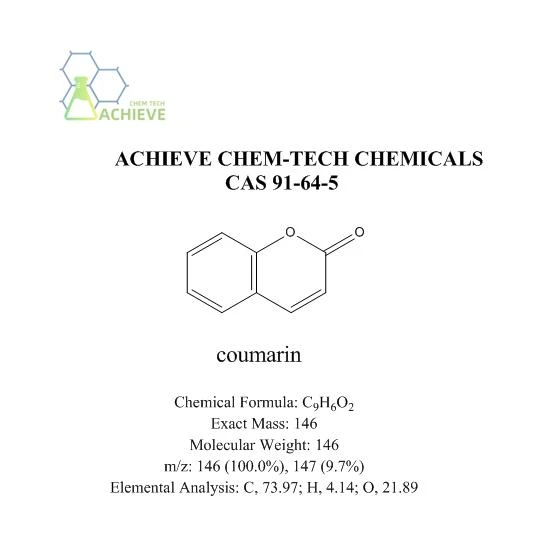
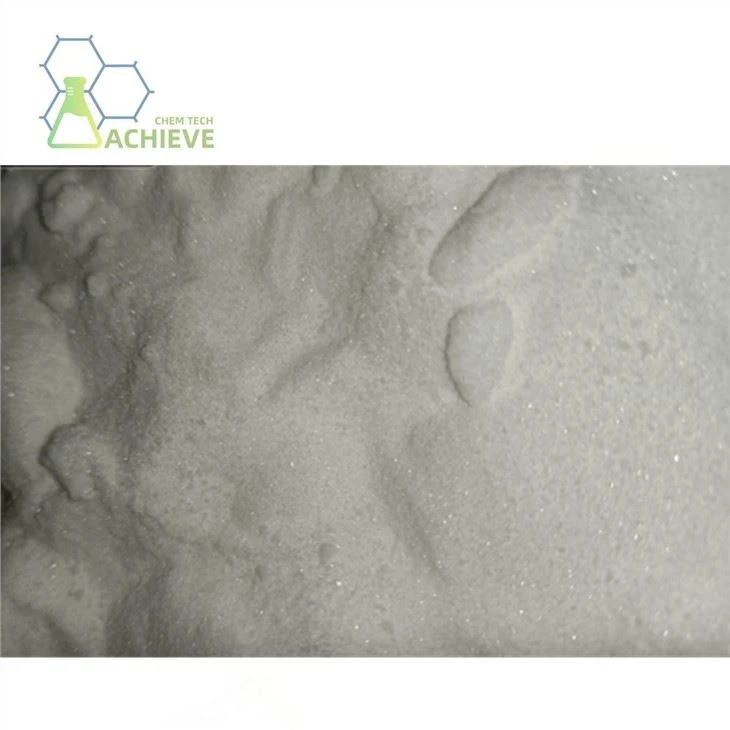
Coumarin powder, with the molecular formula of C9H6O2,CAS 91-64-5, is a white crystalline solid with a hay aroma similar to black fenugreek. It is insoluble in cold water and soluble in hot water, alcohol, ether, chloroform and sodium hydroxide solution. It is found in black fenugreek, verbena, wild vanilla and orchid, with fresh hay fragrance and fenugreek fragrance. It is generally not used for food, but allowed for smoking and external use.

|
Chemical Formula |
C9H6O2 |
|
Exact Mass |
146 |
|
Molecular Weight |
146 |
|
m/z |
146 (100.0%), 147 (9.7%) |
|
Elemental Analysis |
C, 73.97; H, 4.14; O, 21.89 |
|
|
|


Detection reaction:
Under alkaline conditions, coumarin lactone can open the ring and contract with hydroxime hydrochloride to synthesize hydroxamic acid, and then complex with ferric ion under acidic conditions to become red. 2. Ferric chloride reaction: coumarin containing phenol hydroxyl can react with ferric chloride reagent in color.
2,6-dichloro (bromo) benzoquinone chloroimine can be condensed with active hydrogen para phenolic hydroxyl to form blue compound under weak alkaline conditions.
Aminoantipyrine and potassium ferricyanide can form red condensate with phenolic hydroxyl para active hydrogen. 3. 4. It is required that there must be free phenolic hydroxyl in coumarin molecule, and the positive reaction can only be shown when there is no substituent in the para position of phenolic hydroxyl. Aroma.

Synthetic coumarin powder:
Add 40 grams of 95% salicylaldehyde, 73 grams of newly evaporated acetic anhydride, and 1 gram of treated anhydrous potassium acetate into a 250 milliliter three necked flask containing a distillation apparatus, dropper, and thermometer, and then heat it up.
The temperature inside the three necked bottle is controlled at 145~150 ° C, and the steam temperature is controlled below 120 ° C. At this point, acetic acid begins to evaporate.
When the evaporation rate is about 15 grams, start adding 15 grams of acetic anhydride drops at a rate equal to the evaporation rate of acetic acid.
After reducing the acetic acid, after a certain period of time, if it is found that the temperature of 120 ° C is difficult to control, the internal temperature can continue to rise to about 208 ° C, maintain it for 15 minutes to half an hour, and then cool naturally.
When the temperature cools to about 80 ° C, rinse the oil layer with hot water while stirring, and separate the water layer after standing still.
Neutralize the oil layer with a 10% slightly alkaline sodium carbonate solution. Then wash the oil layer with hot water until neutral, remove the water layer, and perform vacuum distillation to collect crude oil fractionation at 150-160 ° C/1866Pa.
The crude oil product was recrystallized with 95% ethanol (with a mass ratio of 1:1) to obtain pure white granular crystals of coumarin.

Simple coumarins: only coumarins with substituents on the benzene ring.
Furocoumarins: Isopentenyl compounds on coumarin nuclei
The ortho phenol hydroxyl (7-hydroxy) ring is used to synthesize furan or pyran ring, and the former is called furacoumarin.
Pyranocoumarins: coumarin C-6 or C-8 isopentenyl cyclically combines with o-phenol hydroxy to form 2,2-dimethyl- α- Pyran ring structure, forming pyranocoumarin.
Dicoumarins, Isocoumarins and other coumarins.

Coumarin powder, also known as 1,2-benzopyranone or o-oxonaphthone, is an organic compound with the chemical formula C9H6O2, a molecular weight of 146.143, and a CAS registry number of 91-64-5. It is widely present in nature, such as black bean, snake whip chrysanthemum, wild vanilla, orchid and other plants, and can also be prepared by chemical synthesis.

Spice field
(1) Perfume and essence
Coumarin has a sweet, bean like aroma, with dried herbal and anise notes. When diluted, it has a dry, nutty, and tobacco like scent, and is dull and long-lasting. It is the main component of Fuqi perfume, which establishes the main atmosphere of Fuqi fragrance. Fuqi perfume is the first perfume in the world with artificial perfume, marking the beginning of modern perfume industry. Today, coumarin is still widely used as a fixative and deodorant in the field of fragrance essence.
Which is used to prepare perfume and floral water essence, making perfume have unique fragrance and durability.
(2) Food and beverage flavoring agents
Coumarin has been used as a flavoring agent in food and beverages, and its odor characteristics depend on its concentration. It can be a herbal scent such as hay, or a sweet and warm aroma such as caramel and almonds. However, due to the toxicity of coumarin, excessive consumption may be harmful to the human body, such as causing skin damage (such as photosensitive dermatitis, skin erythema, edema, etc.) and liver damage.


Currently, the country has issued policies strictly prohibiting coumarin from appearing as a food additive in food and beverages. But its derivatives such as 6-methylcoumarin, octahydrocoumarin, and dihydrocoumarin are allowed to be used as synthetic flavorings for food.
(3) Cigarettes and daily chemical products enhance fragrance
In cigarette manufacturing, coumarin can be used to enhance the aroma of cigarettes. In addition, it is also used as a fragrance enhancer for rubber products, plastic products, as well as polishing and brightening agents for metal surface processing, giving these products a unique fragrance.
Medical field
(1) Anticoagulant drugs
Coumarin is an important anticoagulant, and its mechanism of action is to inhibit vitamin K epoxide reductase, preventing the conversion of vitamin K from epoxide to hydroquinone, thereby inhibiting the carboxylation of coagulation factors II, VII, IX, and X containing glutamic acid residues. However, these precursors have no coagulation activity, thus inhibiting the coagulation process.


Common coumarin anticoagulants include dicoumarin, warfarin (benzylacetone coumarin), and acetanilide coumarin (neoanticoagulant). These drugs are of great significance in preventing thrombosis and treating thrombotic diseases, such as for the treatment of cardiovascular and cerebrovascular diseases.
(2) Antibacterial drugs
Coumarin and its derivatives have certain inhibitory effects on various bacteria and fungi, including certain drug-resistant strains. Research has found that coumarin drug neomycin sodium has antibacterial activity against gram-positive bacteria such as Staphylococcus aureus (including methicillin-resistant strains) and other staphylococci; It is often resistant to Enterococcus faecalis, but may be sensitive to Enterococcus faecalis;
Sensitive to gram-negative bacteria including Haemophilus influenzae, Neisseria genus, and some Proteobacteria, but most Enterobacteriaceae bacteria are resistant to it. Neomycin is mainly an antibacterial agent, but it also has bactericidal effects on sensitive bacteria at high concentrations. It has the function of inhibiting DNA helicase and clearing plasmids, but it is prone to develop drug resistance in vitro or during treatment.
(3) Antiepileptic drugs
Some derivatives of coumarin have antiepileptic activity and can reduce the frequency and severity of epileptic seizures.


Although there are relatively few antiepileptic drugs synthesized directly from coumarin, coumarin compounds have certain potential in the development of antiepileptic drugs, providing new research directions for controlling epilepsy symptoms and improving patients' quality of life.
(4) Dermatology drugs
In the field of dermatology, coumarin drugs such as methoxysarin and trimethylsarin can be used for phototherapy to treat psoriasis and vitiligo. These drugs, as psoralens, are used as photosensitizers in phototherapy or PUVA therapy.
For example, in a PUVA therapy study involving 41 psoriasis patients, methoxysarin, which was approved for marketing by the US Food and Drug Administration (FDA) in 1954, was administered to patients based on their body surface area at a dose of 25 mg/m ², which led to a more consistent blood concentration and reduced the potential for overdose or underuse due to differences in patient body weight. In addition, methoxysarin can be selectively used for atopic dermatitis, polymorphic light rash, T-cell lymphoma (such as fungal granulomatosis), etc.
(5) Other drug development
Coumarin compounds also have other potential applications in drug development.


For example, coumarin amide derivative niclosamide is a phase II drug intended for renal dysfunction, including the treatment of diabetes nephropathy and hypertensive nephropathy. Research has shown that nicousamide inhibits or slows down the progression of renal fibrosis by suppressing the phosphorylation of TGF - β receptors and their downstream proteins. In addition, the pharmacological effects of the coumarin compound Odiparcil as a regulator of glycosaminoglycans are currently undergoing phase II clinical research and are intended for the treatment of type VI mucopolysaccharidosis.
In the field of agriculture
(1) Plant growth regulators
Coumarin has a certain impact on the formation and activity of some enzymes in plants, regulates the transfer or accumulation of certain amino acids in the body, and has a certain influence on the respiration and photosynthesis of plant tissues. Low concentrations of coumarin can stimulate plant germination and growth, while high concentrations inhibit germination and growth. Therefore, coumarin can be used as a plant growth regulator hormone.


For example, in the induction medium for micro potatoes, adding 30mg/L coumarin, 3.0mg/L BA, and 0.1% activated carbon resulted in larger micro potato tubers and a higher rate of large potatoes.
(2) Antibacterial agent
Coumarin has toxic effects on certain fungi and algae, such as Conforua minor. The fruits of Umbelliferae plants do not mold in soil mainly because they contain a large amount of coumarin substances. Therefore, coumarin can also be used as an antibacterial agent for the prevention and control of plant diseases.
Fluorescence detection field
Coumarin powder has unique fluorescence and often exhibits blue fluorescence under ultraviolet light. In recent years, with the development of technology, the academic community has found that the fluorescence performance of coumarin can be affected by changing its molecular structure. This discovery has excavated the application value of coumarin in the field of fluorescence detection. Nowadays, coumarin has become one of the most commonly used fluorescent markers in academic research experiments due to its advantages of easy synthesis and derivation, stable structure, small molecular weight, and low price. For example, many coumarin derivatives.


Other fields
(1) Cosmetic additives
Due to its unique aroma, coumarin is widely used as an additive in cosmetics. The aromatic properties of coumarin endow cosmetics with a charming aroma, enhancing the attractiveness of the product. It is often used in the preparation of various perfume, essence and skin care products to bring people a pleasant sensory experience.
(2) Tobacco industry additive
In the late 1970s, there were reports abroad that oral coumarin could prevent the formation of cardia tumors caused by benzo [a] pyrene. Therefore, coumarin can also be used as an additive in the tobacco industry to prevent tumors caused by benzo [a] pyrene in cigarette tar. However, with a deeper understanding of the toxicity of coumarin, its application in the tobacco industry has also been limited to some extent.

FAQ
Is coumarin in cinnamon safe?
There are several factors to consider; see below to understand more. Cassia cinnamon, the common grocery type, contains much more coumarin that can injure the liver with regular high-dose use, while Ceylon cinnamon is very low in coumarin and is the safer choice for daily or supplemental use.
Is coumarin harmful to humans?
Coumarin is generally safe in small dietary amounts but can be harmful to the liver in high doses. Health agencies set a Tolerable Daily Intake (TDI) of 0.1 mg per kilogram of body weight. While most people process it safely, a small percentage of individuals are highly sensitive to liver-related effects.
What foods are high in coumarin?
From Cinnamon to Science: Coumarins and Cancer PreventionCoumarin is a naturally occurring, sweet-smelling organic compound found in various plants. The highest concentrations are typically found in specific spices, herbal extracts, and botanicals, while everyday fruits and vegetables contain only trace amounts.
Why is coumarin banned in the US?
The Real Reason Tonka Beans Are Illegal In The USCoumarin is banned as a direct food additive in the U.S. because 1950s animal studies revealed that high, sustained doses of the compound cause liver damage and tumors in rats and dogs. Driven by the strict zero-tolerance policies of the era, the FDA prohibited its use in 1954.
Hot Tags: coumarin powder cas 91-64-5, suppliers, manufacturers, factory, wholesale, buy, price, bulk, for sale, eriodictyol powder, 4 4 Diaminodiphenylsulfone CAS 80 08 0, Pure Dexmedetomidine CAS 113775 47 6, Norepinephrine Tartrate, Pure Tetracaine, Zidovudine powder