




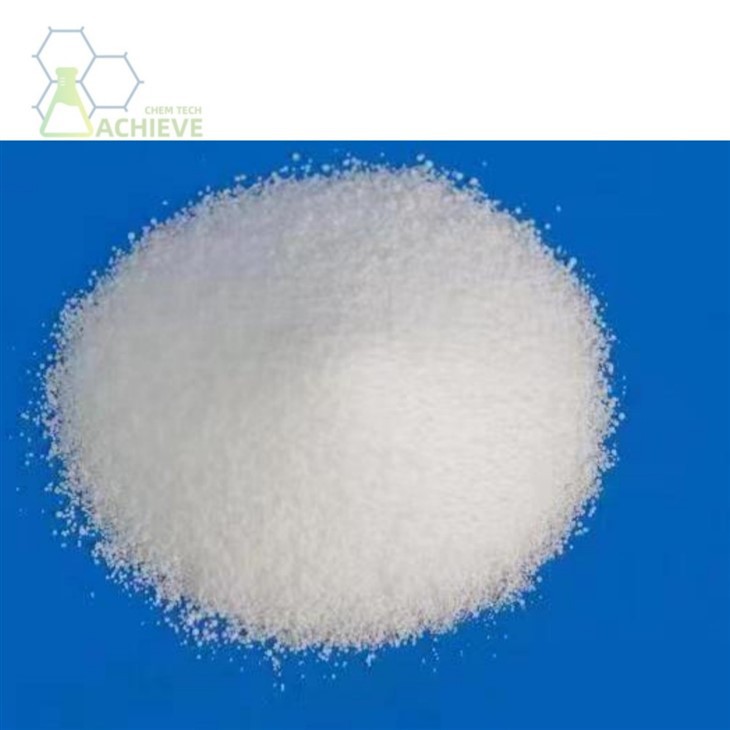

Shaanxi BLOOM Tech Co., Ltd. is one of the most experienced manufacturers and suppliers of hesperidin powder cas 520-26-3 in China. Welcome to wholesale bulk high quality hesperidin powder cas 520-26-3 for sale here from our factory. Good service and reasonable price are available.
Hesperidin powder, molecular formula C28H34O15, CAS 520-26-3, also known as dihydroflavonol glycoside or hesperidin, is a chemical compound extracted from dried young fruits of the Rutaceae plant Citrus aurantium L. and its cultivated varieties or sweet oranges (Citrus sinensis Osbeck). It is a crystalline powder with a white or light yellow color, which may vary slightly depending on the preparation method and purity. Under specific conditions (such as precipitation at pH 6-7), hesperidin can appear as colorless fine dendritic needle shaped crystals.

|
|
|


| Chemical Formula | C28H34O15 |
| Exact Mass | 610 |
| Molecular Weight | 611 |
| m/z | 610 (100.0%), 611 (30.3%), 612 (4.4%), 612 (3.1%) |
| Elemental Analysis | C, 55.08; H, 5.61; O, 39.31 |
Due to its unique physical properties and extensive biological activity, it has important application value in multiple fields. In the field of medicine, it is used as an adjuvant therapy for cardiovascular diseases, which has the effects of reducing cholesterol, protecting capillaries, and preventing microvascular rupture and bleeding. At the same time, it is also one of the main raw materials of traditional Chinese patent medicines and simple preparations "Maitong". In the food industry, it can be used as a natural antioxidant to extend the shelf life of food.


In the cosmetics industry, hesperidin is widely used in skin care products due to its anti-inflammatory, antiviral, and antibacterial effects.It has the effects of preventing frostbite, inhibiting plaque formation, and reducing bad breath. In addition, it can prevent ultraviolet radiation and can be used for sunscreen products.
Hesperidin powder, also known as hesperidin or dihydroflavonol glycoside, is a bioflavonoid compound extracted from the peel of citrus fruits such as lime and sweet orange. Due to its rich biological activity and diverse functions, hesperidin has a wide range of applications in multiple fields.
Cardiovascular system protection
Enhancing capillary toughness:It can enhance the toughness of capillaries, reduce their fragility, and prevent microvascular rupture and bleeding. This characteristic makes it of great significance in the treatment of diseases related to increased capillary fragility.
Lowering cholesterol:It has the effect of reducing serum total cholesterol, triglycerides, and low-density lipoprotein levels, which helps prevent and treat cardiovascular diseases.
Adjuvant therapy:Used clinically as an adjuvant therapy for cardiovascular diseases such as arteriosclerosis, myocardial infarction, etc. It is one of the main raw materials of traditional Chinese patent medicines and simple preparations Maitong.

Anti inflammatory and antibacterial
(1) Anti inflammatory effect
It can reduce the adhesion and migration of white blood cells and vascular endothelial cells, reduce the release of inflammatory substances after disintegration, thereby reducing the permeability of capillaries.
(2) Antibacterial effect
It has a certain inhibitory effect on common bacteria and molds, but has no significant effect on yeast. In addition, it can also bind with viruses to form non infectious complexes, possessing antiviral functions.
Other therapeutic effects

Treatment of venous diseases:
can be used to treat premenstrual syndrome, venous lower limb ulcers, chronic venous insufficiency, joint edema and other diseases.

Improving microcirculation:
It can reduce blood viscosity, accelerate blood flow rate, and thus improve microcirculation stasis.

Neuroprotection:
It inhibits neurodegenerative diseases (e.g., Alzheimer's), mediating neuroprotection by enhancing neurotrophic factors and antioxidant defenses.
Food industry

Natural antioxidant:It is commonly used as a natural antioxidant in the food industry, which can prevent lipid oxidation, decay, and deterioration of food, thereby extending the shelf life of food.
Food additives:It can be used in combination with citric acid, ascorbic acid, or phosphoric acid as a food additive to improve the flavor and texture of food.
Sweetener:After hydrogenation, it is a natural sweetener dihydrochalcone, with a sweetness 1000 times that of sucrose, and has potential application value as a sweetener.
Other field
Nutritional fortifiers-It has vitamin P-like efficacy and can be used as a nutritional enhancer to supplement the body with the necessary vitamin P.
Cancer drugs-Studies have shown that this substance and its derivatives can inhibit the formation of cancer caused by many mutagens, and have significant inhibitory effects on oral cancer, esophageal cancer, bladder cancer cancer, etc.
Drug synthesis-It can be used to synthesize and produce an anti-cancer drug, Diosmin (DOSM), further expanding its applications in the pharmaceutical field.
Health function-It has multiple health functions, such as improving immunity and promoting sleep, and is a good raw material for health food.

Cosmetics field

(1) Skin conditioner
It is mainly used as a skin conditioner in cosmetics and skincare products, which can improve skin texture and make the skin smoother and more delicate.
(2) Antioxidant
Has strong antioxidant capacity, can eliminate free radicals, reduce oxidative damage to skin cells, and thus delay the aging process.
(3) Sunscreen agent
It can prevent lipid peroxidation of skin cells caused by ultraviolet radiation, reduce the risk of erythema and skin cancer, and therefore can be used in the development .
(4) Antibacterial and anti-inflammatory
The antibacterial and anti-inflammatory effects make it applicable in antibacterial hygiene products.



Immature Citrus aurantium is one of the high-quality raw materials for efficiently extracting natural hesperidin, which is a delicate yellow brown fine powder with remarkable anti-inflammatory, broad-spectrum antiviral, and anti frostbite pharmacological effects. Citrus aurantium, officially recorded on page 172 of the 2005 official edition of the Chinese Pharmacopoeia, refers to the dried young fruit of the Rutaceae plant sour orange and its multiple cultivated varieties or sweet oranges. It is a widely commonly used folk classic Chinese herb with the core medicinal effects of resolving phlegm.
Report Example
The preparation method for extracting hesperidin powder from 4 tons of Fructus Aurantii includes the following steps:
Weigh 4 tons of fine powder of Fructus Aurantii and pour it into an extraction tank, then level it up;
Prepare a 4-fold alkaline solution of the raw material, which is fine powder of Fructus Aurantii. The density of sodium carbonate in this alkaline solution is 2kg/m3, and the density of 30% liquid alkali is 1.5kg/m3. Pump this alkaline solution from the bottom coil of the tank into the extraction tank, and when the solution is exposed to the material surface, switch to the surface coil until the liquid pump is complete; After 1.5 hours of dynamic immersion, drain the liquid from the extraction tank; Thoroughly flip the contents of the tank using the cross flipping method and shake the bottom fence to loosen the fine powder adhered to the fence surface;
Prepare a 4-fold alkaline solution of raw materials. The density of sodium carbonate in this alkaline solution is 1.5kg/m3, and the density of 30% liquid alkali is 0.5kg/m3. Pump this alkaline solution from the bottom coil of the tank into the extraction tank. When the solution is exposed to the material surface, switch to the bottom coil until the liquid pump is complete; Open the steam valve and introduce steam into the bottom and middle of the tank for boiling; Adjust the size of the upper and lower steam valves according to the steam pressure gauge data to maintain boiling in the tank for 30 minutes.

Prepare a 25 fold alkaline solution of raw materials, with a density of 1.5kg/m3 for sodium carbonate and 0.5kg/m3 for 30% liquid alkali. When the boiling liquid in step (3) is discharged to the liquid surface, inject the alkaline solution from the material surface into the tank for filtration treatment, and control the liquid flow rate to 3.8m3/h; Stop adding liquid after processing 10 times the amount, and let the liquid in the tank permeate completely.

Thoroughly flip the contents of the tank using the cross flipping method and shake the bottom fence to loosen the fine powder on the fence surface;Inject the remaining alkaline solution used in step 4 from the bottom until the solution is just exposed to the material surface, then use a sodium carbonate solution with a density of 2kg/m3 to inject into the tank from the material surface for a second filtration treatment, and control the liquid flow rate to 3.8m3/h.
The filtration treatment is qualified when no suspended solids precipitate when the filtrate is added to hydrochloric acid and adjusted to a pH between 3-4. The filtration treatment period is not less than 15 hours.
Prepare 25 times the amount of hesperidin extract from the raw material, which is a sodium hydroxide solution with a density of 13kg/m3. Pump the hesperidin extract into the extraction tank for hesperidin extraction and collect the discharged liquid. The extraction cycle is 15 hours;
Adjust the pH value of the effluent from step (6) to between 5-6 using hydrochloric acid, and stir the effluent until hesperidin precipitates;
After allowing the solution processed in step (7) to stand for 2 hours, remove the clear solution from above, pump the remaining crystallization solution into a plate and frame machine for filtration and drying, and then place it in a drying room for drying. At this point, 460kg of hesperidin with a purity of 90% -95% is obtained.
Report Example
Extraction process of hesperidin
Prepare an alcohol solution by mixing 5 parts of methanol, 2 parts of ethanol, and 1 part of isobutanol.
Firstly, select Fructus Aurantii containing 5.61% hesperidin as the raw material, with a dosage of 100kg. Then, the raw material is subjected.


Under 80 ℃ conditions, the raw material and strong alkali solution are mixed and reacted for 5 minutes for degumming treatment. The concentration of the strong alkali solution is 8mol/L, and the raw material and strong alkali solution are mixed in a ratio of 12mL of strong alkali solution per gram of raw material.
This substance has a wide range of high-quality applications
Hesperidin powder is a remarkable natural compound with a wide range of chemical properties, pharmacological effects, and industrial applications. As a flavonoid abundantly found in citrus peels and fruits, it exhibits strong antioxidant activity, good stability under moderate conditions, and favorable compatibility with various formulation matrices, laying a solid foundation for its extensive use across multiple sectors. Pharmacologically, hesperidin demonstrates a diverse array of beneficial effects. It protects the cardiovascular system by improving vascular endothelial function.


Enhancing capillary integrity, and helping to maintain healthy blood lipid levels, thereby supporting overall circulatory health.As a potent antioxidant, it effectively scavenges free radicals, reduces oxidative stress, and protects cells from damage caused by reactive oxygen species. Additionally, it exerts notable anti‑inflammatory and anti‑allergic effects by modulating inflammatory mediators and stabilizing mast cells, making it useful in alleviating inflammatory responses and allergic reactions. Hesperidin also shows antimicrobial activity against certain bacteria and viruses.
Hesperidin also shows antimicrobial activity against certain bacteria and viruses, and emerging evidence suggests potential anticancer properties through the regulation of cell proliferation, apoptosis, and angiogenesis pathways.Owing to these versatile biological activities, hesperidin has become a valuable ingredient in pharmaceuticals, functional foods, dietary supplements, and cosmetics. In the pharmaceutical field, it is used in preparations targeting cardiovascular health, venous insufficiency, and inflammatory conditions.


In the food industry, it serves as a natural antioxidant, preservative, and functional additive to enhance product stability and nutritional value. In cosmetics, it is incorporated into skincare formulations for its antioxidant, anti‑aging, and skin‑soothing properties. However, despite its numerous benefits, safe and responsible use of hesperidin is essential.Adherence to recommended dosage guidelines is crucial to minimize the risk of potential side effects, which may include mild gastrointestinal discomfort, headache, or allergic reactions in sensitive individuals.Consulting healthcare professionals before use, especially for pregnant or breastfeeding individuals.
Those with severe chronic underlying medical conditions, or those regularly taking multiple other prescription medications, are strongly advised to consult professional medical professionals in advance to ensure overall medication safety and avoid unwanted adverse drug interactions. As in-depth systematic research on natural hesperidin continues to advance rapidly, driven by rising global market interest in plant-derived natural bioactive compounds, it is highly likely that abundant novel new applications and precious valuable therapeutic benefits of this versatile natural compound will be gradually uncovered by researchers.

references
Attia GH, et al. (2024). Hesperidin: A flavanone with multifaceted applications in food, feed, and environmental fields. Molecules, 29(12), 2890. DOI:10.3390/molecules29122890
Shabani M, et al. (2024). Recent insights into the biological functions of hesperidin. EXCLI Journal, 23, 1029–1045. PMID:38724561
PMC. (2023). Hesperidin: Chemistry, Pharmacology, and Therapeutic Potential. Phytotherapy Research, 37(8), 2345–2360. DOI:10.1002/ptr.7890
Hesperidin Produces Cardioprotective Activity via PPAR-γ Pathway in Ischemic Heart Disease Model in Diabetic Rats (https://pmc.ncbi.nlm.nih.gov/articles/PMC4219710/)
Hesperidin Bioavailability Is Increased by the Presence of 2S-Diastereoisomer and Micronization-A Randomized, Crossover and Double-Blind Clinical Trial(https://pmc.ncbi.nlm.nih.gov/articles/PMC9231284/)
FAQ
1. What is Hesperidin and where is it found?
Hesperidin is a bioactive flavanone glycoside abundant in citrus fruits (oranges, lemons, grapefruits) and their peels. It appears as a white crystalline powder, slightly soluble in water, soluble in hot water and organic solvents. As a key citrus flavonoid, it is extracted mainly from citrus peels and used in pharmaceuticals, food supplements, and cosmetics for its wide-ranging health benefits.
2. What are the main pharmacological effects and applications of Hesperidin?
Hesperidin exhibits antioxidant, anti-inflammatory, antiviral, cardioprotective, and neuroprotective activities. It strengthens blood vessels, improves microcirculation, and is used for venous insufficiency, hemorrhoids, and edema. It also supports bone health, lowers blood sugar, and protects the liver. In cosmetics, it brightens skin and anti-aging; in food, it acts as a natural preservative and antioxidant.
3. Is Hesperidin safe and what are its side effects?
Hesperidin is safe, low-toxic, and well-tolerated for oral and topical use. Recommended daily dose: 500–2000 mg for adults. Mild side effects: occasional gastrointestinal upset (nausea, diarrhea) at very high doses. No severe toxicity is reported. Contraindications: pregnancy, lactation, and citrus allergy. It should be stored sealed in a cool, dry place away from light.
Hot Tags: hesperidin powder cas 520-26-3, suppliers, manufacturers, factory, wholesale, buy, price, bulk, for sale, Benzobarbital CAS 744 80 9, Tetrahydrobiopterin (BH4) Powder, tetracaine powder, 3 DiMethylaMino 1 4 Methoxyphenyl prop 2 en 1 one CAS 18096 70 3, Cyproheptadine hydrochloride sesquihydrate, 1,3-Dimethylpentylamine