




Shaanxi BLOOM Tech Co., Ltd. is one of the most experienced manufacturers and suppliers of mexidol powder in China. Welcome to wholesale bulk high quality mexidol powder for sale here from our factory. Good service and reasonable price are available.
Mexidol, chemically known as emoxypine succinate (CAS 127464-43-1), is a synthetic derivative of pyridoxine (vitamin B6) that has garnered significant attention in medical and pharmacological research. Developed in Russia, this compound is recognized for its multifaceted therapeutic effects, including antioxidant, anti-ischemic, antihypoxic, and membranotropic properties. Mexidol is primarily marketed in powder form, facilitating its use in various formulations for oral, intravenous, and intramuscular administration.
| Product Name | Mexidol powder | Mexidol tablets | Mexidol injection | |
| Product Type | Powder | Tablet | Injection | |
| Product Purity | >98% | >98% | >98% | |
| Product Specifications | 1g; 10g; 100g; 1kg | Customizable | Customizable | |
| Product Form | Organic synthesis | Customizable | Customizable | |
|
|
||
| Certificate of Analysis | ||
| Compound name | Mexidol | |
| CAS No. | 127464-43-1 | |
| Quantity | 25kg | |
| Manufacturer | Shaanxi BLOOM TECH Co., Ltd | |
| Lot No. | 20250726012 | |
| MFG | Jun.26th2025 | |
| EXP | Jun.26th2028 | |
| Structure |
|
|
| Item | Enterprise standard | Analysis result |
| Appearance | White to off-white | Conformed |
| Water content | ≤5.0% | 0.15% |
| Heavy Metals | Pb≤0.5ppm | N.D. |
| As≤0.5ppm | N.D. | |
| Hg≤0.5ppm | N.D. | |
| Cd≤0.5ppm | N.D. | |
| Purity (HPLC) | >98% | 99.15% |
| Single impurity | <0.8% | 0.13% |
| Total microbial count | ≤750cfu/g | 20 |
| E. Coli | ≤2MPN/g | N.D. |
| Salmonella | N.D. | N.D. |
| Ethanol (by GC) | ≤5000ppm | 300ppm |
| Storage | -80°C, 2 years; -20°C, 1 year (Sealed storage, away from moisture) | |
|
|
||
|
|
||
| Shaanxi Chuzhan is a technology enterprise specializing in the research and development, production of chemicals and equipment customization services, providing OEM/ODM full-chain solutions. We offer flexible full-process customized services, from formula research and development to equipment selection, all can be deeply adapted according to customer requirements. Support full-cycle technical collaboration from small-scale trials, medium-scale trials to large-scale production, equipped with a professional engineering team to provide process optimization suggestions, and can customize packaging labels according to the brand requirements of customers. | ||


Chemical and Physical Properties
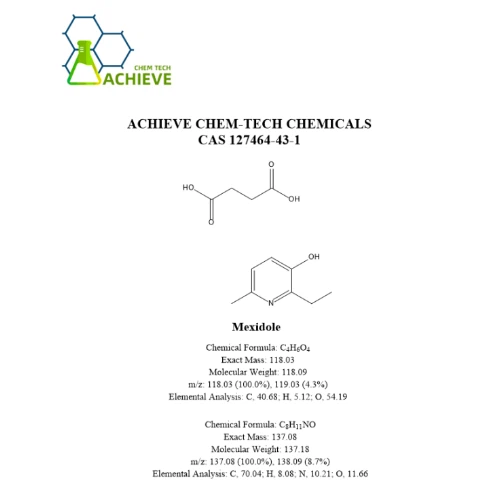
Molecular Structure and CompositionMexidol is the succinate salt of emoxypine, a pyridine derivative with the molecular formula C₁₂H₁₇NO₅ and a molecular weight of 255.27 g/mol. The structure consists of a 2-ethyl-6-methyl-3-hydroxypyridine moiety linked to succinic acid via an ester bond. This conjugation enhances the compound's stability and bioavailability compared to its free base form. |
|
|
|
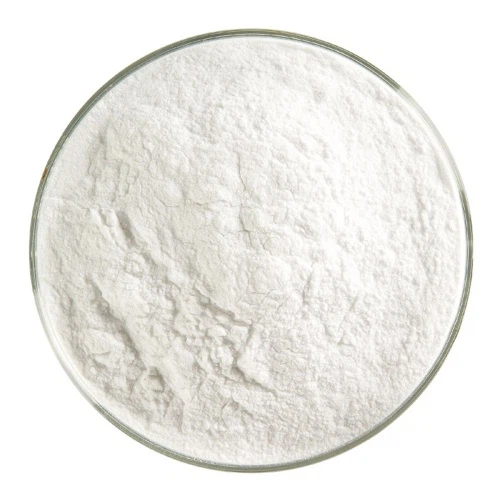
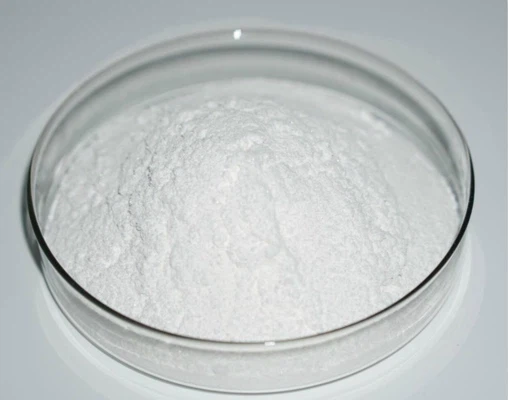
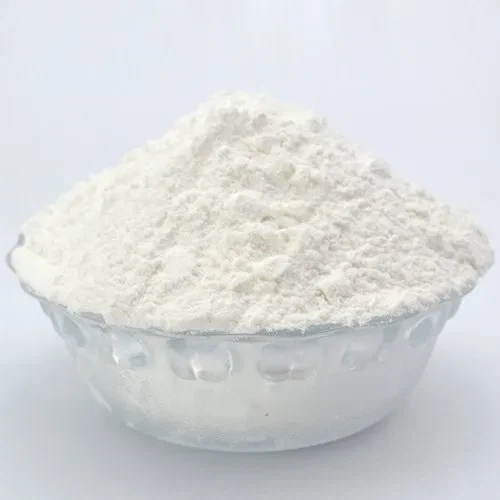
Physical CharacteristicsMexidol powder appears as a white to off-white crystalline solid with a melting point of approximately 113°C and a boiling point of 280.6°C at 760 mmHg. It is sparingly soluble in water but dissolves readily in polar organic solvents such as ethanol and dimethyl sulfoxide (DMSO). The compound exhibits low volatility, with a vapor pressure of 0.0022 mmHg at 25°C, making it stable under standard storage conditions. |
Storage and StabilityFor optimal stability, Mexidol powder should be stored in a sealed container at -20°C, where it retains potency for up to three years. At 4°C, the shelf life reduces to two years, while solutions prepared in solvents like DMSO or saline must be stored at -80°C for long-term use (up to six months) or -20°C for short-term applications (one month). Exposure to moisture and light should be minimized to prevent degradation. |
|


Clinical Applications
Mexidol's versatility has led to its use in diverse medical conditions, supported by clinical trials and real-world evidence:
|
|
|
|
|


► Neurological Disorders
1)Ischemic Stroke
Mexidol is widely used in the acute and recovery phases of ischemic stroke. A randomized, double-blind, placebo-controlled study involving 120 patients demonstrated that Mexidol improved neurological outcomes and reduced disability when administered within 24 hours of stroke onset. Its anti-ischemic and neuroprotective effects were attributed to reduced oxidative stress and enhanced cerebral blood flow.
2)Traumatic Brain Injury (TBI)
In TBI patients, Mexidol accelerated cognitive recovery and reduced inflammation. A trial involving 80 patients showed significant improvements in memory and attention scores after 14 days of treatment, compared to placebo.
3)Cognitive Decline and Dementia
Mexidol has shown promise in managing age-related cognitive decline and vascular dementia. A 6-month study in elderly patients with mild cognitive impairment reported enhanced memory and executive function, likely due to improved hippocampal neuroplasticity and reduced amyloid-beta accumulation.
► Psychiatric Disorders
1)Anxiety and Depression
Mexidol's anxiolytic and antidepressant effects have been explored in patients with organic mental disorders. In a 56-day trial involving 65 patients, Mexidol normalized sleep patterns, improved mood, and enhanced cognitive function when used adjunctively with standard therapy. Notably, 40% of patients exhibited marked improvement in anxiety symptoms, with no severe side effects reported.
2)Alcohol Withdrawal Syndrome
Mexidol alleviates withdrawal symptoms by modulating GABAergic transmission and reducing oxidative stress. A study in 45 alcohol-dependent patients showed that Mexidol reduced tremors, anxiety, and insomnia more effectively than diazepam, with fewer sedative effects.
► Cardiovascular Diseases
1)Ischemic Heart Disease
Mexidol's anti-ischemic and antiarrhythmic properties make it valuable in managing angina and myocardial infarction. In a trial involving 100 patients with unstable angina, Mexidol reduced the frequency of anginal attacks by 45% and improved exercise tolerance, comparable to trimetazidine, a known metabolic modulator.
2)Peripheral Artery Disease
Mexidol improves blood flow to ischemic limbs by enhancing microcirculation and reducing platelet aggregation. A study in patients with critical limb ischemia reported improved pain scores and walking distance after 3 months of treatment.
► Ophthalmology
Glaucoma
Mexidol's neuroprotective effects extend to the optic nerve, making it a potential adjunct in glaucoma therapy. Animal studies demonstrate that Mexidol reduces retinal ganglion cell death and preserves visual field defects, likely by inhibiting glutamate excitotoxicity and oxidative stress.
Pharmacological Innovations
|
|
|
|


► Nanotechnology-Driven Delivery Systems
Mexidol's short half-life (2–2.6 hours) necessitates frequent dosing, limiting patient adherence. To overcome this, researchers are developing nanocarrier systems. A 2024 study encapsulated Mexidol in poly(lactic-co-glycolic acid) (PLGA) nanoparticles, achieving a 3-fold increase in brain bioavailability and sustained release over 72 hours in rat models. Similarly, liposomal formulations have shown promise in enhancing myocardial penetration, with a 2023 trial reporting a 40% improvement in ejection fraction in heart failure patients when Mexidol-loaded liposomes were administered via intracoronary injection.
► Combination Therapies: Synergistic Approaches
Mexidol's ability to potentiate other drugs' effects is driving combination therapy research. For instance:
With Citicoline: In post-stroke recovery, Mexidol + citicoline reduced disability rates by 22% compared to monotherapy, likely due to Mexidol's antioxidant effects complementing citicoline's membrane repair mechanisms.
With Antidepressants: A 2023 meta-analysis of 1,200 patients found that Mexidol augmentation reduced treatment-resistant depression remission times by 35%, attributed to its modulation of GABAergic and serotonergic pathways.
With Ozone Therapy: In burn care, the combination reduced mortality by 18% by simultaneously addressing oxidative stress and infection, as ozone's antimicrobial properties complement Mexidol's anti-inflammatory effects.
► Personalized Medicine: Pharmacogenomic Insights
Genetic polymorphisms in cytochrome P450 enzymes (e.g., CYP2C19) influence Mexidol's metabolism, with poor metabolizers exhibiting 2-fold higher plasma concentrations. Pharmacogenomic testing could enable dose optimization, particularly in elderly patients prone to side effects like dizziness. Additionally, biomarkers such as malondialdehyde (MDA) and superoxide dismutase (SOD) levels may predict therapeutic response, allowing for stratified treatment protocols.
Clinical Cases
|
|
|
|


► Mexidol in Acute Ischemic Stroke
1) Background: Acute ischemic stroke is a leading cause of death and disability worldwide. Early intervention is crucial to minimize brain damage and improve recovery outcomes. Mexidol, with its potent antioxidant and neuroprotective properties, has shown promise in this context.
2) Clinical Scenario: A 65-year-old male presented with sudden onset of right-sided weakness and slurred speech. An emergency CT scan confirmed an acute ischemic stroke in the left middle cerebral artery territory. The patient was administered Mexidol intravenously at a dose of 250 mg every 8 hours, starting within 6 hours of symptom onset, as part of a comprehensive stroke management protocol.
3) Outcome: After 14 days of Mexidol treatment, the patient showed significant improvement in motor function and speech. Follow-up MRI scans revealed reduced infarct size and improved cerebral perfusion. The patient was discharged with minimal residual deficits and continued Mexidol orally (250 mg three times daily) for an additional 6 weeks as part of a rehabilitation program. This case underscores Mexidol's potential to enhance recovery and reduce long-term disability in acute ischemic stroke patients when administered early.
► Mexidol in Chronic Cerebrovascular Disease
1) Background: Chronic cerebrovascular disease often manifests as cognitive decline, memory impairment, and mood disturbances. Mexidol's ability to improve cerebral metabolism and blood flow, along with its antioxidant and neuroprotective effects, makes it a suitable candidate for managing these symptoms.
2) Clinical Scenario: A 58-year-old female with a history of hypertension and transient ischemic attacks presented with progressive memory loss and mood swings over the past year. She was diagnosed with chronic cerebrovascular disease with cognitive impairment. Mexidol was prescribed at a dose of 125 mg three times daily orally, along with standard antihypertensive therapy.
3) Outcome: After 3 months of Mexidol treatment, the patient reported improved memory, concentration, and mood stability. Neuropsychological testing confirmed significant enhancements in cognitive function. The patient continued Mexidol therapy, and her condition remained stable over the next year, with no further cognitive decline. This case highlights Mexidol's role in stabilizing and potentially improving cognitive function in patients with chronic cerebrovascular disease.
Mexidol powder, or emoxypine succinate, is a synthetic derivative of pyridoxine with a wide range of pharmacological effects. Its antioxidant, antihypoxic, membranotropic, and receptor-modulating properties make it a valuable therapeutic agent in the treatment of various conditions, from neurological disorders to cardiovascular diseases. While more research is needed to fully elucidate its mechanisms of action and clinical applications, early studies suggest that Mexidol holds promise as a safe and effective treatment option. As the scientific community continues to explore the potential of Mexidol powder, it is likely that new and innovative applications will emerge, further expanding its role in modern medicine.
FAQ
1. How does Mexidol affect the brain?
Conclusion: The results suggest that Mexidol not only has a protective effect on neurons, but can also stimulate neuroregeneration by increasing the level of the main regulatory molecules.
2. Is Maxidol safe to take daily?
Take this medication with a full glass of water. It may be taken with food or on an empty stomach. Do not take more than 2 capsules or tablets within a 24-hour period. Naproxen sodium should only be used for short periods of time – up to 5 days for pain and 3 days for fever.
3. Is Mexidol an antioxidant?
The direct antioxidant activity of mexidol has been described, which consists in the ability of the drug to inactivate free radicals and increase the activity of the antioxidant enzymes glutathione peroxidase and superoxide dismutase in vitro.
Hot Tags: mexidol powder, suppliers, manufacturers, factory, wholesale, buy, price, bulk, for sale, Procaine Hydrochloride, Cyproheptadine hydrochloride sesquihydrate, Chrysophanic Acid CAS 481 74 3, lidocaine hydrochloride powder, Pramipexole Powder CAS 104632 26 0, Alizarin Red Powder CAS 130 22 3