




Shaanxi BLOOM Tech Co., Ltd. is one of the most experienced manufacturers and suppliers of pure vitamin b12 powder cas 68-19-9 in China. Welcome to wholesale bulk high quality pure vitamin b12 powder cas 68-19-9 for sale here from our factory. Good service and reasonable price are available.
Pure vitamin B12 powder, as a deep red, highly hygroscopic crystalline substance, gets its color from its core structure - the divalent cobalt ion coordinated at the center of the cobalt啉 ring. This characteristic makes it one of the few vitamins with distinctive color. From the perspective of bioinorganic chemistry, it is the largest and most complex vitamin molecule in nature, and the only known biological organic metal compound. Its industrial production is almost entirely dependent on microbial fermentation (mainly using strains such as Corynebacterium pseudoadriani), rather than chemical synthesis. This process ingeniously circumvents the daunting challenge of full synthesis, making it a highly stable substance. In its pure form, its stability highly depends on the environment:it is extremely sensitive to light, oxygen, and pH values. Especially in aqueous solutions, the oxidation-reduction state of the cobalt ion changes rapidly, leading to the loss of biological activity. Therefore, the preservation of its powder form is a delicate science, requiring strict anaerobic, light-proof, and low-temperature conditions, which is far beyond that of ordinary vitamin products. This highlights the fragility and chemical uniqueness of this as a special "metal coenzyme".


Medical aspect:
① Used for treating and preventing vitamin B12 deficiency.
② Used for the prevention of anemia caused by vitamin B12 deficiency in patients with gastric resection or malabsorption syndrome.
③ Used to supplement the increased demand for vitamin B12 caused by consumptive diseases, hyperthyroidism, pregnancy, breastfeeding, etc.
④ Nutritional and gestational anemia.
⑤ Anemia caused by Taenia solium.
⑥ Liver dysfunction anemia.
⑦ Radiation induced leukopenia.
⑧ Nerve pain, muscle pain, joint pain.
⑨ Peripheral neuritis, peripheral nerve paralysis.
⑩ Spinal cord inflammation, spinal cord degeneration.


Feed additives:
Pure vitamin b12 powder is an essential micronutrient for the growth of the body. Most animal plant-based feed does not contain vitamin B12, which is synthesized by microorganisms in the gastrointestinal tract and added externally. In order to meet the needs of animal vitamins, it is necessary to supplement vitamin additives.
The main manifestation of vitamin B12 deficiency in non ruminant animals such as pigs and chickens is growth and development arrest, and a few pigs may also experience mild normal red blood cell anemia. In addition, it can also reduce the hatching rate of chickens and the reproductive rate of pigs. The clinical symptoms of deficiency include loss of appetite, growth arrest, simple anemia, and in severe cases, neurological symptoms.
Feed vitamin B12 can promote the growth and development of poultry, especially young poultry and livestock.
Can be used for:
① Growth and anemia caused by vitamin B12 deficiency in pigs and chickens;
② Localized emaciation in cattle and sheep in cobalt deficient areas;
③ Non specific treatment of neuritis, neuralgia, etc;
④ Improve the utilization rate of feed protein;
⑤ The breeding of economic animals;
⑥ Treating fish eggs or fry with B12 solution can improve their tolerance to toxic substances such as benzene and heavy metals in water.


Other:
① Food additives
② Can be used as a food coloring agent: such as ham, sausages, ice cream, fish sauce.
③ Used for cosmetics, soap, toothpaste, etc., it can also be used for odor prevention in toilets, refrigerators, oral cavity, etc., to eliminate the odor of sulfides and aldehydes.
Detoxification of air pollutants:
Scientists from the University of Manchester, UK, have made a major breakthrough in a 15 year research. They hope that this result will promote the research and development of effective methods to detoxify dangerous air pollutants, such as polychlorinated biphenyls (PCBs) and dioxins. This study, published in the journal Nature, details how certain organisms reduce the toxins of pollutants.
The research team from the Biotechnology Research Institute of the University of Manchester investigated how certain natural organisms reduce toxin levels and shorten the life span of serious pollutants.

Professor David Reese explained, "We already know that some of the most toxic pollutants contain halogen atoms, and most biological systems don't know how to handle these molecules. However, some organisms can use vitamin B12 to remove these halogen atoms. Our research has been able to determine that their way of using vitamins is very different from what we know

Physiological effects:

It is known that pure vitamin b12 powder is a coenzyme of several mutases, such as the methyl aspartic acid mutase that catalyzes the conversion of Glu to methyl Asp, and the methyl malonyl CoA mutase that catalyzes the conversion of methyl malonyl CoA to succinyl CoA. B12 coenzyme also participates in the transfer reactions of methyl and other one carbon units.
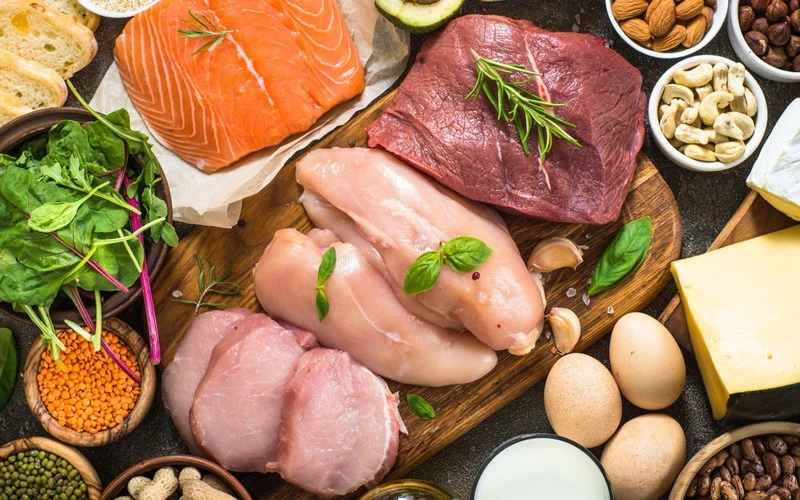
B12 is mainly found in meat, and soybeans and some herbs in plants also contain B12. Intestinal bacteria can synthesize B12, so it is generally not lacking. However, B12 is a vitamin that is easily lacking in people with digestive diseases and an essential element for red blood cell production. If severely lacking, it can lead to pernicious anemia.
Vitamin B12 is widely present in animal food. And its form cannot be absorbed by the human body. In addition, vitamin B12 is also the only vitamin containing essential minerals, appearing red due to its cobalt content, also known as red vitamin, and is one of the few colored vitamins. Although vitamin B12 belongs to the B group of vitamins, it can be stored in the liver. After exhausting its storage capacity, it takes more than six months for symptoms of deficiency to appear. The human body requires very little vitamin B12, and as long as the diet is normal, there will be no deficiency. A small number of people with poor absorption should pay special attention.

Absorption metabolism:
Vitamin B12 in food binds with protein and enters the human digestive tract. Under the action of gastric acid, pepsin, and trypsin, vitamin B12 is released and binds to a glycoprotein intrinsic factor (IF) secreted by gastric wall cells. The vitamin B12 IF complex is absorbed in the ileum. The storage amount of vitamin B12 is very small, about 2-3mg in the liver. Mainly excreted through urine, with some excreted through bile.
physiological function

There are mainly two:
① As a cofactor of methyltransferase, it participates in the synthesis of methionine, thymine, etc., such as converting methyltetrahydrofolate to tetrahydrofolate and transferring the methyl group to the methyl receptor (such as homocysteine), making the methyl receptor a methyl derivative (such as methionine or methylhomocysteine). The reaction is shown in the figure. Therefore, vitamin B12 can promote protein biosynthesis and affect the growth and development of infants and young children when lacking.
② Protect the transfer and storage of folate within cells. When vitamin B12 is deficient, the folate content in human red blood cells is low, and the folate stored in the liver is reduced. This may be related to vitamin B12 deficiency, which causes difficulty in transferring methyl groups from homocysteine to methionine. Methyl groups accumulate in cells, damaging the storage of tetrahydrofolate in cells because tetrahydrofolate tends to bind with methyl groups to form methyltetrahydrofolate, which synthesizes polyglutamic acid.

major function
Promote methyl transfer.
In the form of coenzymes, it can increase the utilization of folate and promote the metabolism of carbohydrates, fats, and proteins.
Promote the development and maturation of red blood cells, keep the body's hematopoietic function in a normal state, and prevent pernicious anemia; Maintain the health of the nervous system.
It has the function of activating amino acids and promoting the biosynthesis of nucleic acids, which can promote protein synthesis. It plays an important role in the growth and development of infants and young children
Metabolism of fatty acids to enable the body to utilize fats, carbohydrates, and proteins appropriately.
It is an essential vitamin for the healthy functioning of the nervous system and participates in the formation of a lipoprotein in nerve tissue.
Eliminate restlessness, concentrate, enhance memory and balance.

Pathology
Pure vitamin b12 powder and folate deficiency lead to a decrease in thymidine nucleotides, slower DNA synthesis, and an increase in intracellular uridine deoxyribonucleotide (dUMP) and deoxytriphosphate uridine (dUTP). The decrease of thymidine deoxyribonucleoside triphosphate (dTTP) leads to the incorporation of uracil into DNA, resulting in fragmented DNA, slower DNA replication, and prolonged nuclear division time (S and G1 phases). As a result, the nucleus is larger than normal, and the nuclear chromatin appears as a loose dot network, lacking concentration. However, there are no significant obstacles to RNA and protein synthesis in the cytoplasm. With delayed nuclear division and increased synthesis, giant blood cells are formed with large cell bodies, asynchronous nuclear cytoplasmic development, loose nuclear chromatin, and changes in the so-called "old plasma young nucleus". The giant changes are most significant and characteristic in the immature red blood cell series, known as the giant immature red blood cell series. Giant changes in cell morphology can also be seen in granulocytes, megakaryocytes, and even some proliferating somatic cells. This megaloblastic red blood cell is prone to destruction in the bone marrow, resulting in ineffective red blood cell production. Ultimately, it leads to insufficient red blood cell count and manifests as anemia symptoms.
It is to improve the utilization rate of folic acid. In the process of synthesizing methionine (synthesized from homocysteine) and choline together with folic acid to produce purine and pyrimidine, cyanocobalamin methyl precursor substances such as methylcobalamin and coenzyme B12 are synthesized, which participate in the methylation process of many important compounds. When vitamin B12 is deficient, the activity of transferring methyl groups from methyltetrahydrofolate decreases, causing folate to become unusable and leading to folate deficiency.It promotes the development and maturation of red blood cells. Convert methylmalonyl CoA into succinyl CoA, which participates in the tricarboxylic acid cycle. Succinyl CoA is involved in the synthesis of heme.


It is to maintain the metabolism and function of nerve myelin sheaths. Lack of vitamin B12 can cause neurological disorders, spinal cord degeneration, and severe psychiatric symptoms. Vitamin B12 deficiency can lead to peripheral neuropathy. The early manifestations of vitamin B12 deficiency in children are abnormal emotions, dull expressions, slow reactions, and ultimately anemia.
Vitamin B12 is also involved in the synthesis of deoxyribonucleic acid (DNA). Metabolism of fats, carbohydrates, and proteins increases the synthesis of nucleic acids and proteins.

Woodward's most outstanding achievement is the synthesis of Pure vitamin b12 powder
In 1965, Woodward was awarded the Nobel Prize in Chemistry for his outstanding contributions in organic synthesis. After winning the award, he did not stop working due to his fame and success. But it is moving towards more difficult and complex chemical synthesis. "He organized 110 chemists from 14 countries to collaborate and explore the artificial synthesis of vitamin B12. Before him, this extremely important drug could only be artificially extracted from animal organs, making it extremely expensive and in short supply.
The structure of vitamin B12 is extremely complex. Woodward found through research that it has 181 atoms and is distributed in a magic felt shape in space. Its properties are extremely fragile and can be decomposed by strong acids, bases, and high temperatures, which poses great difficulties for artificial synthesis. Woodward designed a splicing synthesis scheme, which first synthesizes various parts of vitamin B12 and then connects them together. This method later became a widely used method for synthesizing all organic macromolecules.
In the process of synthesizing vitamin B12, there is not only a problem of creating new synthesis techniques, but also an organic theoretical problem that cannot be explained by traditional chemical theories. To this end, Woodward referred to the "boundary electron theory" proposed by Japanese chemist Kenichi Fukui and, together with his student and assistant Hoffman, proposed the principle of molecular orbital symmetry conservation. This theory uses symmetry to explain many organic chemical processes in a simple and intuitive way, such as electrocyclic reactions, cycloaddition reactions, and sigma bond transfer processes. This principle states that when the outer orbitals of reactant molecules are symmetrical and consistent, the reaction is easy to proceed, which is called "symmetry allowance". When the outer orbitals of reactant molecules are not symmetrical and consistent, the reaction is not easy to proceed, which is called "symmetry hindrance". The establishment of molecular orbital theory led to Hoffman and Fukui Qian jointly receiving the Nobel Prize in Chemistry in 1981. Because at that time, Woodward had been dead for 2 years and the Nobel Prize was not awarded to deceased scientists, the academic community believed that if Woodward were still alive, he would be one of the winners, making him one of the few scientists to have won the Nobel Prize twice.
Woodward conducted nearly a thousand complex organic synthesis experiments when synthesizing vitamin B12, which took 11 years. Finally, a few years before his death, he achieved the synthesis of complex vitamin B12. Chemists involved in the synthesis of vitamin B12, in addition to Hofmann, include renowned Swiss chemist A. Eschenmoser.
FAQ
1. Product Composition and Form:
This product typically refers to high-purity methylcobalamin or cyanocobalamin powder, which is the supplement form of vitamin B12.
2. Main Effects:
Supports energy metabolism, maintains nerve system health, and promotes red blood cell production.
3. Applicable scenarios:
Suitable for vegetarians, the elderly, or individuals with poor digestion, and used to supplement the B12 that may be lacking in daily diet.
Hot Tags: pure vitamin b12 powder cas 68-19-9, suppliers, manufacturers, factory, wholesale, buy, price, bulk, for sale, Articaine Hcl powder, Phenothiazine Powder, 4 Fluorotropacocaine, Sapropterin Hydrochloride, Peptide, Cyproheptadine hydrochloride sesquihydrate