




Shaanxi BLOOM Tech Co., Ltd. is one of the most experienced manufacturers and suppliers of 2-fluoroethanol cas 371-62-0 in China. Welcome to wholesale bulk high quality 2-fluoroethanol cas 371-62-0 for sale here from our factory. Good service and reasonable price are available.
2-Fluoroethanol is a colorless liquid, CAS 371-62-0, Molecular formula C2H5FO, a colorless liquid with an alcohol odor, has the characteristic of being miscible with water and many organic solvents. It is stable at room temperature and pressure, and does not decompose during distillation. Its chemical properties are similar to general alcohols, which can be oxidized to corresponding aldehydes and acids, and can react with alkali metals or alkaline earth metals to form alkoxides, which in turn form ethers.

|
Chemical Formula |
C2H5FO |
|
Exact Mass |
64 |
|
Molecular Weight |
64 |
|
m/z |
64 (100.0%), 65 (2.2%) |
|
Elemental Analysis |
C, 37.50; H, 7.87; F, 29.66; O, 24.98 |
|
|
|


2-Fluoroethanol is a colorless, alcohol scented liquid that is miscible with water and various organic solvents. In terms of chemical properties, it is similar to general alcohols, which can be oxidized to corresponding aldehydes and acids, and can react with alkali metals or alkaline earth metals to form alkoxides, further generating ethers. It has demonstrated its unique value in multiple fields, especially in the fields of medicine and pesticides. Especially in the field of poisoning rodents, the application of this substance and its derivatives has significant effects.

Toxicity mechanism
The toxicity mainly comes from its easily oxidizable nature. In the body, it can be oxidized to fluoroacetic acid, which is a known highly toxic substance. Fluoroacetic acid can interfere with cellular metabolic processes, leading to cellular dysfunction and death. For rodents, after ingestion of the substance or its derivatives, fluoroacetic acid accumulates in the body and exerts its toxic effects, ultimately leading to rodent death.
As a component of poison bait
In the process of poisoning rodents, it is often used as an ingredient in poison bait. By mixing it or its derivatives with food, bait that is attractive to rodents can be prepared. These poisonous baits usually have a strong aroma and taste, which can attract rodents to actively feed. Once rodents ingest bait containing this substance, fluoroacetic acid accumulates in their bodies and exerts toxic effects, ultimately leading to death.


Used in combination with other compounds
To improve the killing effect, it can also be used in combination with other compounds. For example, it can be mixed with some attractants, enhancers, etc. to enhance the attractiveness and toxicity of the bait. These complex compounds can more effectively attract rodents to feed and accelerate their toxic effects in the body.
Environmental adaptability
As a component of poison bait, it has good environmental adaptability. It can remain stable under different climate and soil conditions and continue to exert toxic effects. This makes it an effective choice for poisoning and killing rodents in various environments.


Preparation of Poison Bait
When preparing 2-fluoroethaol bait, it is necessary to ensure that the bait has sufficient attractiveness and toxicity. Usually, some rodent favorite foods such as grains, nuts, etc. can be chosen as carriers. Then, add an appropriate amount of 2-fluoroethaol or its derivatives to these carriers, mix evenly, and make the bait. To ensure the stability and durability of the bait, some stabilizers and preservatives can also be added.
The deployment of poison bait
When releasing 2-fluoroethaol bait, it is necessary to choose an appropriate location and time for release. Usually, the activity area and food source of rodents are ideal locations for release. For example, corners, eaves, warehouses, and other places are often frequented by rodents and can be used as the preferred location for dropping poison bait. In addition, it is necessary to choose the appropriate release time based on the activity habits of rodents to ensure that the poison bait can be effectively fed.

2-Fluoroethanol, as an organic compound with unique chemical properties, has demonstrated extensive potential applications in multiple fields. Especially in the fields of medicine, pesticides, and fine chemicals, it has become an indispensable and important raw material.

1. Improve the fluidity of printing paste
The fluidity of printing paste is one of the key factors affecting the printing effect. Traditional printing pastes often suffer from poor fluidity, leading to blurry edges and uneven colors in printed patterns. Due to its unique chemical structure, it can be added as a flow aid to printing pastes, effectively improving the fluidity of the paste. By adjusting its dosage, the printing paste can flow more smoothly during the printing process, thereby improving the clarity and color uniformity of the printed pattern.
2. Improve the solubility and dispersibility of printing dyes
The solubility and dispersibility of printing dyes in solvents directly affect their printing effect. Dyes with low solubility or poor dispersibility are often difficult to uniformly disperse in the printing paste, resulting in uneven color and poor color fastness of the printed pattern. As an organic solvent, it can form hydrogen bonds and interact with various printing dyes, thereby improving the solubility and dispersibility of dyes in the solvent. By adding an appropriate amount of product, the dye can be more evenly dispersed in the printing paste, thereby improving the color vividness and color fastness of the printed pattern.


3. Enhance the wettability and permeability of printed fabrics
The wettability and permeability of printed fabrics during the printing process are important factors affecting the printing effect. Textiles with poor wetting or permeability often have difficulty absorbing printing paste uniformly, resulting in unclear printing patterns and uneven colors.
Having a certain surface activity, it can reduce the surface tension of fabrics, thereby improving their wettability and permeability. By adding an appropriate amount of this substance to the printing paste, the fabric can absorb the paste more evenly, thereby improving the clarity and color uniformity of the printed pattern.

4. Improve the hand feel and softness of printed fabrics
The hand feel and softness of printed fabrics are important indicators for measuring the quality of printing. Traditional printing aids often have adverse effects on the hand feel and softness of fabrics, leading to problems such as rough and stiff hand feel. As an organic solvent, it can interact with fabric fibers during the printing process, thereby improving the texture and softness of the fabric. Adding an appropriate amount of this substance to the printing paste can make the printed fabric feel softer and more comfortable.
5. Improve the washability and color fastness of printed fabrics
The washability and color fastness of printed fabrics are important criteria for measuring the quality of printing. Traditional printing aids often suffer from poor wash resistance or insufficient color fastness, resulting in printed patterns easily fading or deforming during the washing process.


As an organic compound with special chemical properties, it can form stable chemical bonds with printing dyes, thereby improving the wash resistance and color fastness of printed fabrics. By adding an appropriate amount of 2-fluoroethanol to the printing paste, the printed pattern can be made more stable and less prone to fading during the washing process.


Add trifluoromethanesulfonic anhydride (5.1729, 3.08 ml, 27.5 mmol) dropwise to a stirred solution of 2-gas ethanol (1.07 9, 0.98 ml, 16.66 mmol) and NEt3 (1.85 g, 2.55 ml, 18.33 mmol) in anhydrous CH2C12 (20 ml) at -78 ° C for 20 minutes. Remove the cooling bath and replace it with an ice bath, allowing the mixture to warm up to room temperature for 2 hours. Quench the reaction by adding H2O (30 ml). Wash the organic layer with saturated NaHCO3 solution (30ml) and saline solution (50ml), dry with MgSO4, and concentrate under reduced pressure to obtain a light brown liquid product, 2-ethyltrimethosylate (2.83g, 87%).

Add 20 g of 2-fluoroethaol and 200 ml of dichloromethane (DCM) to three reaction flasks with a stirrer, and then add 47.4 g of triethylamine and 39.3 g of methanesulfonyl chloride to the solution. Stir at 20-25 ° C for 16 hours until the reaction is complete. Add water to the above system, extract with dichloromethane, wash the organic phase with water, dry with anhydrous sodium sulfate, concentrate under reduced pressure, and the crude product is obtained by silica gel column chromatography using petroleum ether/ethyl acetate (v/v=90:10) as eluent, yielding 35.4 g of 2-ethylmethanesulfonate with a yield of 90% and HPLC purity of 97.8A%.

Fill the reaction vessel with 2-fluoroethanol (1.00 mL, 16.9 mmol), p-toluenesulfonyl gas (3.85 g, 20.2 mmol), N-methylmorpholine (9.30 mL, 84.5 mmol), and CH2CI2 (50 mL), and react at room temperature for 17 hours. After the reaction, water was added to the reaction system, and the product was extracted three times with ethyl acetate into the organic layer. The obtained organic layer was washed with saturated saline and dried over MgSO4. After vacuum concentration, the concentrate was purified by high flash silica gel column chromatography (developing solvent, ethyl acetate: hexane=19:81 → 40:60) to obtain the product 2-fluoroethyltoluenesulfonate (3.79g (17.2 mmol),> 100% yield, light yellow liquid).
Adverse reactions
2-Fluoroethanol, as an organic compound with a unique chemical structure, has shown potential application value in fields such as medicine, pesticides, and chemical engineering. However, its high toxicity has also attracted widespread attention to its adverse reactions. The following is its detailed explanation:
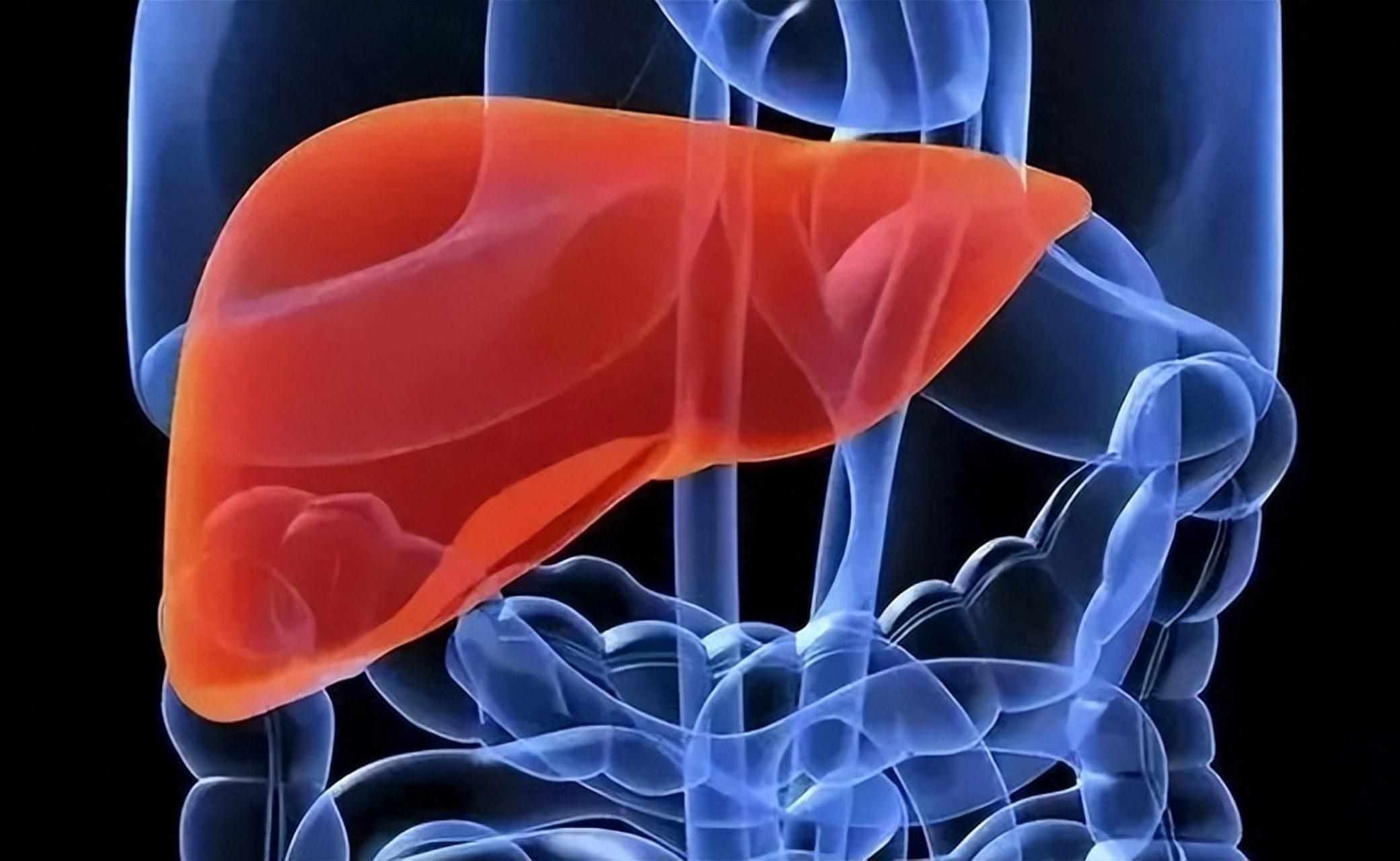
Liver damage
Long term or low-dose exposure to 2-Fluoroethanol may cause liver damage. The liver is the main metabolic and detoxifying organ of 2-Fluoroethanol, and long-term exposure may increase the burden on the liver, leading to liver cell damage and abnormal liver function. This type of damage may manifest as symptoms such as liver enlargement and abnormal liver function indicators.

Damage to the nervous system
In addition to neurological symptoms during acute poisoning, long-term or low-dose exposure to 2-Fluoroethanol may also cause chronic damage to the nervous system. This damage may manifest as symptoms such as memory loss, lack of concentration, and neurasthenia. The occurrence of these symptoms may be related to the long-term toxic effects of 2-Fluoroethanol on neurons.
Damage to the reproductive system
Studies have shown that 2-Fluoroethanol may cause damage to the reproductive system. Long term or low-dose exposure to 2-Fluoroethanol may lead to symptoms such as damage to reproductive cells and decreased reproductive function. This damage may manifest as decreased fertility, fetal abnormalities, etc. Although there is currently insufficient research on the damage of 2-Fluoroethanol to the reproductive system, this potential harm cannot be ignored.


Carcinogenicity
There is currently no conclusive evidence to suggest that 2-Fluoroethanol has a direct carcinogenic effect. However, considering its high toxicity and damaging effects on specific organs, long-term or low-dose exposure to 2-Fluoroethanol may increase the risk of cancer. This risk may be related to the damaging effect of 2-Fluoroethanol on DNA or its inhibitory effect on the immune system.

Research on the synthesis of 2-fluoroethanol began in the 1940s, a period when studies on fluorine-containing organic compounds were on the rise. In 1948, a team led by Saunders, Stacey, and Wilding at the Chemistry Laboratory of the University of Cambridge first systematically synthesized and characterized 2-fluoroethanol. In the same year, Hoffmann independently reported a similar method. Both approaches adopted the classic Finkelstein halogen-exchange reaction, using 2-chloroethanol as the raw material and anhydrous potassium fluoride as the fluorinating agent. The reaction was carried out under heating in high-boiling solvents such as ethylene glycol, and the product was isolated via distillation, laying the foundation for the basic preparation route of this compound. Research during this period focused on its fundamental chemical properties and toxicity, paving the way for subsequent applications.
The synthetic process of 2-fluoroethanol underwent continuous optimization during the 1950s and 1960s. In 1955, Kitano and Fukui improved the reaction conditions by reacting 2-chloroethanol with potassium fluoride at 180 °C, raising the yield to 42.1%. In 1965, Shahak and Bergmann developed a new route using 1,3-dioxolan-2-one as the starting material, expanding the synthetic pathways. Meanwhile, researchers identified its potential as an intermediate for pesticides and pharmaceuticals, driving the transition from laboratory-scale preparation to small-scale industrial production and shifting the compound from fundamental research to practical applications.
Since the 1970s, studies on the reaction mechanism and applications of 2-fluoroethanol have been continuously deepened. Theoretical calculations have revealed the Sₙ2 mechanism of its synthesis, and process optimization has pushed industrial yields to 75%–85%. Today, as a key fluorine-containing intermediate, it is widely used in the synthesis of antibacterials such as fleroxacin as well as herbicides. Its discovery and development history epitomize the evolution of fluorine-containing alcohols from basic chemical synthesis to industrial application.
FAQ
What is 2-fluoroethanol?
+
-
2-Fluoroethanol is the organic compound with the formula CH2FCH2OH. This colorless liquid is one of the simplest stable fluorinated alcohols. It was once used as a pesticide. The related difluoro- and trifluoroethanols are far less dangerous.
What is the stable conformer of 2-fluoroethanol?
+
-
2-Fluoroethanol has an -OH and -F substituent on adjacent carbons. Stability is influenced by steric hindrance and possible intramolecular hydrogen bonding. The most stable conformation often has the -OH and -F groups gauche (60° apart) to allow intramolecular hydrogen bonding.
Hot Tags: 2-fluoroethanol cas 371-62-0, suppliers, manufacturers, factory, wholesale, buy, price, bulk, for sale, Aminoantipyrine, 5 Chloro 2 Nitrotoluene CAS 5367 28 2, tert Butyldimethylsilyl chloride, 1-Bromododecane, 2-Chloro-3-methylpyridine, 3 Bromobenzotrifluoride CAS 401 78 5