




Pyrocatechol, also known as catechol, is an organic compound with chemical formula of C6H6O2. It is a white crystalline powder, which is soluble in water, ethanol, ether, benzene, chloroform and lye. It is an important chemical intermediate, which can be used as rubber hardener, electroplating additive, skin antiseptic, hair dye, photographic developer, color photo antioxidant, etc.

|
Chemical Formula |
C6H6O2 |
|
Exact Mass |
110 |
|
Molecular Weight |
110 |
|
m/z |
110 (100.0%), 111 (6.5%) |
|
Elemental Analysis |
C, 65.45; H, 5.49; O, 29.06 |


Synthetic pyrocatechol:

Catechol mostly exists in nature in the form of derivatives. For example, o-methoxyphenol and 2-methoxy-4-methylphenol are important components of beech creosote. Catechol was first obtained by distilling protocatechuic acid or distilling catechu extract. Later, it was found that catechol can also be obtained by dry distillation of some plants or alkali melting of some resins.
In industry, it was usually obtained by extraction from tar of coal carbonization at low temperature. There are many processes for the synthesis of catechol.
(1) Phenol is used as raw material and chlorinated by chlorine gas; Hydrolysis of copper sulfate and sodium hydroxide; It is obtained by acidification of hydrochloric acid.
(2) It is directly oxidized by benzene or phenol and hydrogen peroxide. The production of catechol by direct oxidation of phenol with hydrogen peroxide is carried out by Ube Xingsan Company in Japan and Rhone Planck Company in France.
(3) It is prepared by hydrolysis of o-chlorophenol under pressure in alkaline medium.
At room temperature, first mix salicylaldehyde with 1mol sodium hydroxide solution, then add a little excess hydrogen peroxide under stirring to react, and the temperature rises to 45~50 ℃:
After the reaction solution is placed for 15-20h, add acetic acid to neutralize the excess alkali, and then evaporate to dryness under reduced pressure. After the solid is crushed, a certain amount of toluene is added and heated to the boiling point for repeated extraction. The catechol separated from each cooling is combined and then subjected to vacuum distillation. The pressure is controlled at 1333Pa. The 119~121 ℃ fraction is collected and then recrystallized with 5 times of toluene to obtain catechol products.

Under stirring, chlorine is introduced into the mixture of benzene and phenol, and the temperature is controlled at 24-28 ℃.
When the relative density of the mixed liquid reaches 0.954, stop chlorine feeding and discharge hydrogen chloride under reduced pressure. After the excess benzene is distilled at 21332Pa and 125 ℃, it is cooled to 60 ℃, and then subjected to vacuum distillation at 2666~3333Pa. The middle distillate (75 ℃) is collected as o-chlorophenol. Low boiling matter (<75 ℃) and high boiling matter (>75 ℃) can be recycled. The prepared o-chlorophenol is mixed with copper sulfate and sodium hydroxide in an appropriate proportion, and then passed into a tubular reactor preheated to 230~2240 ℃ for reaction:
The reaction temperature is controlled to be 180 ~ 190 ℃, and the reaction residence time is 50 ~ 60min. The reaction liquid returned from the reaction enters the container containing hydrochloric acid for neutralization. The ph value of neutralization is controlled to be 3 ~ 3.5. Then decolorize with activated carbon, filter, extract the filtrate with isopropyl acetate countercurrent, and distill the extract under constant pressure and reduced pressure to obtain catechol.


1. It is an important chemical intermediate, which can be used to manufacture rubber hardener, electroplating additive, skin antiseptic and bactericide, hair dye, photographic developer, etc.
2. As an analytical reagent, catechol is an intermediate of the bactericide ethylcarb, pesticide propoxur and carbofuran.
3. It is used to produce berberine, isoproterenol, etc.
4. It can also be used to produce 4-tert-butylcatechol as polymerization inhibitor of styrene, butadiene and vinyl chloride.
5. Catechol is often used as developer, but it is not as effective as hydroquinone; It can also be used as reagent and disinfectant.
6. As an important pharmaceutical intermediate, it is used to manufacture berberine and isoproterenol.
7. Used in the manufacture of antioxidants; Developer; bactericide; Rubber additives; Electroplating additives; Special ink; Light stabilizer; Dyes; Spices, etc.
8. Used to synthesize vanillin, ethyl vanillin, piperonal, etc. It can also be used in dyes, pesticides, photosensitive materials, electroplating materials, oxygen disturbing agents, light stabilizers, preservatives and accelerators.
9. Used in photography, dyes, antioxidants, light stabilizers, and important pharmaceutical intermediates.
Safety and hazard
Pyrocatechol, also known as catechol, is an organic compound that has certain toxicity and irritability.
1.Toxicity
Acute poisoning:
- Ingestion, inhalation, or transdermal absorption can all cause acute poisoning.
- The symptoms of acute poisoning are similar to phenol and may include respiratory irritation, elevated blood pressure, and unstable body temperature.
- In animal experiments, the LD50 (median lethal dose) value of catechol indicates that it has certain toxicity. For example, the oral LD50 in rats is 260mg/kg, and the dermal LD50 in rabbits is 800mg/kg.
long-term exposure:
- Long term exposure may lead to increased respiratory irritation symptoms and rash incidence among workers.
- Abnormal catecholamine metabolism, elevated blood pressure, unstable body temperature, and liver and kidney damage may also be observed.
2.Thrill
It has a certain degree of irritation and may cause irritation to the skin, eyes, and respiratory tract. Therefore, appropriate protective measures need to be taken when handling and using phthalates, such as wearing protective gloves, glasses, and respiratory protective equipment.
3.Security measures
Personal Protection
Wear appropriate personal protective equipment such as protective gloves, goggles, and respiratory protection devices
operating environment
Operate in a well ventilated environment and avoid inhaling steam or dust.
Storage conditions
Store in a cool, dry, well ventilated place, away from sources of fire and heat.
Leakage handling
If a leak occurs, appropriate measures should be taken immediately for collection and treatment, such as flushing with a large amount of water and diluting it before placing it into the wastewater system.

The main ways in which pyrocatechol acts as a rubber hardener are as follows:

Cross-linking effect
This substance can undergo cross-linking reaction with the polymer chains in rubber, forming a three-dimensional network structure, thereby enhancing the hardness and strength of rubber. This cross-linking effect transforms rubber from a molding material to an elastic material, improving the durability and stability of rubber products.
Vulcanization Process
In the vulcanization process of rubber, it can act as a vulcanizing agent or promote the effect of vulcanizing agent, accelerate the cross-linking reaction between vulcanizing agent and rubber molecules, shorten the vulcanization time, lower the vulcanization temperature, and thus improve production efficiency.


improve performance
As a rubber additive, it can improve the properties of vulcanizate, including increasing the number of crosslinker bonds and reducing the average number of atoms in the crosslinker bonds, so as to improve the physical properties of rubber, such as wear resistance, aging resistance and heat resistance.
Oxidation resistance
It has certain antioxidant properties and can serve as an antioxidant for rubber, protecting it from oxidative damage and extending the service life of rubber products.

Substitute
Dihydroxybenzaldehyde
In the field of developing solutions, dihydroxybenzaldehyde has been used as a substitute, especially in the formulation of non-toxic phenolic developing solutions. This alternative can provide a similar effect to phenolic developer while reducing the risk of toxicity, making it more suitable for home rinse enthusiasts or those who require safer rinse conditions.
Other phenolic compounds
In certain chemical synthesis or industrial applications, there may be other phenolic compounds that can replace catechol. The selection of these compounds depends on the required reaction conditions and the performance requirements of the final product.
Biobased or natural products
With the increasing awareness of sustainable development and environmental protection, more and more bio based or natural products are being used as alternatives to chemicals. In some cases, these bio based or natural products may have functions similar to catechol, but with lower toxicity and environmental impact.
In short, when choosing alternatives to this substance, factors such as toxicity, cost, availability, reactivity, and environmental impact must be considered. In addition, sufficient experimentation and testing are required to ensure that the substitute can meet the required application requirements.
Industrial Applications
Polymer Industry: Antioxidants and Stabilizers
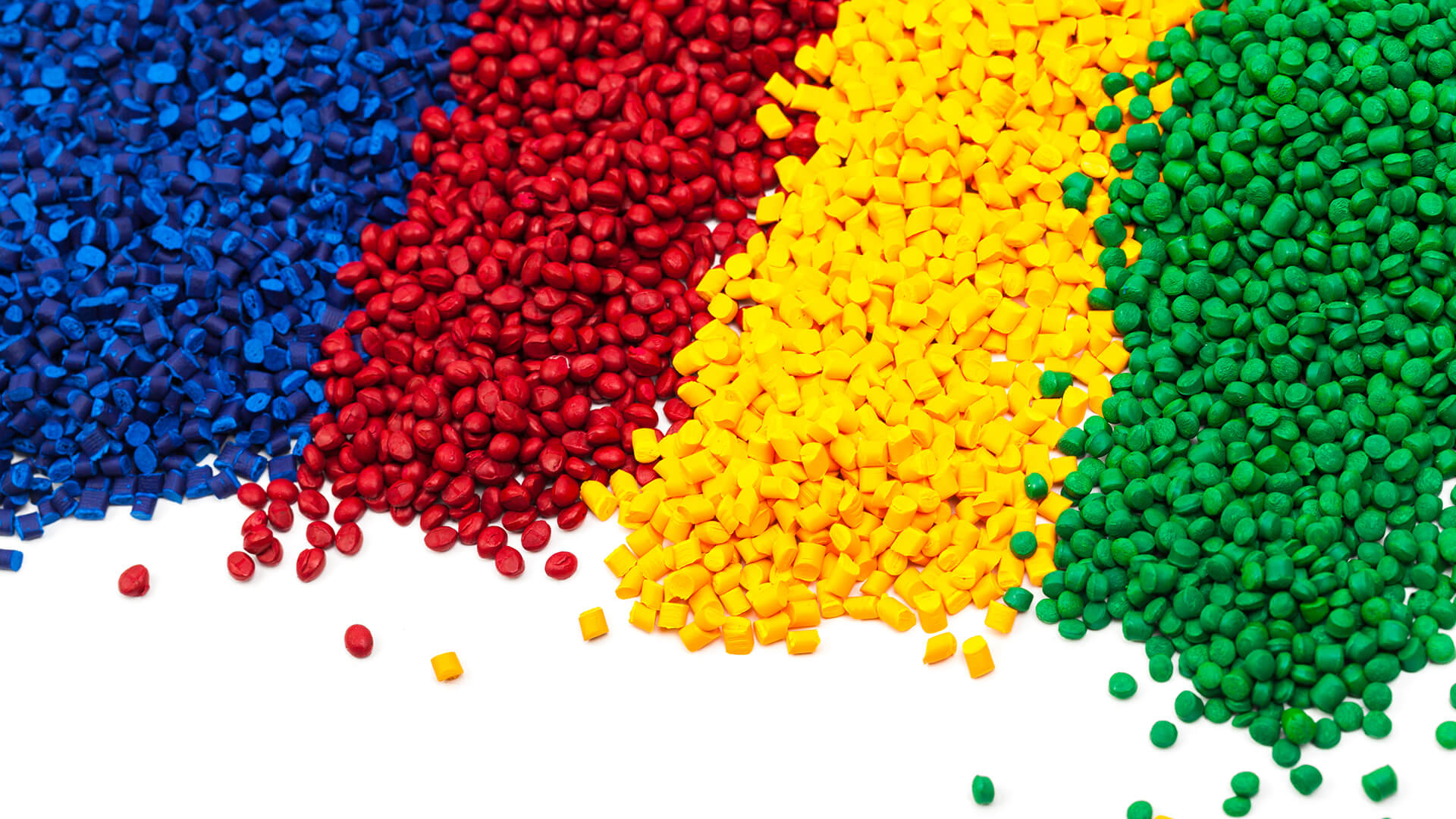
Pyrocatechol's antioxidant properties are pivotal in extending the lifespan of polymers exposed to oxidative degradation. By scavenging free radicals, it prevents chain reactions that compromise material integrity, particularly in applications requiring long-term stability, such as automotive components and outdoor infrastructure. For instance, in polyphthalamide (PPA) resins-high-performance polymers used in automotive and electronics-pyrocatechol derivatives enhance thermal resistance and mechanical durability. Its role as a polymerization inhibitor in styrene and butadiene systems further underscores its importance in controlling reactive processes.
Cosmetics and Personal Care: Hair Dyes
In permanent hair coloring systems, pyrocatechol acts as a coupling agent that reacts with primary intermediates (e.g., p-phenylenediamine) inside hair fibers to form stable, insoluble dyes. The color outcome depends on the dye formulation and hair's starting shade, with pyrocatechol enabling shades ranging from brunettes to auburn. Its ability to penetrate the hair cortex and form covalent bonds with keratin ensures color longevity, though safety concerns have prompted research into less toxic alternatives.


Pharmaceuticals: Precursor to Active Ingredients
Pyrocatechol serves as a starting material for synthesizing carbamate insecticides like carbofuran and propoxur, which target pest nervous systems. Its derivatives also feature in pharmaceuticals; for example, dopamine, a neurotransmitter critical for motor control, is synthesized via the hydroxylation of pyrocatechol. Additionally, pyrocatechol-based chelating agents are used in metal detoxification therapies, leveraging their affinity for iron and other transition metals.
Agrochemicals and Environmental Science
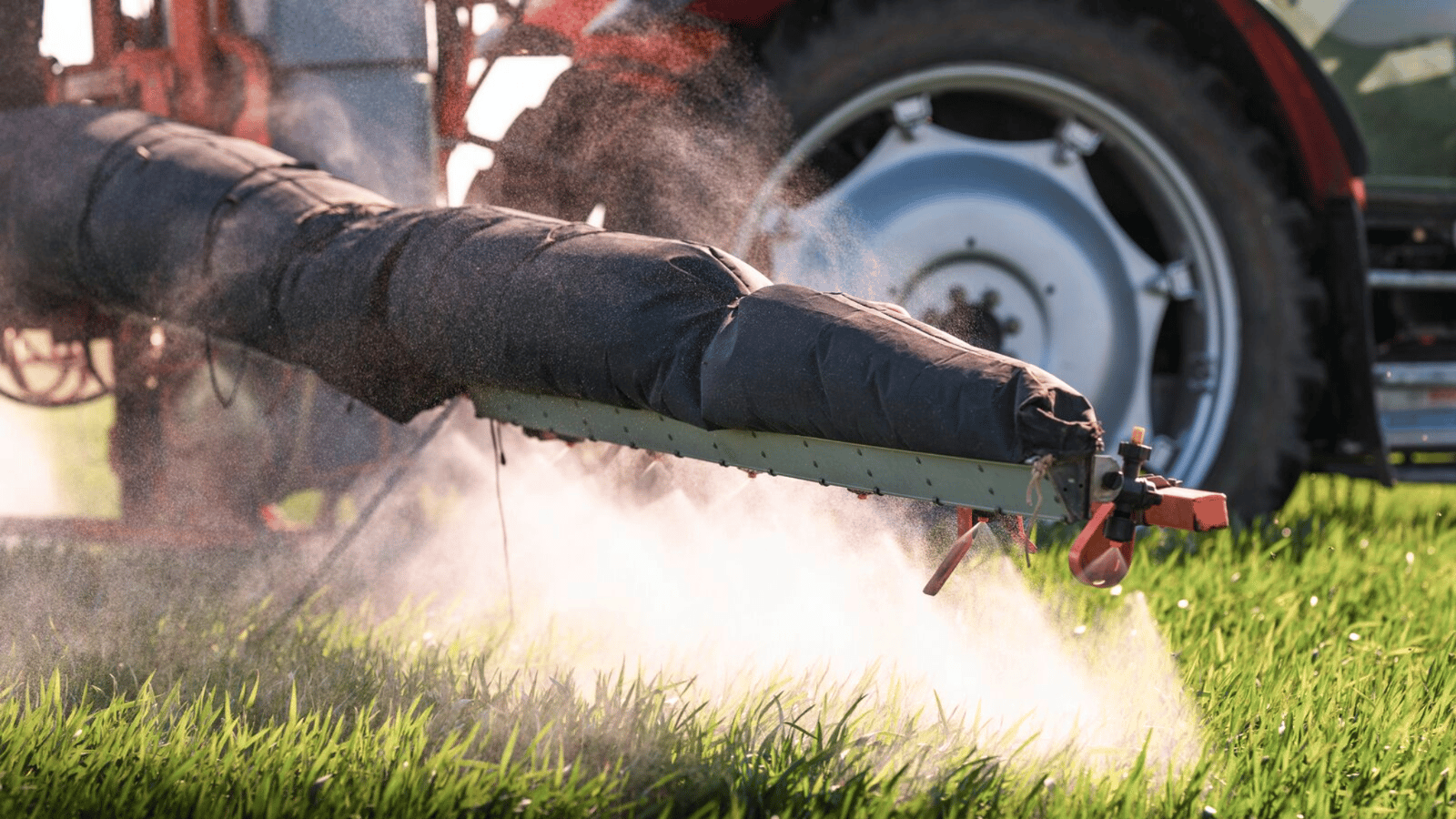
As a building block for herbicides and fungicides, pyrocatechol contributes to crop protection. Its metal-chelating properties are exploited in water treatment to sequester heavy metals, mitigating environmental contamination. However, its persistence as a pollutant has led to regulatory scrutiny, with the EPA classifying it as a priority substance due to its toxicity to aquatic life and potential carcinogenicity (IARC Group 2B).
Frequently Asked Questions
What is the difference between catechol and pyrocatechol?
+
-
Catechol, also known as pyrocatechol or 1,2-dihydroxybenzene, is an organic compound essentially used as building block. It is available in two forms: Flakes (solid form) and Molten (liquid form).
Is pyrocatechol organic or inorganic?
+
-
Pyrocatechol, also known as catechol or 1,2-dihydroxybenzene, is an organic compound with the chemical formula C6H4(OH)2.
Why is phenol no longer used?
+
-
Because of its irritant and corrosive properties and potential systemic toxicity, at present phenol is not commonly used as an antiseptic, except to cauterize infected areas-eg, the infected umbilicus of neonates.
Hot Tags: pyrocatechol cas 120-80-9, suppliers, manufacturers, factory, wholesale, buy, price, bulk, for sale, 1 1 2 2 Tetrabromoethane CAS 79 27 6, 4 Methoxyphenylacetone CAS 122 84 9, 1 2 4 Triazole CAS 288 88 0, Alizarin Powder CAS 72 48 0, 2 6 Pyridinedicarboxylic acid, 4 tert Octylphenol CAS 140 66 9