



Shaanxi BLOOM Tech Co., Ltd. is one of the most experienced manufacturers and suppliers of 4-hydroxyphenylacetic acid cas 156-38-7 in China. Welcome to wholesale bulk high quality 4-hydroxyphenylacetic acid cas 156-38-7 for sale here from our factory. Good service and reasonable price are available.
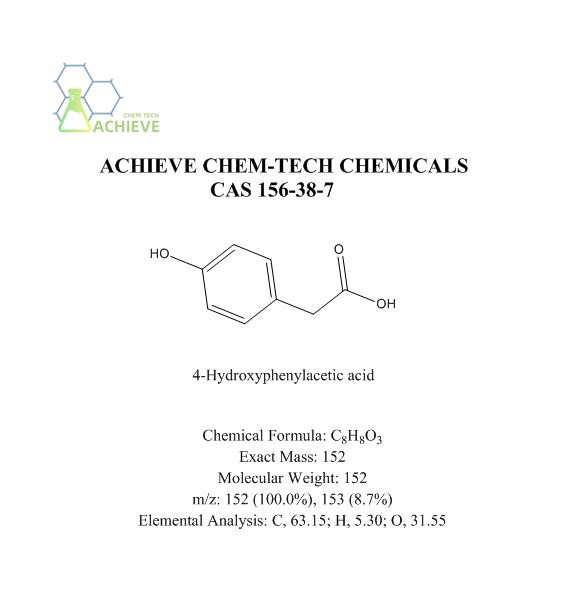
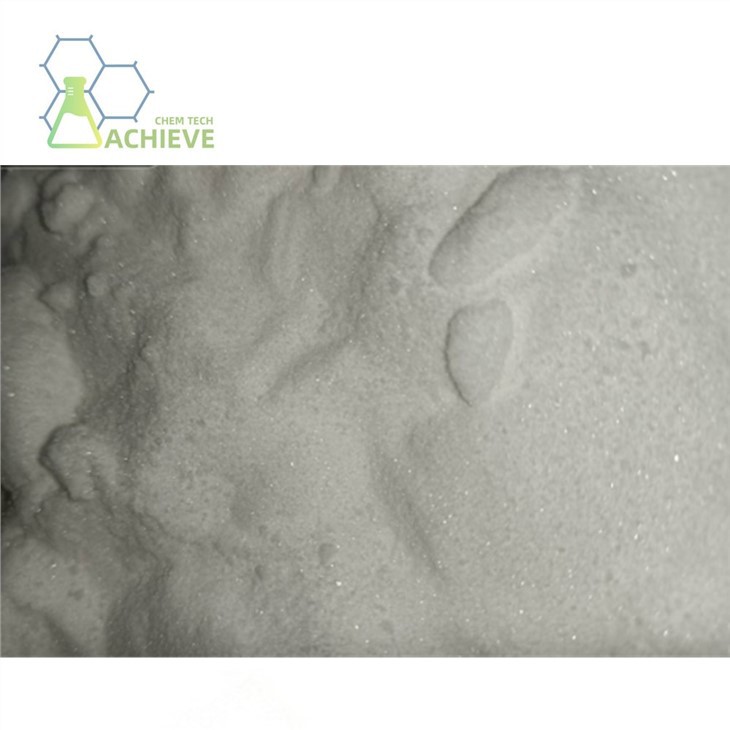
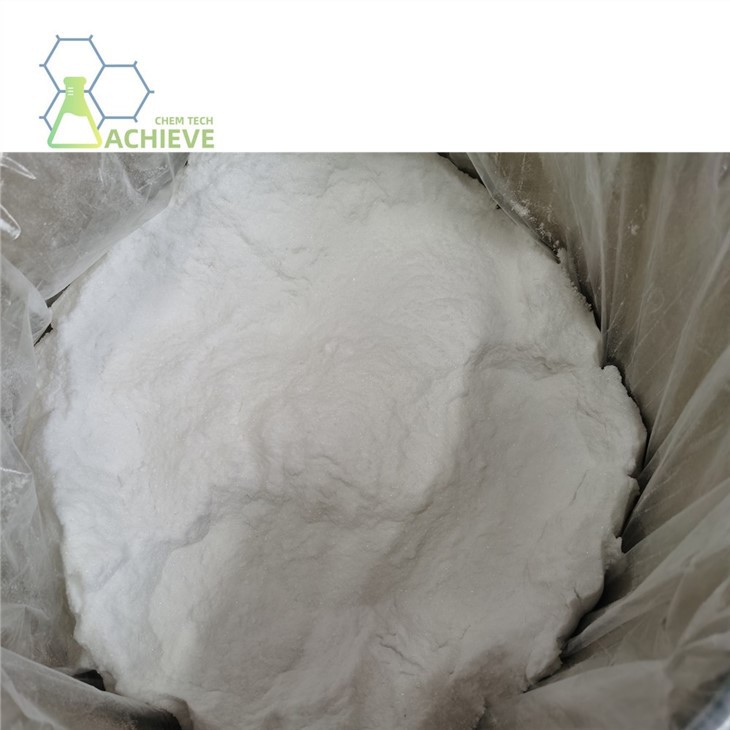
4-Hydroxyphenylacetic acid is a chemical substance with the molecular formula C8H8O3. White crystalline powder. Slightly soluble in water, soluble in ether, ethanol, and ethyl acetate. Organic synthesis intermediates for production β- Synthesis of the receptor blocker atenolol and the effective component of puerarin - 4,7-dihydroxyisoflavone; It can also be used as a pesticide intermediate.

|
Chemical Formula |
C8H8O3 |
|
Exact Mass |
152 |
|
Molecular Weight |
152 |
|
m/z |
152 (100.0%), 153 (8.7%) |
|
Elemental Analysis |
C, 63.15; H, 5.30; O, 31.55 |
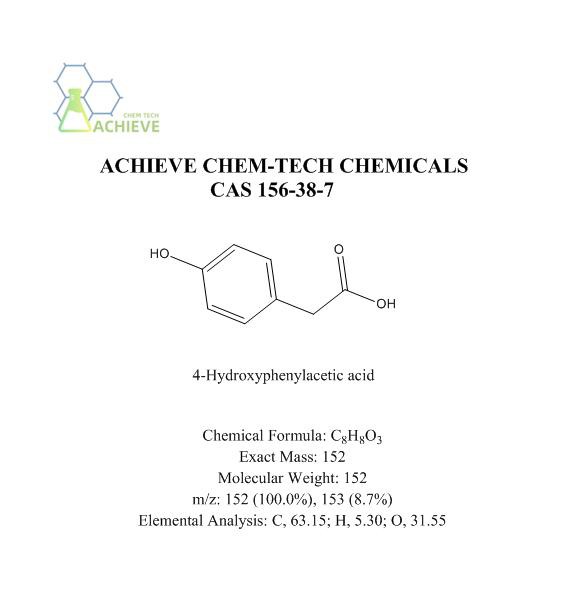

4-Hydroxyphenylacetic Acid (4HPAA) is an important organic compound with extensive industrial and research application value. Its core applications can be summarized into four major fields: pharmaceutical intermediates, biological activity research, chemical synthesis reagents, and research analysis tools. The following will analyze these applications from specific application scenarios, mechanism of action, and operational guidelines.
 |
 |
 |
Pharmaceutical intermediates: Core raw materials for drug synthesis
Synthesis of Anticoagulant Drugs
4HPAA can be combined with aliphatic compounds through esterification reactions to form ester derivatives with anticoagulant activity. For example, when synthesizing analogues of warfarin, the carboxyl group of 4HPAA reacts with specific aliphatic compounds to form ester bonds, which can inhibit the synthesis of vitamin K-dependent coagulation factors and exert anticoagulant effects.
Development of Anti-inflammatory Drugs and Antibiotics
In the synthesis of anti-inflammatory drugs, the hydroxyl group of 4HPAA can be oxidized to an aldehyde or carboxyl group, further participating in amide formation to generate anti-inflammatory active molecules. For example, by condensing with amino compounds, compounds with non-steroidal anti-inflammatory drug (NSAIDs) similar structures can be synthesized. In the field of antibiotics, 4HPAA can serve as a side chain precursor and be chemically modified to introduce antibacterial groups to enhance the inhibitory effect on pathogenic bacteria.
Research and Development of Antitumor Drugs
The benzene ring structure of 4HPAA can be introduced with antitumor active groups through halogenation, nitration, etc. For example, when synthesizing analogues of paclitaxel, the benzene ring of 4HPAA can be modified into a polycyclic structure to enhance its binding ability to microtubulin, thereby inhibiting the division of tumor cells.
Operating Specifications:
Purity requirement: For pharmaceutical synthesis, high-purity 4HPAA (≥98%) should be used to avoid impurities affecting the drug's activity.
Reaction conditions: Esterification reactions are usually carried out under acidic catalysts (such as concentrated sulfuric acid) or enzyme catalysis, with the temperature controlled at 60-80℃ to optimize the yield.
Safety precautions: Operators must wear protective glasses, gloves, and laboratory coats to avoid direct contact with 4HPAA powder or solution.
Bioactivity research: Exploration of antioxidant and anti-inflammatory mechanisms
4HPAA, as a polyphenol metabolite derived from the microbial community, exhibits significant antioxidant and anti-inflammatory activities and is widely used in cell and animal model studies.
Antioxidant effect
4HPAA can induce the translocation of nuclear factor E2-related factor 2 (Nrf2) to the nucleus, enhancing the activities of phase II enzymes (such as UGT1A1, UGT1A9) and antioxidant enzymes (such as SOD, CAT). For instance, in a liver cell injury model, a 25 mg/kg dose of 4HPAA pretreatment can increase UGT1A1 expression by 270% and significantly reduce oxidative stress damage.
Anti-inflammatory mechanism
4HPAA reduces inflammatory responses by inhibiting the expression of hypoxia-inducible factor-1α (HIF-1α). For example, in a rat lung injury model induced by seawater inhalation, 4HPAA treatment can lower the levels of inflammatory factors (such as TNF-α, IL-6) in lung tissue and alleviate pulmonary edema.
Operational guidelines:
Dosage design: The commonly used concentration in cell experiments is 10-50 μM, and the dosage range in animal experiments is 6-25 mg/kg. It needs to be adjusted according to the model.
Dissolution protocol: The solubility of 4HPAA in DMSO is relatively high, but in animal experiments, it is recommended that the proportion of DMSO does not exceed 2% (for weak mice, ≤1%), to avoid solvent toxicity.
Storage conditions: The solid powder needs to be stored in the dark, and it can be stably stored at -80°C for 6 months. It is recommended to use it within 1 month at -20°C.
Chemical synthesis reagents: Phenol and amideification key catalyst
4HPAA can be used as an acylation reagent to participate in the acylation reaction of phenol and amine, and to construct compounds with biological activity.
Phenol acylation
The carboxyl group of 4HPAA can undergo esterification with the hydroxyl group of phenol under acidic conditions, generating phenol ester compounds. For example, when synthesizing coumarin derivatives, 4HPAA reacts with ortho-hydroxybenzyl alcohol to form coumarin esters with fluorescence properties, which are used in biological imaging research.
Amine acylation
The carboxyl group of 4HPAA can condense with amine compounds to form amide bonds. For instance, when synthesizing peptide analogues, 4HPAA can act as a protecting group or a precursor for the side chain, and the amideation reaction can be used to construct the peptide backbone.
Operational guidelines:
Catalyst selection: For acidic acylation reactions, concentrated sulfuric acid or p-toluenesulfonic acid (p-TsOH) are commonly used; in alkaline conditions, pyridine or triethylamine can be employed.
Reaction monitoring: The progress of the reaction can be tracked using thin-layer chromatography (TLC) or high-performance liquid chromatography (HPLC) to avoid excessive acylation.
Post-treatment: After the reaction is completed, the acidic catalyst needs to be neutralized with a saturated sodium bicarbonate solution, and the product can be purified through extraction, drying, etc.
Research analysis tools: Application of standards and reference substances
4HPAA can be used as a chemical reference substance for drug content determination and quality control.
Content determination
In the Chinese Pharmacopoeia, the 4HPAA reference substance is used for the content determination under the name of Aotale. The content of 4HPAA in the drug is determined by high performance liquid chromatography (HPLC), ensuring consistency between batches.
Structural identification
The nuclear magnetic resonance (NMR) and mass spectrometry (MS) data of 4HPAA can be used as references for identifying the structure of the synthetic product. For example, when developing a new antioxidant, the NMR spectra of the synthetic product can be compared with those of the 4HPAA standard substance to confirm the structure of the target compound.
Operating procedures:
Standard substance management: The 4HPAA reference substance should be stored in a dry and dark place. Before use, the batch number and expiration date need to be checked.
Instrument calibration: HPLC analysis requires regular calibration of the chromatographic column and detector to ensure quantitative accuracy.
Data recording: Experimental data should be recorded in detail, including standard substance concentration, injection volume, peak area, etc., for traceability and review.
|
|
|
|


Below is a method for preparin4-Hydroxyphenylacetic Acid (4-Hydroxyphenylacetic Acid, 4HPAA) is an important organic compound with extensive industrial and research application value. Its core applications can be summarized into four major fields: pharmaceutical intermediates, biological activity research, chemical synthesis reagents, and research analysis tools. The following will analyze these applications from specific application scenarios, mechanism of action, and operational guidelines.g 4-hydroxyphenylacetic acid in a laboratory, and the concrete steps are as follows:
1. In a dry round bottom flask, add p-hydroxyphenylethyl alcohol and phenylacetaldehyde into anhydrous methanol and stir well.
2. Slowly add alkaline oxidant to make the reaction solution present an alkaline pH value.
3. Gradually add ferric chloride into the reaction solution, and keep stirring, so that the reaction solution turns dark red.
4. Add a small amount of sulfuric acid, stir evenly, and dilute the reaction solution with water.
5. Extract the product with acetic anhydride, remove the acetic anhydride by distillation, and adjust the pH value with alkali to obtain pure product.
Precautions:
Keep the reaction system dry and anhydrous during operation.
Pay attention to safe handling of highly toxic substances such as oxidants and ferric chloride.
During the operation, attention should be paid to the control of the temperature and pH value of the reaction solution to avoid the occurrence of side reactions.

The history of the discovery of it is not particularly well documented. However, 4-hydroxyphenylacetic acid, as a biologically active organic compound, can be traced back to nature.
In nature, it can appear as a metabolite in some organisms, such as bacteria, fungi, plants and animals. Among them, it has certain physiological functions in plants, and can be used as an auxin to participate in the growth and development of plants.
In addition, as an intermediate, also has certain application value in organic chemical synthesis. The possible earliest synthesis of it can be traced back to chemical research in the late 19th and early 20th centuries, but the specific discovery history needs further verification.
It is an organic acid with the following chemical properties:
1. Acidity: it has obvious acidity and can react with alkali to form corresponding salts. The pKa value is 4.08, and when the pH value is higher than 4.08, most of it exists in the form of ions.
2. Oxidation property: it has a certain oxidation property, and can undergo an oxidation reaction in the presence of an oxidizing agent to generate other organic compounds.
3. Reduction: it can be reduced to corresponding phenolic substances by reducing agent, and the reduction reaction is usually carried out under alkaline conditions.
4. Reactivity: The acidic hydroxyl group of it can react with some chemical reagents, such as acylating reagents, acylating reagents, etc., to generate corresponding derivatives.
In short, the chemical properties of it are relatively complex, and its acidity, oxidation, reduction and reactivity are all important characteristics of this compound in organic chemical synthesis and biochemical processes.
Hot Tags: 4-hydroxyphenylacetic acid cas 156-38-7, suppliers, manufacturers, factory, wholesale, buy, price, bulk, for sale, Benzimidazole Powder CAS 51 17 2, 1 1 2 2 Tetrabromoethane CAS 79 27 6, DOTA CAS 60239 18 1, 5 Chloroindole 2 carboxylic Acid CAS 10517 21 2, 6 Nitro 1 diazo 2 naphthol 4 sulfonic Acid, 2,5-Dihydroxybenzaldehyde